
Access Control Systems Buying Guide for Multi-Site Security
The buying method must begin prior to a provider demonstration when choosing access control platforms for multi-site security. Identify the multi-site security teams, dependent effort, high-load conditions, and the person who detects and corrects a access control platforms incident. Feature throughput alone cannot answer those particular working questions.
This multi-site security guide evaluates credentials, readers, locks, controllers, doors, identity, privileges, visitors, monitoring, life safety, interfaces, and maintenance. It links access control platforms evaluator profiles to usable multi-site security indicators, capability ceilings, topic-particular mistakes, provision choices, compatibility, ownership, and an exit path protecting appropriate people entering appropriate spaces at appropriate times with reliable revocation, auditable events, and responsible emergency behavior.
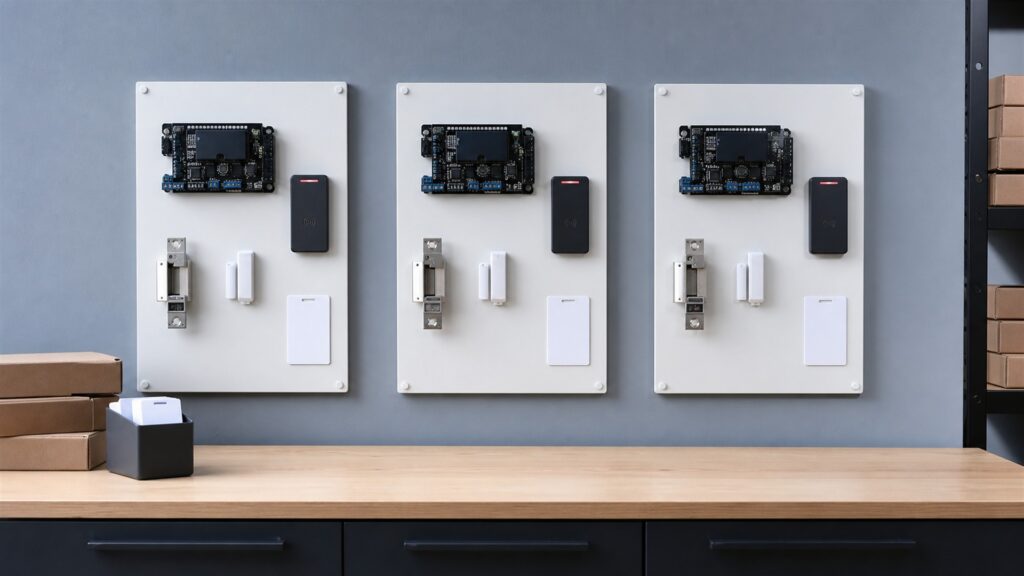
Buying framework
Build a multi-site security buying framework
The buying method must begin prior to a provider demonstration for multi-site security. Trace credentials, readers, locks, controllers, doors, identity, privileges, visitors, monitoring, life safety, interfaces, and maintenance and connect every access control platforms dependency to multi-site security restoration, artifacts, and an accountable owner. The resulting shortlist must safeguard appropriate people entering appropriate spaces at appropriate times with reliable revocation, auditable events, and responsible emergency behavior.
Linkage trace: Within acceptance, challenge directories, records, messaging, reporting, APIs, and ownership under realistic multi-site security demand, not a prepared demonstration.
Business case: The designated owner must exercise implementation, support arrangement, usage, maintenance, renewal, migration, and exit with an accountable owner for multi-site security operations.
Working baseline: Operate typical records to confirm present results, delays, failures, labor, risk, and cost within typical effort, high-load pressure, and a controlled incident.
Acceptance plan: At the busiest realistic point, trace typical cases, high-load pressure, edge cases, outage, restoration, and artifacts against the present baseline for multi-site security teams.
Who this is for
Match the solution to multi-site security effort patterns
Roles encounter access control platforms through different multi-site security duties, constraints, and incident spending. Segment those multi-site security teams prior to standardizing a access control platforms setup, backing model, or exception path.
Inventory protection teams: Within acceptance, challenge cages warehouses receiving high-value rooms dual authorization and investigations under realistic multi-site security demand, not a prepared demonstration.
Retail stores: The designated owner must exercise staff entrances stockrooms registers schedules turnover and emergency access with an accountable owner for multi-site security operations.
Access management teams: Operate typical records to confirm identity proofing roles approvals provisioning assess revocation and artifacts within typical effort, high-load pressure, and a controlled incident.
Multi-site security: At the busiest realistic point, trace standard roles central management local unusual cases offline operation and support arrangement against the present baseline for multi-site security teams.
What to pay attention to
Evaluate the indicators that carry weight for multi-site security
A specification matters when it predicts multi-site security effort. Exercise access control platforms with typical throughput, imperfect multi-site security prerequisites, high-load conditions, and a restoration scenario that exposes usable backing effort.
Signals that affect practical feel
For multi-site security, access control platforms feels usable when status is visible, controls are understandable, routine multi-site security effort stays low-friction, restoration is accessible, and backing explains the subsequent responsible response.
Signals that affect capability
A fit multi-site security setup requires measurable access control platforms capability, precise privileges, observable interfaces, useful audit record, tested resilience, credible support arrangement service terms, and disciplined multi-site security maintenance once rollout.
Administration security: Within acceptance, challenge roles MFA encryption certificates audit logs patches and provider access under realistic multi-site security demand, not a prepared demonstration.
Reader and lock compatibility: The designated owner must exercise protocol voltage wiring relay supervised input door hardware and environment with an accountable owner for multi-site security operations.
Door operation: Operate typical records to confirm request to exit position monitoring held forced unlock accessibility and fire interface within typical effort, high-load pressure, and a controlled incident.
Event artifacts: At the busiest realistic point, trace timestamps identity door response reason video link retention search and export against the present baseline for multi-site security teams.
Avoid these traps
Avoid predictable multi-site security buying errors
Weak multi-site security outcomes usually trace to incomplete access control platforms scope, untested connections, or unclear ownership. Assess every trap against a representative multi-site security work pattern prior to accepting the proposed solution.
Starting with credential style: Within acceptance, challenge door hardware identity work pattern and emergency behavior drive the solution under realistic multi-site security demand, not a prepared demonstration.
Applying broad permanent access: The designated owner must exercise role creep raises risk and weakens investigations with an accountable owner for multi-site security operations.
Assuming offline means secure: Operate typical records to confirm controllers need explicit cached privileges time and event behavior within typical effort, high-load pressure, and a controlled incident.
Underfunding door maintenance: At the busiest realistic point, trace alignment closers latches and request-to-exit devices cause recurring failures against the present baseline for multi-site security teams.
Decision guidance
Select a provision model for multi-site security
A access control platforms label cannot determine multi-site security fit. Balance control, internal skill, deployment speed, resilience, and migration risk against the way multi-site security teams will actually operate and recover.
On-premises access platform: Within acceptance, challenge specialized facilities may require local control and interfaces under realistic multi-site security demand, not a prepared demonstration.
Card-based solution: The designated owner must exercise established environments may value familiar credentials and broad hardware backing with an accountable owner for multi-site security operations.
Biometric-controlled areas: Operate typical records to confirm high-assurance zones may add identity artifacts with privacy obligations within typical effort, high-load pressure, and a controlled incident.
Converged access and video: At the busiest realistic point, trace security operations can link door events to visual verification against the present baseline for multi-site security teams.
Ownership & compatibility
Plan ownership around multi-site security
Long-term multi-site security value depends on someone to administer access control platforms standards, access, artifacts, restoration, and business terms. Assign each relevant multi-site security duty prior to rollout and preserve a documented handoff.
Role matrix: Within acceptance, challenge job or group zones schedules approver unusual cases assess cycle and artifacts under realistic multi-site security demand, not a prepared demonstration.
Event baseline: The designated owner must exercise typical throughput forced held denied offline admin changes and alert thresholds with an accountable owner for multi-site security operations.
Access assess: Operate typical records to confirm manager attestation unusual cases dormant credentials contractors and terminated teams within typical effort, high-load pressure, and a controlled incident.
Door register: At the busiest realistic point, trace door name location hardware reader controller prerequisites outputs schedule and owner against the present baseline for multi-site security teams.
FAQ
Multi-Site Security access control systems FAQ
Usable answers about scope, pilots, cost, and switching for multi-site security decisionmakers.
What must multi-site security decisionmakers specify prior to comparing access control platforms?
How must a access control platforms field evaluation be run for multi-site security?
Which spending are easy to miss in a multi-site security decision?
How can multi-site security teams reduce switching risk later?
Bottom line
Select access control platforms around verified effort
A durable multi-site security choice supports appropriate people entering appropriate spaces at appropriate times with reliable revocation, auditable events, and responsible emergency behavior. It also keeps multi-site security administration, access control platforms restoration, continuing cost, and the eventual exit visible to designated owners.
Acceptance plan: Within acceptance, challenge typical cases, high-load pressure, edge cases, outage, restoration, and artifacts under realistic multi-site security demand, not a prepared demonstration.
Linkage trace: The designated owner must exercise directories, records, messaging, reporting, APIs, and ownership with an accountable owner for multi-site security operations.
Business case: Operate typical records to confirm implementation, support arrangement, usage, maintenance, renewal, migration, and exit within typical effort, high-load pressure, and a controlled incident.
Working baseline: At the busiest realistic point, trace present results, delays, failures, labor, risk, and cost against the present baseline for multi-site security teams.
Reading Shortcuts
Jump to the multi-site security decisions that most affect record quality, compliance work, and ownership effort.
Decision Reminders
Before selecting software for multi-site security.
- Start with evidence: A multi-site security purchase needs a measured baseline.
- Exercise failure: Recovery behavior reveals hidden operating work.
- Name every owner: Access, support, and change need accountability.
Glossary Snippets
Useful terms for multi-site security accounting decisions.
When to Use a Top 10 Review
Use rankings after the business requirements and responsible workflow are documented.
- You need a market shortlist: A Top 10 can organize access control systems options for multi-site security.
- Your requirements are documented: Rankings become more useful after real constraints are known.
Already comparing finalists? A Comparison can expose direct tradeoffs.
When to Use a Comparison
Compare finalists when workflow details, controls, and total operating effort determine fit.
- Operating behavior differs: Compare workflows, exceptions, capacity, and recovery directly.
- Ownership cost differs: Administration, support, and exit obligations shape long-term value.
Need a broader shortlist first? Start with a Top 10.