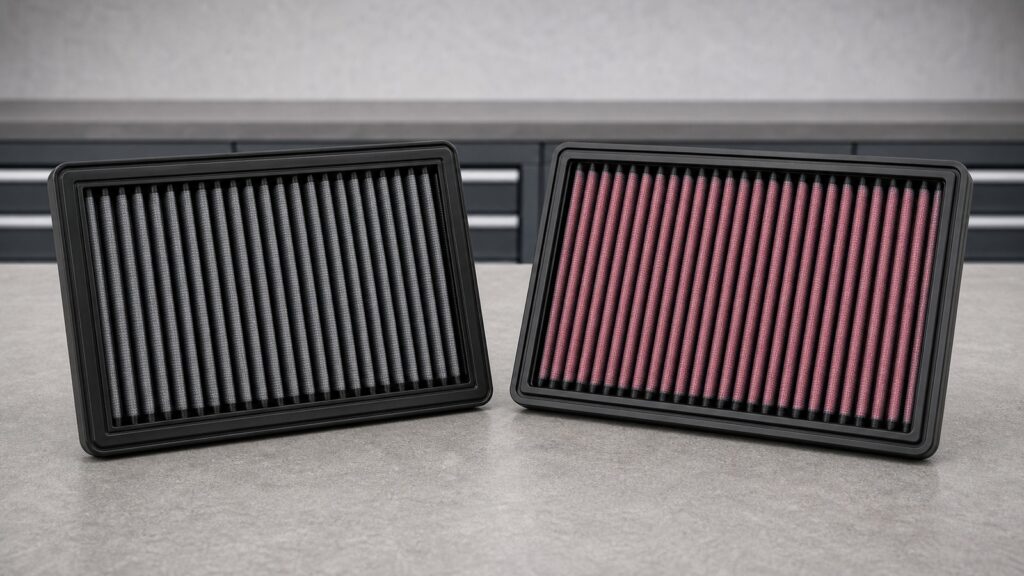
AEM 28-20385 DryFlow vs K&N 33-2304: Performance Engine Air Filter Comparison

AEM 28-20385 DryFlow and K&N 33-2304 both sit in the engine air filters category, but they should not be treated as universal substitutes. This comparison weighs fitment confidence, media type, airflow claims, seal design, service interval, and seller support so the safer buy is clear after the airbox match is confirmed.

By: Review Streets Research Lab
Updated: June 22, 2026
Approx. 10-12 min read
AEM 28-20385 DryFlow vs K&N 33-2304 comparison image

Head-to-head

AEM 28-20385 DryFlow vs K&N 33-2304: Performance Engine Air Filter Comparison

A practical A/B look at AEM 28-20385 DryFlow and K&N 33-2304, focused on fitment discipline, media type, airflow confidence, seal design, service life, value, and which buyer should choose each side.

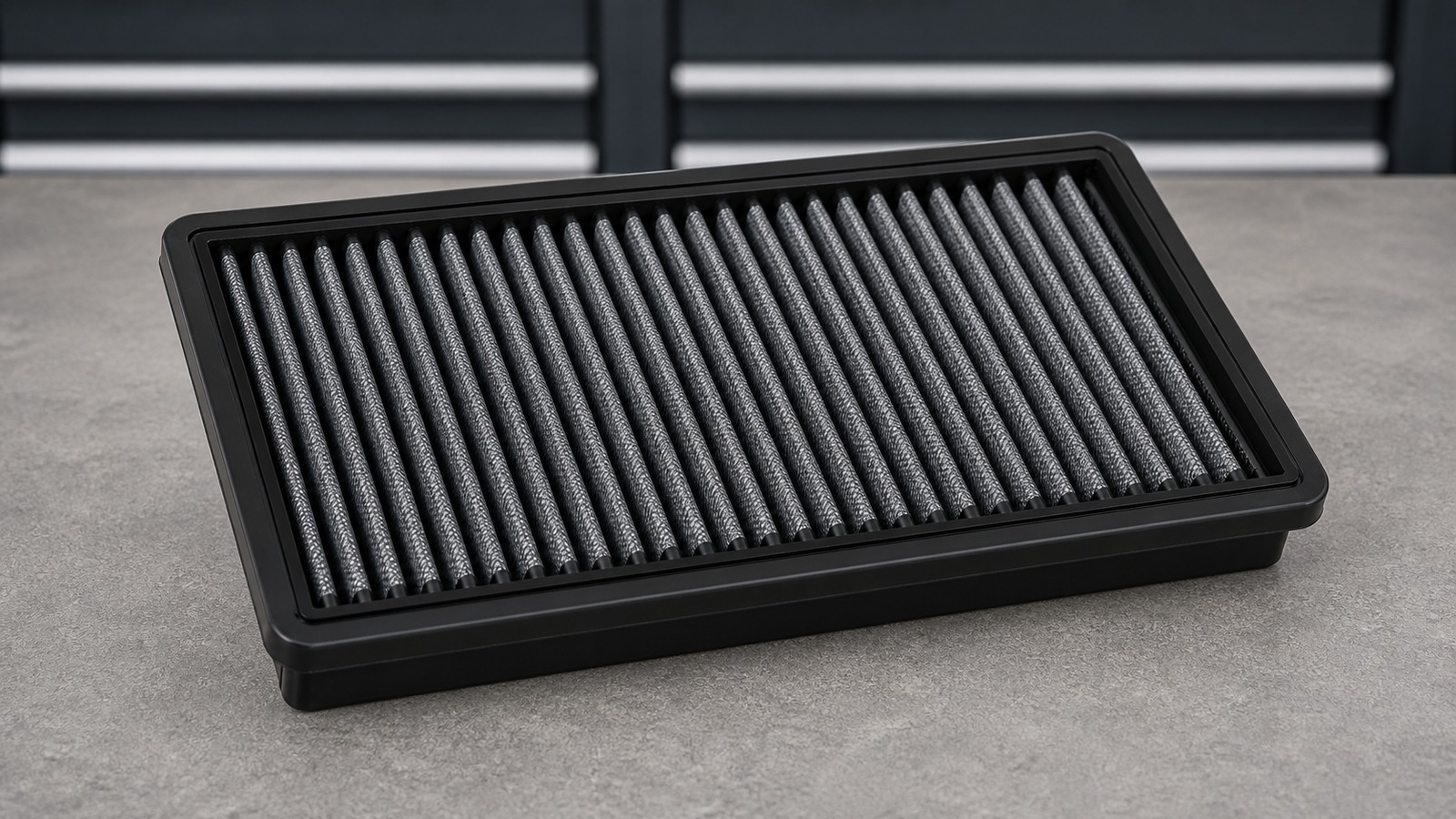
AEM 28-20385 DryFlow engine air filter product image

AEM 28-20385 DryFlow

AEM 28-20385 DryFlow is the better choice when oil-free maintenance and performance-filter confidence matter most.

Score 8.9 Best for oil-free upkeep Media DryFlow Why buy Oil free
  • Oil-free synthetic media
  • Simpler cleaning routine
  • Good for buyers avoiding filter oil
VS
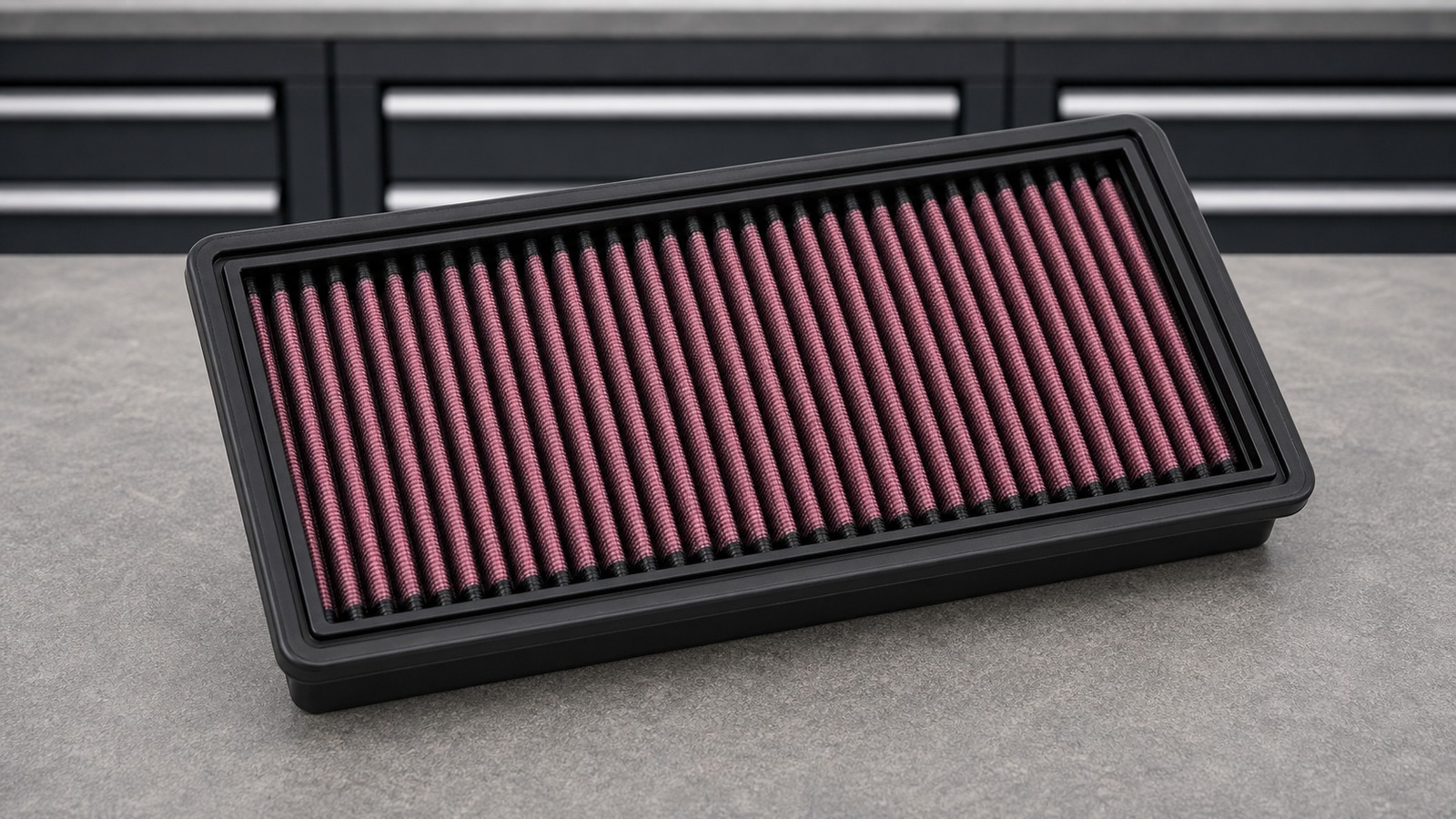
K&N 33-2304 engine air filter product image

K&N 33-2304

K&N 33-2304 remains a strong reusable choice when classic oiled cotton-gauze airflow heritage and support matter more.

Score 8.7 Best for classic reusable Media Cotton Why buy Airflow
  • Classic reusable cotton-gauze design
  • Broad performance-filter support
  • Strong long-term ownership story
Metric
AEM 28-20385
K&N 33-2304
Winner
Fitment proof
Catalog required
Catalog required
Tie
Maintenance
Oil free
Clean and oil
AEM
Airflow focus
Strong
Strong
Tie
Mess risk
Lower
Oil dependent
AEM
Brand support
Strong
Very strong
K&N
Best use
Low-mess performance
Classic reusable
AEM
Real-world context
AEM is stronger for oil-free maintenance confidence; K&N is stronger when classic reusable performance support matters more.

AEM 28-20385 - Why people choose it

  • Oil-free DryFlow media
  • Lower-mess maintenance path
  • Good performance-filter confidence

K&N 33-2304 - Why people choose it

  • Classic cotton-gauze performance identity
  • Broad K&N owner support
  • Strong reusable airflow story
Winner: AEM 28-20385 DryFlow AEM 28-20385 DryFlow is the better performance engine air filter for oil-free upkeep, while K&N 33-2304 remains the classic reusable alternative.
Read FAQs

Deep dive

What actually matters in this matchup

Engine air filters protect the intake path while preserving airflow, so the best choice starts with exact airbox fit. We weighted catalog clarity, media claims, seal design, service interval, maintenance risk, return support, and how each filter matches the buyer's engine-air priority.

Fitment discipline: Engine air filters are vehicle-specific service parts, so the catalog match matters before brand preference. Confirm year, make, model, trim, engine, airbox shape, filter dimensions, seal design, and service interval. If the listing does not match, skip it before checkout today.

Product focus: AEM 28-20385 DryFlow emphasizes oil-free synthetic performance media and easier maintenance, while K&N 33-2304 leans on classic oiled cotton-gauze airflow heritage. That difference matters when buyers want either a lower-mess dry filter or a familiar reusable performance standard for daily use.

Install risk: Small details can decide whether a quick engine-filter service stays simple. A pinched seal, debris-filled airbox, loose clip, or wrong media shape can let unfiltered air bypass the filter even when the catalog match seems correct during routine service today.

Airflow and filtration: The best engine filter balances airflow with engine protection. Reusable cotton media rewards careful maintenance, synthetic or cellulose media keeps service simple, and efficiency claims matter only when the seal seats evenly inside the airbox during normal daily driving conditions.

Ownership path: Returns, stock depth, and service habits matter because engine air filters are easy to order wrong. A listing with clearer photos, fitment notes, and exchange terms can be the better buy when dimensions or seal design are uncertain before checkout today.

Final choice: Winner: AEM 28-20385 DryFlow earns the general edge for the buyer described here, but not as a universal substitute. Choose the filter that matches the vehicle first, then use media type, service life, airflow confidence, and seller support as tie-breakers before checkout.

Methodology

How we evaluated the matchup

This comparison uses current product information and category analysis to frame a replacement-part decision.

Scope: This comparison uses manufacturer information, retailer listings, catalog context, and category analysis. We did not claim laboratory airflow or dust-loading testing, and we treated fitment as the first gate because engine air filters are vehicle-specific service parts in this matchup.

What we compared: We compared media type, fitment clarity, airflow claims, filtration efficiency, seal design, service interval, reusability, availability, warranty posture, and return flexibility. Price changes quickly, so value reflects confidence, engine protection, and installation risk rather than one checkout number.

How results are interpreted: The winner is the stronger general recommendation for the stated engine-air buyer, not a promise that it fits every vehicle. A verified catalog match, correct seal seating, and clean airbox should override our ranking whenever the listing points elsewhere.

What buyers should verify: Before ordering, verify year, make, model, trim, engine, filter dimensions, airbox shape, seal design, and service interval. Also check whether the listing is washable, disposable, oiled, dry, synthetic, or cellulose because those details change maintenance expectations.

FAQ

AEM 28-20385 DryFlow vs K&N 33-2304: common questions

Are these engine air filters direct substitutes?
Not automatically. Treat them as same-category options, then verify that both match the exact vehicle and airbox. Confirm year, make, model, trim, engine, dimensions, seal design, and media type before comparing airflow claims, filtration claims, service interval, or price for confident ordering today.
Which engine air filter is better for most shoppers?
AEM 28-20385 DryFlow is the cleaner general pick in this matchup because it offers the stronger balance for the buyer described here. Still, engine air filters are vehicle-specific, so confirm the fitment tool and seller return policy before treating that recommendation as final before checkout.
When should someone choose AEM 28-20385?
Choose AEM 28-20385 when its fitment record matches the vehicle and its package strengths solve the engine-air goal. That may mean reusable service life, stronger airflow positioning, familiar replacement value, or better listing clarity. Verify seal seating before installation and future service planning.
When should someone choose K&N 33-2304?
Choose K&N 33-2304 when the catalog points there or when its ownership advantages matter more. Look closely at media claims, service interval, seal design, warranty handling, return policy, and current availability before deciding it is the practical buy for the exact listing ordered.
Should price decide this comparison?
Price should be a tiebreaker, not the first filter. A cheaper engine air filter can become expensive if it seals poorly, shortens service confidence, or does not match the airbox. Compare service life, return friction, and confidence before checkout and future service planning.
What should buyers verify before ordering?
Verify year, make, model, trim, engine, filter shape, seal design, and airbox location. Then compare listing photos against the old filter. If the seller offers a VIN or vehicle fitment checker, use it and keep screenshots for reference before payment is submitted online.
Can installation quality change the result?
Yes. A good engine air filter can still disappoint if the airbox contains debris, the seal is pinched, or clips are not seated. Clean the tray, install the filter squarely, and inspect the intake path before judging the result before driving after service today.
Is this based on hands-on testing?
No. This comparison synthesizes product documentation, retailer listing details, brand positioning, and replacement-part buying patterns. It does not claim instrumented airflow or filtration testing. Buyers should verify the latest specifications and fitment notes before relying on the recommendation for the exact listing planned.

Key Takeaways

  • AEM wins for oil-free performance upkeep.
  • K&N is better for classic reusable support.
  • Both filters require exact airbox fitment.
  • Cleaning technique affects reusable-filter results.
  • Oil-free media reduces over-oiling concerns.
  • Choose AEM for low mess, K&N for tradition.

Verdict

The Better Performance Engine Air Filter for Oil-Free Upkeep

This performance engine-air comparison rewards the dry-media filter for easier low-mess maintenance.

#1 Winner

AEM 28-20385 DryFlow

AEM 28-20385 DryFlow is the better default for shoppers who want a reusable performance filter without oiling maintenance.

  • Oil-free DryFlow media
  • Lower-mess maintenance routine
  • Strong performance-filter confidence

Runner-up

Jump to the Head-to-Head

Tip: For engine air filters, a verified fit and fully seated seal beat a broader brand preference every time.

Where to Buy

We prioritize reputable sellers, exact fitment tools, easy returns, and reliable availability.

Price checks happen regularly. Some links may earn a commission and never affect rankings.

Accessories You’ll Want

  • Shop vacuum (removes leaves and grit from the airbox before the new filter goes in)
  • Flashlight (helps inspect airbox tabs, seal seating, and intake debris)
  • Nitrile gloves (keeps dust and filter oil off your hands during service)
  • MAF-safe cleaner (helps service nearby sensors only when the manual allows it)
  • Maintenance log (records install mileage so the next service interval is not guessed)

Tip: Confirm airbox clips, seal seating, and nearby intake debris before closing the housing so the new filter can do its job.