Akamai Cloud Computing Review for VPS Hosting

Akamai Cloud Computing Review for VPS Hosting evaluates Akamai Cloud Computing for real-world vps hosting use. It compares strengths, limitations, setup demands, value, support, and alternatives so buyers can understand where the product makes sense and where another choice may be stronger.

By: Review Streets Research Lab
Updated: October 6, 2026
Approx. 8-10 min read
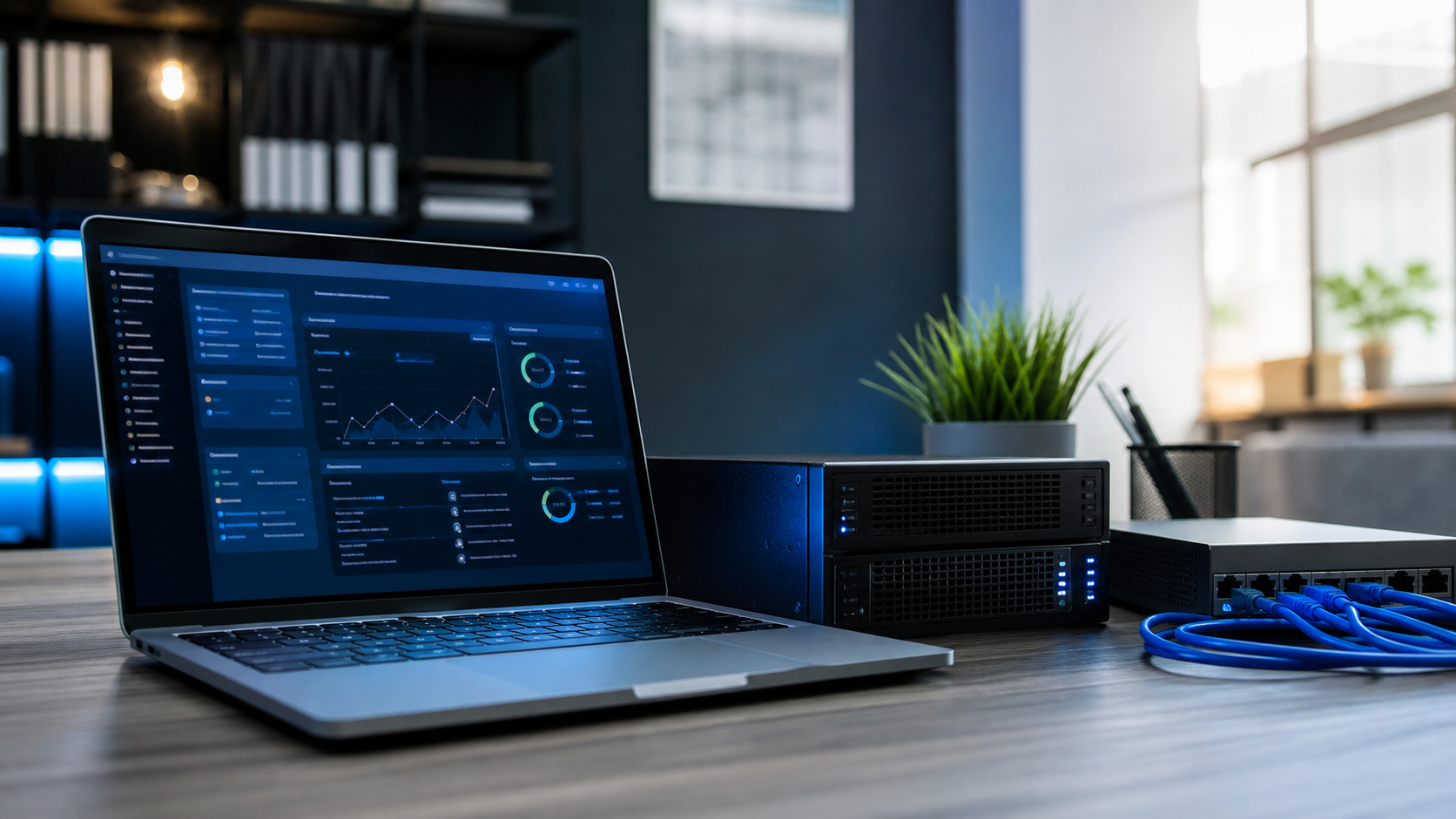
Ultra photorealistic edge cloud infrastructure hero image for Akamai Cloud Computing review

Quick Summary

Akamai Cloud Computing works best for Developers and teams needing cloud compute with predictable. Its main advantage is Low egress fees transparent usage pricing Kubernetes open, while the key caution is Requires cloud skills exact instance costs vary by region. It is worth shortlisting when capability, cost, setup effort, and support expectations line up.

8.3
Score
Best for: Hosting decisions

Pros & Cons

Akamai Cloud Computing strengths and limitations

These points highlight buyer-facing advantages and drawbacks, not review-method notes.

Pros

  • Low egress fees; transparent usage pricing; Kubernetes/open standards; distributed reach; Akamai security/delivery context

Cons

  • Requires cloud skills; exact instance costs vary by region/SKU; less hyperscaler-native breadth

Review Snapshot

Akamai Cloud Computing key details

These details affect cost, setup, daily use, support expectations, and shortlist decisions.

DetailAkamai Cloud Computing
ProductAkamai Cloud Computing
CompanyAkamai
CategoryVPS Hosting
Product typeVPS Hosting
Primary useDevelopers and teams needing cloud compute with predictable egress economics, distributed reach, and open-standard infrastructure
PricingOfficial Akamai Cloud pricing page states usage-based pricing, hourly billing up to a monthly cap, and egress overage at $0.005/GB. Distributed compute regions list egress at $0.01/GB
Plans / modelsService families include compute, storage, networking, Kubernetes, databases, and distributed compute. Exact compute instance family names and prices require regional table verification
Key advantageLow egress fees; transparent usage pricing; Kubernetes/open standards; distributed reach; Akamai security/delivery context
Main cautionRequires cloud skills; exact instance costs vary by region/SKU; less hyperscaler-native breadth
SupportSupport details not researched in depth
Review score8.3 / 10

Performance

How Akamai Cloud Computing performs in real use

This is a research-based review using product documentation, pricing notes, support information, and competitive context; no hands-on benchmark testing was supplied.

Core Results

Akamai Cloud Computing is strongest when low egress fees; transparent usage pricing; Kubernetes/open standards; distributed reach; Akamai security/delivery context. That matters most for buyers whose main vps hosting requirement depends on that capability, while requires cloud skills; exact instance costs vary by region/SKU; less hyperscaler-native breadth remains the main caution

Pricing And Value

Official Akamai Cloud pricing page states usage-based pricing, hourly billing up to a monthly cap, and egress overage at $0.005/GB. Distributed compute regions list egress at $0.01/GB Value is strongest for developers and teams needing cloud compute with predictable egress economics, distributed reach, and open-standard infrastructure; buyers should compare plan scope, add-ons, contract terms, support level, and renewal exposure before treating the headline price as total cost

Setup And Onboarding

Choose region, instance/storage/networking services, configure Kubernetes or VMs, set billing expectations, and integrate security/delivery where relevant Buyers should confirm required data, integrations, permissions, training, and launch support before rollout

Daily Use

Deploying workloads, scaling compute/storage, monitoring traffic/egress, managing Kubernetes, and integrating with Akamai security/delivery products The product is more convincing when routine tasks can stay inside the normal process without repeated manual reconciliation

Reporting And Controls

Recent official update references Cloud Pulse audit logs and alerts. Full monitoring details: Not deeply researched Built-in security and delivery are official positioning. Specific certifications not researched Teams with stricter oversight or compliance needs should verify those controls before purchase

Competitive Position

Competes with DigitalOcean, Vultr, OVHcloud Public Cloud, AWS/GCP/Azure edge workloads, and CDN/cloud hybrids A rival may be better when it addresses the main caution more directly


Score note: Score should reward transparent pricing/egress and platform reach while noting cloud-management complexity

Product Experience

What daily ownership looks like

Deploying workloads, scaling compute/storage, monitoring traffic/egress, managing Kubernetes, and integrating with Akamai security/delivery products

Buyer implication: Kubernetes, open standards, cloud APIs, storage, databases, networking, and Akamai security/delivery ecosystem

Setup & Onboarding

What to confirm before launching Akamai Cloud Computing

The setup question is whether the buyer can configure the product correctly, not just whether sign-up is simple.

  • Choose region, instance/storage/networking services, configure Kubernetes or VMs, set billing expectations, and integrate security/delivery where relevant
  • Service families include compute, storage, networking, Kubernetes, databases, and distributed compute. Exact compute instance family names and prices require regional table verification
  • Kubernetes, open standards, cloud APIs, storage, databases, networking, and Akamai security/delivery ecosystem
  • Support details not researched in depth

Real-World Use

Where Akamai Cloud Computing works best

Best Match

Akamai Cloud Computing makes sense for Developers and teams needing cloud compute with predictable egress economics, distributed reach, and open-standard infrastructure because low egress fees; transparent usage pricing; Kubernetes/open standards; distributed reach; Akamai security/delivery context.

Poor Match

Choose another option if simple websites, nontechnical buyers, teams standardized exclusively on AWS/Azure/GCP-native services. The main caution is requires cloud skills; exact instance costs vary by region/SKU; less hyperscaler-native breadth.

Value

Is Akamai Cloud Computing worth it?

Strong value for: Strong when egress predictability and distributed reach matter

Weak value for: Simple websites, nontechnical buyers, teams standardized exclusively on AWS/Azure/GCP-native services

Value judgment

Strong when egress predictability and distributed reach matter. Less strong for teams needing hyperscaler service depth

Price context: Official Akamai Cloud pricing page states usage-based pricing, hourly billing up to a monthly cap, and egress overage at $0.005/GB. Distributed compute regions list egress at $0.01/GB

FAQ

Akamai Cloud Computing FAQ

Short answers to practical buyer questions about cost, setup, limitations, daily use, and alternatives.

Who is Akamai Cloud Computing best for?

Akamai Cloud Computing is most compelling for technical teams that care about traffic cost, portability, and edge-adjacent cloud reach

What is the biggest reason to choose Akamai Cloud Computing?

Low egress fees; transparent usage pricing; Kubernetes/open standards; distributed reach; Akamai security/delivery context

What is the biggest drawback of Akamai Cloud Computing?

Requires cloud skills; exact instance costs vary by region/SKU; less hyperscaler-native breadth

How should buyers think about Akamai Cloud Computing pricing?

Official Akamai Cloud pricing page states usage-based pricing, hourly billing up to a monthly cap, and egress overage at $0.005/GB. Distributed compute regions list egress at $0.01/GB

What should be checked before setup?

Choose region, instance/storage/networking services, configure Kubernetes or VMs, set billing expectations, and integrate security/delivery where relevant

How does Akamai Cloud Computing work in daily use?

Deploying workloads, scaling compute/storage, monitoring traffic/egress, managing Kubernetes, and integrating with Akamai security/delivery products

Who should avoid Akamai Cloud Computing?

Simple websites, nontechnical buyers, teams standardized exclusively on AWS/Azure/GCP-native services

Does Akamai Cloud Computing deserve its Review Streets score?

Score should reward transparent pricing/egress and platform reach while noting cloud-management complexity

Alternatives

Best alternatives to Akamai Cloud Computing

Choose an alternative when it solves Akamai Cloud Computing's main limitation more directly, offers clearer value, or better matches the buyer's operating model.

Ultra photorealistic office hosting workstation hero image for Bluehost VPS review

Bluehost VPS

WordPress ecosystem

Consider Bluehost VPS if its pricing, support depth, integrations, or category focus address the main caution around Akamai Cloud Computing more directly.

Compare

Ultra photorealistic developer workspace hero image for Hostinger VPS review

Hostinger VPS

Budget VPS

Consider Hostinger VPS if its pricing, support depth, integrations, or category focus address the main caution around Akamai Cloud Computing more directly.

Compare

Ultra photorealistic managed hosting operations hero image for Liquid Web VPS Hosting review

Liquid Web VPS Hosting

Managed support

Consider Liquid Web VPS Hosting if its pricing, support depth, integrations, or category focus address the main caution around Akamai Cloud Computing more directly.

Compare

Sources

Akamai Cloud Computing sources and reference notes

The review uses product documentation, pricing context where available, support resources, and competitive research.

  • Sources checked: August 24, 2026
  • Akamai Cloud: distributed reach, open/portable, cost predictability, security/delivery positioning
  • Akamai Cloud Pricing: usage pricing, egress overage, distributed compute egress, hourly billing cap
  • Akamai Cloud August 2026 Updates: VPC ranges, SSO, Cloud Pulse logs/alerts, Kubernetes v1.34 update

Where to Buy

Akamai Cloud Computing

Pricing note: Official Akamai Cloud pricing page states usage-based pricing, hourly billing up to a monthly cap, and egress overage at $0.005/GB. Distributed compute regions list egress at $0.01/GB

Best use: Developers and teams needing cloud compute with predictable egress economics, distributed reach, and open-standard infrastructure

Check Current Price

Review Snapshot

Akamai Cloud Computing Snapshot

8.3VPS Hosting

Best for: Developers and teams needing cloud compute with predictable egress economics, distributed reach, and open-standard infrastructure

  • Low egress fees; transparent usage pricing; Kubernetes/open standards; distributed reach; Akamai security/delivery context
  • Requires cloud skills; exact instance costs vary by region/SKU; less hyperscaler-native breadth
  • Official Akamai Cloud pricing page states usage-based pricing, hourly billing up to a monthly cap, and egress overage at $0.005/GB. Distributed compute regions list egress at $0.01/GB

Top 10 List

See the best VPS Hosting right now

Compare the strongest options in this POS category before deciding whether Akamai Cloud Computing is the right fit.

View the Top 10

Compare Models

Compare this POS head-to-head

See how Akamai Cloud Computing stacks up against nearby systems for a fit for infrastructure-minded buyers who care about cloud compute options and global network reach more than beginner hosting simplicity., pricing, hardware, and daily workflow.

View Comparisons

Setup Checks You'll Want

  • Service families include compute, storage, networking, Kubernetes, databases, and distributed compute. Exact compute instance family names and prices require regional table verification
  • Choose region, instance/storage/networking services, configure Kubernetes or VMs, set billing expectations, and integrate security/delivery where relevant
  • Kubernetes, open standards, cloud APIs, storage, databases, networking, and Akamai security/delivery ecosystem
  • Support details not researched in depth

Tip: Confirm the plan, setup data, integrations, and support path before rollout.