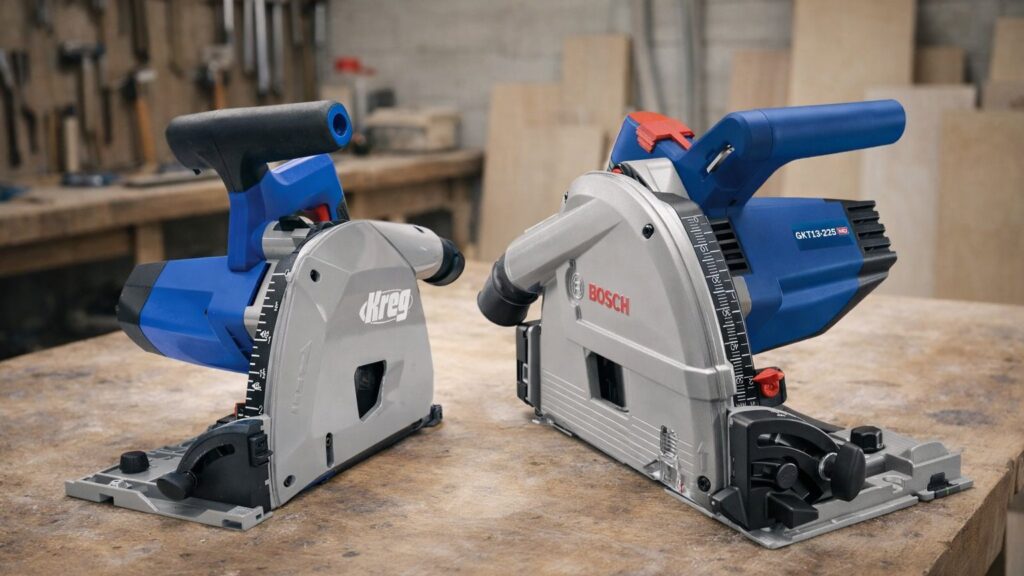
Anti-Kickback Track Saws vs Standard Track Saws: Key Differences Explained

Anti-kickback and standard track saws approach control and safety differently. This comparison examines how each behaves in real cutting conditions, highlighting tradeoffs in stability, usability, and user confidence.

By: Review Streets Research Lab
Updated: March 25, 2026
Approx. 10–12 min read
Anti-Kickback Track Saws vs Standard Track Saws: Key Differences Explained

Head-to-head

Anti-Kickback Track Saws vs Standard Track Saws: Key Differences Explained

A clean A/B view of what matters in real cutting work: safety behavior when the saw reacts to binding, cut control on the rail, workflow feel, simplicity, and which design makes more sense for different users and job demands.
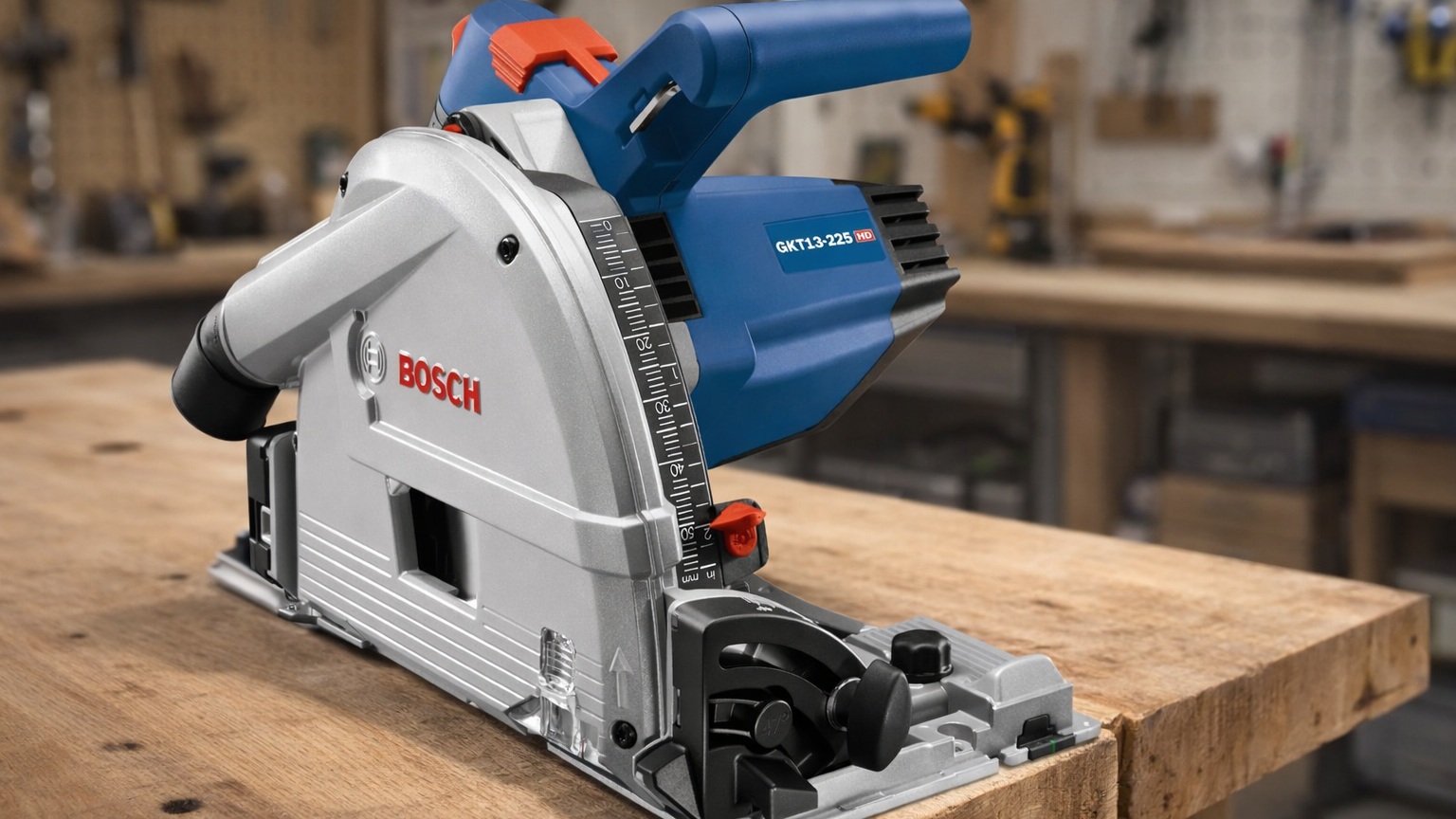
Anti-kickback track saw

Anti-kickback track saw

A more safety-focused track saw setup designed to reduce rearward motion when the cut gets unsettled. Best for users who value extra control and confidence when conditions become less predictable.

Score 9.0 Best for safety-focused cutting Battery corded or cordless Why buy added cut control
  • Feels more reassuring when the blade starts to bind or the cut line gets awkward
  • Useful for users who want another layer of protection during demanding plunge and rail cuts
  • Usually the better fit when confidence and control matter more than absolute simplicity
VS
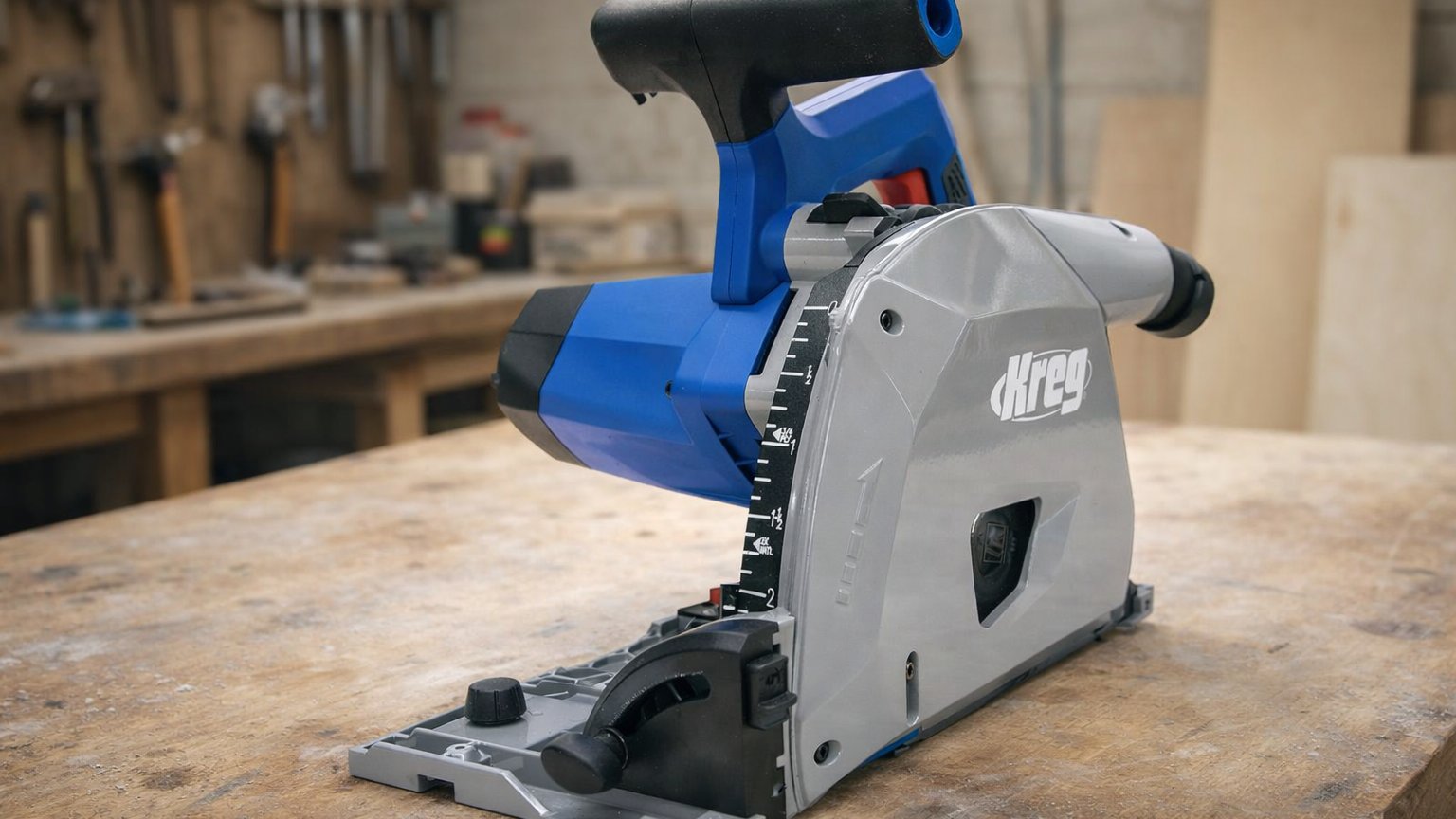
Standard track saw

Standard track saw

A simpler, more familiar track saw format that prioritizes straightforward operation and fewer added mechanisms. Best for experienced users who already manage cut setup and saw behavior confidently.

Score 8.5 Best for experienced users Battery corded or cordless Why buy simpler workflow
  • Often feels more direct and familiar if you already know how to manage plunge saw behavior
  • Can be easier to live with when you want fewer added systems between setup and cutting
  • Good fit for clean, repeatable work where technique and setup are already dialed in
Safety behavior during kickback risk
More controlled response
More user-dependent
Anti-kickback
Cut feel on routine straight work
Composed, slightly more managed
Direct and familiar
Standard
Ergonomics (feel + fatigue)
Confidence-focused feel
Simpler daily operation
Standard
Learning curve for newer users
More forgiving
Requires more technique awareness
Anti-kickback
Workflow simplicity
More mechanism involved
Simpler overall
Standard
Real-world context
This comparison reflects common design differences, professional feedback, and real-world use patterns to show where anti-kickback features add value and where standard setups still make sense.

Anti-kickback — Why people choose it

  • Extra reassurance when plunge cuts, dense material, or awkward positioning raise the chance of saw reaction
  • Better fit for users who prioritize control and safety behavior over the most stripped-down operating feel
  • Helpful when multiple skill levels may use the tool across a shop, crew, or rotating workflow

Standard — Why people choose it

  • Cleaner, more familiar workflow for users who already trust their technique and setup discipline
  • Less added complexity in the overall cutting experience (especially for routine straight cuts)
  • Still a strong professional option when the user values simplicity, consistency, and established habits
Verdict: Choose anti-kickback track saws if you want more protection against sudden saw reaction, especially for plunge work, challenging cuts, or crews with mixed experience levels. Choose standard track saws if you already have solid technique, prefer a simpler operating feel, and want a straightforward setup for repeatable professional cutting.
Read FAQs

Deep dive

What actually matters in this matchup

On paper, both track saw designs can deliver straight, clean cuts on a rail, but the meaningful difference is how they behave when the cut stops being ideal. This comparison is really about how much built-in protection you want when the saw reacts unexpectedly, how that affects day-to-day workflow, and whether added control or simpler operation matters more in the way you actually work.

When cut conditions are less predictable: anti-kickback designs tend to make more sense because they add reassurance during plunge cuts, dense sheet goods, awkward support setups, and situations where a saw reaction would be more disruptive.

When routine and speed matter most: standard track saws often feel more natural because there is less between the user and the cut, which can make repetitive straight work feel simpler and more direct once technique is already solid.

Over time: the better choice depends less on raw cutting ability and more on whether you value extra safety behavior built into the system or a cleaner, more familiar workflow that rewards confident setup and steady operating habits.

Methodology

How we evaluated these track saw designs

Our evaluation focused on real cutting situations that reveal meaningful differences between anti-kickback and standard track saws, not feature lists alone. Each design was assessed through practical use scenarios and interpreted with a context-aware approach that reflects how these saws are actually chosen and used.

Tasks: plunge cuts in sheet goods, long guided rip cuts, interrupted cuts, restart situations, and awkward-support setups to assess control, saw behavior, workflow confidence, and fatigue over repeated use.

What we scored: cut stability, user control during less-than-ideal conditions, ease of operation, consistency in routine work, build confidence, and the real ownership value of each design in day-to-day use.

How results are interpreted: outcomes are judged in practical context, recognizing that the value of added safety behavior, simpler workflow, and overall cut feel can shift depending on the user’s experience, work style, and cutting conditions.

What we ignored: marketing claims, isolated feature advantages, and any spec differences that do not consistently translate into repeatable real-world cutting behavior.

FAQ

Anti-kickback track saws vs standard track saws: Common questions

Do anti-kickback track saws actually make a difference in real use?
They can, especially when the cut becomes less predictable. In situations like plunge cuts, dense materials, or imperfect support, anti-kickback features can reduce how abruptly the saw reacts. In clean, well-supported cuts, the difference is often less noticeable.
Are standard track saws less safe to use?
Not necessarily. Standard track saws are widely used and safe when handled correctly, but they rely more on user technique and setup. The difference is that anti-kickback designs add an extra layer of protection rather than replacing proper handling.
Which option is better for beginners or occasional users?
Anti-kickback designs are often easier to get comfortable with because they provide more predictable behavior if something goes wrong. Standard models can feel just as capable, but they tend to reward more experience and consistent setup habits.
Does anti-kickback affect cutting performance or speed?
In most straight, controlled cuts, performance is similar. The difference shows up more in how the saw reacts under stress rather than how fast it cuts. Some users may notice a slightly more managed feel, but not a major change in output.
Which is better for repetitive, production-style work?
Standard track saws often feel more straightforward for repetitive cuts once technique is dialed in. Anti-kickback models can still perform well, but the added mechanisms may be more noticeable in workflows that prioritize speed and simplicity.
Is one type better for professional jobsite use?
Both are used professionally, but the better fit depends on priorities. Anti-kickback designs can be appealing where safety and consistency across different users matter, while standard designs often suit experienced users who prefer a simpler, more direct cutting feel.

Key Takeaways

  • Anti-kickback track saws prioritize controlled behavior when cuts become unpredictable, which can reduce stress in more demanding or less stable setups.
  • Standard track saws favor a simpler, more direct cutting experience, which often feels more efficient once technique and setup are already consistent.
  • The real difference is not cutting capability but how each design handles risk—built-in protection versus user-managed control.
  • Anti-kickback designs tend to feel more forgiving during plunge cuts and restarts, where saw reaction is more likely to occur.
  • Standard designs often integrate more naturally into fast, repetitive workflows where minimizing extra mechanisms can improve pace and familiarity.
  • Choosing between them depends less on performance and more on how much safety assistance versus workflow simplicity fits the way the saw will actually be used.

Verdict

Choosing Between Anti-Kickback and Standard Track Saws

This is a close comparison because both designs deliver similar cutting results. The decision comes down to how much built-in control you want when cuts become less predictable versus how much you value a simpler, more direct workflow during routine use.

#1 Winner

Anti-kickback track saw

Better choice when added safety behavior and control matter, especially in variable or demanding cutting conditions.

  • More controlled response when the saw encounters resistance or binding
  • Feels more reassuring during plunge cuts and less stable setups
  • Better fit when consistency across different users or experience levels matters

Runner-up

Jump to the Head-to-Head

Tip: If your cutting environment or experience level varies, built-in control features may matter more than raw simplicity over time.

Where to Buy

We prioritize reputable sellers, easy returns, and reliable availability.

Price checks happen regularly. Some links may earn a commission—never affects rankings.

Accessories You’ll Want

  • Track saw guide rail (essential for straight, repeatable cuts and getting the accuracy these saws are built around)
  • Rail connectors (helpful when joining shorter rails for longer sheet cuts or breaking down larger panels)
  • Replacement fine-finish blade (worth having for cleaner cuts in plywood, melamine, and other finish-sensitive materials)
  • Track clamps (adds security when the workpiece is slick, awkwardly supported, or likely to shift during the cut)
  • Dust extractor or vacuum adapter setup (improves visibility at the cut line and makes indoor or finish work easier to manage)

Tip: Check rail, clamp, and dust-port compatibility before buying—track saw accessories are not always interchangeable across brands or systems.