Apple Watch vs Garmin is a true head-to-head comparison, examining real-world performance, fitness tracking, battery life, and usability to highlight key differences and help you choose based on your priorities.

Reviews You Can Trust
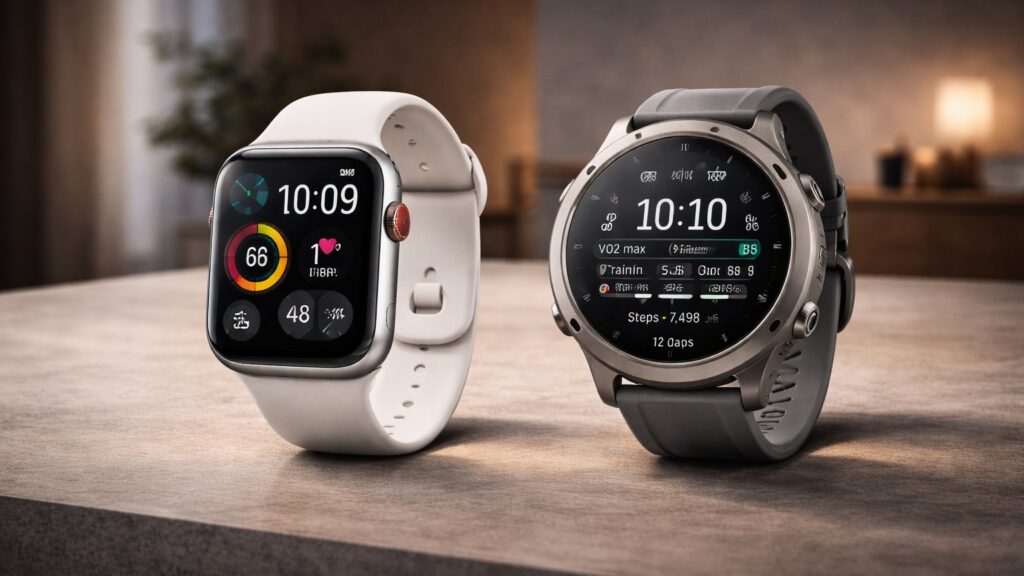
Head-to-head
Apple Watch vs Garmin: Which Is Better for Everyday Use and Serious Training?
A clean A/B view of what matters in real-world use: smartwatch polish, workout tracking depth, battery life between charges, comfort over long wear, and the tradeoffs between a lifestyle-focused platform and a training-first ecosystem.
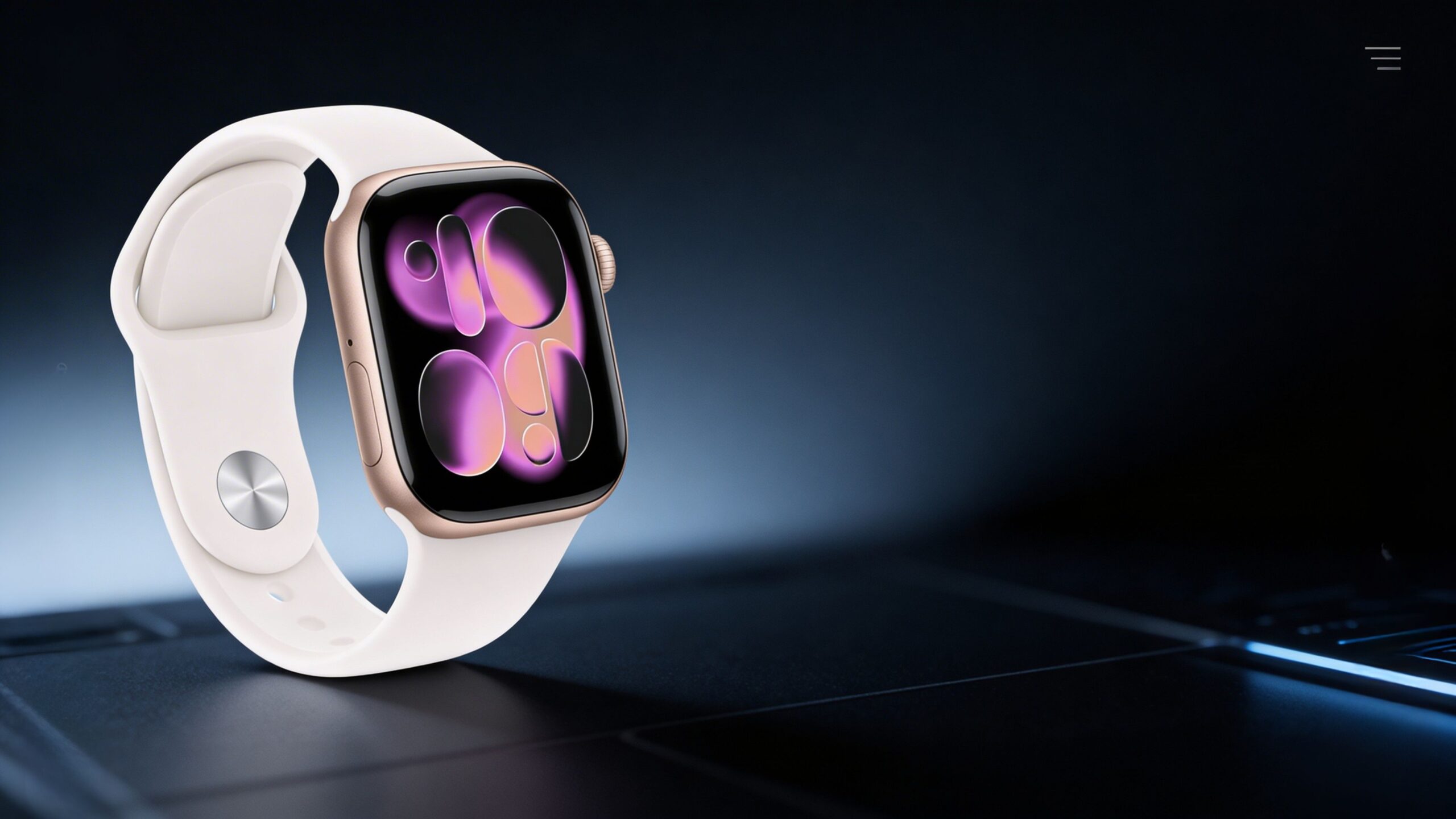
Apple Watch
A polished everyday smartwatch that blends health features, smart notifications, and app integration into a very easy daily-wear experience—best suited to iPhone users who want convenience as much as fitness tracking.
- Feels more seamless for calls, messages, apps, and day-to-day phone integration
- Stronger pick for users who want wellness tools without learning a training-heavy platform
- Best fit when smartwatch convenience matters as much as workout data
VS
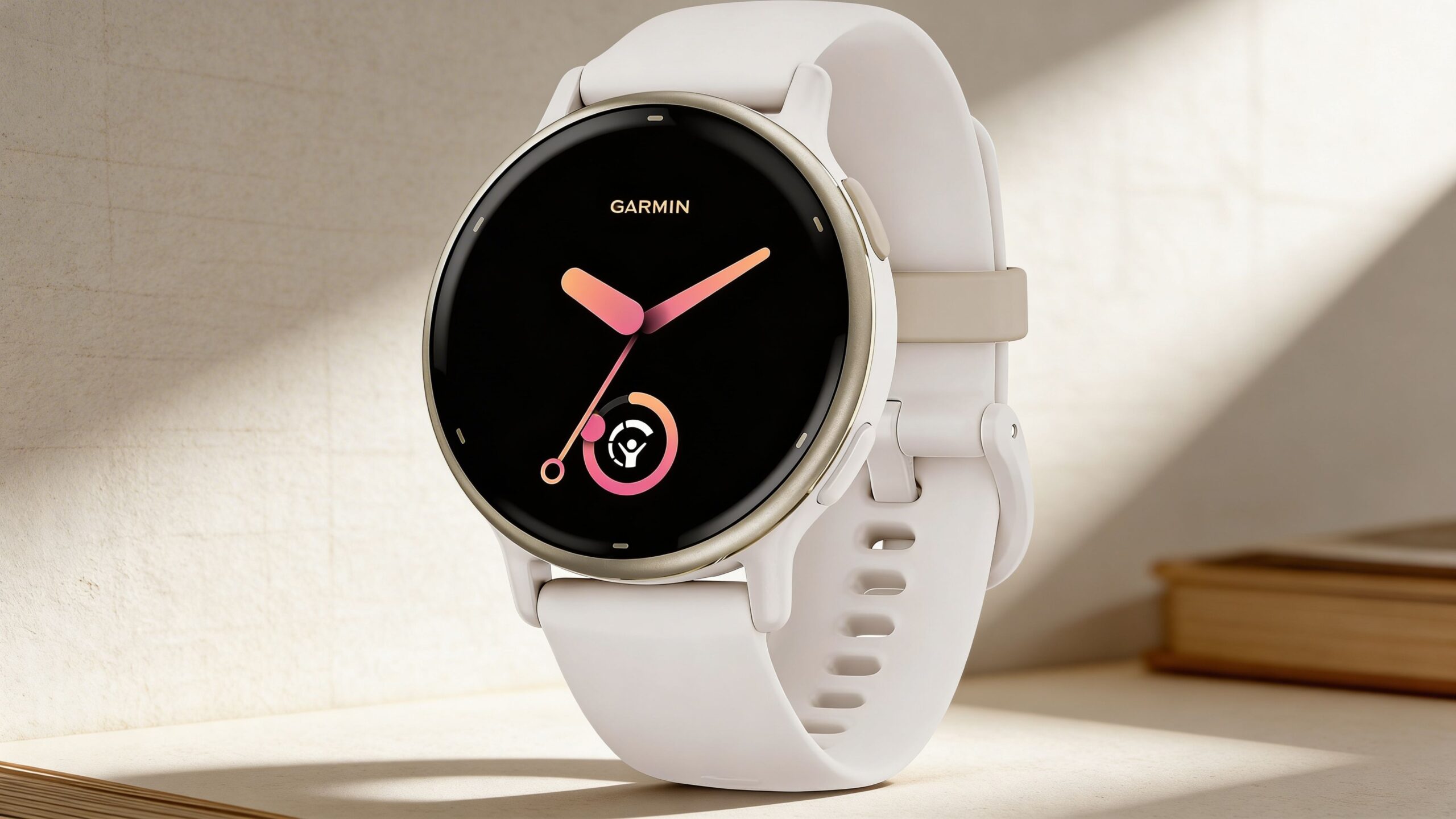
Garmin
A training-first wearable platform that prioritizes battery endurance, GPS depth, and performance metrics—better for runners, cyclists, outdoor users, and anyone who cares more about training feedback than app polish.
- Usually the stronger choice when long battery life and outdoor tracking are priorities
- Offers deeper training metrics and recovery insight for structured fitness goals
- Better suited to users who want the watch to support performance, not just notifications
Power under load
Faster smart features and smoother app feel
Less app-forward, more training-focused
Apple Watch
Control & clutch consistency
Clear, approachable fitness and health tools
Deeper data, more athlete-oriented controls
Garmin
Ergonomics (feel + fatigue)
Comfortable, sleek, easy for all-day wear
Varies by model, often more rugged on wrist
Apple Watch
Value (typical kit pricing)
Best value if smart features drive the purchase
Better value for serious training and battery life
Garmin
Battery ecosystem depth
Excellent apps and Apple ecosystem integration
Broader sport modes, GPS tools, and training depth
Garmin
Real-world context
This comparison reflects a synthesis of professional reviews, manufacturer data, long-term user feedback, and use-case patterns to highlight how each smartwatch platform typically performs in everyday life, fitness tracking, and longer-term ownership.
Apple Watch — Why people choose it
- More refined smartwatch experience for messages, calls, payments, and app use
- Easy learning curve for users who want health tracking without a training-heavy interface
- Strong fit for iPhone owners who want one device for wellness, communication, and convenience
Garmin — Why people choose it
- Longer battery life that better supports travel, racing, hiking, and multi-day wear
- Deeper training metrics for runners, cyclists, and data-driven fitness users
- Better pick when GPS accuracy, recovery insight, and sports depth matter more than app polish
Verdict: Choose Garmin if your decision is driven by training quality, longer battery life, outdoor tracking, and deeper performance insight. Choose Apple Watch if you want the stronger everyday smartwatch experience, smoother iPhone integration, and a more convenient blend of communication, wellness, and casual fitness features.