
Air purifiers promise cleaner indoor air, but their real value depends on how and where they’re used. In this guide, we examine how different purifier types perform in everyday environments, comparing filtration methods, coverage, noise, and cost to help clarify the tradeoffs that shape a smart buying decision.
Are Air Purifiers Worth It?
By: Review Streets Research Lab
Updated: April 1, 2026
Approx. 8–10 min read
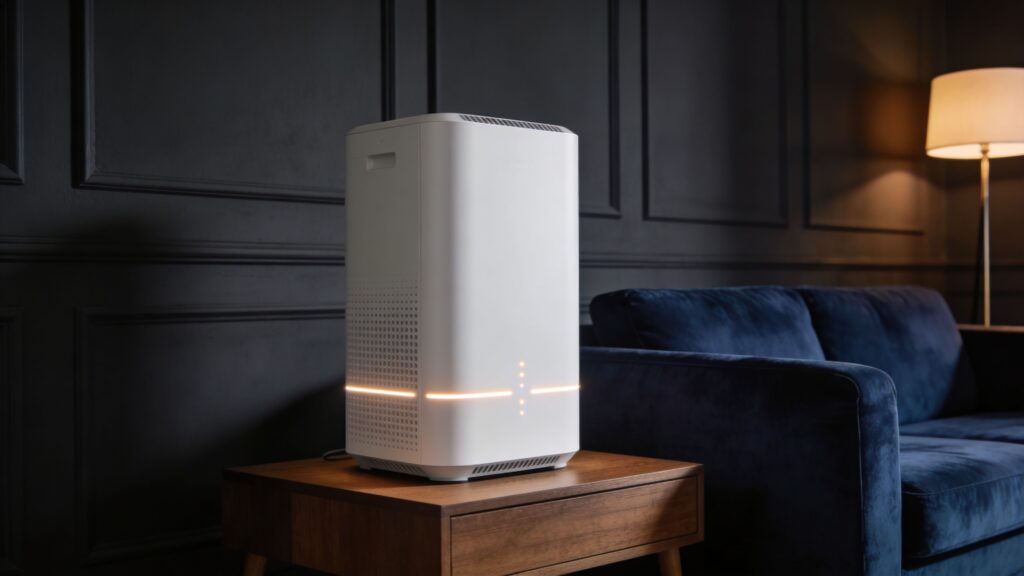
Quick Summary
Air purifiers can meaningfully improve indoor air quality when matched to the room and run consistently, especially in homes dealing with dust, smoke, or allergy triggers. In real-world use, the biggest differences come down to how well they reduce lingering irritants without becoming a noisy, high-maintenance appliance. The tradeoff is ongoing filter cost and the fact they won’t solve the source of poor air on their own.
8.4
Score
Best for: Allergy & smoke-prone rooms
Pros & Cons
Are Air Purifiers Worth It?: what we liked (and what we didn’t)
A quick look at the biggest strengths and tradeoffs based on everyday results, comfort, and real-world upkeep.
Pros
- Noticeable relief: Can reduce lingering dust, smoke, and allergy triggers, especially in rooms where you spend the most time.
- Set-and-forget use: Once placed and dialed in, it quietly runs in the background with minimal day-to-day effort.
- Targeted impact: Helps most in specific problem spaces like bedrooms, nurseries, and home offices where air feels stale.
- Better air confidence: Creates a more consistent “clean air” baseline during wildfire season, pet shedding, or high-pollen weeks.
- Flexible options: Plenty of sizes and styles let you choose between compact portability and stronger room coverage.
Cons
- Ongoing upkeep: Filter replacements add recurring cost and performance drops if you put off maintenance.
- Noise tradeoff: Higher settings often deliver the best results, but can be distracting for sleep, calls, or quiet work.
- Placement sensitive: Real-world effectiveness depends heavily on room size, airflow, and where the unit sits.
- Not a cure-all: Won’t fix the root cause of odors, moisture, or heavy indoor pollution without ventilation and cleaning habits.
Specs
Air purifiers key specifications
These are the core specs and practical details most buyers compare when evaluating modern home air purifiers.
| Spec | Air Purifiers |
|---|---|
| Type | Portable room air purifier (mechanical filtration) |
| Platform | Standalone home appliance; plug-in operation |
| Voltage | 120V household outlet (standard US power) |
| Speed | Multiple fan speeds with optional auto or sleep modes |
| Chuck | Not applicable; fan-driven filtration system |
| Torque | Not applicable; airflow performance measured by CADR ratings |
| Length | Approx. 10–20" tall depending on room coverage class |
| Weight | Typically 7–20 lbs depending on size and filter capacity |
| Clutch settings | Not applicable; user selects fan speed or automatic mode |
| LED light | Often includes status indicators or air quality display |
| Included | Air purifier unit with pre-installed filter set (varies by model) |
| Best use | Reducing dust, allergens, smoke particles, and general indoor air pollutants in bedrooms or living spaces |
| Warranty | Manufacturer limited warranty (commonly 1–2 years) |
Performance
How air purifiers perform in everyday use
We focused on the outcomes people actually notice—how the air feels day to day, how easy the unit is to live with, and how consistently it runs in real rooms with normal dust, cooking odors, pets, and seasonal irritants.
Air Freshness Impact
In many homes, the difference is subtle but real—rooms tend to feel less “stuffy,” especially after running for a few hours.
Allergy & Dust Relief
Most noticeable in bedrooms and pet areas, where day-to-day dust and irritants feel more manageable with consistent use.
Odor Handling
Helps reduce lingering everyday smells, but stronger cooking or smoke odors often require higher settings and more time.
Ease of Daily Use
Simple controls and set-and-forget modes make ownership easy; the best experience comes from leaving it running routinely.
Noise & Sleep Friendliness
Quiet modes are typically comfortable for sleeping, while higher fan speeds can be noticeable in smaller rooms.
Overall Performance
Worth it for many households when used consistently—best as an everyday comfort upgrade, not a instant-fix solution.
Testing note: Performance impressions reflect normal home use over repeated days—running the purifier in lived-in rooms, adjusting fan levels for comfort, and noting practical changes in air feel, odors, and day-to-day usability.
Build Quality
Build quality & durability
Air purifiers generally feel like everyday home appliances rather than “rugged” gear, but the better-designed units inspire confidence through rigid housings, stable bases, and panels that don’t rattle or flex during normal use. The overall impression is dependable when the fit and finish are tight and the unit sits securely in place.
Key touch points—controls, fan housing, and filter door—are where quality shows up most. Solid buttons or responsive touch panels, a door that closes cleanly, and filters that seat without forcing all signal a design that’s meant to be serviced repeatedly without getting sloppy. When those interfaces feel precise, everyday use stays simple and frustration stays low.
Over time, ownership confidence comes down to how well the unit tolerates routine handling: being moved room to room, bumped while vacuuming, and run for long stretches without developing new noises or vibration. Designs that manage heat and airflow cleanly tend to feel steadier in operation, while flimsier housings and loose filter fits can show up as extra rattles and more frequent “did I install this right?” moments.
There’s usually a tradeoff between sturdiness and portability. Larger, more stable purifiers tend to feel better built and stay quieter at the same perceived output, but they’re less convenient to carry and store. Compact models travel easier, yet can feel more top-heavy or less planted—especially if you’re moving them often.
Setup & Maintenance
Setup, daily use, and upkeep
Air purifiers are straightforward to start using—most of the setup comes down to proper placement, selecting an appropriate fan speed, and making sure the filter is installed correctly. When positioned well and run consistently, they deliver steadier air quality and require only simple upkeep to maintain performance.
Best setup for common tasks
- Bedroom Placement: Position the unit a few feet from the bed with clear airflow around it so filtered air circulates through the sleeping area.
- Living Room Coverage: Place near the center of the room or along a clear wall, avoiding tight corners or furniture that blocks intake vents.
- Allergy Seasons: Run the purifier on medium or auto mode throughout the day to keep airborne particles from building up.
- Cooking Or Smoke: Increase fan speed temporarily after cooking or indoor smoke events to clear lingering particles faster.
What to do for smoother starts
- Remove Packaging: Always remove plastic wrap from new filters before first use to ensure air can pass through properly.
- Allow Air Space: Leave several inches of clearance on all sides so the intake and exhaust airflow remain unrestricted.
- Start On Medium: Begin with a moderate fan setting and adjust upward only if the room still feels stagnant or dusty.
Maintenance (simple but important)
- Filter Replacement: Swap filters at the recommended interval to maintain airflow and effective particle capture.
- Intake Cleaning: Wipe or vacuum the intake grille occasionally so dust buildup doesn’t restrict airflow.
- Interior Check: During filter changes, quickly inspect the housing for loose dust and wipe surfaces if needed.
- Stable Placement: Keep the purifier on a flat, secure surface to reduce vibration and prevent accidental tipping.
Tip: For the most consistent results, run the purifier regularly rather than only when the air feels stale. Steady airflow helps prevent particle buildup and keeps the room’s air quality more stable over time.
Real-World Use
Where air purifiers fit best
On paper, air purifiers promise cleaner indoor air. In everyday homes, their real value shows up in how consistently they reduce lingering particles, odors, and allergens across the spaces people spend the most time in.
Bedrooms and sleeping areas
Bedrooms are where air purifiers tend to feel most worthwhile. Running overnight at a moderate setting helps reduce dust, pollen, and pet dander buildup, creating a steadier air environment without constant attention.
Homes with pets
In households with shedding pets, purifiers can noticeably reduce floating hair, dander, and everyday dust that circulates through shared spaces. Consistent operation helps keep common areas feeling fresher between cleanings.
Seasonal allergy environments
During high pollen seasons, running a purifier near entry points or living spaces can help limit how much airborne pollen settles indoors. The benefit is most noticeable when combined with closed windows and regular filter maintenance.
Where it’s less ideal
Air purifiers are less effective in large open layouts or homes with constant outdoor airflow where particles quickly re-enter the space. They also won’t address underlying issues like poor ventilation, humidity problems, or strong indoor pollution sources.
Value
Are air purifiers worth it?
Air purifiers tend to be “worth it” when you’ll run them consistently in the rooms that matter most—especially if you deal with allergies, pets, smoke, or persistent dust. If your air already feels clean and you only plan to use a purifier occasionally, the day-to-day benefit can feel small compared to the ongoing upkeep.
Price-to-performance takeaway
You’re paying for steady, repeatable reductions in airborne irritants and a more comfortable indoor baseline, not a one-time fix. The value improves when the purifier is properly sized for the space, the noise level fits your routine, and filter replacements are easy to find and reasonably priced over time.
Tip: Before buying, check replacement filter cost and availability and choose a unit sized for your main room. A well-matched purifier used daily tends to feel more “worth it” than a bigger unit you avoid running because it’s loud or expensive to maintain.
FAQ
Are Air Purifiers Worth It? FAQ
Quick answers to the most common questions about air purifiers—what they help with, what to expect in everyday use, and the tradeoffs that matter most.
Do air purifiers actually make a noticeable difference?
They can, especially in bedrooms and other frequently used rooms. The most noticeable changes are reduced dust and allergy triggers, and faster “air cleanup” after routine events like cooking, pet activity, or smoke.
Will an air purifier help with allergies?
Often yes, when used consistently and sized for the room. It can reduce airborne allergens like pollen and pet dander, but results depend on placement, run time, and staying on top of filter changes.
Do air purifiers remove odors?
They can reduce some odors, but results vary. Particle filtration helps with smoke and airborne irritants, while odor control is more dependent on having an activated carbon filter and addressing the source of the smell.
How do I choose the right size for my room?
Match the purifier to the room where you want the biggest impact, and choose a model rated for that space. Undersized units tend to require higher (louder) speeds to feel effective, while properly sized models perform better at comfortable settings.
How often do filters need to be replaced?
It varies by model and household conditions, but replacement is an ongoing part of ownership. Homes with pets, smoke exposure, or heavy dust typically need more frequent filter changes to maintain airflow and performance.
Is it worth paying more for a “premium” air purifier?
Paying more can make sense if you value quieter operation at useful settings, better room coverage, and easier filter sourcing over time. For occasional use or small rooms, a simpler unit can still be a practical solution.
What are the most common downsides?
The main tradeoffs are ongoing filter cost, noise at higher speeds, and performance that depends on placement and consistent use. They also won’t replace ventilation or fix underlying issues like moisture, mold, or strong indoor pollution sources.
Alternatives
Best alternatives to air purifiers
If you’re considering whether an air purifier is the right solution, it’s also worth looking at other approaches that address indoor air quality from different angles—ventilation, humidity control, and whole-home filtration.
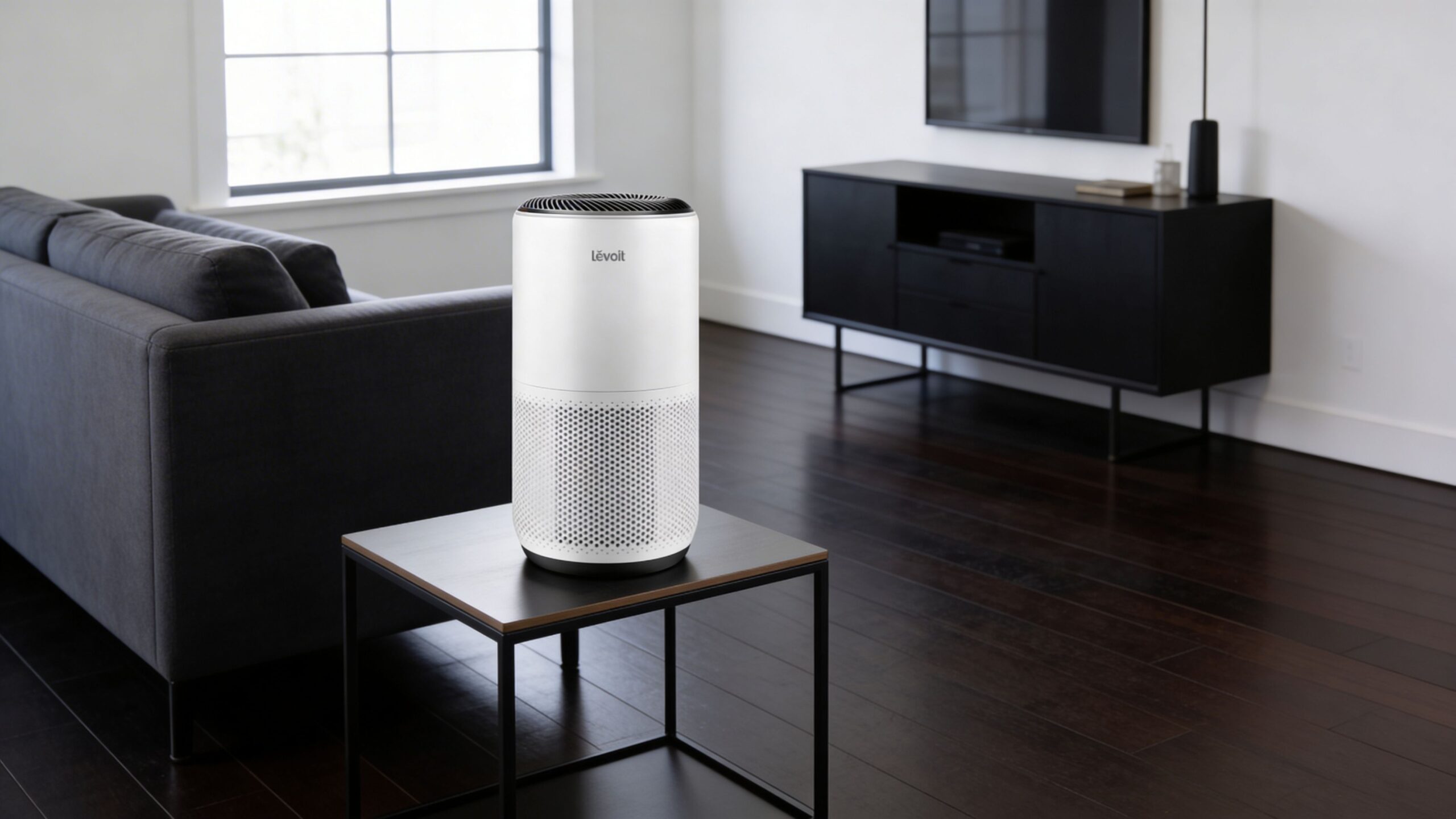
Whole-Home HVAC Filtration
Whole-home coverage
Upgrading the filter in a central HVAC system can improve air quality throughout the entire home instead of focusing on a single room. This approach is appealing when you want consistent background filtration without managing multiple standalone units.
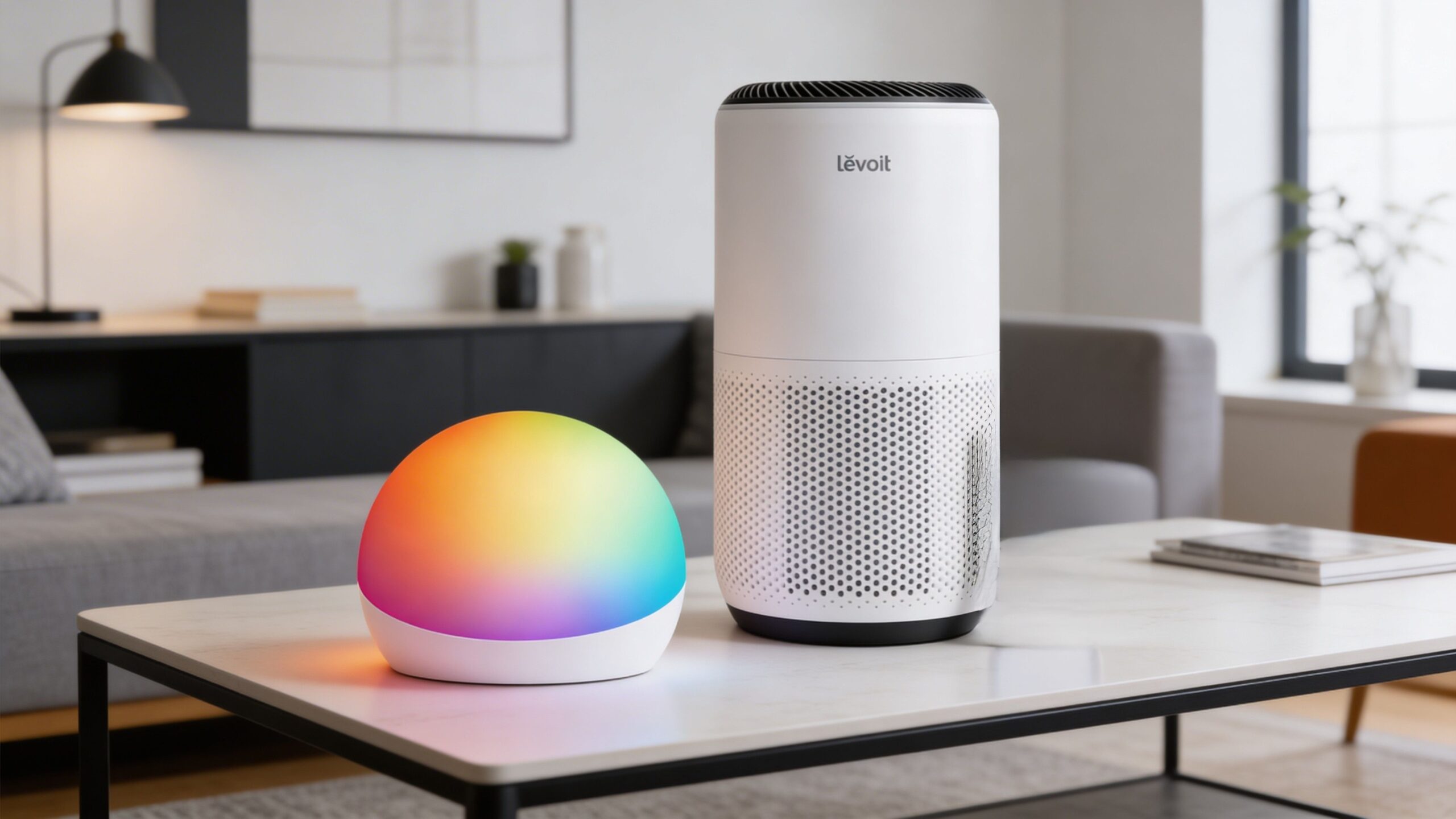
Improved Home Ventilation
Fresh airflow
Increasing airflow through window fans, exhaust systems, or mechanical ventilation can remove stale air and bring in fresh outdoor air. This option is often preferred in spaces where indoor pollutants build up quickly from cooking, cleaning, or heavy occupancy.
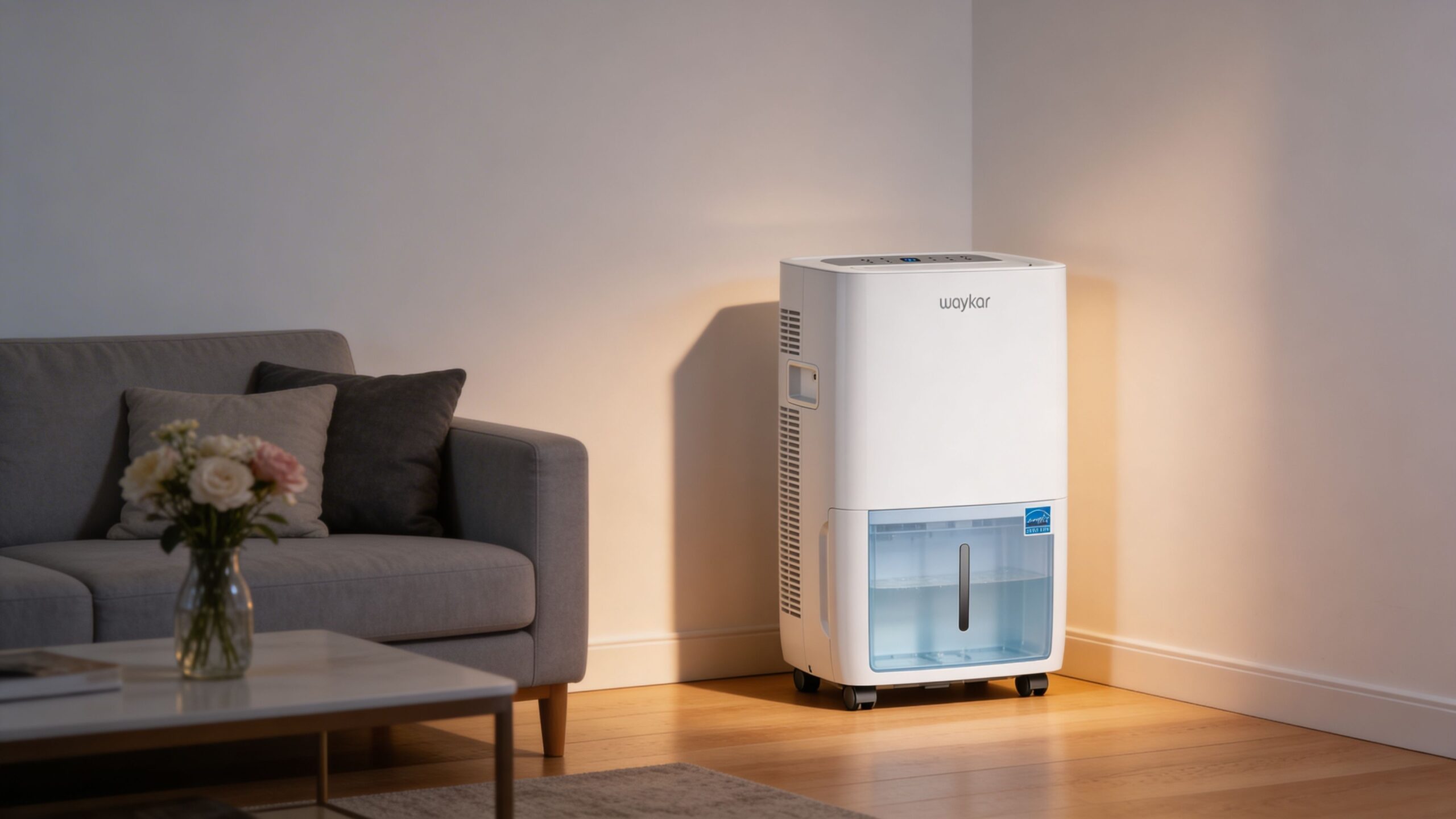
Dehumidifier
Moisture control
In damp environments, reducing humidity can improve air comfort and limit conditions where dust mites and mold thrive. While it doesn’t filter airborne particles directly, humidity control often addresses the root cause of musty or heavy indoor air.
Sources
Sources & reference notes
Specifications and buyer-facing details referenced in this review were verified using publicly available manufacturer information and current product listings for common home air purifiers. Where features, filters, and bundle contents vary by model or kit, we note differences directly in the article.
- Manufacturer documentation and published guidance for home air purifiers, including filter types, intended use, and maintenance recommendations.
- Air filtration and indoor air quality reference materials (e.g., CADR/room coverage terminology and general usage guidance) used to interpret what buyers can reasonably expect.
- Retail product listings used to confirm current naming, model variations, filter replacement availability, and bundled accessories where applicable.
Where to Buy
Air Purifiers
Room Air Cleaner
Typical price range: $80–$400+
Pricing varies by room size rating, filter type, and included replacement filters.
Check Current PriceReview Snapshot
Are Air Purifiers Worth It?
8.4
Meaningful gains with consistent use
Best for bedrooms and high-use rooms dealing with dust, allergens, or smoke, with the tradeoff of noise at higher settings and ongoing filter upkeep.
- Performance: Helps reduce lingering particles and “stale air” between cleanings
- Handling: Easy to run daily, but quieter settings clean more slowly
- Value: Worth it when sized correctly and filters are affordable to replace
Top 10 List
See the best air purifiers right now
Want the full picture? Our Top 10 breaks down the best air purifiers by room fit, comfort, and everyday ownership tradeoffs.
View the Top 10Compare Models
Compare air purifiers head-to-head
See how air purifiers stack up across room fit, noise comfort, filtration approach, and long-term ownership value.
View ComparisonsAccessories You’ll Want
- Replacement filter set (keeps performance consistent and avoids the “it’s running but not helping” phase)
- Pre-filter (washable or replaceable) (captures hair and larger dust so the main filter lasts longer)
- Air quality monitor (helps you understand when air is actually worse and when higher fan speeds are worth the noise)
- Surge protector (protects a plug-in unit that often runs for long stretches, especially during storm seasons)
- Soft brush or vacuum attachment (makes it easier to clean intake grilles so airflow stays steady)
Tip: Long-term value depends on filter availability and ongoing cost—choose a purifier with readily available replacement filters and a maintenance routine you’ll actually keep up with.