
Robot vacuums promise convenient, automated cleaning, but their real value depends on performance, home layout, and expectations. This evaluation looks at how these devices compare with traditional vacuums in everyday use, examining cleaning effectiveness, navigation, maintenance demands, and practical tradeoffs to determine whether the convenience truly justifies the investment.
Are Robot Vacuums Worth It?
By: Review Streets Research Lab
Updated: April 1, 2026
Approx. 8–10 min read
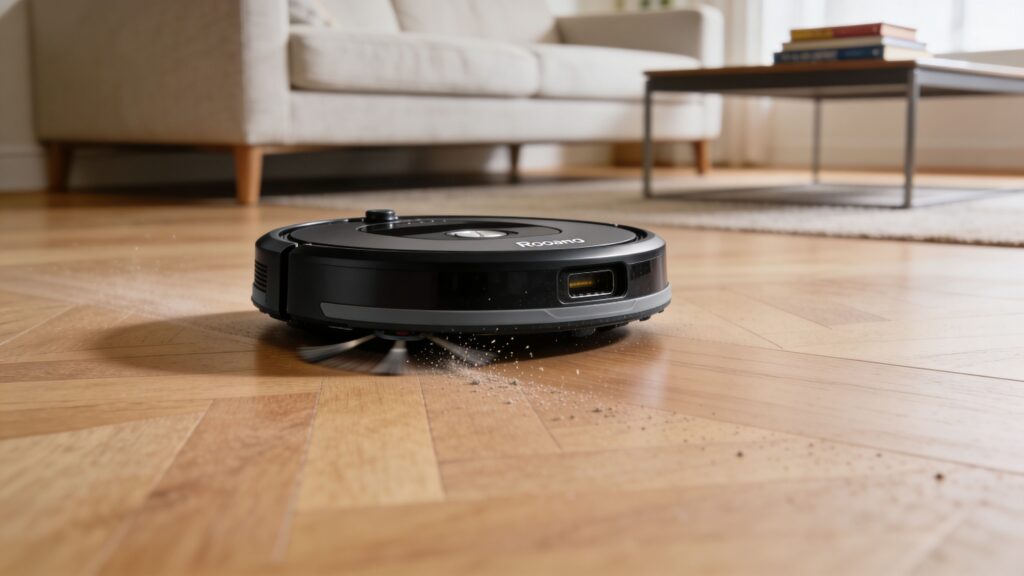
Quick Summary
Robot vacuums deliver real day-to-day convenience by keeping floors consistently cleaner with minimal effort, especially in homes with hard surfaces, pets, and regular foot traffic. In real-world use, the best models feel dependable and low-drama, but they still trade deep-clean power for autonomy and require routine upkeep and occasional intervention.
8.3
Score
Best for: Daily maintenance cleaning
Pros & Cons
Robot Vacuums: what we liked (and what we didn’t)
A quick look at the biggest strengths and tradeoffs based on cleaning results, day-to-day upkeep, and everyday usability.
Pros
- Hands-Off Upkeep: Keeps daily dust and crumbs under control with minimal effort once it’s set up.
- Consistent Routine: Regular scheduled runs reduce the “big mess” feeling between deep cleans.
- Great For Pets: Helps manage shed hair on hard floors and low-pile rugs when used frequently.
- Smart Navigation: Better models avoid common obstacles and cover rooms more predictably than older random-bump designs.
- Time Back: Frees you from frequent quick vacuuming, especially in kitchens, entryways, and high-traffic zones.
Cons
- Deep-Clean Limits: Still doesn’t match an upright for heavy carpet, edges, and ground-in debris.
- Prep Still Matters: Cords, clutter, and small items can interrupt runs and require some floor discipline.
- Ongoing Maintenance: Brushes, bins, and filters need routine cleaning to keep performance steady.
- Value Depends: The convenience can be worth it, but cheaper models often feel less reliable and more hands-on.
Specs
Robot vacuums key specifications
These are the core specs and practical details most buyers compare when evaluating modern robot vacuum models.
| Spec | Robot Vacuums |
|---|---|
| Type | Autonomous robotic vacuum cleaner |
| Platform | Manufacturer ecosystem with mobile app control |
| Voltage | Rechargeable lithium-ion battery system |
| Speed | Automated cleaning cycles with adjustable suction modes |
| Chuck | Not applicable (brush and suction-based cleaning system) |
| Torque | Not applicable; suction measured in airflow or Pa (varies by model) |
| Length | Approx. 12–14" diameter, low-profile design |
| Weight | Approx. 6–10 lb depending on model and features |
| Clutch settings | Not applicable; uses automatic suction and surface detection |
| LED light | Status indicators; some models include mapping sensors or cameras |
| Included | Robot vacuum unit, charging dock, filters, and side brushes |
| Best use | Routine floor maintenance for hard floors, low-pile carpet, and pet hair |
| Warranty | Typically 1-year manufacturer warranty (varies by brand) |
Performance
How robot vacuums perform
We evaluated everyday pickup on mixed floors, how well the robot navigates furniture and thresholds, the hands-off experience over weeks of use, and the real maintenance burden—based on normal living, not controlled testing.
Debris Pickup
Strong on dust and crumbs in open areas, but edges and deep carpet still need occasional touch-ups.
Navigation & Coverage
Generally maps and covers rooms well, with some misses around tight chair legs and cluttered zones.
Obstacle Avoidance
Handles most furniture confidently, but cords, small toys, and low rugs can still cause hang-ups.
App Control & Scheduling
Scheduling and room-based cleaning are easy once set up, and quick-start cleans fit naturally into daily routines.
Noise & Maintenance
Noticeable while running and still requires regular bin emptying and brush cleanup, especially with pets.
Overall Performance
Delivers real daily cleanliness with minimal effort, but it works best as a maintenance cleaner—not a full replacement for deep vacuuming.
Testing note: Performance observations reflect repeat-use impressions from typical home cleaning—mixed flooring, common clutter, and routine scheduling—along with what maintenance and reliability feel like over time.
Build Quality
Build quality & durability
A well-made robot vacuum feels sturdy and composed in everyday handling, with a body that doesn’t creak, a bumper that absorbs routine taps, and a dock connection that consistently lines up without fuss. The overall impression should be “set it and forget it” rather than something you have to baby between runs.
Key contact points—dust bin latch, brush housing, side brushes, and charging contacts—are where quality shows up fastest. Better designs click together cleanly, resist wobble, and don’t feel finicky when you’re emptying the bin or pulling hair off a roller, which helps the whole ownership routine stay quick and predictable.
In normal household use, durability is less about surviving abuse and more about staying consistent: wheels that keep traction, brushes that don’t constantly jam, and sensors that remain reliable as the unit collects dust over time. Models that handle thresholds smoothly and recover from minor bumps tend to inspire more confidence week after week.
The tradeoff is that stronger navigation hardware and self-empty features can add complexity and more parts to maintain, while simpler robots can feel easier to live with but less capable in tricky homes. For most buyers, the “right” durability is the one that matches how busy the floors are and how hands-off you expect cleaning to be.
Setup & Maintenance
Setup, daily use, and upkeep
Robot vacuums work best when the environment is prepared and the cleaning routine is consistent. Most setup involves placing the dock in an open area, connecting the app for mapping and scheduling, and letting the robot learn the layout so it can clean efficiently with fewer interruptions.
Best setup for common tasks
- Dock Placement: Position the charging base against a wall with clear space on both sides so the robot can align and dock reliably.
- Initial Mapping: Run a full cleaning cycle first so the robot can map rooms and furniture before scheduling regular runs.
- Clutter Control: Pick up cords, small toys, and loose items before runs to prevent interruptions and improve coverage.
- Routine Scheduling: Set regular cleaning times so the robot maintains floors consistently rather than tackling heavy buildup.
What to do for smoother starts
- Clear Pathways: Keep common travel areas open so the robot moves efficiently between rooms without repeated detours.
- Use Room Zones: Configure app zones or virtual boundaries to focus cleaning where traffic and debris build up most.
- Start With Empty Bin: Begin cycles with an empty dust bin so suction and airflow stay steady through the full run.
Maintenance (simple but important)
- Empty Dust Bin: Dump debris regularly to maintain suction and prevent the robot from cutting runs short.
- Brush Cleaning: Remove wrapped hair and threads from the main brush and side brushes to keep pickup consistent.
- Filter Care: Tap out or replace filters periodically so airflow stays strong and fine dust doesn’t clog the system.
- Sensor Wipe: Clean navigation sensors and charging contacts with a dry cloth to help the robot navigate and dock reliably.
Tip: Give the robot a quick walkthrough before scheduled runs—clear small obstacles, check the brushes, and make sure the dock area is open. A little preparation helps the robot complete full cleaning cycles with fewer stops and better coverage.
Real-World Use
Where robot vacuums fit best
On paper, robot vacuums promise automated cleaning. In everyday homes, their value shows up in how consistently they maintain floors between deeper cleanings, reducing how often manual vacuuming becomes a chore.
Daily floor maintenance
Robot vacuums work especially well as a routine maintenance tool. Scheduled runs help control dust, crumbs, and everyday debris so floors stay consistently cleaner without needing frequent manual passes.
Homes with pets
In households with shedding pets, frequent automated cleaning can make a noticeable difference. Regular cycles keep hair from accumulating in corners and along walls, reducing the need for constant touch-up vacuuming.
Busy households
When schedules are packed, the convenience factor becomes the biggest benefit. A robot vacuum can quietly run while the home is empty or during low-traffic hours, helping maintain a baseline level of cleanliness with minimal effort.
Where it’s less ideal
Robot vacuums are less effective when heavy debris, deep carpet cleaning, or tight edges are the priority. In those situations, a traditional upright or stick vacuum still delivers faster, more thorough results.
Value
Is a robot vacuum worth it?
A robot vacuum tends to be “worth it” when you value consistent day-to-day cleanliness and want to reduce how often you manually vacuum—especially in busy homes with hard floors, pets, or steady foot traffic. If you mainly need occasional deep cleans or have a small space you can vacuum quickly, the payoff is usually smaller.
Price-to-performance takeaway
You’re paying for automation, routine consistency, and less mental load—plus better navigation and fewer interruptions on higher-quality models. The best value shows up when the robot can run frequently without getting stuck, and when ownership effort stays low enough that it actually replaces a chunk of your manual vacuuming.
Tip: Decide how hands-off you want the experience before you buy. Models with stronger navigation and, if desired, self-empty docks cost more, but they’re more likely to stay in regular rotation and deliver the “set it and move on” benefit.
FAQ
Robot Vacuums FAQ
Quick answers to the most common questions about robot vacuums—what to expect in daily use, where they fit best, and the tradeoffs that matter before you buy.
Do robot vacuums actually clean well?
Many do a solid job on everyday dust, crumbs, and pet hair—especially on hard floors and low-pile rugs. They’re typically better at maintenance cleaning than replacing a deep-clean with a full-size vacuum.
Will it work in a home with pets?
Yes, but results vary by home and routine. Robot vacuums can reduce visible hair buildup when they run frequently, though brushes and filters may need more regular cleaning in high-shedding households.
Can a robot vacuum replace a traditional vacuum?
For most homes, it replaces some vacuuming, not all of it. It can keep floors consistently presentable, but edge cleaning, thicker carpet, and occasional deep cleans still favor a stick or upright.
What kind of homes benefit most?
Homes with hard flooring, steady foot traffic, and enough open space for the robot to navigate tend to see the biggest benefit. Regular schedules work best when the floors stay relatively clutter-free.
Is it overkill for small apartments?
It can be, depending on your habits. If your space is small and easy to vacuum quickly, the convenience payoff may be limited. If you prefer “always tidy” floors and hate routine vacuuming, it can still make sense.
Should I buy a self-empty model?
Self-empty docks can reduce day-to-day effort, especially with pets or frequent runs. The tradeoff is higher cost and another component to maintain, so it’s most valuable when you prioritize low-touch ownership.
What are the most common downsides?
The biggest issues are upkeep and interruptions: clearing hair from brushes, emptying bins, and occasional stuck events around cords or tight furniture. Lower-end models can also feel less predictable and require more babysitting.
Alternatives
Alternatives to robot vacuums
If the convenience of a robot vacuum sounds appealing but the tradeoffs don’t fully fit your home, there are a few practical alternatives worth considering—each offering a different balance of cleaning power, control, and daily effort.
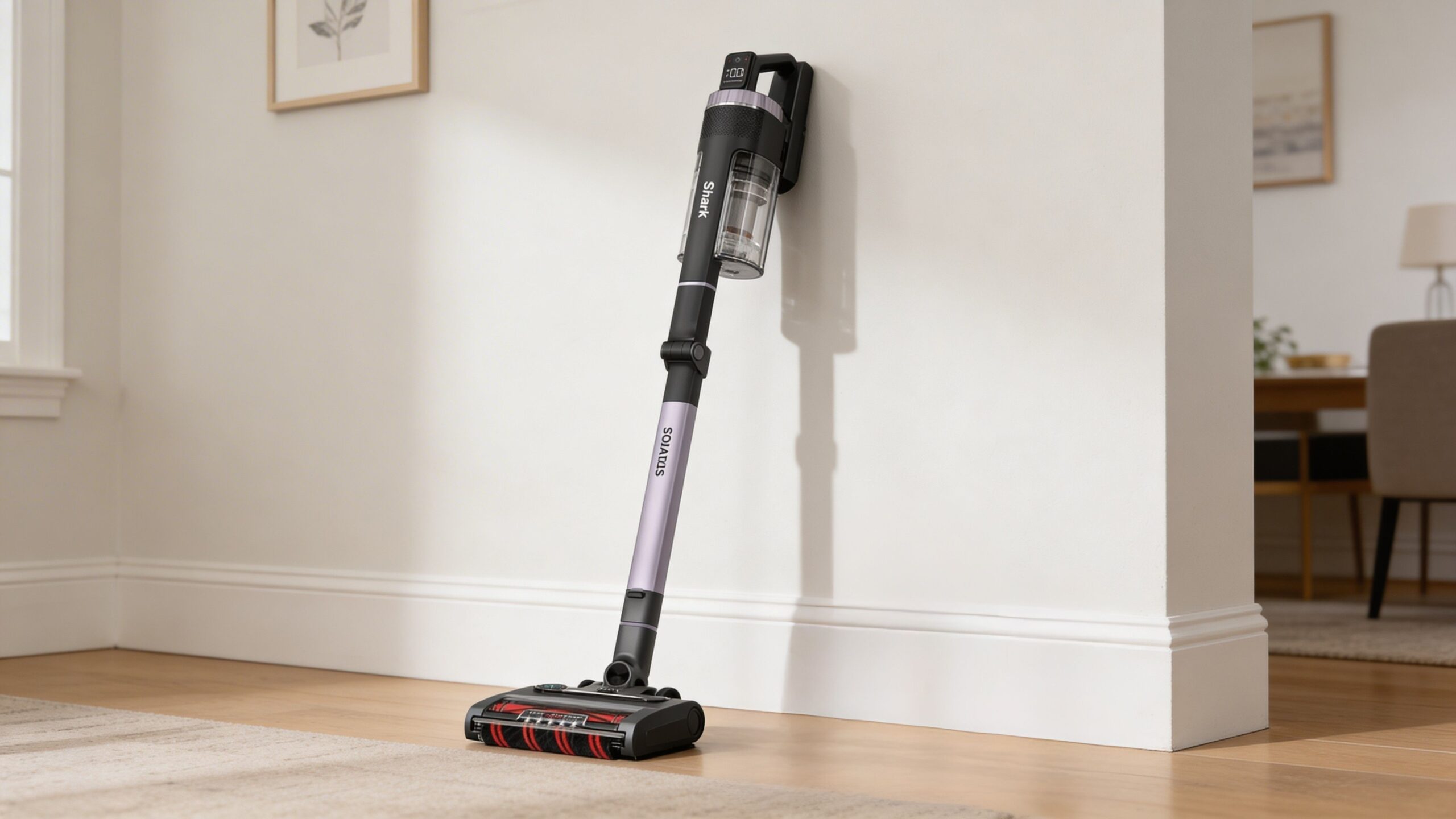
Cordless Stick Vacuum
Quick Control
A cordless stick vacuum trades automation for speed and direct control. It’s often the better choice if you prefer quick manual cleanups, stronger suction on carpets, and the ability to handle messes immediately without relying on scheduled runs.
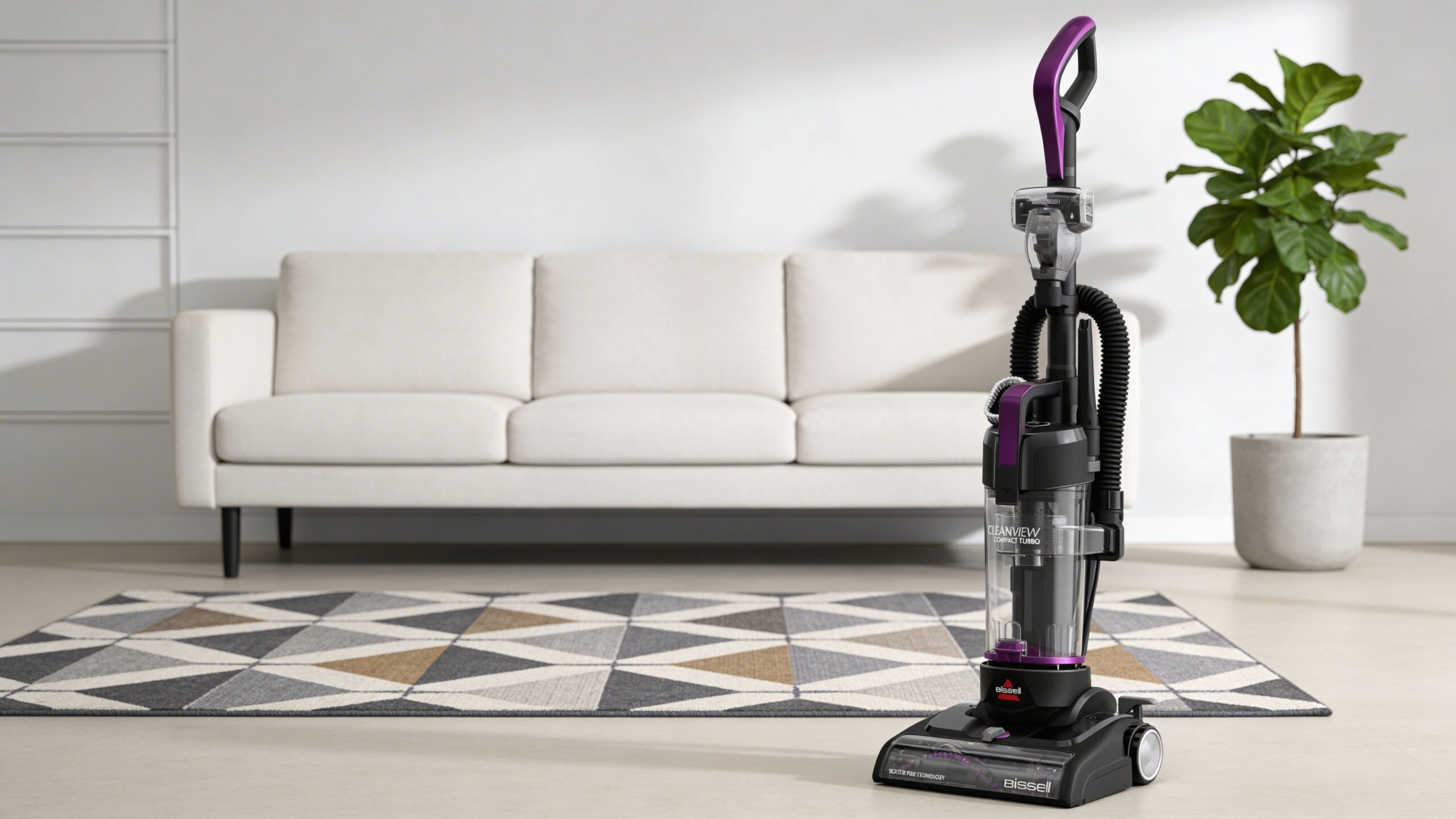
Traditional Upright Vacuum
Deep Cleaning
Upright vacuums remain the strongest option for deep carpet cleaning and edge coverage. They require manual effort but deliver faster, more thorough results when heavy debris, thick rugs, or larger living spaces demand stronger suction.
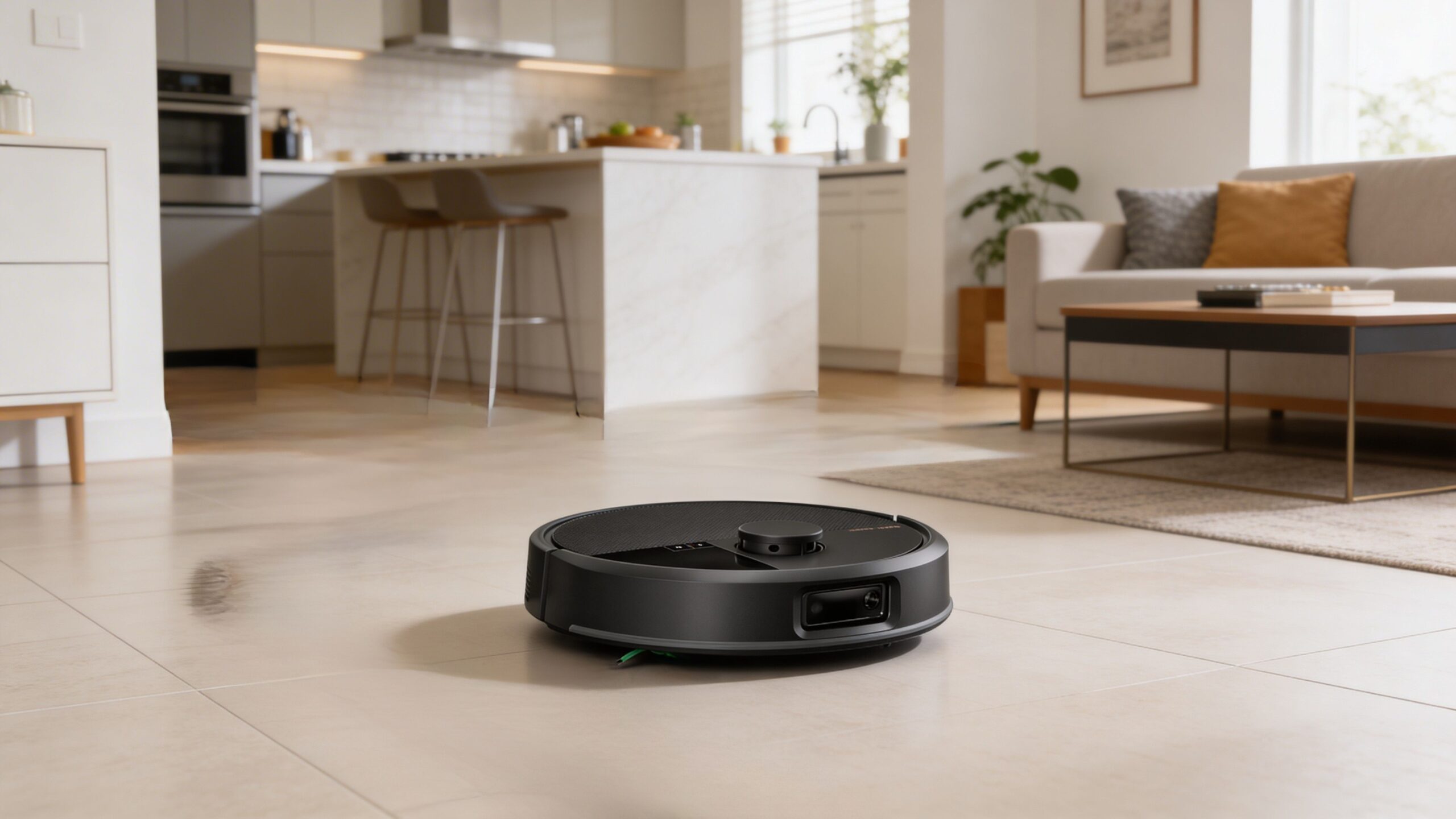
Hybrid Robot Vacuum & Mop
More Automation
Hybrid models add light mopping alongside vacuuming, offering a broader automated cleaning routine. They appeal to buyers who want more hands-off floor maintenance, though the added features can increase complexity and upkeep compared to simpler robot vacuums.
Sources
Sources & reference notes
General specifications, feature sets, and ownership considerations referenced in this review were verified using publicly available manufacturer documentation and current product listings. Where features vary by brand or model tier, differences are noted within the context of typical buying scenarios.
- Manufacturer documentation and published product information for robot vacuum models referenced by the review topic, including setup, navigation features, and maintenance guidance.
- Brand ecosystem and app support notes used to understand typical compatibility expectations (Wi-Fi setup, mapping features, firmware updates, and accessory replacement availability).
- Current retail listings used to confirm common naming conventions, typical configurations (standard dock vs self-empty), and what is generally included in the box.
Where to Buy
Robot Vacuums
Robotic Vacuum Cleaner
Typical price range: $150–$1,200+
Pricing varies by brand, navigation features, and whether a self-empty dock is included.
Check Current PriceReview Snapshot
Robot Vacuums
8.3
Strong convenience, mixed depth
Best for routine floor maintenance on hard surfaces and low-pile rugs, with the tradeoff that deep cleaning and edges still require manual help.
- Performance: Keeps everyday dust and pet hair under control with frequent runs
- Handling: Works best with a little floor prep and occasional “stuck” interventions
- Value: Pays off most when it replaces regular touch-up vacuuming, not rare deep cleans
Top 10 List
See the best robot vacuums right now
Want broader context? Our Top 10 covers standout robot vacuums by cleaning consistency, ownership effort, and everyday value.
View the Top 10Compare Models
Compare robot vacuums head-to-head
See how today’s robot vacuums compare across cleaning consistency, navigation, upkeep, and overall ownership value.
View ComparisonsAccessories You’ll Want
- Replacement filter pack (keeps airflow strong and fine dust from clogging performance over time)
- Spare main brush/roller (reduces downtime when bristles wear or hair tangles become frequent)
- Extra side brushes (helps maintain edge and corner pickup as brushes bend or fray with use)
- Brush cleaning tool (makes quick work of hair and threads so the robot stays consistent between runs)
- Boundary strips or virtual zones (keeps the robot out of problem areas like cables, pet bowls, or delicate rugs)
Tip: The best long-term experience comes from easy-to-find replacement parts and reliable app support—check availability of filters, brushes, and docks before committing to a model or ecosystem.