
Smart home devices promise convenience, automation, and energy efficiency, but their real value depends on how they perform in everyday life. This review examines common smart home products side by side, highlighting practical benefits, limitations, and tradeoffs to help determine whether the technology genuinely improves daily living.
Are Smart Home Devices Worth It?
By: Review Streets Research Lab
Updated: April 13, 2026
Approx. 8–10 min read
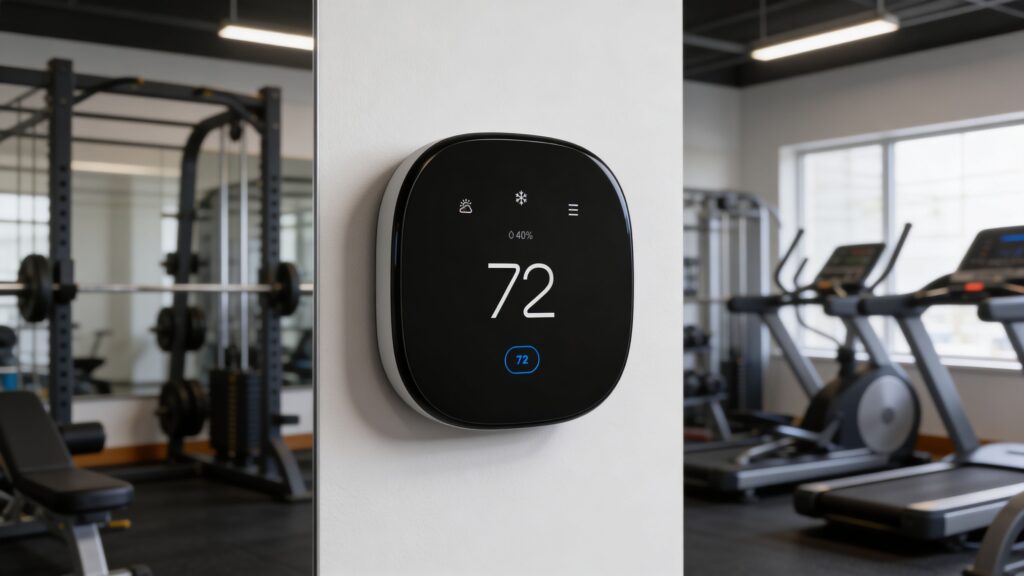
Quick Summary
Smart home devices can add noticeable convenience and control when they’re chosen to match real routines—like reducing energy waste, simplifying daily tasks, or improving awareness around the home. In practice, the biggest gains come from setup quality and ecosystem fit, while the main tradeoff is added complexity and ongoing dependence on apps, connectivity, and updates.
8.4
Score
Best for: Convenience & energy-focused upgrades
Pros & Cons
Are Smart Home Devices Worth It?: what we liked (and what we didn’t)
A quick look at the biggest strengths and tradeoffs based on everyday convenience, reliability, and how well these devices fit into daily routines.
Pros
- Convenient automation: Routines and scheduling can reduce small daily tasks like adjusting lights, temperature, or security settings.
- Remote control: Mobile apps allow users to monitor and adjust devices from anywhere, adding flexibility when away from home.
- Energy awareness: Smart thermostats, plugs, and lighting can help reduce wasted energy by adapting to real usage patterns.
- Expanded visibility: Cameras, sensors, and alerts provide better awareness of what’s happening around the home.
- Customizable ecosystem: Many devices can connect and automate together, creating a more responsive and personalized living environment.
Cons
- Setup complexity: Initial installation and app configuration can take time, especially when linking multiple devices.
- Ecosystem lock-in: Devices often work best within one platform, which can limit flexibility when mixing brands.
- Connectivity reliance: Many features depend on stable Wi-Fi or cloud services, which can affect reliability during outages.
- Upfront cost: Outfitting multiple rooms with smart devices can add up quickly compared with traditional alternatives.
Specs
Are Smart Home Devices Worth It? key specifications
These are the core specs and practical details most buyers compare across popular smart home devices and platforms.
| Spec | Are Smart Home Devices Worth It? |
|---|---|
| Type | Smart home devices (connected lighting, climate, security, sensors, speakers) |
| Platform | Varies by ecosystem (Alexa, Google Home, Apple Home, SmartThings; Matter support varies) |
| Voltage | Varies by device; typically line-powered, battery-powered, or low-voltage (adapter) |
| Speed | Response time varies by network and device; generally near-instant to a few seconds |
| Chuck | Not applicable |
| Torque | Not applicable |
| Length | Varies widely by device type and installation (plug-in vs in-wall vs mounted) |
| Weight | Varies by device; heavier for hubs/cameras, lighter for sensors and switches |
| Clutch settings | Not applicable |
| LED light | Varies by device (common on smart bulbs, switches, cameras, hubs) |
| Included | Typically device + app setup; some require hub, subscriptions, or compatible accessories |
| Best use | Automation, remote control, energy management, and home monitoring when ecosystem fit is strong |
| Warranty | Varies by brand; commonly 1-year limited (device and accessories) |
Performance
How smart home devices perform
We evaluated day-to-day responsiveness, setup and control flow, reliability across routines, and the overall “live with it” experience to reflect what smart home ownership feels like in normal homes—not in lab conditions.
Response & Speed
Most actions trigger quickly, with occasional brief delays when multiple devices fire at once.
Automation Reliability
Scheduled routines and simple triggers stay dependable, but complex multi-step automations can be hit-or-miss over time.
Setup & Onboarding
Initial setup is generally straightforward, though pairing and account linking can take a few extra tries depending on the mix of gear.
App Control & Ease of Use
Everyday controls are intuitive once configured, but settings menus and device organization can feel cluttered as your system grows.
Connectivity & Consistency
Performance is strong when the network is stable, yet occasional drop-offs or “offline” moments can require quick reboots or re-pairing.
Overall Performance
Convenient and genuinely helpful in daily routines, with small reliability and complexity tradeoffs that come with a growing smart home.
Testing note: Performance observations reflect repeat-use impressions from typical smart home tasks—voice/app control, routine scheduling, and everyday connectivity—across common home layouts and usage habits.
Build Quality
Build quality & durability
Smart home devices vary widely by brand, but the better options generally feel well-finished and designed for daily touchpoints—buttons, mounts, and housings that don’t flex easily and controls that respond consistently. Overall confidence tends to come more from stable day-to-day behavior than from any single hardware detail.
Key contact points—buttons, dials, motion sensors, camera mounts, and app interfaces—are where quality shows up fastest. Solid devices feel consistent to use, with controls that don’t rattle, ports that don’t feel loose, and apps that stay readable and predictable, reducing the small frustrations that build over time.
In everyday handling, durability is as much about staying reliable as it is about surviving bumps: stable connections, fewer random disconnects, and predictable behavior after power cycles matter more than a tough-looking shell. Devices that manage heat well and keep settings intact tend to inspire more long-term confidence.
There’s often a tradeoff between ruggedness and discretion—smaller, sleeker devices can be easier to place but may feel less substantial, while larger hubs and cameras usually mount more securely and hold up better in high-traffic areas. Choosing based on placement and use tends to produce the best ownership experience.
Setup & Maintenance
Setup, daily use, and upkeep
Smart home devices are easiest to manage when installation, connectivity, and automation are planned from the start. Most setup success comes from choosing compatible platforms, placing devices where signals stay stable, and configuring routines that match real daily habits rather than complex one-off automations.
Best setup for common tasks
- Smart Lighting: Place bulbs or switches in areas used daily and group them in the app so rooms respond together instead of device by device.
- Climate Control: Install thermostats in central living spaces and link them to occupancy or schedule routines for steadier temperature management.
- Security Monitoring: Mount cameras and sensors where entrances or key pathways are visible while avoiding glare, heat vents, or direct sunlight.
- Routine Automation: Build simple routines first—morning lighting, evening shutdown, or away mode—before layering more complex triggers.
What to do for smoother starts
- Stable Wi-Fi: Confirm strong signal coverage before installation so devices connect reliably without repeated dropouts.
- Platform Consistency: Keep devices within one primary ecosystem whenever possible to reduce app switching and compatibility issues.
- Simple First Routines: Begin with basic schedules or voice commands before building advanced automations that depend on multiple triggers.
Maintenance (simple but important)
- Firmware Updates: Check periodically for updates so devices maintain security, compatibility, and stable performance.
- Sensor Cleaning: Wipe cameras, motion sensors, and lenses occasionally to keep detection and visibility consistent.
- Battery Replacement: Replace batteries in sensors or remotes before they fully drain to avoid sudden device dropouts.
- Network Checkups: Restart routers or hubs occasionally if devices begin responding slowly or disconnecting unexpectedly.
Tip: Keep automations simple and test them gradually. Adding too many triggers at once can make routines unpredictable, while small, well-tested adjustments tend to deliver smoother and more reliable daily operation.
Real-World Use
Where Are Smart Home Devices Worth It? fits best
On paper, smart home devices promise automation and convenience. In everyday homes, their real value shows up in routines that reduce small daily tasks, improve visibility around the house, and make common systems—lighting, climate, and security—easier to manage from anywhere.
Everyday home convenience
Smart lighting, voice assistants, and automated routines can simplify daily patterns such as morning wake-ups, evening shutdowns, and hands-free control. When configured well, these systems reduce small repetitive actions and make the home feel more responsive to daily routines.
Energy management and efficiency
Devices like smart thermostats, plugs, and lighting schedules work well for households focused on reducing unnecessary energy use. Automated temperature adjustments and occupancy-based lighting can quietly trim wasted power without requiring constant manual changes.
Home monitoring and awareness
Cameras, door sensors, and motion alerts are especially useful for improving awareness when away from home. Real-time notifications and remote viewing help owners check in quickly, making these devices valuable for travel, deliveries, or monitoring entry points.
Where it’s less ideal
Homes with limited Wi-Fi coverage, mixed device ecosystems, or users who prefer minimal setup may find smart devices frustrating. Without stable connectivity and thoughtful configuration, the added complexity can outweigh the convenience they are meant to provide.
Value
Are Smart Home Devices Worth It?
Smart home devices tend to show their value when they’re used consistently—automating routines, improving awareness around the home, or helping manage energy use over time. For households that only want a few simple upgrades, traditional devices can often deliver similar results with less setup and lower upfront cost.
Price-to-performance takeaway
Much of the cost goes toward connectivity, ecosystem integration, and convenience rather than raw hardware. The best long-term value usually appears when multiple compatible devices work together, allowing routines and automation to replace repeated manual adjustments across lighting, climate, and security.
Tip: Before buying several devices, choose a primary smart home platform and confirm compatibility. Sticking with one ecosystem generally reduces setup friction and makes future upgrades easier to manage.
FAQ
Are Smart Home Devices Worth It? FAQ
Quick answers to the most common questions about smart home devices—compatibility, use cases, and what to expect in everyday ownership.
Do smart home devices require Wi-Fi?
Many do, especially devices that rely on cloud services or app control outside the home. Some systems use hubs and local protocols (like Zigbee, Z-Wave, or Thread), but you still typically need a stable home network for the best experience.
Will they work together across brands?
Sometimes. Compatibility depends on the platform you use (Alexa, Google Home, Apple Home, SmartThings) and whether devices support shared standards like Matter. Mixing brands can work, but it often introduces extra setup steps and occasional feature gaps.
Do I need a hub to start?
Not always. Many smart plugs, bulbs, and cameras connect directly to Wi-Fi. A hub can help when using Zigbee, Z-Wave, or Thread devices, and it can improve reliability and organization when you plan to expand beyond a few devices.
Who benefits most from smart home devices?
They tend to be most useful for households that want consistent automation—lighting routines, energy management, or home monitoring—and are willing to spend some time on setup. The biggest payoff comes when devices match daily habits and work smoothly within one ecosystem.
Are they worth it for just a few upgrades?
They can be, especially for targeted needs like a smart thermostat, video doorbell, or a few smart plugs. The value is usually clearest when the devices solve a specific friction point rather than trying to automate everything at once.
What should I consider before buying in?
Start by choosing a primary platform, confirming device compatibility, and checking Wi-Fi coverage where devices will live. Also consider whether key features require a subscription and how comfortable you are relying on apps and updates over time.
What are the most common downsides?
The main tradeoffs are setup complexity, occasional connectivity issues, and ecosystem lock-in. Some features depend on cloud services or subscriptions, and troubleshooting can become part of ownership—especially when devices from multiple brands are mixed together.
Alternatives
Best alternatives to smart home devices
If you like the idea of smart home convenience but want a different tradeoff—lower cost, fewer moving parts, or more local control—these are three practical alternatives that match common buying priorities.
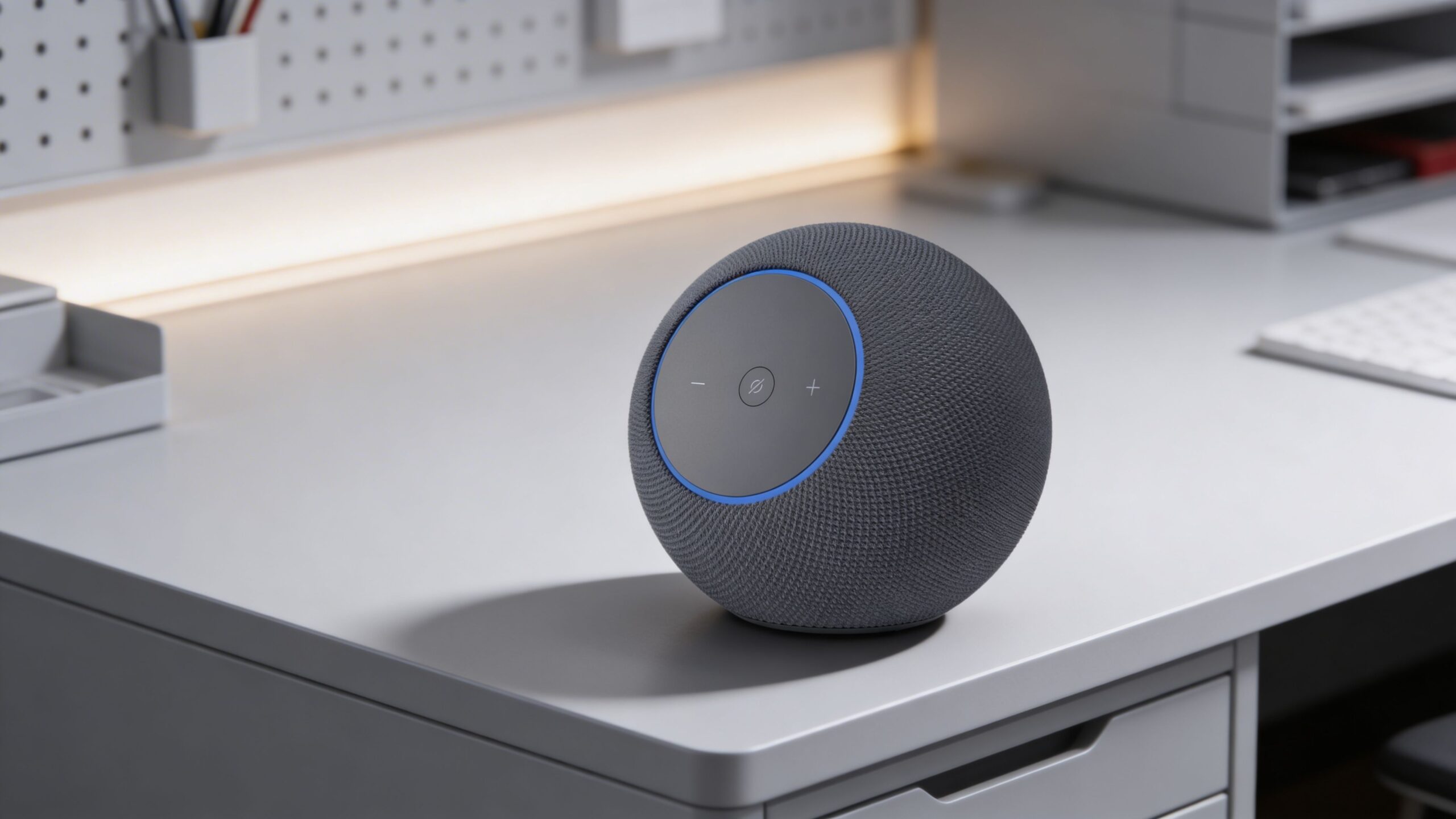
Traditional “Non-Smart” Upgrades
Best value
If your goal is better comfort or convenience without apps, strong “dumb” products often deliver similar day-to-day improvements at a lower cost, with less setup and fewer connectivity variables.
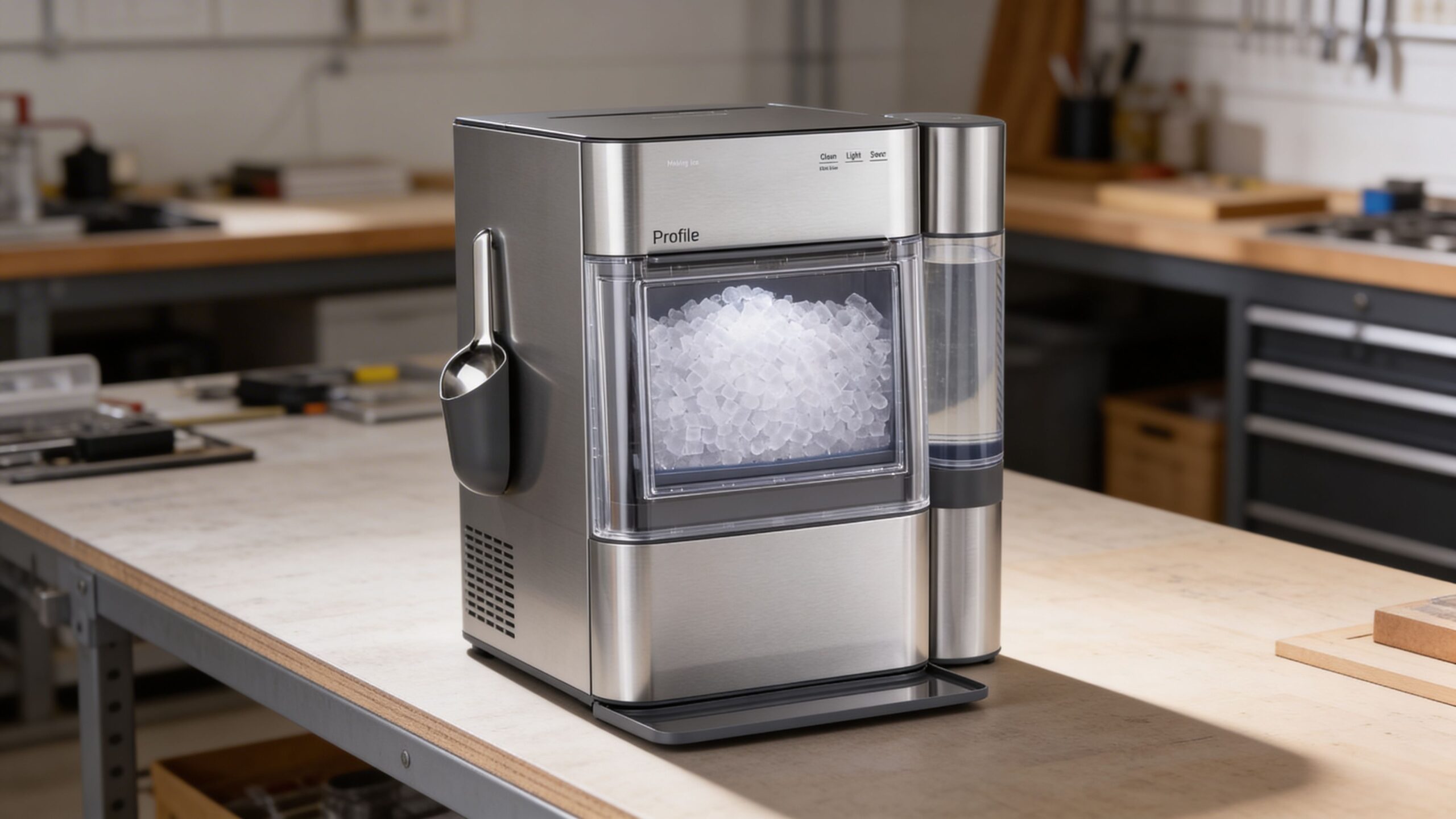
Single-Device, Standalone Smart Picks
Low hassle
Instead of outfitting the whole home, a single high-impact device—like a thermostat or video doorbell—can deliver most of the practical benefit with fewer integrations to maintain and less ecosystem complexity.
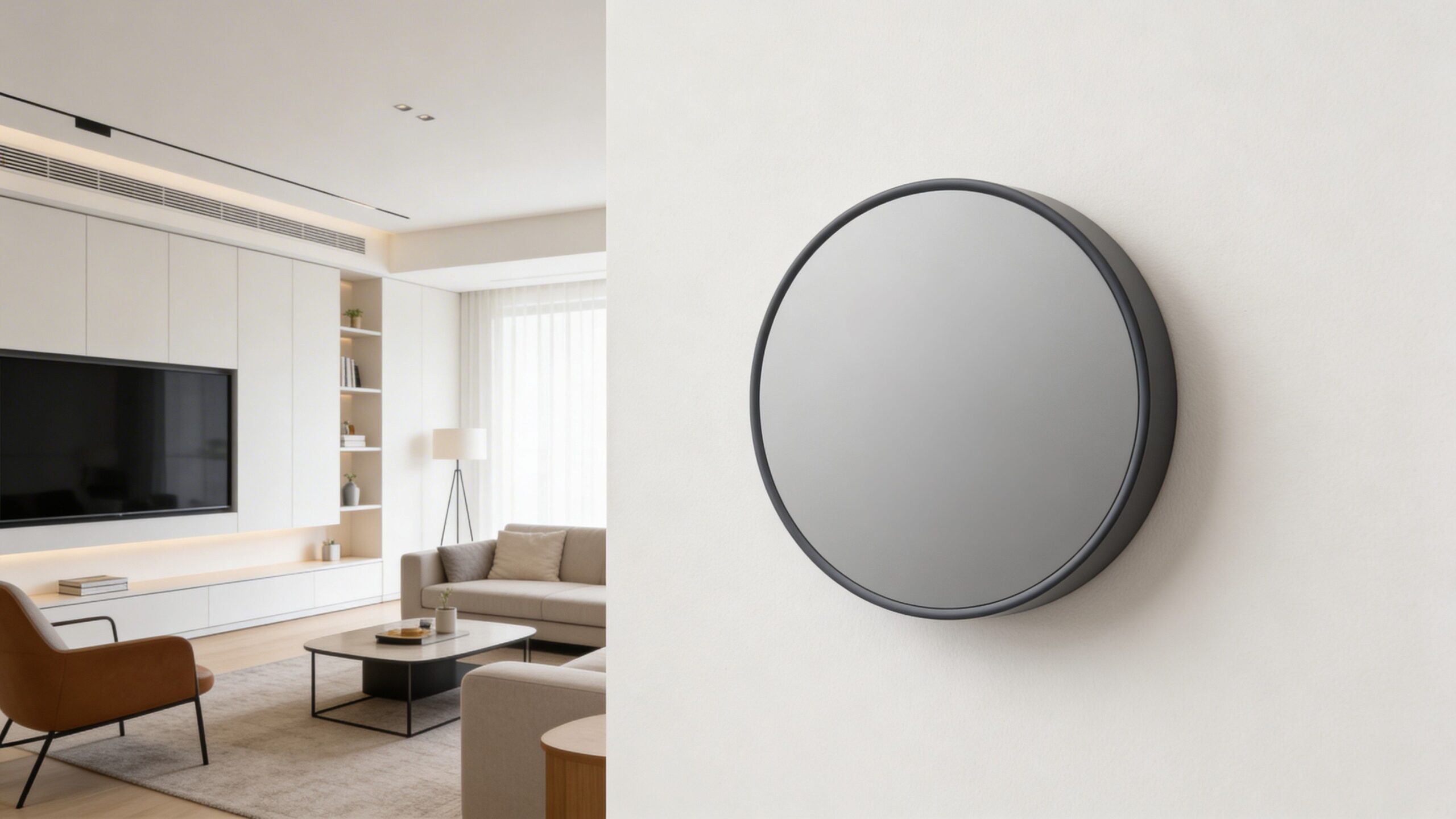
Local-First Smart Systems
More reliable
For buyers worried about outages and cloud dependence, local-first setups using a hub and local automations can feel steadier day to day, with fewer disruptions and more consistent behavior once configured.
Sources
Sources & reference notes
Compatibility, feature expectations, and typical ownership considerations referenced in this review were verified using publicly available manufacturer documentation and current product listings. Where capabilities vary by brand, platform, or subscription tier, we note those differences directly in the article.
- Smart home device manufacturer documentation and published support materials used to confirm setup requirements, supported features, and general operating expectations.
- Smart home platform and ecosystem compatibility references (e.g., assistant platforms and interoperability standards) used to verify common integration paths and limitations.
- Retail product listings used to confirm current naming conventions, common bundle contents, and typical subscription or accessory requirements where applicable.
Where to Buy
Smart Home Devices
Connected Home Gear
Typical price range: Varies widely by device
Pricing varies by brand, platform compatibility, and whether features require a subscription or hub.
Check Current PriceReview Snapshot
Smart Home Devices
8.4
Convenience with real tradeoffs
Best for everyday automation and home awareness, with the main tradeoff being setup complexity and reliance on stable connectivity.
- Performance: Routines feel smooth when the ecosystem is consistent and signals stay stable
- Handling: Easy day-to-day control, but troubleshooting can be part of ownership
- Value: Strongest when devices work together and features don’t require extra subscriptions
Top 10 List
See the best smart home devices
Want the broader view? Our Top 10 compares smart home devices by everyday usefulness, reliability, and ecosystem fit.
View the Top 10Compare Models
Compare smart home devices head-to-head
See how smart home devices compare across automation features, ecosystem compatibility, reliability, and everyday usability.
View ComparisonsAccessories You’ll Want
- Smart home hub (simplifies device management and can improve stability when you add more devices)
- Mesh Wi-Fi system or range extender (reduces dropouts by strengthening coverage where devices are installed)
- Smart plugs (adds quick automation to lamps and small appliances without rewiring)
- Door/window sensors (adds basic monitoring and triggers for routines like away mode or nighttime alerts)
- Backup power for router/hub (keeps core devices online during brief outages and prevents routine disruptions)
Tip: Compatibility matters more than quantity—choose one primary platform and add devices that integrate cleanly so routines stay predictable as your setup grows.