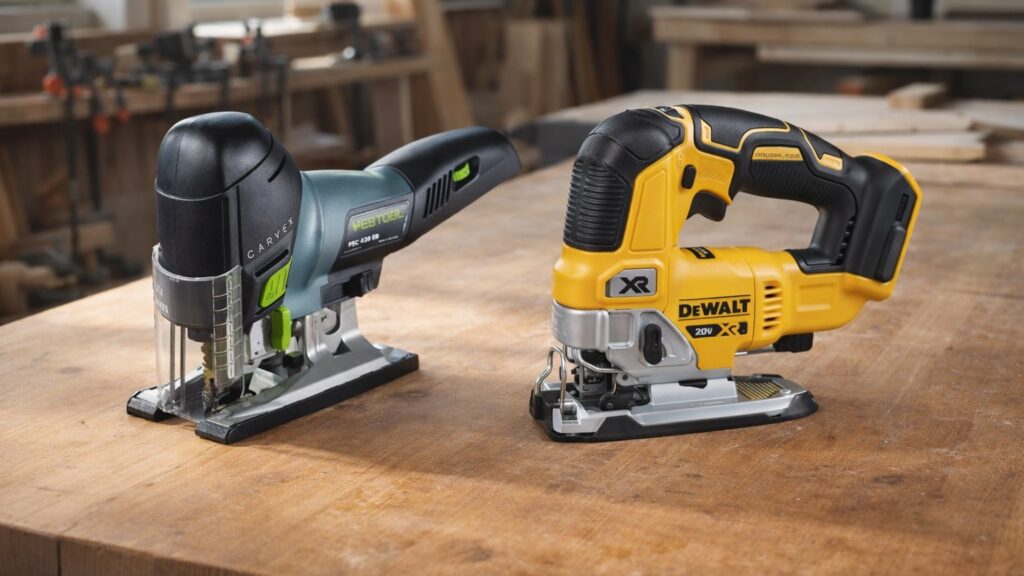
Barrel Grip Jigsaws vs Top Handle Jigsaws: Key Differences Explained

Barrel grip and top handle jigsaws differ in control, ergonomics, and visibility. This head-to-head comparison examines real-world use cases and tradeoffs to clarify which design suits specific cutting tasks.

By: Review Streets Research Lab
Updated: April 7, 2026
Approx. 10–12 min read
Barrel Grip Jigsaws vs Top Handle Jigsaws: Key Differences Explained

Head-to-head

Barrel Grip Jigsaws vs Top Handle Jigsaws: Key Differences Explained

A clean A/B view of what matters in real cutting work: grip position, line visibility, control through curves, comfort across long sessions, and which jigsaw style makes more sense for different professional tasks.
Barrel Grip Jigsaw

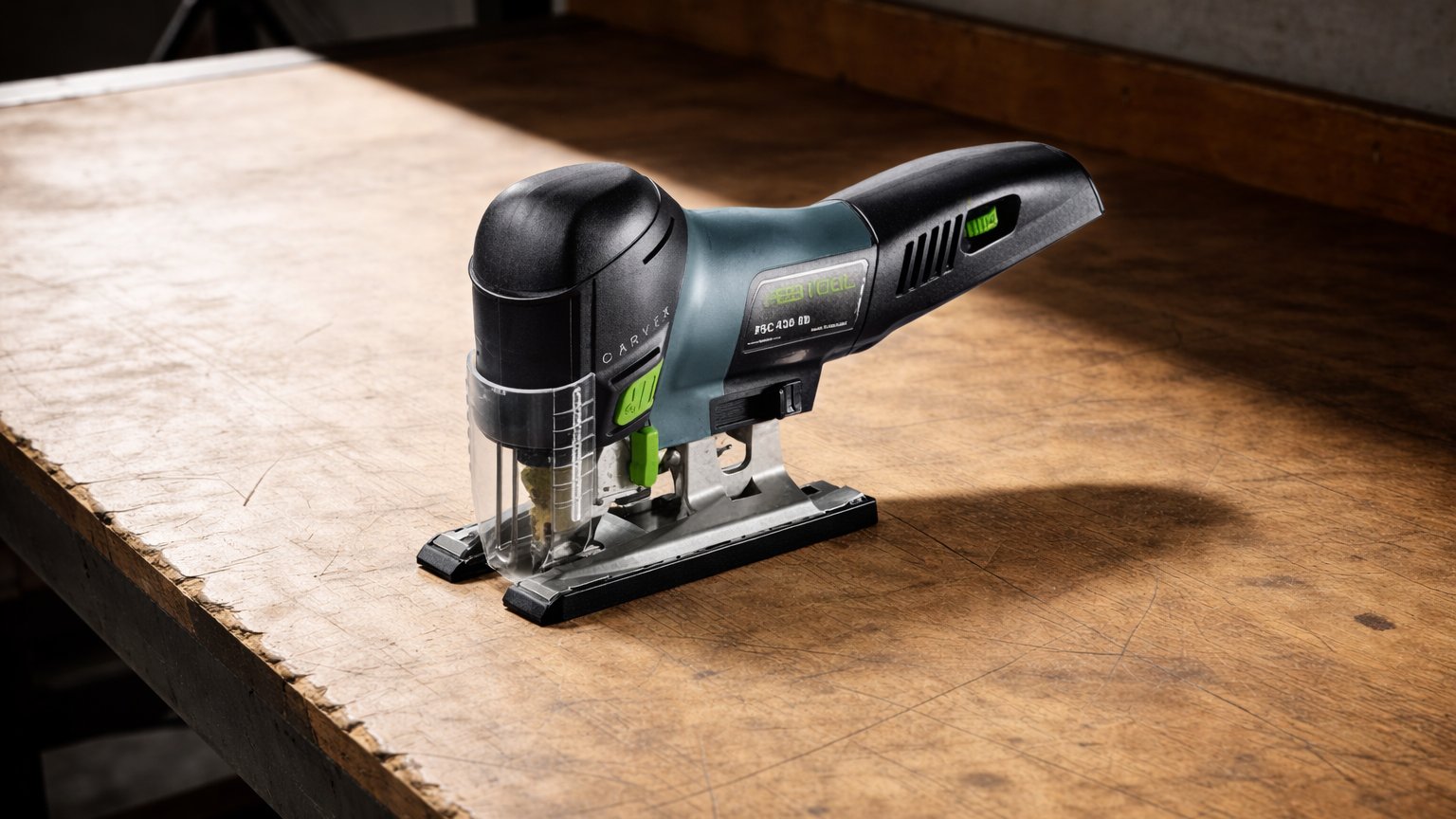
Barrel Grip Jigsaw

A lower-profile jigsaw layout that favors close hand placement and a connected feel at the cut line—especially useful when precision, sightlines, and deliberate control matter more than top-mounted convenience.

Score 9.1 Best for precision-focused cutting Battery platform dependent Why buy control + line visibility
  • Often feels more controlled in curves, cutouts, and finish-sensitive work
  • Lower grip position can make blade tracking and correction easier to read
  • Commonly preferred by users who value handling precision over one-handed convenience
VS
Top Handle Jigsaw

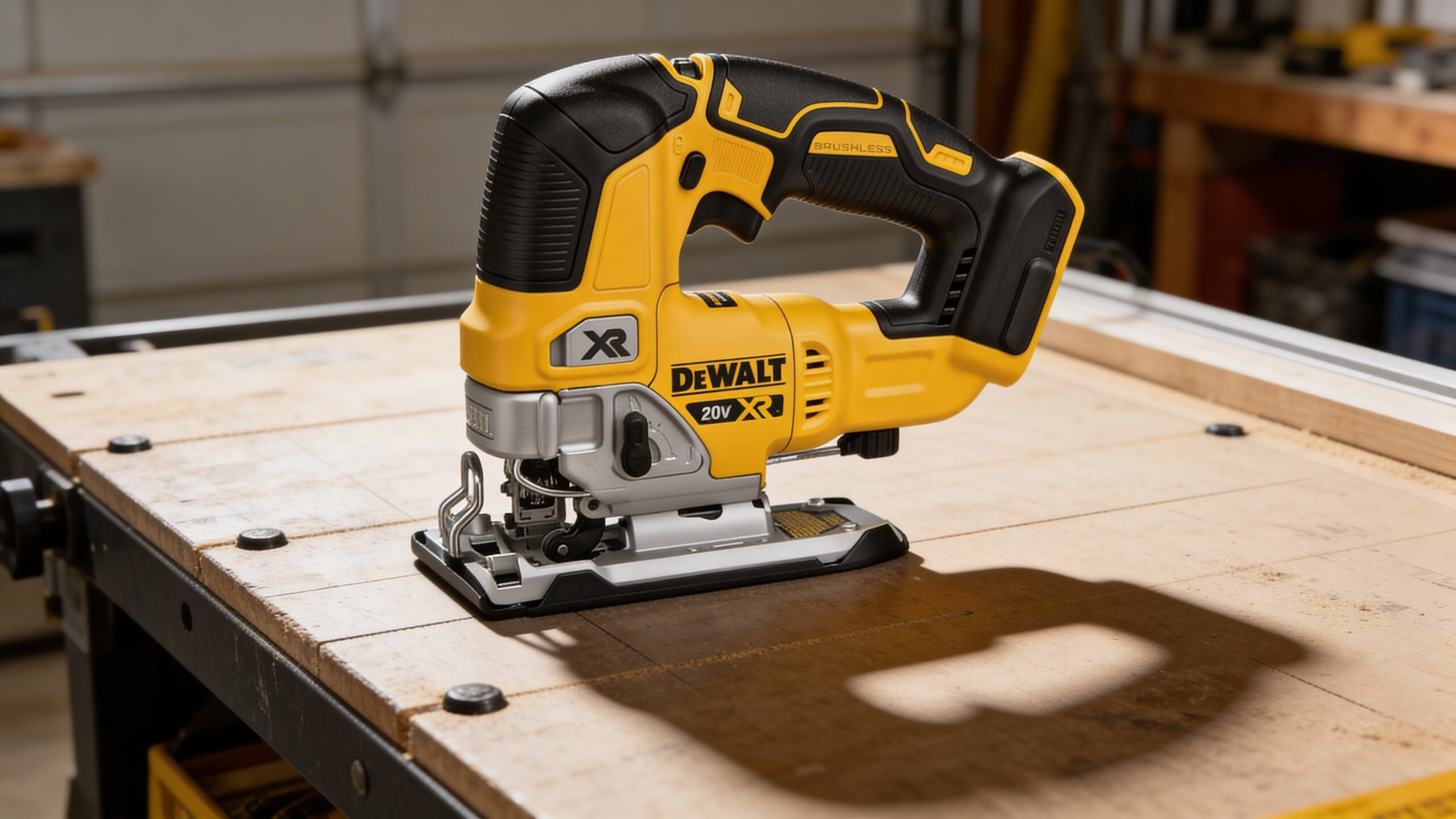
Top Handle Jigsaw

A more familiar, all-purpose jigsaw format that emphasizes ease of pickup, straightforward handling, and broad jobsite practicality—especially appealing when versatility and convenience matter most day to day.

Score 8.8 Best for general jobsite use Battery platform dependent Why buy familiarity + versatility
  • Usually easier for occasional users to pick up and use with confidence
  • Convenient handle position suits fast setup, repositioning, and general-purpose cuts
  • Strong fit for mixed jobsite work where ultimate sightline precision is not the only priority
Power under load
Typically comparable
Tie
Control & clutch consistency
Closer, more connected feel
Very good, but less direct
Barrel Grip Jigsaw
Ergonomics (feel + fatigue)
Excellent for controlled cuts
Easier for casual, general use
Tie
Value (typical kit pricing)
Higher if you prioritize precision feel
Better fit for broader use cases
Top Handle Jigsaw
Battery ecosystem depth
Depends on brand platform
Tie
Real-world context
This comparison reflects a synthesis of professional reviews, manufacturer data, long-term user feedback, and use-case patterns to highlight how each jigsaw style typically performs in everyday projects.

Barrel Grip Jigsaw — Why people choose it

  • Better line-of-sight and a more planted feel for curves, notches, and finish-focused work
  • Lower hand position can improve confidence when guiding the saw through delicate cuts
  • Often preferred by experienced users who want handling precision over maximum convenience

Top Handle Jigsaw — Why people choose it

  • More familiar layout for general carpentry, remodel work, and mixed-material cutting (especially for broader day-to-day use)
  • Easy to grab, reposition, and manage when moving between quick cuts on site
  • Smart fit for buyers who want versatility and comfort without a learning curve
Verdict: Choose Barrel Grip Jigsaw if your work leans toward controlled curves, cleaner sightlines, and a more connected feel at the cut—especially for cabinet work, trim fitting, and other precision-focused tasks. Choose Top Handle Jigsaw if you want a more familiar, versatile format for general jobsite use, quicker pickup-and-go handling, and a broader all-around fit for mixed professional work.
Read FAQs

Deep dive

What actually matters in this matchup

On paper, barrel grip and top handle jigsaws can look similar because both are built to make curved cuts, cutouts, and detail work. The meaningful differences show up in how the saw feels through the hand, how clearly the cut line can be read, how natural the grip feels over longer sessions, and how much those traits affect accuracy, confidence, and overall workflow.

For precision-oriented work: the lower hand position of a barrel grip jigsaw usually creates a more connected feel at the cut, which can make subtle direction changes feel easier to manage when following curves, scribe lines, and finish-sensitive layouts.

For general versatility: a top handle jigsaw often feels more straightforward and familiar in mixed day-to-day use, especially when the saw is being picked up frequently for varied cuts rather than used mainly for slower, more deliberate shaping work.

For long-term fit: this decision is less about raw cutting ability and more about preferred handling style—barrel grip tends to reward users who prioritize control and sightlines, while top handle tends to suit those who value convenience, adaptability, and a more traditional feel across broader jobsite tasks.

Methodology

How we evaluated these jigsaw types

Our evaluation focused on real cutting tasks that expose meaningful differences between barrel grip and top handle jigsaws, not spec-sheet advantages. Each style was assessed through practical use scenarios designed to show how grip position, control, visibility, comfort, and overall handling affect results in everyday work.

Tasks: straight cuts, curved cuts, cutouts, line-following in sheet goods, controlled starts, and longer cutting sessions to assess handling confidence, visibility, stability, and fatigue.

What we scored: cutting control, consistency through direction changes, ergonomics over extended use, build confidence, and the broader ownership considerations that affect day-to-day usefulness.

How results are interpreted: performance is evaluated through a context-aware approach, recognizing that the value of precision, comfort, familiarity, and versatility shifts depending on the type of cuts being made and the way the saw is used over time.

What we ignored: advertised specs, isolated lab-style claims, and features that do not consistently translate into repeatable real-world cutting performance.

FAQ

Barrel Grip Jigsaws vs Top Handle Jigsaws: Common questions

Which jigsaw style is easier for beginners?
Top handle jigsaws are generally easier to get comfortable with right away. The familiar grip position and trigger layout tend to feel more intuitive, especially for occasional use or mixed cutting tasks.
Why do some users prefer barrel grip jigsaws?
Barrel grip designs place the hand closer to the cut line, which can improve control and visibility. This often appeals to users focused on precision work, such as detailed curves, cutouts, or finish-sensitive materials.
Is there a difference in cutting performance between the two?
In most cases, cutting performance is similar when comparing equivalent models. The difference is less about raw capability and more about how each design influences control, handling, and confidence during the cut.
Which is better for long work sessions?
Comfort depends on personal grip preference and the type of work being done. Barrel grip jigsaws can feel more stable during controlled cuts, while top handle designs may feel less demanding for general, varied use over time.
Do both styles work equally well for tight curves?
Both can handle curved cuts, but barrel grip jigsaws often feel more precise when making tighter or more deliberate turns. The closer hand position can make small adjustments easier to manage.
Does the handle style affect visibility of the cut line?
Yes, handle position can influence how clearly the blade and cut line are seen. Barrel grip designs typically provide a clearer forward view, while top handle designs may slightly obscure the line depending on angle and stance.

Key Takeaways

  • Barrel grip jigsaws tend to favor control and line visibility, which can make a noticeable difference in precision work and tighter, more deliberate cuts.
  • Top handle jigsaws emphasize ease of use and familiarity, often making them a more comfortable fit for general-purpose cutting and varied jobsite tasks.
  • The difference between these styles is driven more by handling and ergonomics than raw cutting capability, which is often similar across comparable models.
  • Grip position influences how confidently users can guide the saw, especially during curves, cutouts, and finish-sensitive work where small adjustments matter.
  • For mixed workloads, convenience and adaptability may outweigh precision advantages, while more focused work can highlight the benefits of a lower, closer grip.
  • Choosing between these designs is ultimately about preferred workflow and comfort, rather than one style replacing the other across all use cases.

Verdict

Choosing Between Barrel Grip and Top Handle Jigsaws

In this comparison, the decision comes down to how the tool feels in use—specifically control at the cut line, overall comfort, and how each design supports different types of work over time rather than raw cutting ability alone.

Preferred for precision

Barrel Grip Jigsaw

A better fit when control, visibility, and a more connected feel at the cut are the priority.

  • Closer hand position improves feedback during curves and detailed cuts
  • Clearer sightlines can make line tracking more consistent
  • Often favored for slower, more deliberate cutting tasks

Alternative fit

Jump to the Head-to-Head

Tip: If your work varies widely from quick cuts to occasional detail work, handling preference and comfort over time can matter more than small differences in capability.

Where to Buy

We prioritize reputable sellers, easy returns, and reliable availability.

Price checks happen regularly. Some links may earn a commission—never affects rankings.

Accessories You’ll Want

  • Jigsaw blade variety pack (wood, laminate, metal, and fine-finish blades for different materials and cleaner results)
  • Splinter guard or tear-out insert (helps improve cut quality on visible surfaces and finish-sensitive materials)
  • Straightedge or cutting guide (useful for longer, more controlled cuts in sheet goods where consistency matters)
  • Dust extraction adapter or shop vacuum hookup (helps keep the cut line visible and reduces cleanup during indoor work)
  • Extra battery pack (especially useful for cordless models if you want steadier workflow during longer cutting sessions)

Tip: Blade choice often affects cut quality more than small differences between saw designs, so it makes sense to build a blade kit around the materials you cut most.