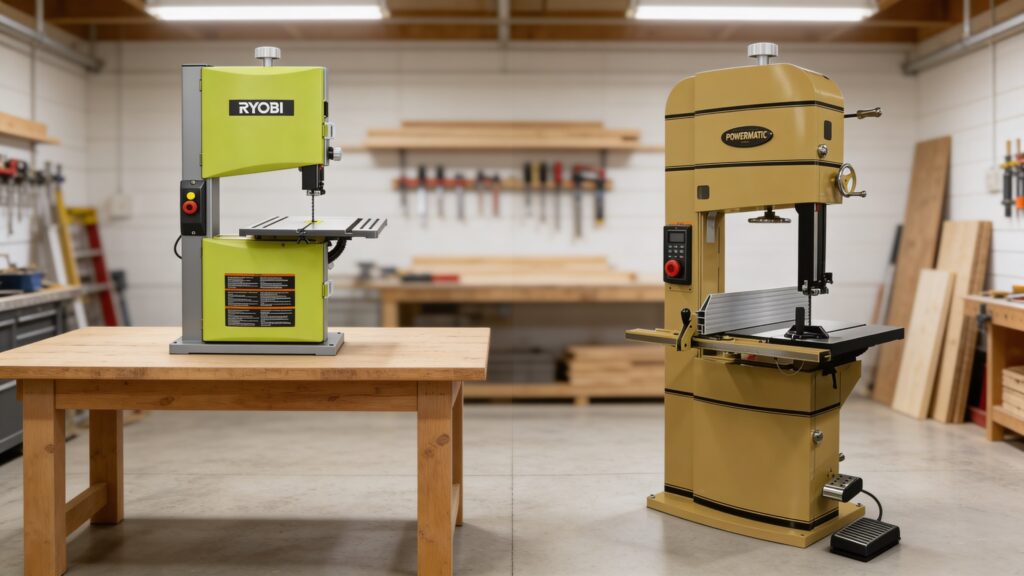
Benchtop Band Saw vs Floor Standing Band Saw: Key Differences Explained

Benchtop and floor-standing band saws differ in size, power, and capacity, shaping how they perform in real workshops. This comparison examines practical tradeoffs to clarify which configuration fits specific needs.

By: Review Streets Research Lab
Updated: April 1, 2026
Approx. 10–12 min read
Benchtop Band Saw vs Floor Standing Band Saw: Key Differences Explained

Head-to-head

Benchtop Band Saw vs Floor Standing Band Saw: Key Differences Explained

A clean A/B view of what matters in real shops: footprint, cutting capacity, stability, ease of setup, long-term versatility, and the tradeoffs between compact convenience and larger-shop capability.
Benchtop Band Saw

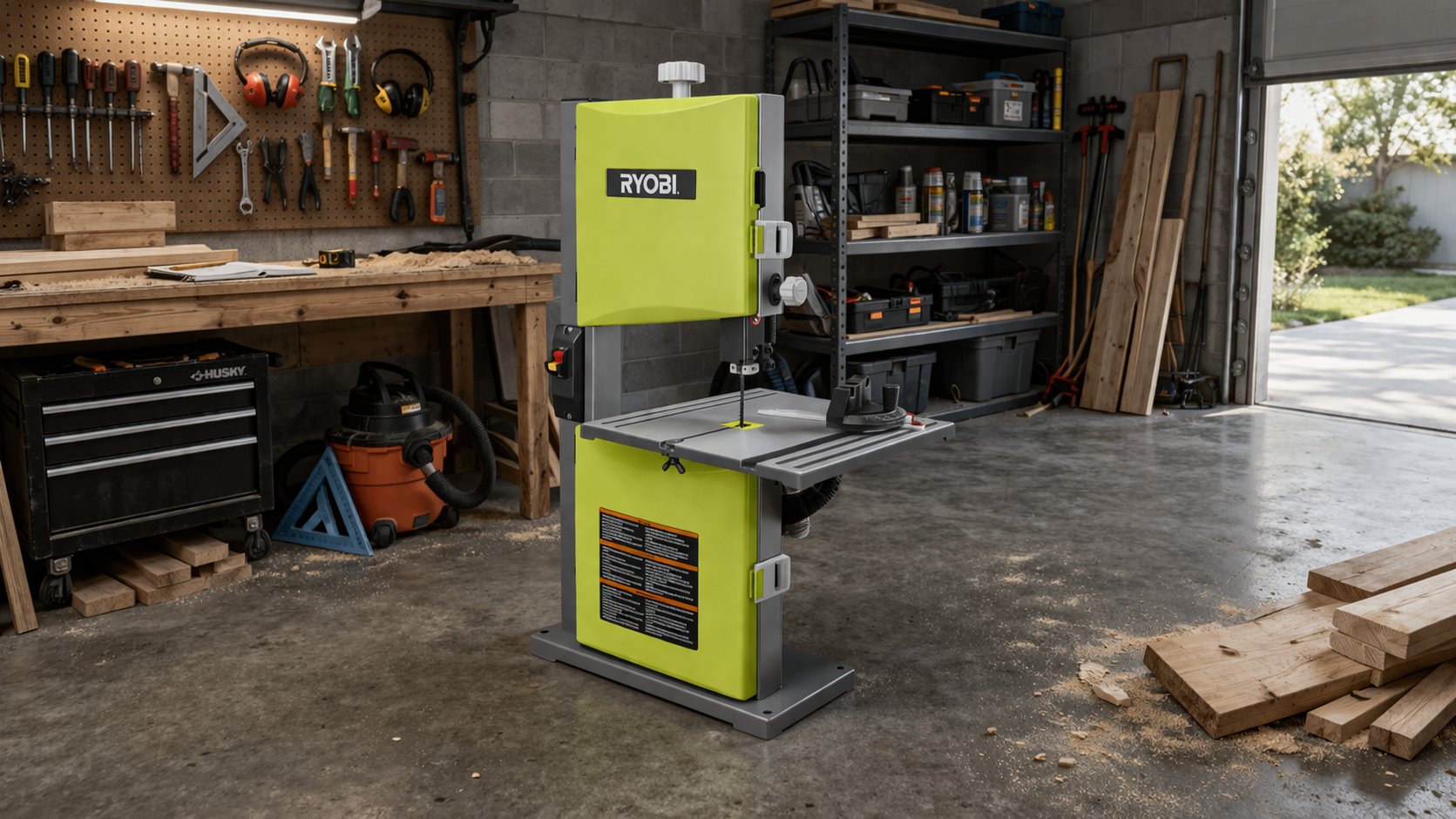
Benchtop Band Saw

A compact shop tool built for smaller workspaces, lighter stock, and occasional curve-cutting or detail work where footprint, simplicity, and lower buy-in matter more than maximum capacity.

Score 8.7 Best for small shops Battery corded Why buy space savings + value
  • Easier to place in garages, hobby shops, and multi-use work areas where floor space is limited
  • Often faster to live with for lighter cutting tasks, shorter setup time, and less intimidating day-one ownership
  • Usually the better fit when portability, lower cost, and compact storage matter as much as cutting capacity
VS
Floor Standing Band Saw

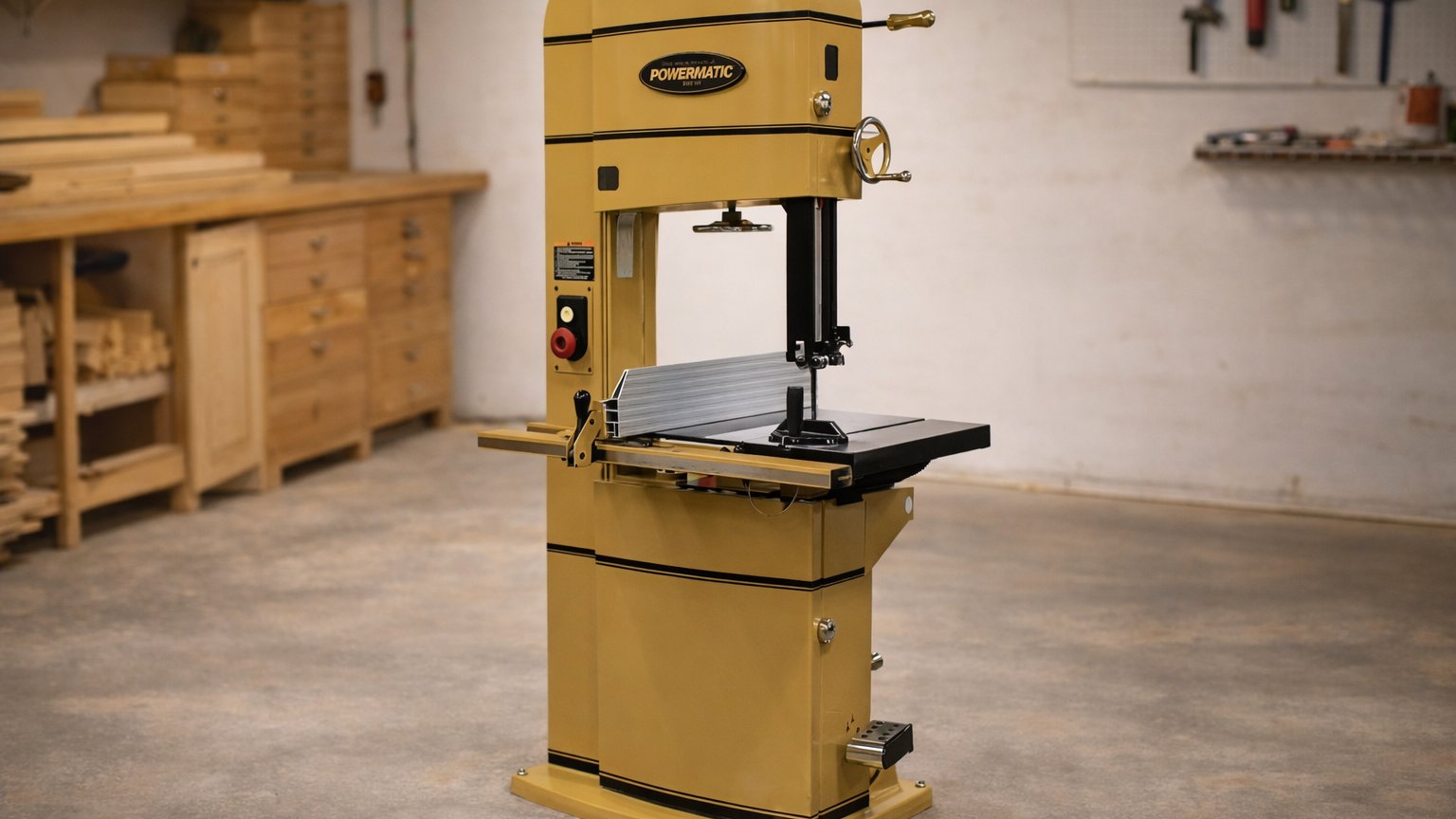
Floor Standing Band Saw

A larger, more stable shop machine aimed at users who need greater resaw height, wider throat capacity, better tracking confidence, and a more planted feel during heavier or longer cuts.

Score 8.5 Best for dedicated shops Battery corded Why buy capacity + stability
  • Better suited to thicker stock, repeated shop use, and work that benefits from more table support and machine mass
  • Typically offers more room for resawing, straighter tracking through demanding cuts, and less compromise as projects grow
  • Smarter long-term choice when a band saw will be a central machine rather than an occasional specialty tool
Power under load
Adequate for lighter stock
More headroom for thicker work
Floor Standing Band Saw
Control & clutch consistency
Simple, approachable operation
More composed through demanding cuts
Floor Standing Band Saw
Ergonomics (feel + fatigue)
Easier to fit and manage in tight spaces
Larger, steadier work position
Benchtop Band Saw
Value (typical kit pricing)
Lower cost of entry
Higher spend, more machine
Benchtop Band Saw
Battery ecosystem depth
Compact-shop friendly format
Broader long-term shop potential
Floor Standing Band Saw
Real-world context
This comparison reflects a synthesis of professional reviews, manufacturer data, long-term user feedback, and use-case patterns to highlight how each band saw format typically performs in everyday workshop use.

Benchtop Band Saw — Why people choose it

  • Fits smaller shops and mixed-use spaces where a full stationary footprint would be hard to justify
  • Lower initial cost makes it easier to add a band saw without reshaping the whole tool budget
  • Good match for lighter woodworking, occasional curve cuts, and users who prioritize convenience over maximum capacity

Floor Standing Band Saw — Why people choose it

  • More stable, more capable platform for thicker stock, longer boards, and heavier day-to-day shop use (especially when capacity matters)
  • Typically offers a more confident feel through demanding cuts and less compromise as project scope increases
  • Better choice when the saw will be a core workshop machine rather than an occasional supplemental tool
Verdict: Choose Benchtop Band Saw if you need the most practical balance of affordability, compact footprint, and everyday usability for lighter woodworking in a smaller shop. Choose Floor Standing Band Saw if you have the space and want greater cutting capacity, better stability, and a more capable long-term machine for heavier stock and more demanding shop work.
Read FAQs

Deep dive

What actually matters in this matchup

On paper, both band saw formats can handle curves, small parts, and general shop work, but the meaningful differences show up in how much capacity you actually have, how stable the machine feels through longer cuts, and how easily the saw fits into the workflow of the space around it.

For limited shop space: footprint, setup flexibility, and how easy the saw is to place often matter more than maximum cutting ability, especially when the machine needs to share room with benches, storage, or other tools.

For heavier woodworking: stability, table support, and the confidence a larger machine brings during taller or more demanding cuts usually have more day-to-day value than compactness alone.

For long-term ownership: the real question is whether the saw will stay a light-duty convenience tool or become a central part of the shop, because that determines whether lower cost or greater capacity will feel like the smarter decision over time.

Methodology

How we evaluated these band saw formats

Our evaluation focused on real workshop tasks that expose meaningful differences between benchtop and floor-standing band saws, not spec-sheet advantages. Each format was assessed through practical use scenarios to reflect how these machines are actually chosen, set up, and used over time.

Tasks: curve cutting, straight cuts in common woodworking stock, handling longer workpieces, managing thicker material, and repeated setup and adjustment scenarios to reveal trade-offs in stability, control, footprint, and workflow impact.

What we scored: cutting confidence under typical load, ease of setup and day-to-day use, stability through real cuts, build quality signals, and long-term ownership value based on capacity and shop fit.

How results are interpreted: performance is evaluated relative to real-world use cases, recognizing that the importance of compactness, capacity, stability, and long-term flexibility can shift depending on the workspace, project type, and how central the saw will be to the shop.

What we ignored: advertised specs in isolation, one-off lab-style claims, and features that do not consistently translate into repeatable real-world performance or ownership advantages.

FAQ

Benchtop Band Saw vs Floor Standing Band Saw: Common questions

Which type is better for a small workshop?
A benchtop band saw is typically the better fit for smaller workshops. It takes up less space, can often be moved or stored more easily, and integrates better into shared work areas where a full-size machine may be impractical.
When does a floor standing band saw make more sense?
A floor standing band saw becomes more relevant when projects involve thicker stock, longer boards, or more frequent use. Its added stability and capacity are more noticeable as workload increases or as the saw becomes a central shop tool.
Is the difference in cutting capacity important for most users?
It depends on the type of work being done. For lighter tasks and smaller materials, the difference may not be limiting, but for resawing or working with larger stock, the additional capacity of a floor-standing model becomes more significant.
Are floor standing band saws harder to set up or use?
They can require more initial setup due to size and weight, but day-to-day operation is not necessarily more complicated. In many cases, the added stability can make them feel more predictable once properly set up.
Which option is easier to maintain over time?
Benchtop models are generally simpler to access and adjust, while floor-standing machines may involve more involved maintenance due to their size. However, larger saws often hold adjustments longer, depending on build quality and usage.

Key Takeaways

  • Benchtop band saws prioritize space efficiency and accessibility, making them easier to integrate into smaller or shared work areas without reshaping the shop layout.
  • Floor standing band saws offer greater stability and capacity, which becomes more meaningful as material size increases or projects demand more consistent cutting performance.
  • The difference between these formats is less about raw capability and more about how often and how heavily the saw will be used over time.
  • Benchtop models tend to feel more approachable and flexible for occasional use, while floor-standing machines reward users who rely on them regularly.
  • Workspace constraints often drive the decision as much as cutting needs, especially when a larger machine would limit movement or workflow.
  • Long-term satisfaction typically depends on whether the saw remains a supplemental tool or becomes a central part of the shop’s daily operation.

Verdict

The Right Band Saw Depends on Your Space and Workload

In this comparison, the better choice comes down to how the saw fits into your workflow. One prioritizes compact convenience and accessibility, while the other delivers greater capacity and stability for more demanding, long-term shop use.

#1 Winner

Benchtop Band Saw

Best fit for most users balancing limited space, lighter workloads, and practical day-to-day usability.

  • Easier to integrate into smaller or shared workspaces
  • Lower cost and simpler ownership for occasional use
  • More approachable for general-purpose cutting tasks

Runner-up

Jump to the Head-to-Head

Tip: If your projects are likely to grow in size or frequency, choosing a machine with more capacity early can reduce the need to upgrade later.

Where to Buy

We prioritize reputable sellers, easy returns, and reliable availability.

Price checks happen regularly. Some links may earn a commission—never affects rankings.

Accessories You’ll Want

  • Replacement band saw blades (keep different widths and tooth patterns on hand for curve cutting, smoother cuts, and thicker stock)
  • Blade tension gauge (helps with more consistent setup and can reduce guesswork when changing blades)
  • Mobile base or stand (especially useful when shop space is tight or the saw needs to move between work areas)
  • Dust collection hose and fittings (improves cleanup and helps keep the cutting area clearer during regular use)
  • Push sticks or push blocks (adds control and safety when guiding smaller pieces near the blade)

Tip: Blade choice affects real-world results as much as the saw itself, so it makes sense to budget for the right blade setup early.