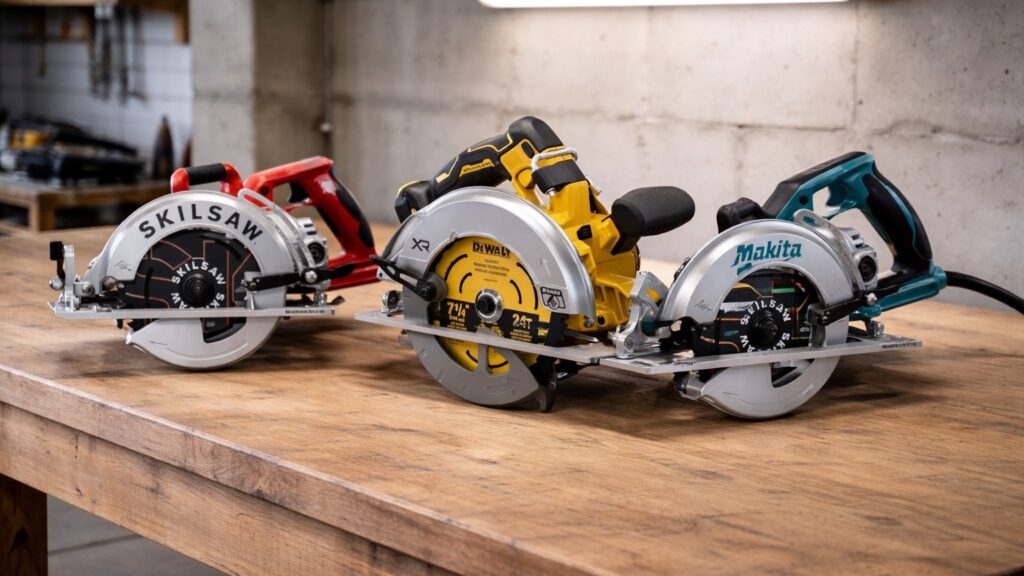
Best Circular Saws for Professional Contractors (Top 10 Picks)

This guide evaluates the best circular saws for professional contractors, comparing performance, build quality, and reliability to help identify the most capable options for demanding jobsite use.

By: Review Streets Research Lab
Updated: March 30, 2026
Approx. 10–12 min read
Best Circular Saws for Professional Contractors (Top 10 Picks)

Best Circular Saws for Professional Contractors Top 10 Picks

Our editorial picks ranked by cutting power, control, durability, visibility, and jobsite value. Tap any image to expand, or jump to full reviews for deeper specs.

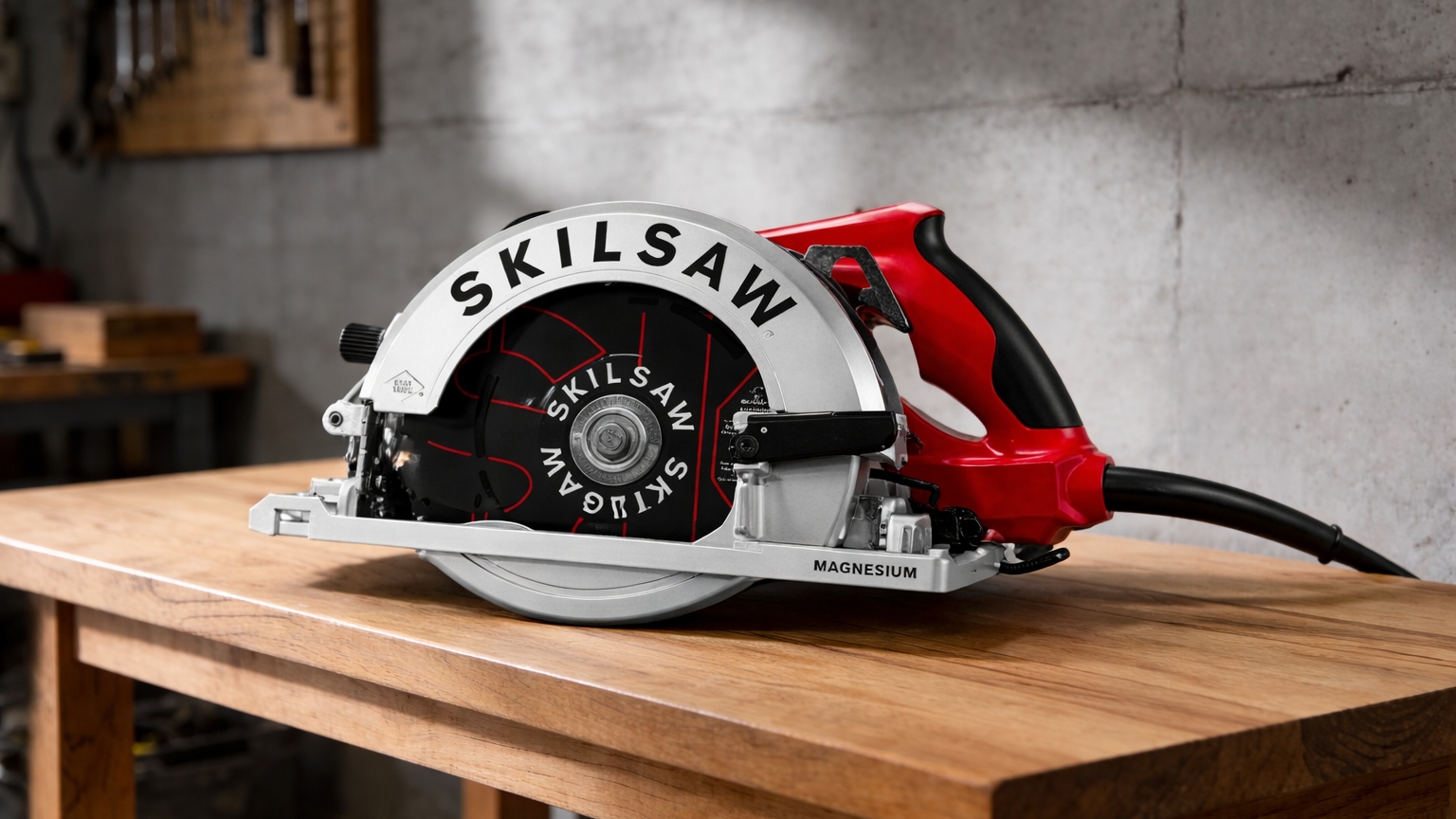
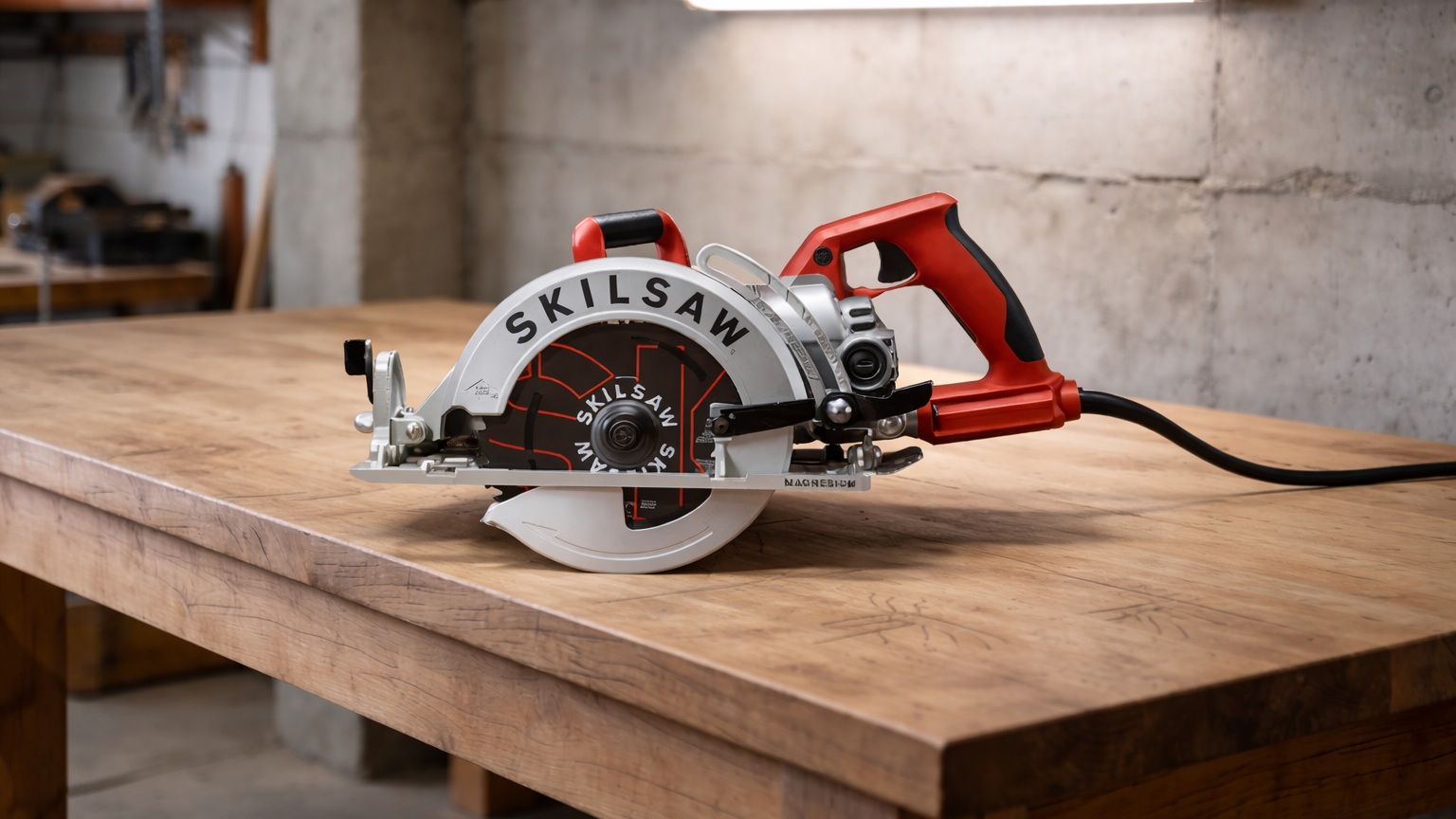
SKILSAW SPT77WML 01
#1 Best Overall Score: 9.7 / 10

SKILSAW SPT77WML 01

A legendary worm drive built for framers and serious jobsite use, with the cut authority and balance pros keep coming back to. It combines magnesium construction, deep cutting confidence, and the familiar tracking that makes long rip cuts feel controlled.

Drive: Worm Power: Elite Weight: Magnesium Build Best For: Framing Crews

Pros

  • Outstanding cut tracking and torque under heavy load
  • Magnesium construction helps reduce fatigue for its class
  • Trusted layout and feel for demanding framing work

Cons

  • Worm drive format is heavier than sidewinder options
  • Less ideal for occasional users or light home tasks
  • Usually priced above basic contractor saws

Best For

  • Professional framing and deck builds
  • Long rip cuts in dimensional lumber
  • Contractors who prefer worm drive feel
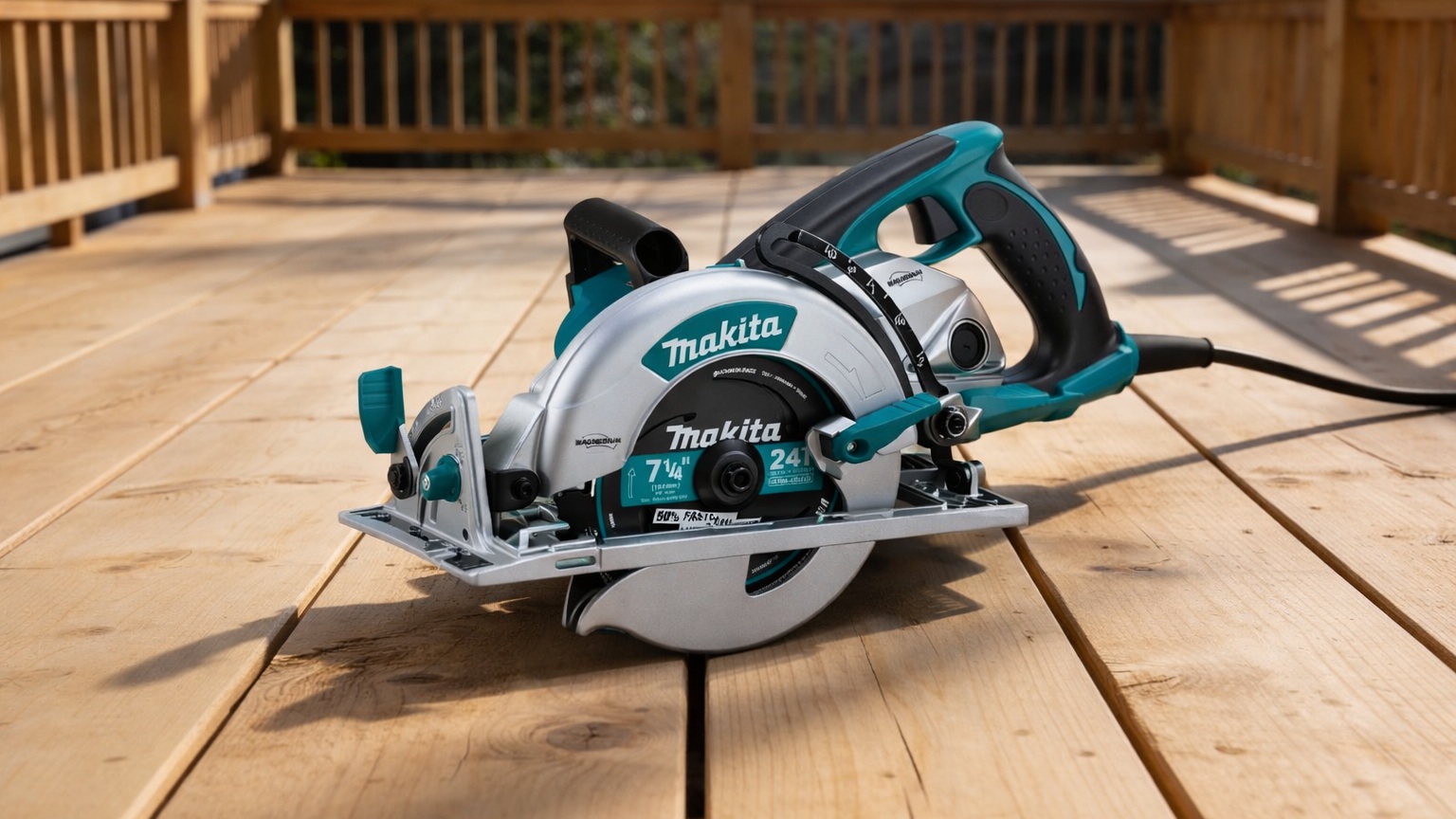
Makita 5007MG
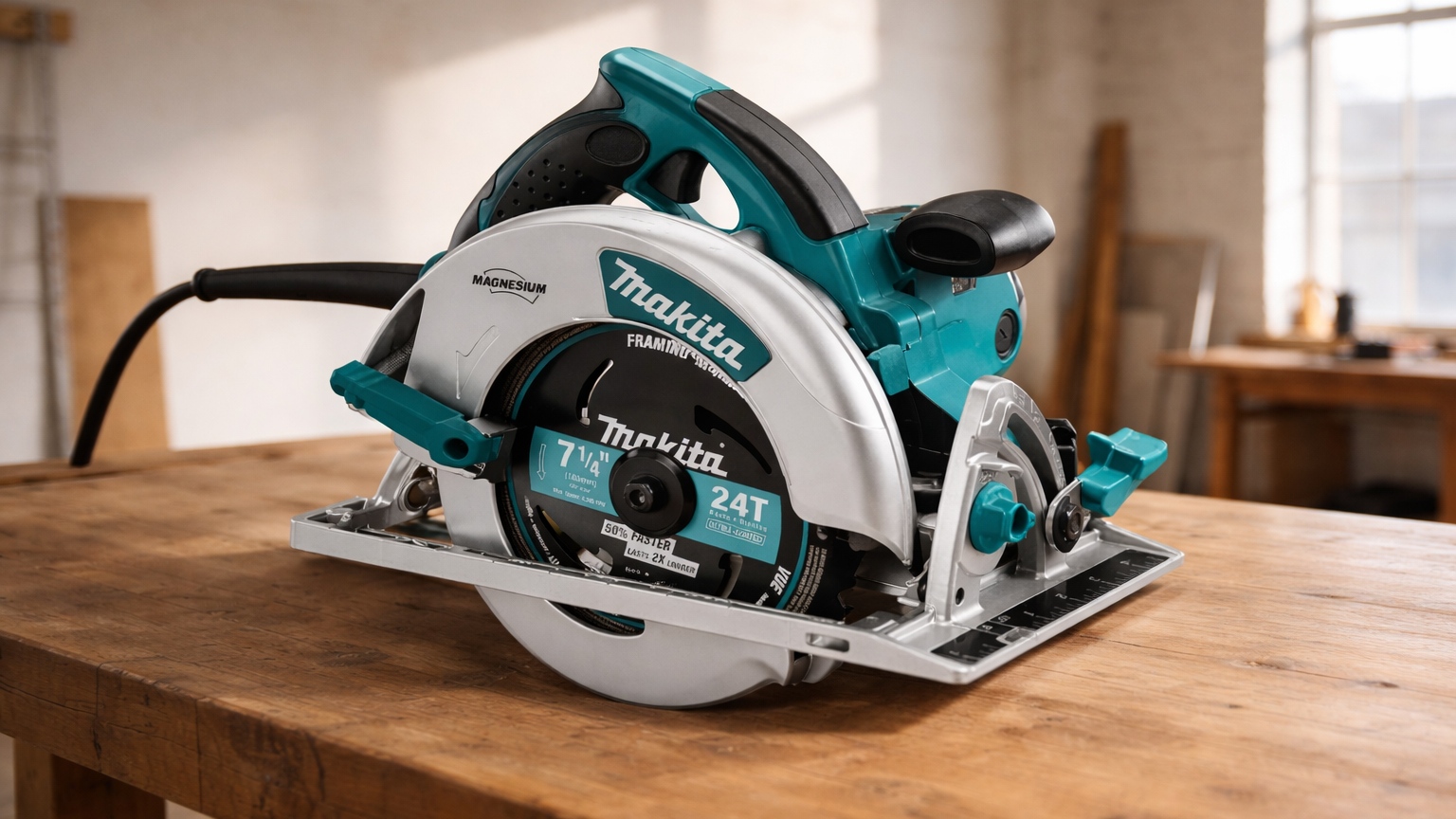
#2 Best Sidewinder Score: 9.5 / 10

Makita 5007MG

A pro favorite for contractors who want a lighter sidewinder without giving up serious cutting ability. Its magnesium build, proven 15 amp motor, and confident handling make it one of the easiest corded saws to recommend.

Motor: 15 Amp Handling: Excellent Construction: Magnesium Best For: All Around Pro Use

Pros

  • Excellent power to weight balance for daily use
  • Comfortable feel with very good cut visibility
  • Strong reputation for durability on active jobsites

Cons

  • Not as torque rich as a true worm drive
  • Corded format limits mobility on larger sites
  • Premium build comes with a higher price than entry models

Best For

  • General contractors needing one dependable saw
  • Remodel work and daily sheet goods cuts
  • Users who want lighter pro grade performance
DeWalt DWE575SB
#3 Best Value for Pros Score: 9.3 / 10

DeWalt DWE575SB

Lightweight, powerful, and easy to trust on repeat jobsite cuts, this is one of the strongest value plays in the professional corded class. The brake equipped version adds extra control for fast paced work where clean stops matter.

Weight: Very Light Brake: Yes Motor: 15 Amp Best For: Everyday Jobsite Cuts

Pros

  • Excellent portability for a full size corded saw
  • Electric brake improves stop control between cuts
  • Strong performance at a competitive pro tier price

Cons

  • Not as torque heavy as worm drive designs
  • Shoe and feature set feel more straightforward than premium specialty saws
  • Cord management still matters on busy sites

Best For

  • Trim crews and remodel contractors
  • Pros who want lighter full size cutting power
  • Budget conscious buyers avoiding cheap saws
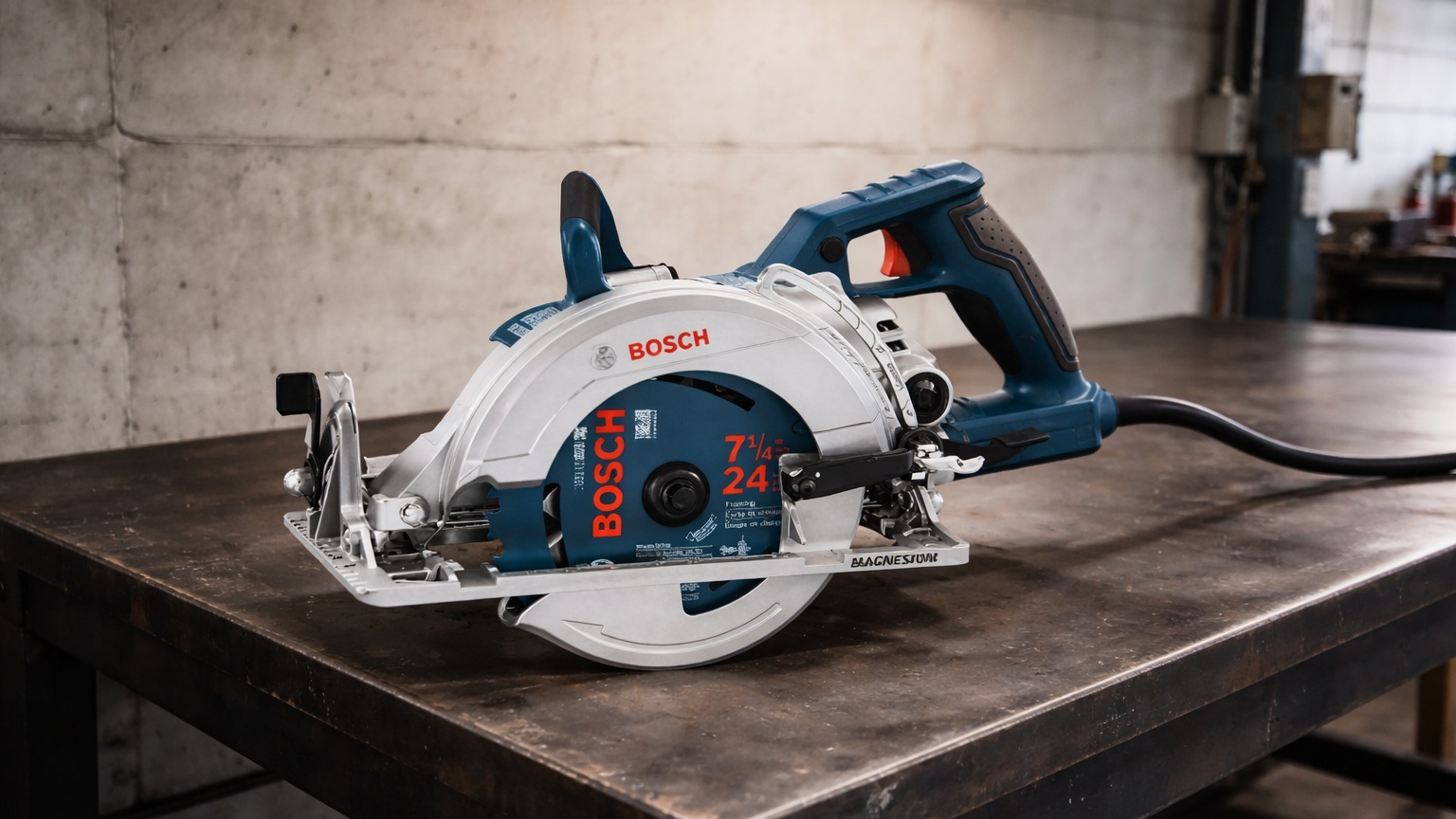
Bosch CSW41
#4 Best for Framing Pros Score: 9.1 / 10

Bosch CSW41

This worm drive style saw brings serious cut authority and a professional build that feels ready for repetitive structural work. It is a strong fit for contractors who want aggressive performance and sturdy jobsite manners.

Drive: Worm Build: Heavy Duty Power: High Best For: Structural Work

Pros

  • Strong cutting authority for framing and thick stock
  • Professional feel with durable overall construction
  • Good stability on demanding rip and bevel cuts

Cons

  • Heavier than top sidewinder picks
  • Less appealing for finish work or overhead cuts
  • Best suited to users comfortable with larger saws

Best For

  • Framing crews and carpentry contractors
  • Repeated cuts through dense lumber
  • Pros who want worm drive power without compromise
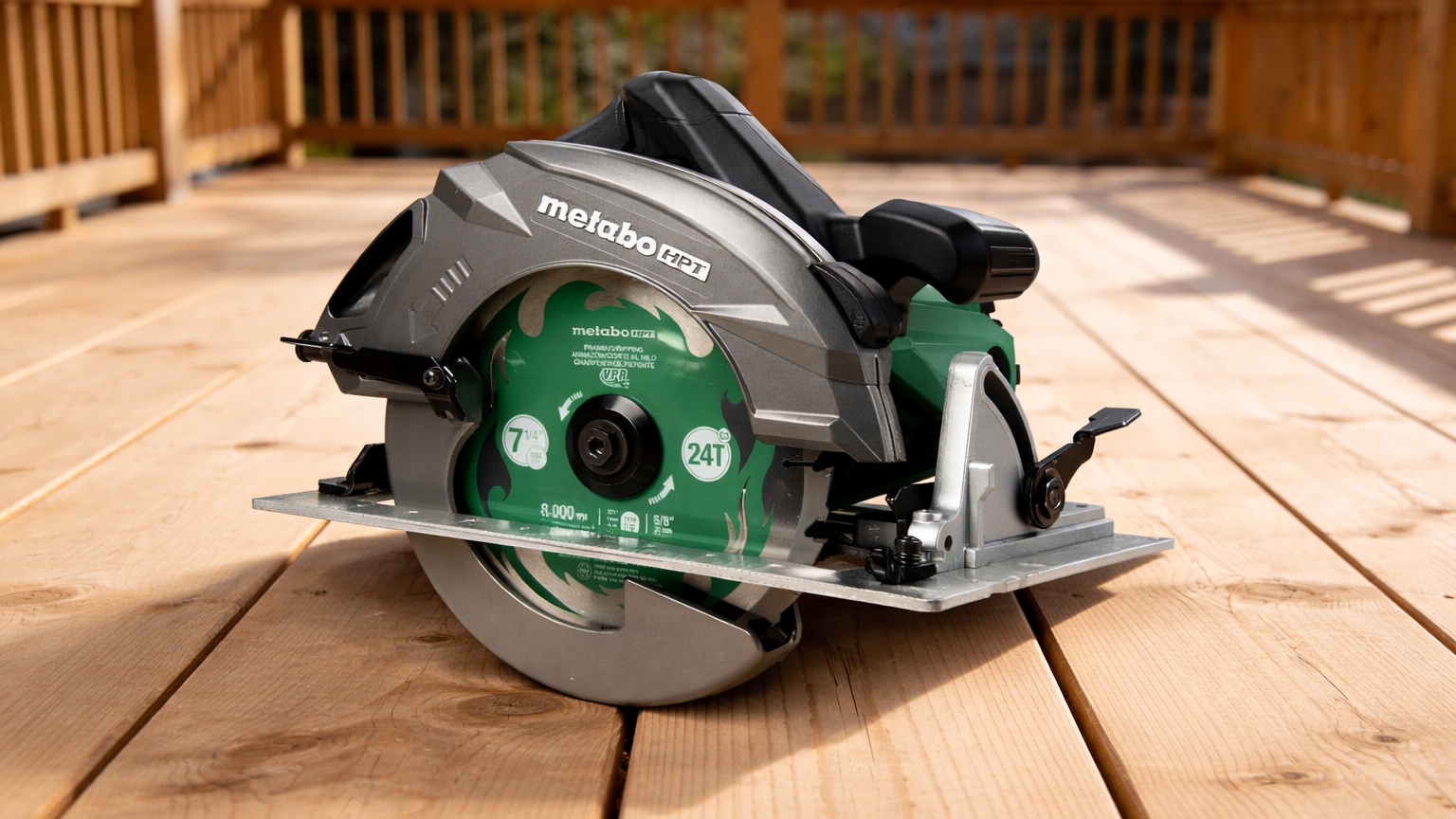
Metabo HPT C7UR
#5 Best Rear Handle Value Score: 8.9 / 10

Metabo HPT C7UR

A hard working rear handle style saw that gives contractors a compelling mix of cut strength, reach, and value. It feels purpose built for framing and sheet breakdown without pushing into flagship pricing.

Style: Rear Handle Value: Strong Control: Good Best For: Framing and Sheathing

Pros

  • Strong cutting feel for structural carpentry tasks
  • Rear handle layout helps with longer guided cuts
  • Very competitive performance for the money

Cons

  • Not as refined as premium category leaders
  • Heavier handling than compact sidewinders
  • Less appealing for casual mixed use buyers

Best For

  • Contractors wanting pro style power on a budget
  • Framing and panel breakdown work
  • Users who prefer rear handle ergonomics
Makita 5377MG
#6 Best Hypoid Option Score: 8.8 / 10

Makita 5377MG

A rugged hypoid saw with a pro leaning build and the kind of torque rich feel contractors appreciate in framing lumber. It lands in a smart middle ground for users who want big cut confidence without chasing the most expensive worm drive.

Drive: Hypoid Torque: High Build: Magnesium Best For: Heavy Carpentry

Pros

  • Strong load handling and confident bite through framing stock
  • Durable pro grade construction with long term appeal
  • Excellent fit for carpenters who like rear biased saws

Cons

  • Noticeably heavier than lightweight sidewinders
  • Less versatile for occasional finish oriented tasks
  • Best performance comes with users used to hypoid handling

Best For

  • Heavy carpentry and framing cuts
  • Pros who like torque rich saw behavior
  • Daily jobsite use in lumber focused work
SKILSAW SPT67M8 01
#7 Best Lightweight Framer Score: 8.7 / 10

SKILSAW SPT67M8 01

A lighter magnesium sidewinder that still feels contractor ready, making it a smart pick for crews who cut all day but do not want full worm drive heft. It stays quick in the hand while remaining serious enough for professional workloads.

Weight: Light Speed: Fast Handling Build: Magnesium Best For: All Day Carry

Pros

  • Easy to carry and reposition through a full workday
  • Strong performance for a lighter professional saw
  • Excellent fit for crews moving constantly on site

Cons

  • Not the top choice for users wanting maximum torque
  • Some pros may still prefer worm drive tracking feel
  • Feature set is focused more on work than extras

Best For

  • Contractors moving between cuts and stations all day
  • Framers wanting lighter pro equipment
  • General carpentry and sheet breakdown work
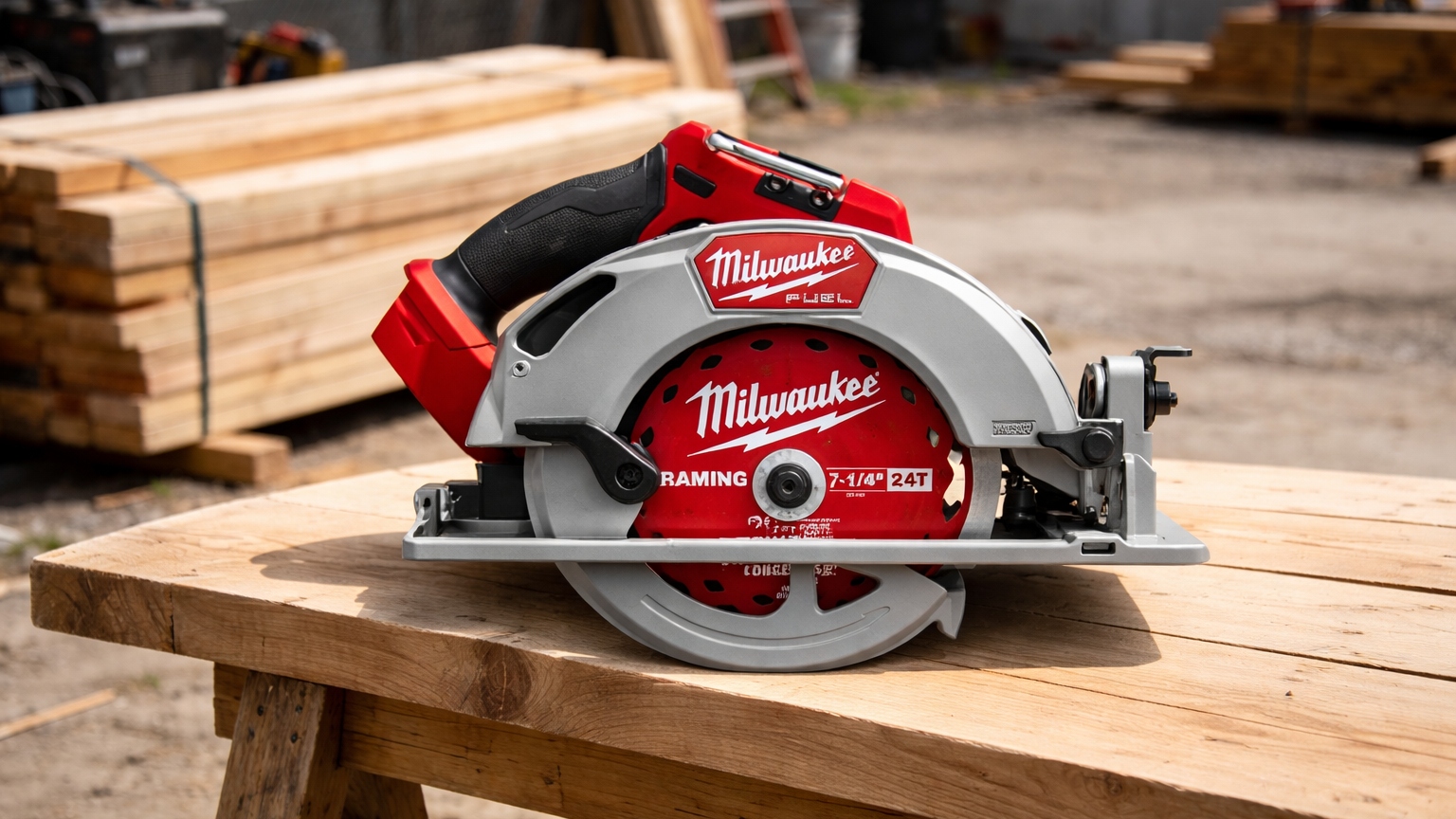
Milwaukee 2834 20
#8 Best High Output Cordless Score: 8.6 / 10

Milwaukee 2834 20

Built for professional carpenters and remodelers, this M18 FUEL 7-1/4 inch saw delivers strong cordless speed in a familiar left blade format. It is a smart pro pick when you want high output performance, system compatibility, and cleaner mobility on busy jobsites.

Power Source: Cordless Output: High Platform: M18 FUEL Best For: Mobile Pro Work

Pros

  • Strong cordless cutting speed for demanding jobsite tasks
  • Fits into a deep professional M18 platform
  • Great mobility for remodeling and general contracting

Cons

  • Total cost rises quickly with premium batteries
  • Runtime planning matters on heavier cut days
  • Less value if you are not already invested in M18

Best For

  • Professional carpenters and remodelers
  • Jobsites where cords slow down workflow
  • Milwaukee users expanding their cordless kit
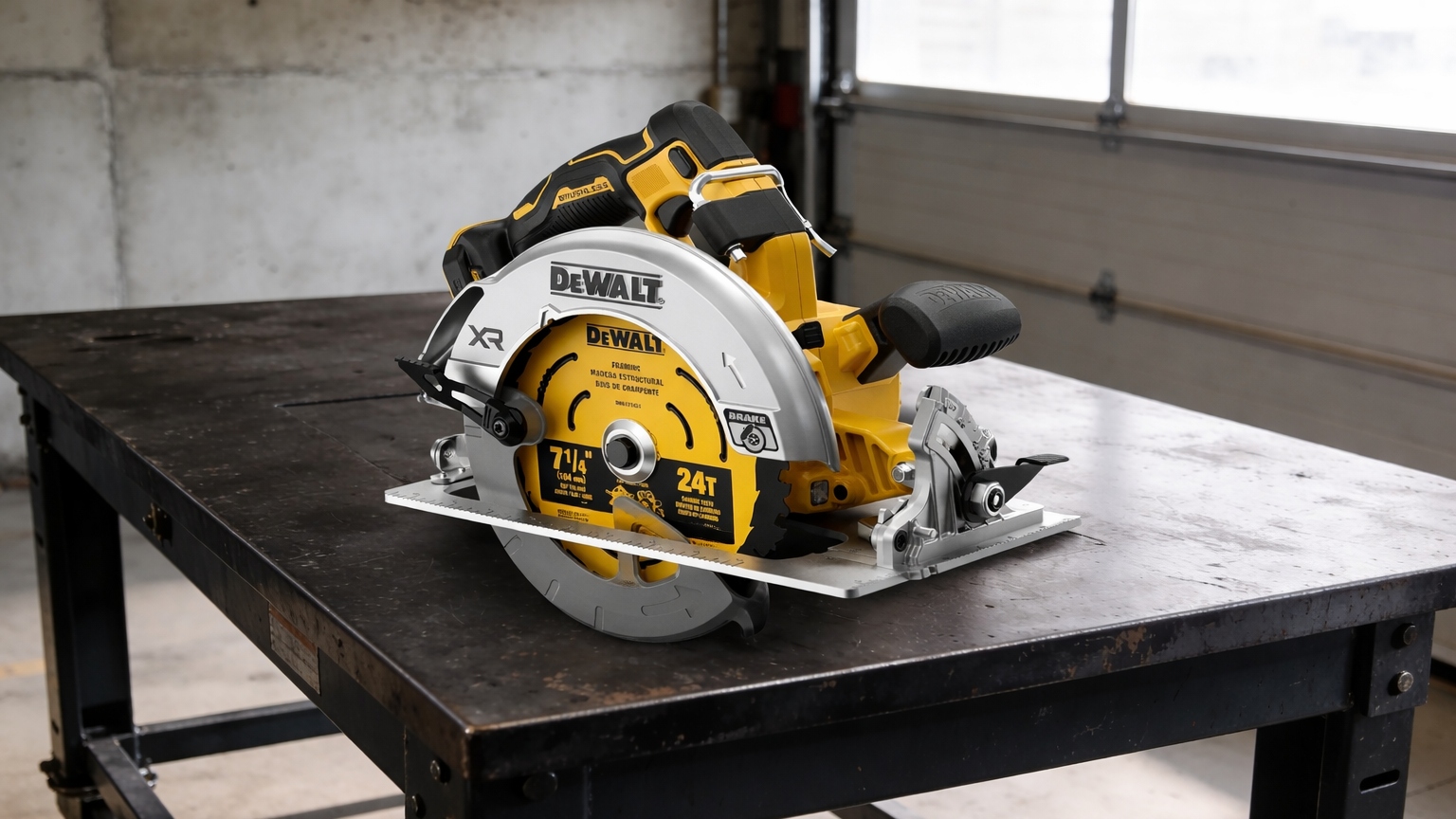
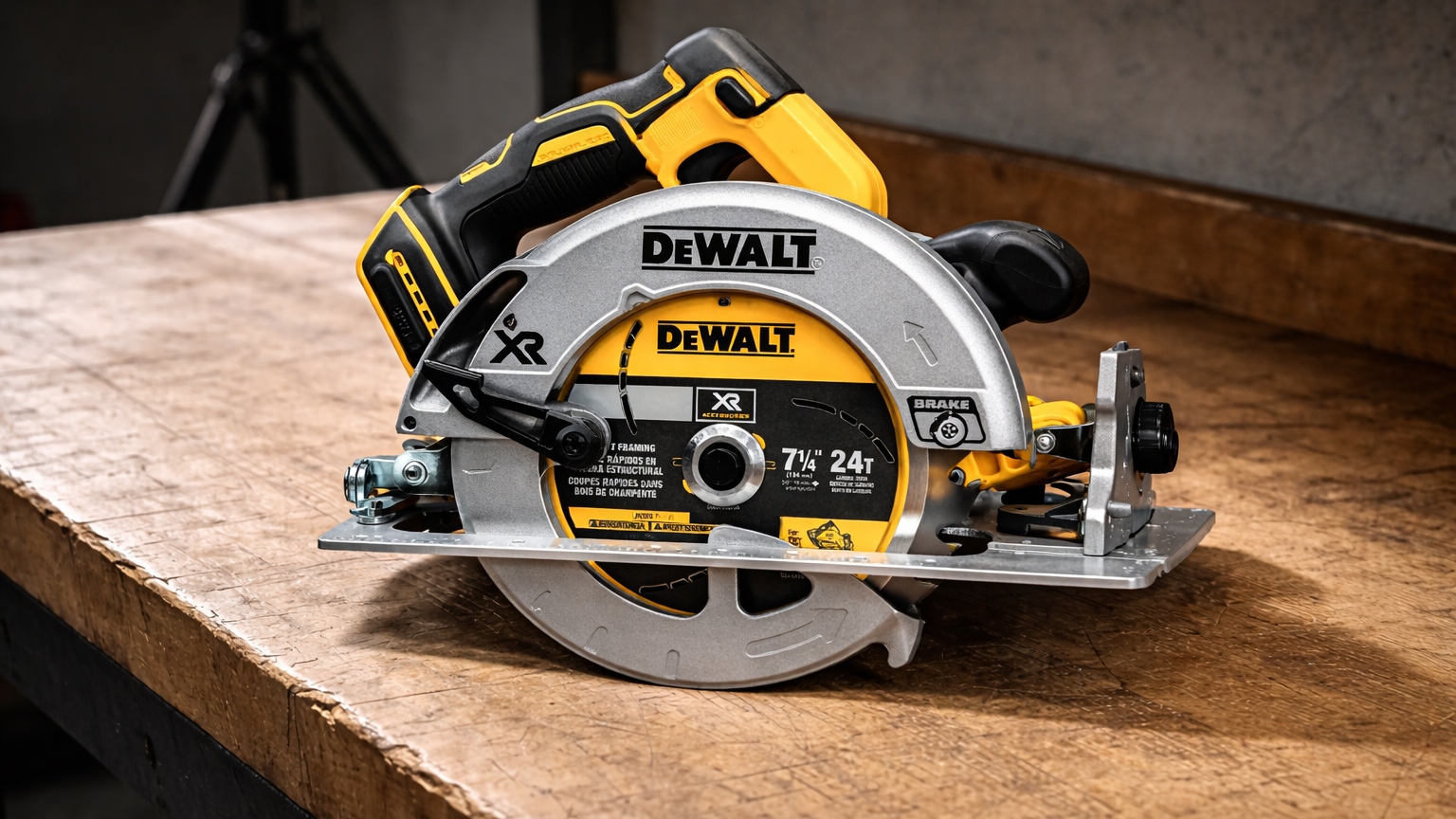
DeWalt DCS570B
#9 Best Everyday Cordless Value Score: 8.5 / 10

DeWalt DCS570B

A dependable 20V MAX cordless circular saw that gives contractors and serious DIY users a practical balance of mobility, performance, and price. It is a smart value pick for everyday cutting when you want cordless convenience without stepping up to higher priced FlexVolt options.

Power Source: Cordless Value: Strong Platform: 20V MAX Best For: Everyday Cordless Use

Pros

  • Very practical balance of performance and price
  • Convenient choice for users already on 20V MAX batteries
  • Good mobility for remodeling, repairs, and punch work

Cons

  • Not as powerful as top tier cordless framing saws
  • Runtime depends heavily on battery size
  • Less ideal for nonstop heavy structural cutting

Best For

  • Contractors already using DeWalt 20V MAX tools
  • Everyday site cuts and service work
  • Buyers wanting cordless value over flagship output
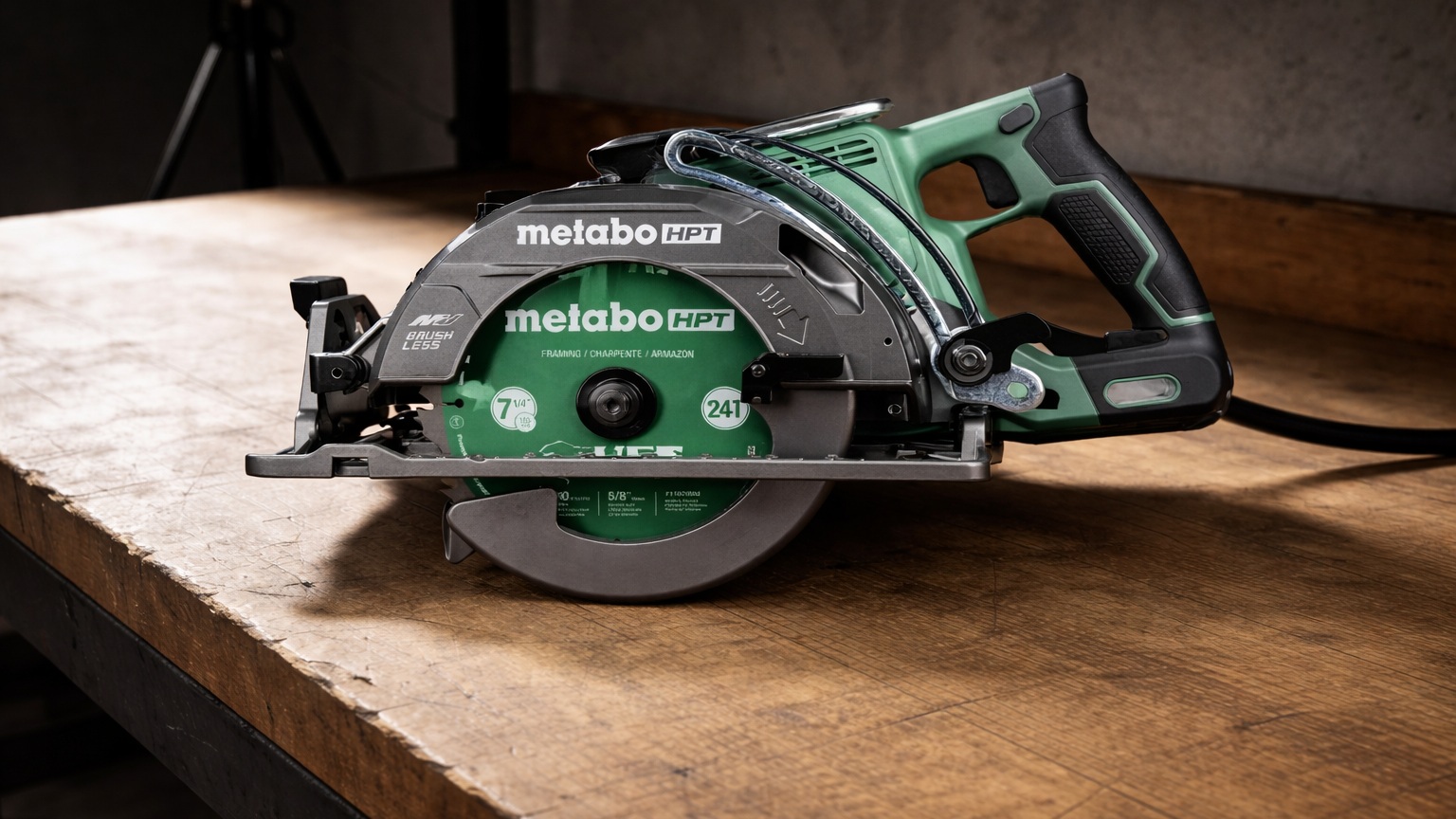
Metabo HPT C3607DWA
#10 Best Lightweight Cordless Rear Handle Score: 8.4 / 10

Metabo HPT C3607DWA

A current generation 36V rear handle saw that stands out for lower weight and strong cordless framing capability. It is a better fit for this list than older niche cordless worm drive options because it stays relevant for pros who want mobility, runtime, and modern platform support.

Power Source: Cordless Weight: Light Platform: 36V MultiVolt Best For: Mobile Framing

Pros

  • Lightweight rear handle design reduces fatigue on long days
  • Strong runtime and cordless framing capability
  • Very appealing option for pros who want one battery rear handle performance

Cons

  • Platform is not as broad as the biggest cordless ecosystems
  • Battery and charger costs still matter for new buyers
  • Corded saws can remain the better value for shop centered work

Best For

  • Framing crews wanting lighter cordless rear handle performance
  • Contractors working away from easy power access
  • Pros interested in the MultiVolt platform

Methodology

How We Tested

Our circular saw rankings are built around real-world contractor priorities, combining cutting performance, control, durability, and value into a consistent scoring framework for serious jobsite use.

Our Testing Framework

We evaluate circular saws using a job-focused framework that reflects how professional contractors actually use them on framing, sheathing, remodeling, rip cutting, crosscutting, and repeat daily site work.

  • Cutting power, speed, and consistency under load
  • Sightline, tracking, balance, and overall control
  • Weight, ergonomics, and fatigue over extended use
  • Build quality, durability, and long-term reliability trends
  • Value relative to the saw’s intended professional use case
Data Sources We Use

Our analysis combines multiple independent sources to avoid single-source bias:

  • Professional reviews and contractor-focused evaluations
  • Verified owner feedback from jobsite and long-term users
  • Manufacturer specifications, manuals, and feature documentation
  • Known reliability patterns across corded and cordless saw platforms
How We Score & Rank Products

Each circular saw is scored on a 10-point scale using weighted criteria. Rankings reflect comparative performance within this category, with scoring centered on practical contractor needs rather than brand reputation or marketing language.

  • Performance and real-world cutting results
  • Build quality and reliability over time
  • Ease of use, control, and ergonomics
  • Design execution, features, and jobsite usability
  • Price-to-performance value and platform fit
What We Don’t Do

To keep our recommendations unbiased:

  • We don’t accept paid placements or guaranteed rankings
  • We don’t rank products based on affiliate payouts or retailer preference
  • We don’t overreward new releases if the value or track record is not there
How Often Rankings Are Updated

Rankings are reviewed regularly and updated when meaningful product changes, discontinued models, new releases, pricing shifts, or reliability patterns affect the category.

Our goal is to keep each circular saw list current, practical, and useful for real buying decisions instead of leaving outdated recommendations in place.

Side-by-Side Comparisons

Quickly narrow your shortlist. Use this first, then jump to full reviews for your finalists.

# Model Best For Platform Weight Power Feel Why It Won
1 SKILSAW SPT77WML 01 Best Overall Framing crews Corded worm drive Medium-Heavy Very strong Worm drive authority + proven balance
2 Makita 5007MG Best Sidewinder All-around pro use Corded sidewinder Light Strong Light magnesium build + daily versatility
3 DeWalt DWE575SB Best Value for Pros Everyday jobsite cuts Corded sidewinder Light Strong Lightweight power + strong price-to-performance
4 Bosch CSW41 Best for Framing Pros Structural work Corded worm drive Heavy Very strong Heavy-duty framing power
5 Metabo HPT C7UR Best Rear Handle Value Framing and sheathing Corded rear handle Heavy Strong Rear-handle control + value
6 Makita 5377MG Best Hypoid Option Heavy carpentry Corded hypoid Heavy Strong Torque-rich hypoid feel
7 SKILSAW SPT67M8 01 Best Lightweight Framer All-day carry Corded sidewinder Light Strong Low fatigue + pro-ready cuts
8 Milwaukee 2834 20 Best High Output Cordless Mobile pro work M18 FUEL cordless Medium Strong High-output cordless mobility
9 DeWalt DCS570B Best Everyday Cordless Value Everyday cordless use 20V MAX cordless Medium Moderate-Strong Cordless value without flagship pricing
10 Metabo HPT C3607DWA Best Lightweight Cordless Rear Handle Mobile framing 36V MultiVolt cordless Medium Moderate-Strong Light rear-handle cordless framing

#1 — SKILSAW SPT77WML 01

Best Overall
Best For
Framing crews
Platform
Corded worm drive
Weight
Medium-Heavy
Power Feel
Very strong
Why it wonWorm drive authority + proven balance

#2 — Makita 5007MG

Best Sidewinder
Best For
All-around pro use
Platform
Corded sidewinder
Weight
Light
Power Feel
Strong
Why it wonLight magnesium build + daily versatility

#3 — DeWalt DWE575SB

Best Value for Pros
Best For
Everyday jobsite cuts
Platform
Corded sidewinder
Weight
Light
Power Feel
Strong
Why it wonLightweight power + strong price-to-performance

#4 — Bosch CSW41

Best for Framing Pros
Best For
Structural work
Platform
Corded worm drive
Weight
Heavy
Power Feel
Very strong
Why it wonHeavy-duty framing power

#5 — Metabo HPT C7UR

Best Rear Handle Value
Best For
Framing and sheathing
Platform
Corded rear handle
Weight
Heavy
Power Feel
Strong
Why it wonRear-handle control + value

#6 — Makita 5377MG

Best Hypoid Option
Best For
Heavy carpentry
Platform
Corded hypoid
Weight
Heavy
Power Feel
Strong
Why it wonTorque-rich hypoid feel

#7 — SKILSAW SPT67M8 01

Best Lightweight Framer
Best For
All-day carry
Platform
Corded sidewinder
Weight
Light
Power Feel
Strong
Why it wonLow fatigue + pro-ready cuts

#8 — Milwaukee 2834 20

Best High Output Cordless
Best For
Mobile pro work
Platform
M18 FUEL cordless
Weight
Medium
Power Feel
Strong
Why it wonHigh-output cordless mobility

#9 — DeWalt DCS570B

Best Everyday Cordless Value
Best For
Everyday cordless use
Platform
20V MAX cordless
Weight
Medium
Power Feel
Moderate-Strong
Why it wonCordless value without flagship pricing

#10 — Metabo HPT C3607DWA

Best Lightweight Cordless Rear Handle
Best For
Mobile framing
Platform
36V MultiVolt cordless
Weight
Medium
Power Feel
Moderate-Strong
Why it wonLight rear-handle cordless framing

FAQ: Circular Saws (Buying + Real-World Use)

Quick answers to the questions contractors and serious buyers actually ask before they choose a saw. Expand a topic to get the practical tradeoffs, not just the headline.

In-Depth Reviews: What These Circular Saws Are Really Like to Use

This is the deeper dive behind the Top 10 cards. We focus on real jobsite behavior: cut tracking, sightline, balance, fatigue over time, durability, and the small design details that separate a trustworthy daily saw from one that only looks good on paper.

60-second take Real-use breakdown Who it’s for (and not for)
#1 Best Overall Score: 9.7 / 10

SKILSAW SPT77WML 01

The safest all-around pick for serious contractor work. It combines classic worm drive authority with the kind of balance, tracking, and cut confidence that make long framing days feel more predictable.

Compare Specs

What It’s Great At

  • Heavy framing work: excellent authority through dense lumber and repeat cuts.
  • Tracking: stays composed on long rips and straight structural cuts.
  • Workday trust: feels like a saw built for repeated professional use.

Watch-Outs

  • Not lightweight: worm drive heft is still real over a long day.
  • Less casual-friendly: overkill for occasional light-duty buyers.
  • Price: not the cheapest route into a capable full-size saw.

Ideal Buyer

  • Framing crews: want classic worm drive feel and dependable cut behavior.
  • Contractors: need one primary corded saw for serious site work.
  • Experienced users: prefer confidence over compact convenience.
The Real-World Verdict

The SPT77WML 01 wins because it feels dependable where it matters most: entering the cut cleanly, holding line through long material, and staying composed when the work gets repetitive. Plenty of saws can make a cut. Fewer feel this settled while doing it day after day.

Cut Feel & Tracking

This is the big reason it landed at #1. The saw feels planted, not skittish, especially on long framing cuts where line discipline matters more than flashy specs.

  • Best use: framing lumber, deck structures, subfloor work.
  • Why it matters: stable tracking reduces correction and rework.
Weight & Workday Fatigue

It is lighter than older heavy worm drive stereotypes suggest, but it is still a contractor saw with real presence. That weight buys stability, though overhead repositioning and all-day handling will still favor lighter sidewinders for some users.

Who Should Skip
  • Skip it if: you want the lightest daily-carry saw, not the most authoritative feel.
  • Skip it if: your work is mostly punch-list or lighter remodeling rather than framing-heavy use.
#2 Best Sidewinder Score: 9.5 / 10

Makita 5007MG

The most convincing sidewinder in this group. It gives contractors a lighter, easier-handling alternative to heavier framing-style saws without feeling like a compromise in serious daily use.

Compare Specs

What It’s Great At

  • Daily versatility: works across framing, sheet goods, and general contractor cuts.
  • Handling: easier to move and position than heavier rear-biased designs.
  • Magnesium build: keeps weight down without feeling flimsy.

Watch-Outs

  • Not a worm drive substitute: different feel under heavier structural loads.
  • Corded limits remain: mobility still depends on power access.
  • Premium lane: costs more than entry-level sidewinders for a reason.

Ideal Buyer

  • General contractors: want one corded saw for mixed daily work.
  • Remodel crews: value lighter handling and dependable cut feel.
  • Sidewinder loyalists: want pro-grade quality without extra burden.
The Real-World Verdict

The 5007MG is easy to recommend because it feels professional without demanding that you accept worm drive mass or a specialty workflow. It stays agile enough for varied contractor work while still feeling serious when the material gets tougher.

Why Contractors Like the Feel

The big win here is balance. It feels easier to place accurately, easier to carry between cuts, and easier to keep comfortable through a long day of mixed-use work.

  • Best use: general contractor tasks, remodel work, repeated sheet cuts.
  • Bonus: less fatigue than many heavier pro-class saws.
Where It Gives Up Ground to #1

On heavier framing-style workloads, some users will still prefer the deeper planted feel of the SKILSAW worm drive. The Makita wins on all-around usability, not on being the most old-school aggressive saw in the stack.

Who Should Skip
  • Skip it if: you specifically want worm drive or rear-handle tracking for framing-heavy work.
  • Skip it if: your biggest priority is lowest price rather than refined daily handling.
#3 Best Value for Pros Score: 9.3 / 10

DeWalt DWE575SB

The strongest price-to-performance play for contractors who want a lighter full-size saw without dropping into budget-tier compromises. It stays practical, capable, and easy to trust on repeat site cuts.

Compare Specs

What It’s Great At

  • Weight-to-power balance: feels lighter than many contractors expect.
  • Everyday use: easy to move between cuts without feeling underbuilt.
  • Brake advantage: the electric brake adds a layer of stop control.

Watch-Outs

  • Not the torque king: framing specialists may still prefer worm drive feel.
  • Less specialty character: wins on practicality more than unique personality.
  • Corded workflow: still less flexible than strong cordless options.

Ideal Buyer

  • Contractors: want serious daily performance without excess heft.
  • Remodelers: value lighter carry and strong control.
  • Value-focused pros: want quality without chasing premium pricing.
The Real-World Verdict

The DWE575SB succeeds because it feels useful in almost every ordinary contractor scenario. It is light enough to stay comfortable, strong enough not to feel soft, and priced in a way that makes sense if you need a real work saw, not a flagship statement piece.

Where the Value Shows Up

The value here is not “cheap.” It is that you get pro-appropriate performance without paying for a specialized drive style or a premium cordless system.

  • Best use: mixed contractor work, repeat site cuts, remodel tasks.
  • Why it ranks high: there are few obvious tradeoffs at the price level.
Control & Stop Behavior

The electric brake is not just a spec-sheet extra. It contributes to a more settled feel between cuts, especially when you are working quickly and constantly repositioning the saw.

Who Should Skip
  • Skip it if: you want the planted feel of a worm drive above everything else.
  • Skip it if: your workflow demands cordless freedom more than corded value.
#4 Best for Framing Pros Score: 9.1 / 10

Bosch CSW41

A serious structural-work saw for buyers who want an aggressive, heavy-duty framing tool. It is less about versatility and more about showing up strong when the work is thick, repetitive, and demanding.

Compare Specs

What It’s Great At

  • Structural cuts: feels built for framing and thick stock.
  • Heavy-duty character: strong professional presence in use.
  • Stability: good composure on demanding rips and bevels.

Watch-Outs

  • Heavy feel: asks more of you than lighter sidewinders.
  • Less universal: not as easygoing for mixed, lighter-duty tasks.
  • Niche fit: makes the most sense when framing is central to your work.

Ideal Buyer

  • Framers: want serious corded cut authority.
  • Carpentry contractors: value sturdy, structural-work behavior.
  • Experienced users: do not mind heavier saw handling.
The Real-World Verdict

The CSW41 feels like a saw for contractors who already know what they want: weight, authority, and a stable, work-ready attitude through framing material. It earned its spot because it stays convincing in harder-use scenarios, not because it tries to please every buyer.

Framing Behavior

This is where it makes sense. It feels comfortable doing the kind of repeated, structural cuts that expose weaker or lighter saws faster.

  • Best use: framing lumber, structural carpentry, repeated heavy cuts.
  • Why it ranks here: excellent specialist fit, less broad appeal than the top three.
Workday Tradeoffs

The same qualities that make it reassuring in heavy material also make it feel less nimble in lighter-duty or mixed-use contractor work. This is a specialist strength, not a universal convenience play.

Who Should Skip
  • Skip it if: you prioritize lighter carry, easier repositioning, or a more versatile all-around feel.
  • Skip it if: your work is more remodel-oriented than framing-heavy.
#5 Best Rear Handle Value Score: 8.9 / 10

Metabo HPT C7UR

A strong-value rear handle option for contractors who want pro-style reach and control without paying top-shelf money. It is most appealing when framing and panel breakdown matter more than brand prestige.

Compare Specs

What It’s Great At

  • Rear-handle leverage: comfortable on longer guided cuts.
  • Framing value: feels more serious than its pricing lane suggests.
  • Sheet work: useful for panel breakdown and structural layout cuts.

Watch-Outs

  • Still substantial: heavier and more specialized than lighter sidewinders.
  • Less refined: not as polished as the highest-ranked leaders.
  • Not universal: makes more sense in framing-style workflows.

Ideal Buyer

  • Budget-aware pros: want rear-handle utility without flagship pricing.
  • Framers: prefer a rear-biased layout for guided cuts.
  • Sheet handlers: want better reach and control on big material.
The Real-World Verdict

The C7UR earned its place by giving contractors a rear-handle experience that feels genuinely useful without pushing into premium-only territory. It is not the most refined saw here, but it brings enough serious capability to be a very rational buy for the right lane.

Why Rear Handle Can Matter

Rear-handle layouts can feel more natural for longer cuts and panel guidance because of the reach and body position they encourage.

  • Best use: sheathing, framing, panel breakdown.
  • Why buyers choose it: more guided feel than many standard sidewinders.
Where It Loses Points

It is less broad-appeal than the top all-around picks and does not feel as refined as the highest-ranked specialty leaders. The value is real, but so is the more focused use case.

#6 Best Hypoid Option Score: 8.8 / 10

Makita 5377MG

A torque-rich hypoid saw for contractors who like a more substantial, framing-oriented feel. It is a serious carpentry tool, but one that makes the most sense when you actually want that heavier-duty personality.

Compare Specs

What It’s Great At

  • Heavy carpentry: feels confident in dense framing material.
  • Torque feel: more authoritative than lighter everyday saws.
  • Durability: built to feel long-term and work-ready.

Watch-Outs

  • Heavy in use: not the easiest all-day carry option.
  • Niche appeal: hypoid style is not for every contractor workflow.
  • Less mixed-use friendly: more work-focused than convenience-focused.

Ideal Buyer

  • Carpenters: want a substantial, torque-rich cutting feel.
  • Framing-focused users: do not mind extra heft for more authority.
  • Makita buyers: prefer pro-grade durability over lighter handling.
The Real-World Verdict

The 5377MG is for buyers who know they want a serious, heavier-feeling saw and are willing to trade some everyday convenience for that kind of loaded-cut confidence. It is not the most universal pick here, but it feels purpose-built when the work matches the tool.

Hypoid Personality in Real Use

Hypoid saws tend to appeal to contractors who like more planted, torque-forward behavior rather than quick, light sidewinder handling.

  • Best use: heavy carpentry, structural cuts, dense material work.
  • Tradeoff: more authority, less easygoing versatility.
Who Should Skip
  • Skip it if: you want the easiest-handling saw for mixed contractor tasks.
  • Skip it if: lighter weight matters more than a torque-rich feel.
#7 Best Lightweight Framer Score: 8.7 / 10

SKILSAW SPT67M8 01

A lighter contractor saw that still feels jobsite legitimate. It is the better fit for crews who want lower fatigue and faster repositioning without falling all the way to homeowner-grade expectations.

Compare Specs

What It’s Great At

  • All-day carry: easier on the body than heavier framing saws.
  • Professional feel: still serious enough for contractor workloads.
  • Fast handling: quick to reposition between repeated cuts.

Watch-Outs

  • Not maximum authority: gives up some heavy-cut personality to lighter weight.
  • Less specialty strength: not the strongest pick for framing purists.
  • Feature focus: more about workhorse simplicity than extras.

Ideal Buyer

  • Contractors: move often and want less fatigue over a full day.
  • Carpenters: want a lighter pro saw, not a heavy framing tank.
  • Mixed-use pros: value speed and carry comfort.
The Real-World Verdict

The SPT67M8 01 fills an important lane: pro-capable, easier to live with, and less tiring to move around all day. It does not beat the higher-ranked leaders on pure authority, but it wins where body fatigue and fast movement matter more.

Where Light Weight Helps Most

The benefit is cumulative. On one cut it may not feel dramatic, but over dozens of pickups, placements, and site movements, lower burden matters.

  • Best use: general carpentry, sheet breakdown, repeated walk-and-cut jobs.
  • Why it ranks mid-pack: excellent convenience, slightly less brute-force appeal.
Who Should Skip
  • Skip it if: you want the deepest planted feel for heavy structural cuts.
  • Skip it if: you specifically prefer rear-handle or worm-drive behavior.
#8 Best High Output Cordless Score: 8.6 / 10

Milwaukee 2834 20

The strongest cordless Milwaukee fit in this list for pro buyers who want mobility without dropping too far from corded-site seriousness. It is a practical pick when cords slow you down more than batteries do.

Compare Specs

What It’s Great At

  • Cordless mobility: easier workflow on active, changing jobsites.
  • High-output feel: more serious than casual cordless saws.
  • M18 fit: valuable if you already use Milwaukee batteries and tools.

Watch-Outs

  • Battery cost: total investment rises fast without existing packs.
  • Runtime planning: heavy use still demands battery discipline.
  • Value depends on platform: best if you are already in M18.

Ideal Buyer

  • Milwaukee users: want a strong cordless circular saw in-system.
  • Remodelers: move constantly and benefit from cord-free setups.
  • Service pros: need fast deployment over all-day corded repetition.
The Real-World Verdict

The 2834 20 is the cordless Milwaukee pick that makes the most practical sense for professional buyers in this category. It feels legitimate enough to work hard, but its best argument is still mobility, not replacing every corded saw in every scenario.

When Cordless Wins
  • Best use: remodels, punch work, exterior jobs, quick setup tasks.
  • Why it matters: no cord routing, less setup friction, better movement.
  • Reality check: its value is much stronger inside an existing M18 kit.
Corded vs This Saw

Against top corded picks, the Milwaukee gives back some straightforward value and unlimited runtime. Against weaker cordless options, it gains credibility and a more professional fit.

#9 Best Everyday Cordless Value Score: 8.5 / 10

DeWalt DCS570B

A practical cordless value lane for buyers who want the convenience of battery power without paying up for DeWalt’s more premium cordless framing class. It makes sense when “good everyday cordless” is the goal.

Compare Specs

What It’s Great At

  • Practical cordless use: handles common contractor and service cuts well.
  • 20V MAX compatibility: much more appealing if you already own the platform.
  • Value lane: easier entry than pricier cordless DeWalt tiers.

Watch-Outs

  • Not flagship output: more everyday-use than high-demand framing focus.
  • Battery dependent: runtime and feel depend heavily on pack choice.
  • Less compelling cold start: weaker value if you own no DeWalt batteries yet.

Ideal Buyer

  • DeWalt users: want a practical cordless saw in the 20V MAX system.
  • Service pros: value convenience and fast deployment.
  • Budget-aware cordless buyers: want less spend than premium FlexVolt lanes.
The Real-World Verdict

The DCS570B is a sensible cordless saw, not a dramatic one. That is exactly why it made this list. It gives buyers a believable DeWalt cordless lane for everyday work, especially if they are already invested in the system and do not need flagship-tier output.

Best Role for This Saw
  • Best use: punch lists, remodel cuts, lighter site work, quick service jobs.
  • Why it ranks here: practical value, but not the strongest cordless specialist.
Who Should Skip
  • Skip it if: you need a cordless saw primarily for heavy structural cutting all day.
  • Skip it if: you are not already on DeWalt batteries and are comparing against stronger corded values.
#10 Best Lightweight Cordless Rear Handle Score: 8.4 / 10

Metabo HPT C3607DWA

A modern cordless rear-handle option that earns its spot through mobility and lower burden relative to heavier framing-style cordless saws. It is a focused pick, not the broadest-value option in the category.

Compare Specs

What It’s Great At

  • Rear-handle cordless use: useful for mobile framing-style workflows.
  • Lower burden: easier to carry than some heavier cordless alternatives.
  • Current-generation fit: makes more sense than older phased-out niche options.

Watch-Outs

  • Platform depth: less universally compelling than the biggest cordless ecosystems.
  • Still battery-dependent: runtime and ownership cost matter.
  • Focused use case: less attractive for buyers who just want the best broad-value saw.

Ideal Buyer

  • Mobile framers: want rear-handle behavior without cord management.
  • MultiVolt users: can take advantage of the existing battery platform.
  • Specialty buyers: know they want a lighter cordless rear-handle lane.
The Real-World Verdict

The C3607DWA lands here because it fills a specific modern lane better than older cordless niche saws: rear-handle style, cordless mobility, and less burden than some heavier pro cordless competitors. It is useful, but only if that lane matches how you actually work.

Where It Makes the Most Sense
  • Best use: framing-style mobile work, exterior cuts, cord-free site movement.
  • Why it made the list: current, practical specialty relevance rather than old-category reputation.
Who Should Skip
  • Skip it if: you want the strongest overall value rather than a specialized cordless rear-handle role.
  • Skip it if: you are choosing between this and a better-fitting corded all-arounder for primary use.

Key Takeaways

  • SKILSAW SPT77WML 01 is the clear overall winner if you want the strongest mix of framing authority, tracking confidence, and pro-grade trust.
  • DeWalt DWE575SB is the best value pick for pros who want serious daily performance without paying for a more specialized saw format.
  • Bosch CSW41 is the better special-use choice when your work leans heavily toward structural framing and you want a more dedicated heavy-duty feel.
  • SKILSAW SPT67M8 01 is the smart lightweight pick if lower fatigue and easier all-day handling matter more than maximum saw heft.
  • Cordless ownership costs matter more than many buyers expect, so Milwaukee 2834 20 and DeWalt DCS570B make the most sense if you already own those battery platforms.
  • For most buyers, choose the saw that best matches your actual work style—worm drive for framing authority, sidewinder for lighter versatility, and cordless only when mobility truly changes the job.

Top Picks

Tap a pick to jump to the full review, or compare specs.

Best Overall SKILSAW SPT77WML 01 →

Best for Framing Pros Bosch CSW41 →

Best Value for Pros DeWalt DWE575SB →

Jump to Comparison

Where to Buy

We prioritize reputable sellers, easy returns, and reliable availability.

Price checks happen regularly. Some links may earn a commission—never affects rankings.

Accessories You’ll Want

  • Quality framing and finish blades (keep a fast rough-cut blade and a cleaner-tooth blade for plywood, trim, and sheet goods)
  • Saw guide or straightedge (helps with cleaner long rip cuts and more repeatable sheet breakdown work)
  • Spare cordless battery pack (especially useful if you choose a cordless model and do not want runtime interruptions on site)
  • Extension cord rated for power tools (important for corded saws so you do not give up performance with an undersized cord)
  • Hearing and eye protection (simple gear that makes repeated cutting safer and more comfortable over a full workday)

Tip: Buy blades and power accessories to match how you actually work—corded owners should think about extension-cord quality, while cordless buyers should plan around battery compatibility and runtime.