Best Reciprocating Saws for Beginners (Top 10 Picks)

Choosing the best reciprocating saw for beginners involves balancing power, control, and ease of use. This guide evaluates top models based on performance, handling, and practical usability for new users.

By: Review Streets Research Lab
Updated: April 9, 2026
Approx. 10–12 min read
Best Reciprocating Saws for Beginners (Top 10 Picks)

Best Reciprocating Saws for Beginners (Top 10 Picks)

Our editorial picks ranked by beginner-friendly cutting control, ergonomics, ease of use, and overall value. Tap any image to expand, or jump to full reviews for deeper specs.

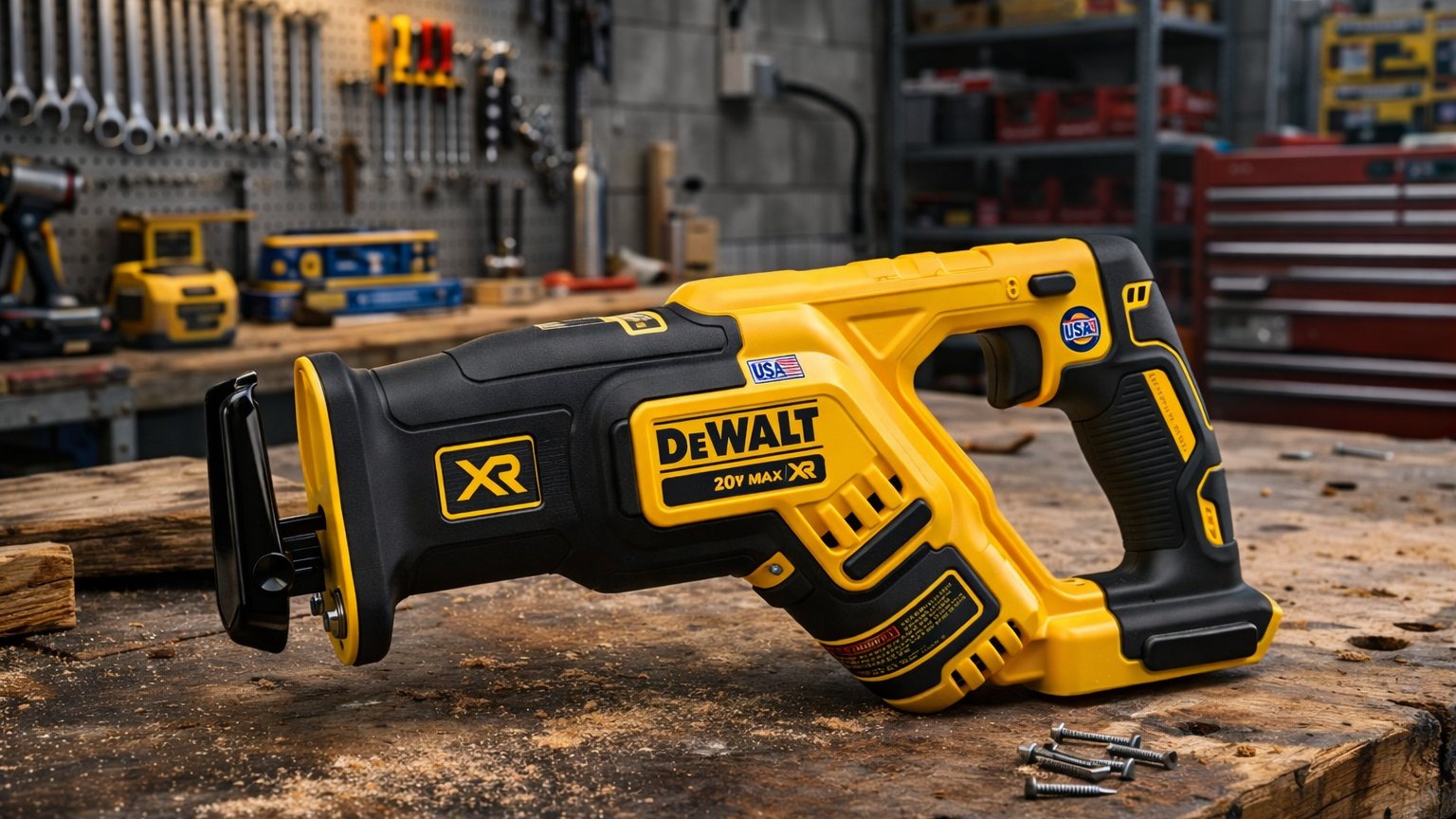
DeWalt DCS367B reciprocating saw
#1 Best Overall Score: 9.5 / 10

DeWalt DCS367B

A compact reciprocating saw that gives beginners an unusually good mix of power, balance, and tight-space access. It feels controlled rather than oversized, which helps new users make cleaner, more confident cuts in wood, PVC, and light demolition tasks.

Control: Excellent Size: Compact Battery: 20V Best For: All Around Use

Pros

  • Easy to handle in tight spaces
  • Strong cutting speed for its size
  • Comfortable for new users

Cons

  • Tool only pricing adds up
  • More vibration than premium anti-vibe models
  • Compact body means shorter reach

Best For

  • DIY beginners
  • General remodeling
  • Tight space cutting
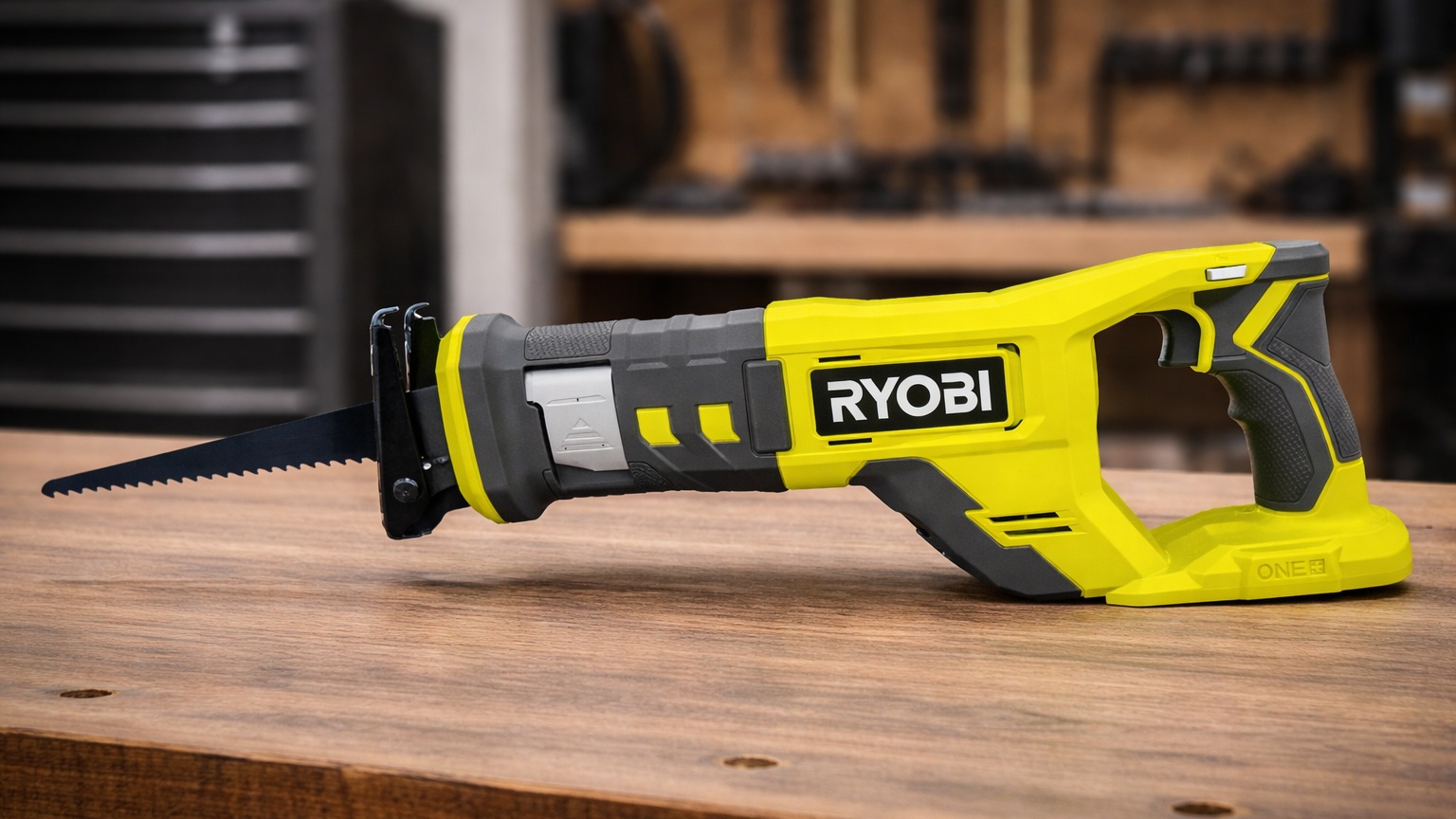
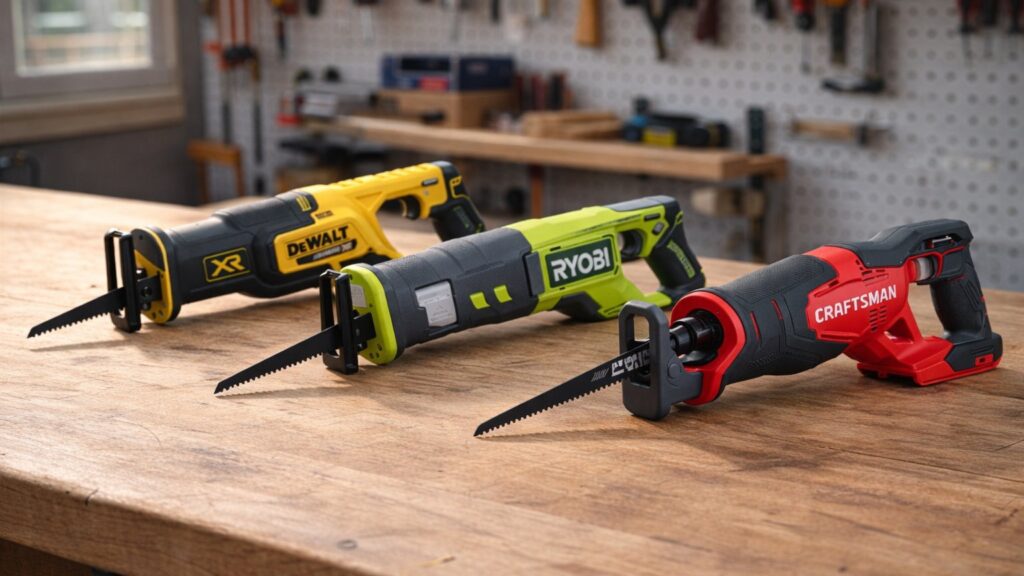
Ryobi PCL515B reciprocating saw
#2 Best for Beginners Score: 9.2 / 10

Ryobi PCL515B

This model keeps things simple in the right ways, with approachable ergonomics and enough cutting ability for common homeowner projects. It is a strong fit for first-time buyers who want a capable saw without stepping into heavier pro-focused territory.

Ease: Very Good Handling: Stable Battery: 18V Best For: Home Projects

Pros

  • Beginner-friendly controls
  • Good value in a popular platform
  • Comfortable grip shape

Cons

  • Not the fastest under heavy load
  • Vibration is noticeable on longer cuts
  • Tool only package for some buyers

Best For

  • First power saw
  • Yard cleanup
  • DIY demolition
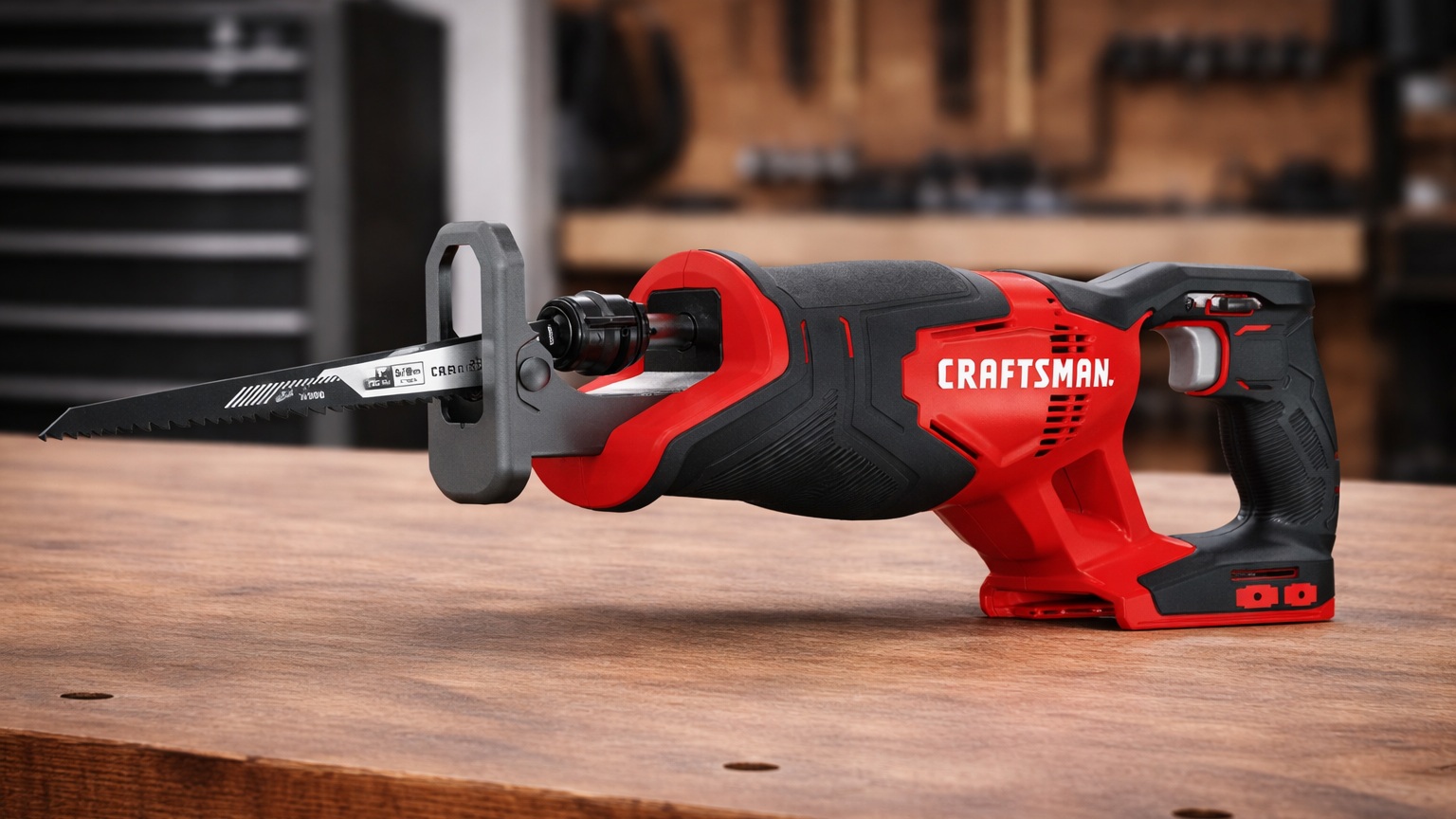
Craftsman CMCS300B reciprocating saw
#3 Best Value Score: 9.0 / 10

Craftsman CMCS300B

A practical entry point for shoppers who want solid cutting performance without paying for a premium badge. It balances cost, usability, and enough real-world power to handle trim removal, pruning, and light remodeling jobs.

Value: Excellent Learning Curve: Easy Battery: V20 Best For: Budget Buyers

Pros

  • Strong overall value
  • Simple blade changes
  • Good homeowner performance

Cons

  • Not as refined as premium models
  • Battery system matters for total value
  • Can feel nose heavy with larger packs

Best For

  • Homeowners
  • Light demo work
  • Starter cordless setup
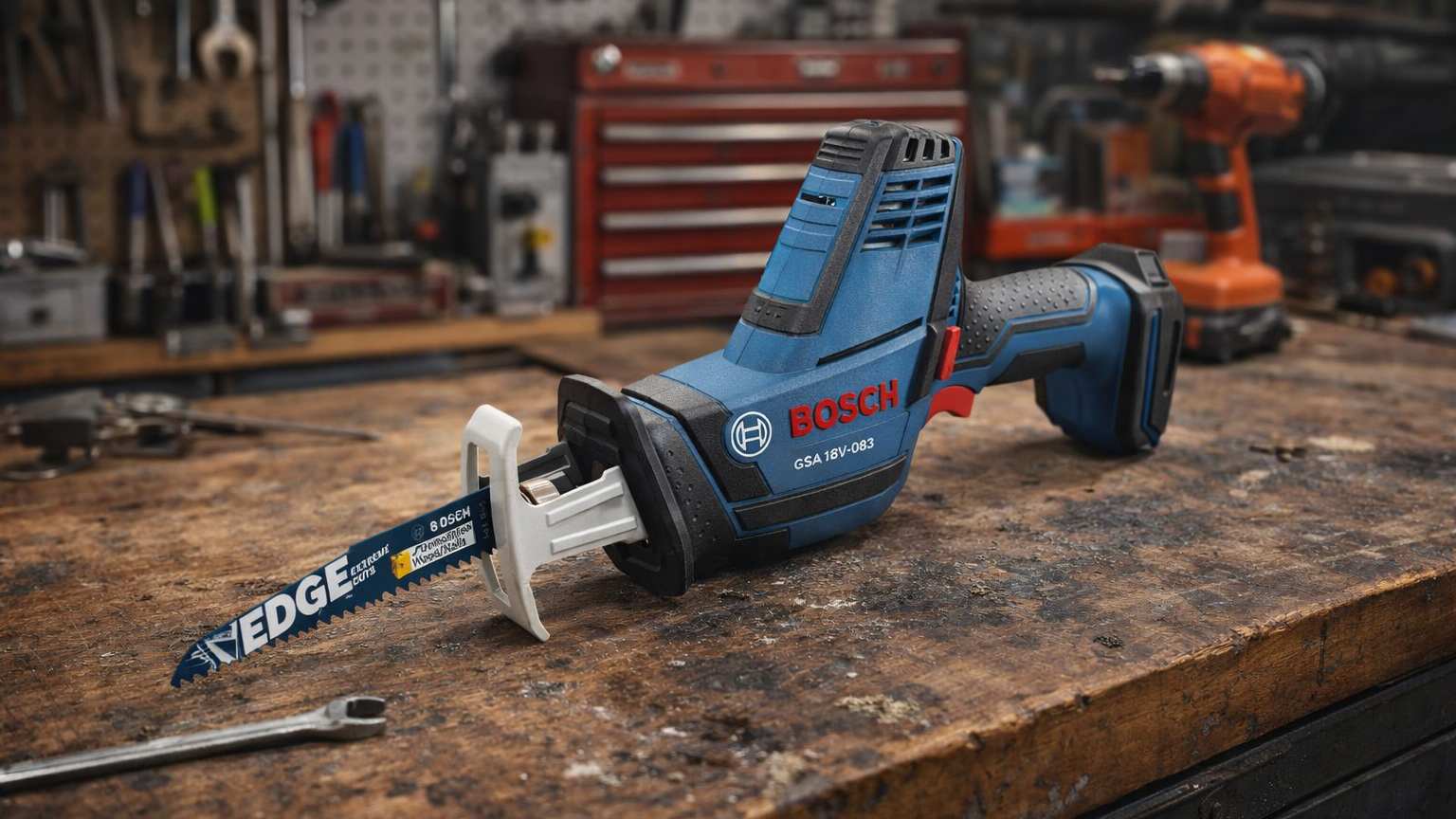
Bosch GSA18V-083B reciprocating saw
#4 Best Compact Score: 8.9 / 10

Bosch GSA18V-083B

If size and control matter more than brute force, this compact Bosch is easy to like. It is especially approachable for beginners working overhead, under sinks, or in awkward cutting positions where a larger saw feels clumsy.

Weight: Light Maneuverability: Excellent Battery: 18V Best For: Tight Spaces

Pros

  • Very manageable size
  • Easy to position accurately
  • Less intimidating for new users

Cons

  • Less suited to aggressive demolition
  • Compact format limits reach
  • Usually sold as tool only

Best For

  • Plumbing access cuts
  • Overhead tasks
  • Controlled trimming
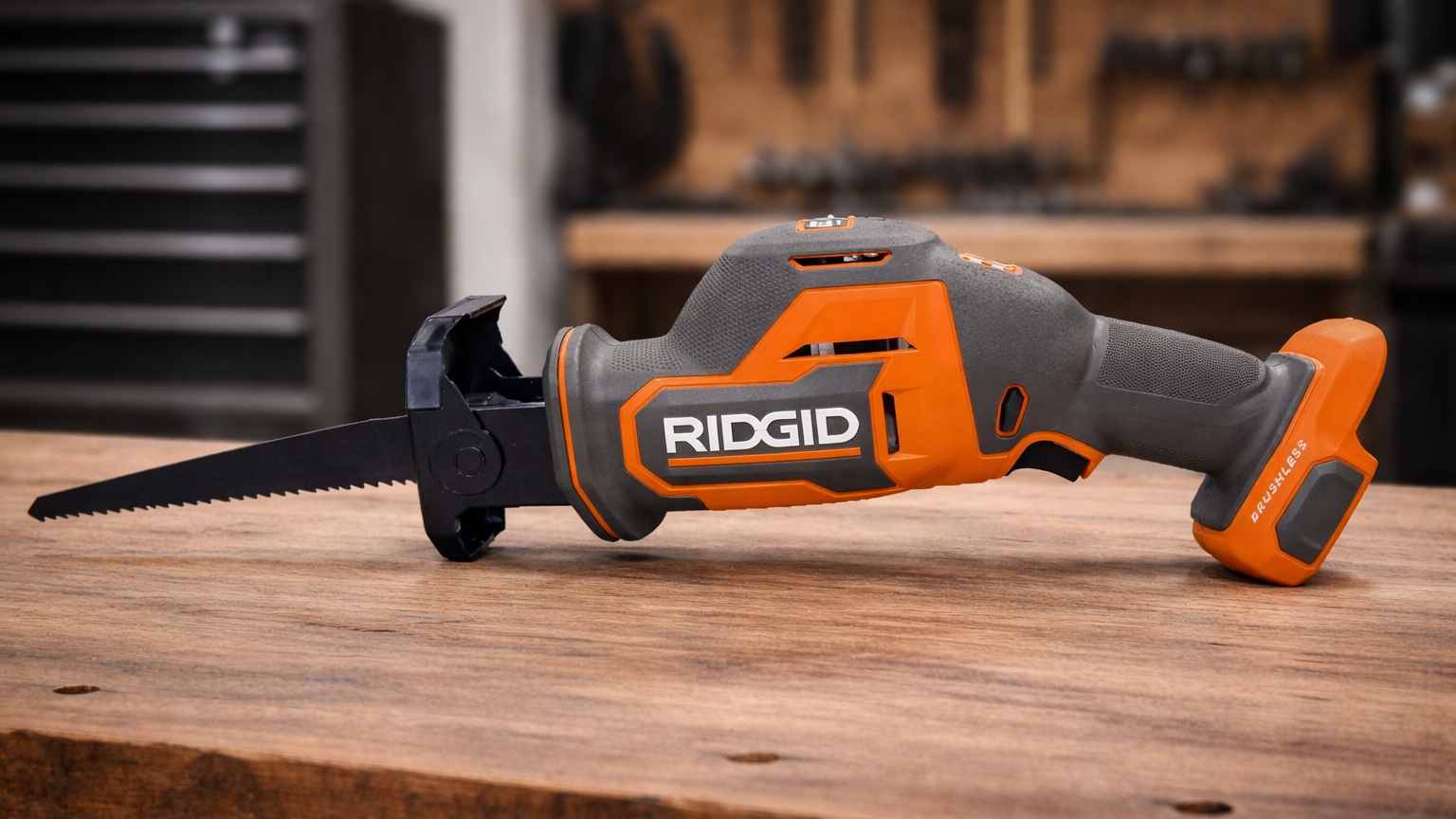
Ridgid R8648B reciprocating saw
#5 Best Balance Score: 8.8 / 10

Ridgid R8648B

This is a good middle-ground pick for beginners who want room to grow without jumping straight to an oversized demolition saw. It offers enough muscle for tougher material while still remaining manageable for casual and intermediate users.

Power: Strong Control: Good Battery: 18V Best For: Skill Growth

Pros

  • Good mix of power and usability
  • Suitable for tougher jobs later
  • Solid overall platform value

Cons

  • Heavier than compact beginner picks
  • Can feel strong for true first-timers
  • Performance depends on battery choice

Best For

  • Home renovation
  • Growing DIYers
  • General demolition
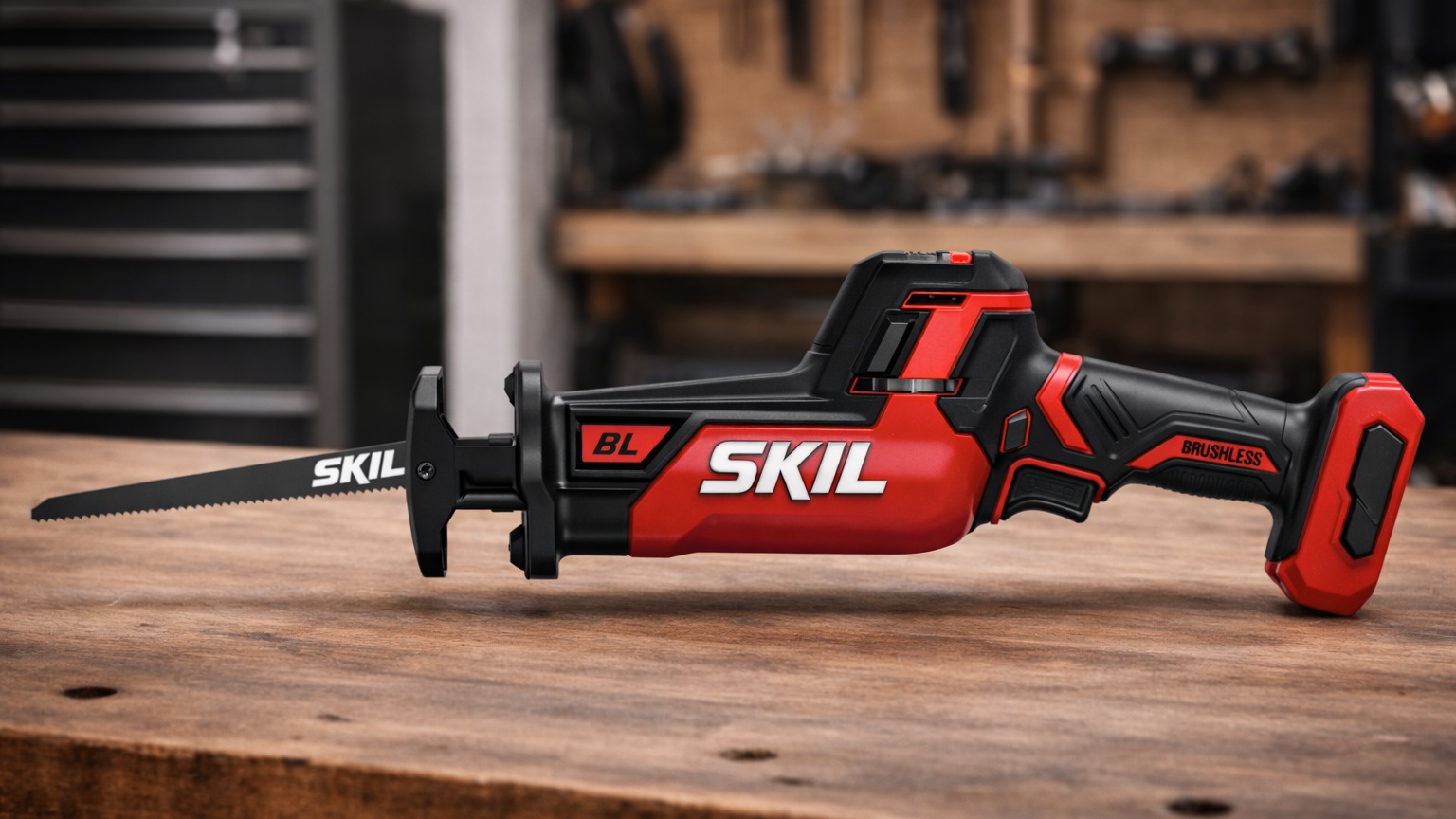
Skil RS582902 reciprocating saw
#6 Best for Home Use Score: 8.7 / 10

Skil RS582902

Skil makes sense for buyers who want useful features and approachable handling without moving into premium pricing. It is a sensible pick for occasional demolition, branch cutting, and everyday homeowner tasks.

Comfort: Good Learning Curve: Friendly Battery: PWRCore 20 Best For: Casual DIY

Pros

  • Easy to pick up and use
  • Good homeowner value
  • Comfortable general handling

Cons

  • Less refined than top-tier options
  • Not ideal for nonstop demolition
  • Platform depth varies by user needs

Best For

  • Home maintenance
  • Light remodeling
  • Yard cutting jobs
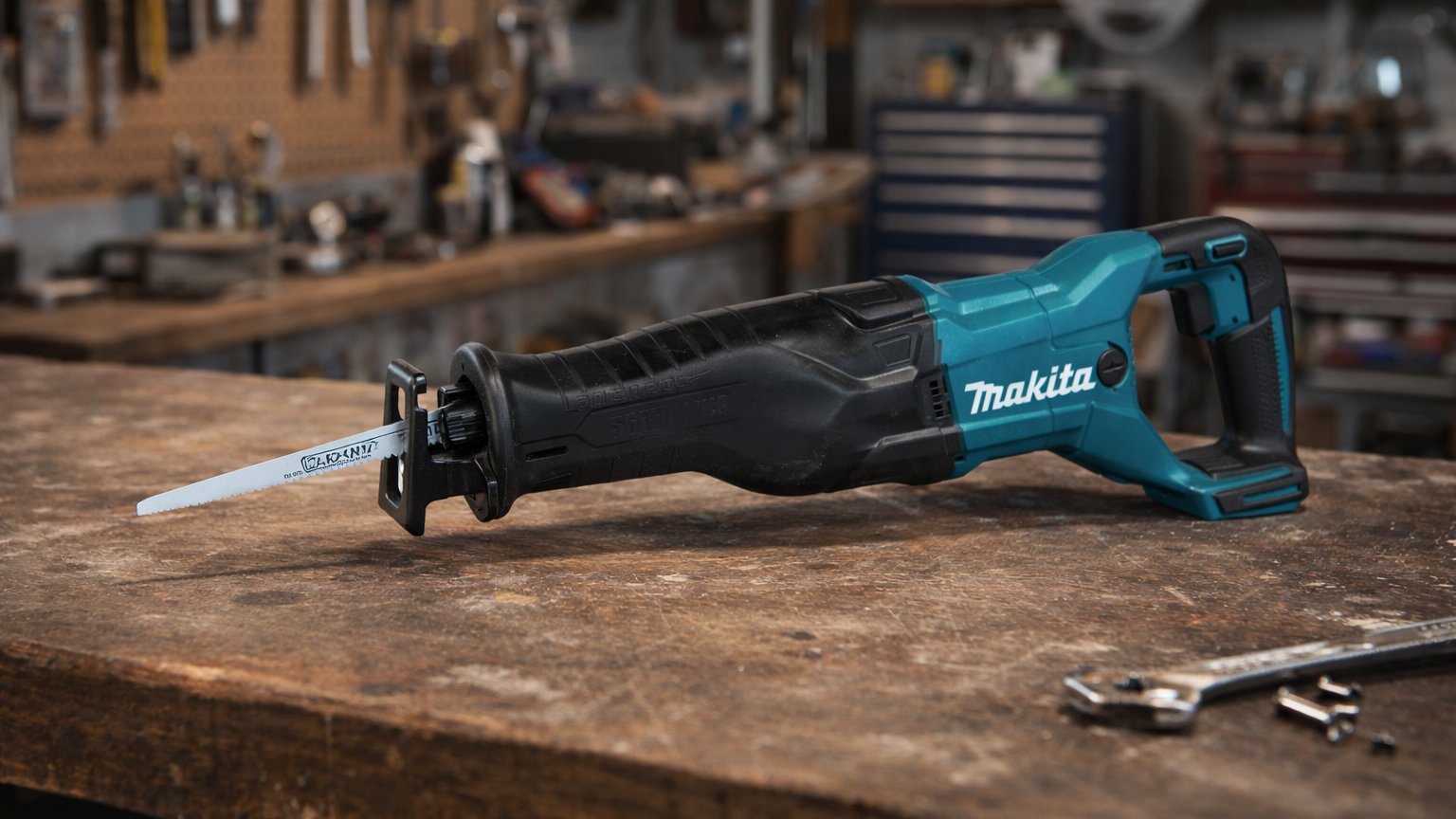
Makita XRJ04Z reciprocating saw
#7 Best One Handed Score: 8.6 / 10

Makita XRJ04Z

This compact style is especially appealing for beginners who prioritize maneuverability over maximum demolition speed. It is easier to guide with one hand in controlled cuts, making it practical for pruning, PVC, and finish-oriented removal work.

Maneuverability: Excellent Weight: Light Battery: 18V Best For: Controlled Cuts

Pros

  • Very easy to maneuver
  • Good for awkward positions
  • Approachable compact format

Cons

  • Less effective for heavier demolition
  • Shorter stroke style limits speed
  • Better as a secondary heavy-use saw

Best For

  • Pruning work
  • PVC cutting
  • Small repairs
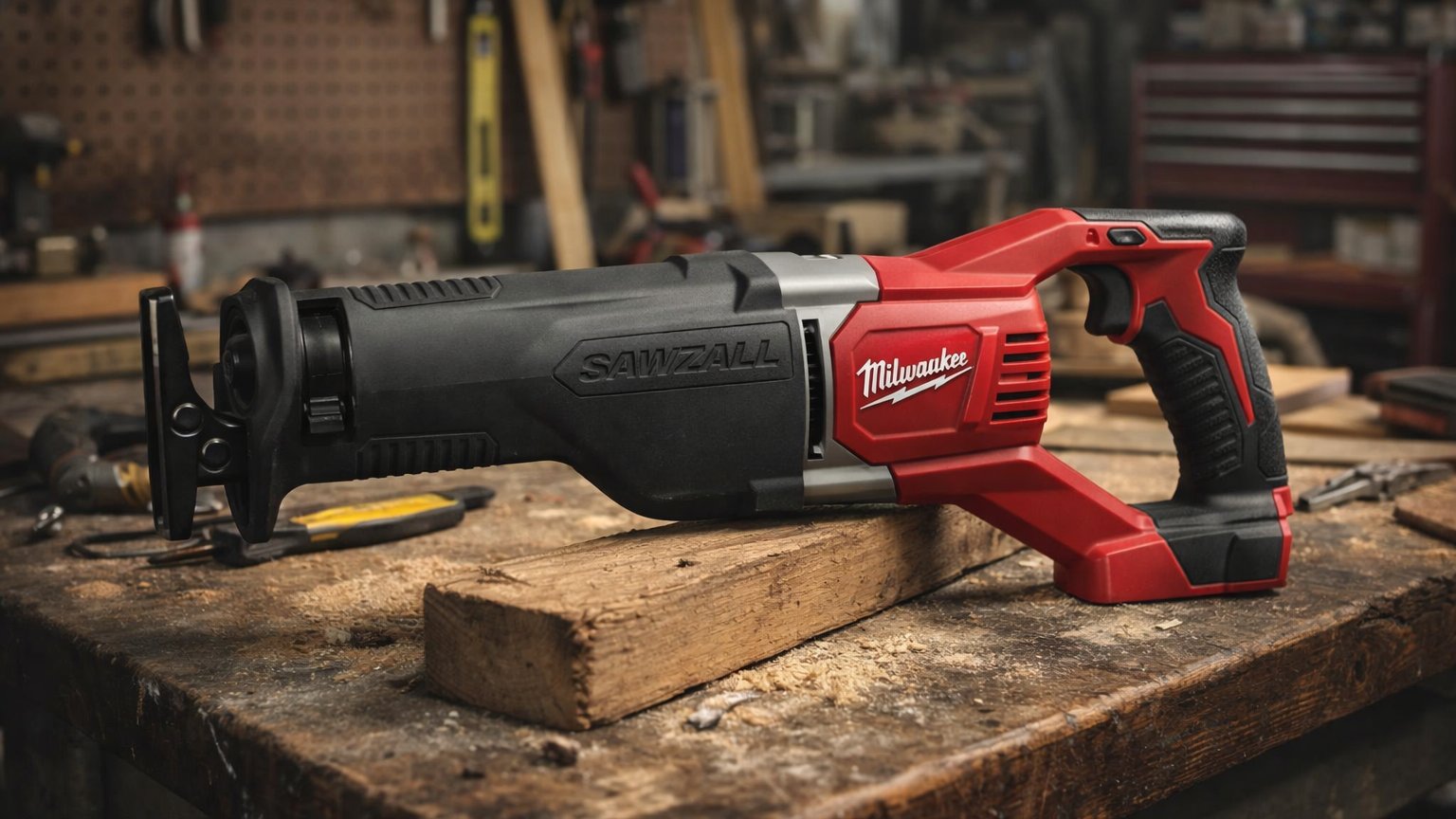
Milwaukee 2621-20 reciprocating saw
#8 Best for Tougher Jobs Score: 8.5 / 10

Milwaukee 2621-20

Beginners who expect to cut more aggressively may appreciate the extra authority this Milwaukee brings. It is not the softest or most beginner-oriented feel in the group, but it rewards users who want stronger performance from the start.

Power: High Durability: Very Good Battery: 18V Best For: Heavier DIY

Pros

  • Strong cutting performance
  • Well-known platform support
  • Suitable for tougher materials

Cons

  • Not the lightest beginner option
  • Can feel aggressive for first-time users
  • Value improves if you own the battery line

Best For

  • Heavier home demo
  • Remodel projects
  • Users wanting more power
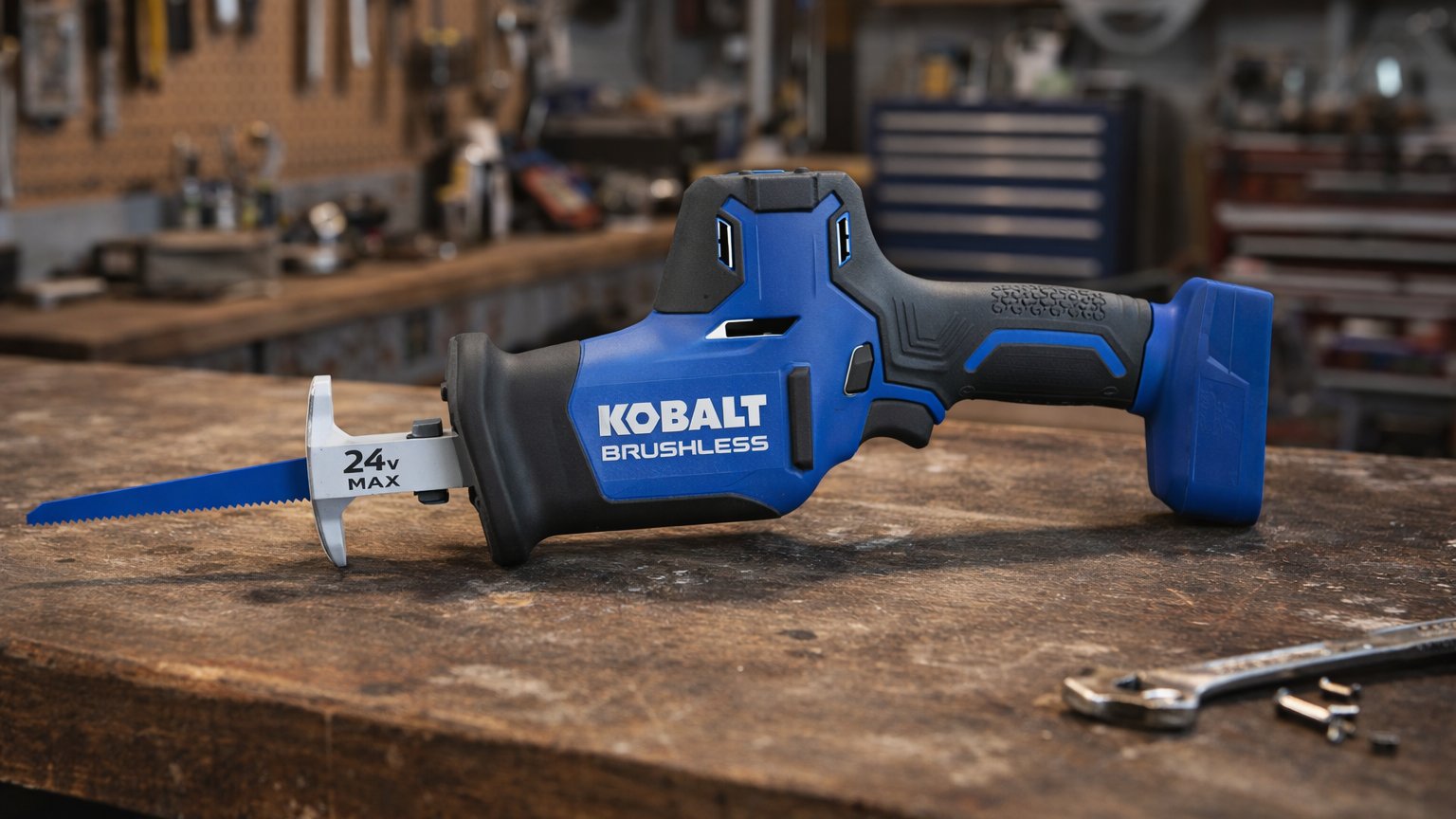
Kobalt KRS 124B-03 reciprocating saw
#9 Best Kit Platform Score: 8.4 / 10

Kobalt KRS 124B-03

Kobalt is a sensible option for shoppers building a practical cordless setup around home improvement use. It gives beginners an accessible platform with enough cutting ability for common cleanup, remodeling, and outdoor tasks.

Usability: Good Runtime: Good Battery: 24V Best For: Platform Buyers

Pros

  • Good homeowner platform value
  • User-friendly feature set
  • Capable for varied home tasks

Cons

  • Less broad ecosystem than major pro brands
  • Not a standout for heavy demo
  • Refinement trails top picks

Best For

  • New cordless systems
  • Home renovation basics
  • Occasional demolition
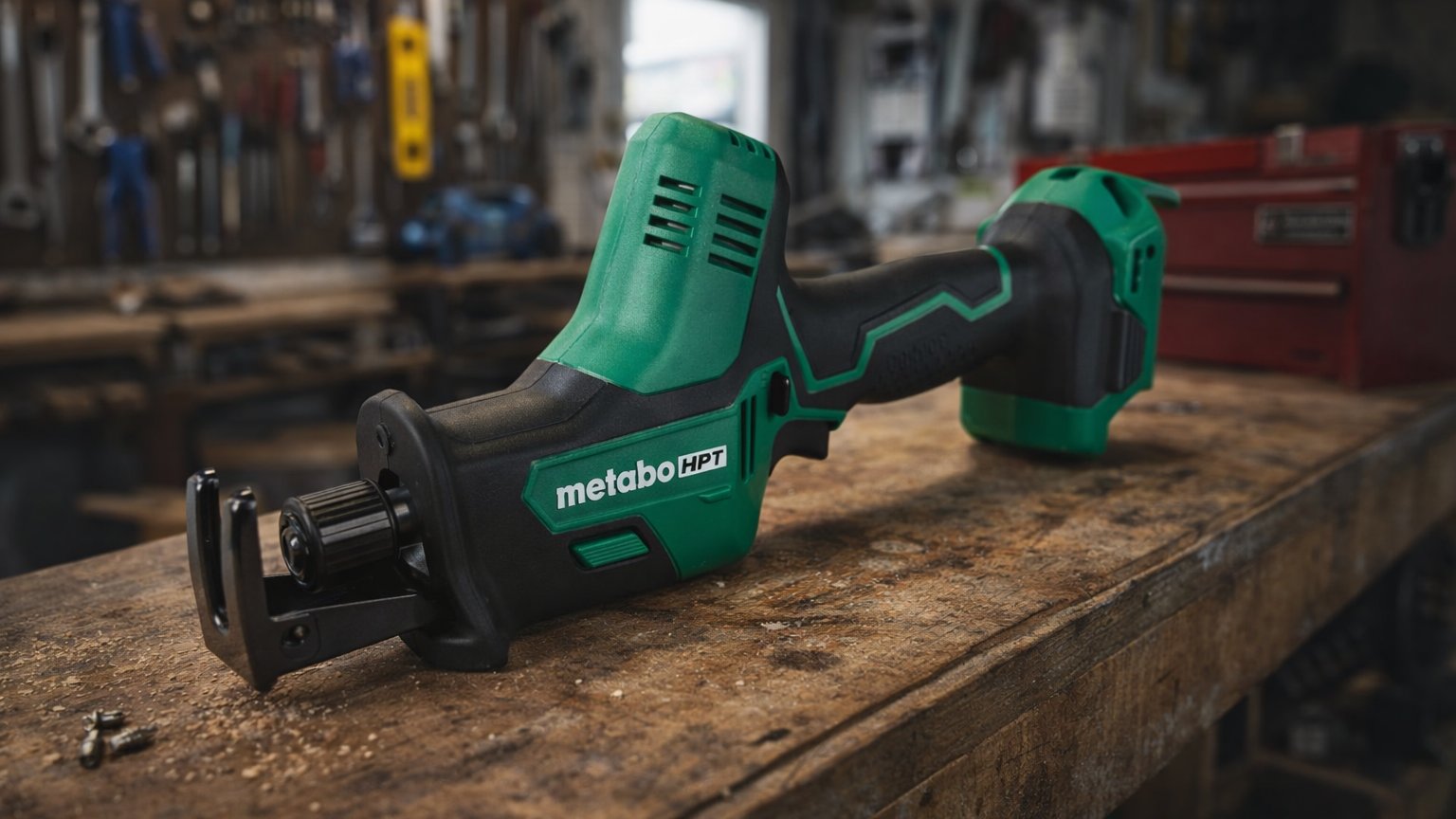
Metabo HPT CR18DAQ4 reciprocating saw
#10 Best Light Duty Score: 8.3 / 10

Metabo HPT CR18DAQ4

This is a practical choice for beginners who want a smaller, less demanding reciprocating saw for lighter work. It fits users focused on trimming, pruning, and occasional repair cuts more than frequent demolition.

Weight: Manageable Control: Good Battery: 18V Best For: Light Tasks

Pros

  • Approachable for lighter use
  • Easier to manage than full-size models
  • Good fit for occasional cutting

Cons

  • Not built for repeated heavy demolition
  • Less versatile than stronger all-around picks
  • May feel limited as skills grow

Best For

  • Pruning
  • Quick repair cuts
  • Occasional homeowners

Methodology

How We Tested

Our rankings for beginner-friendly reciprocating saws are built from comparative category analysis, real-world use priorities, expert consensus, and broad user feedback—organized into a consistent scoring framework that reflects how these tools perform for typical homeowners and first-time buyers.

Our Testing Framework

We evaluate reciprocating saws through a standardized framework built around how beginners actually use them: basic demolition, pruning, PVC cutting, rough remodeling, and general home project work. We focus on tools that are manageable, confidence-inspiring, and broadly useful rather than simply rewarding the most aggressive cutting speed.

  • Cutting performance across common beginner tasks
  • Ease of control, handling, and overall ergonomics
  • Weight, balance, and vibration management
  • Blade change design and everyday usability
  • Value, platform strength, and long-term practicality
Data Sources We Use

Our analysis combines multiple independent inputs to reduce single-source bias and better reflect real ownership experience in this category:

  • Professional reviews and category-specific tool evaluations
  • Verified user feedback from homeowners and working users
  • Manufacturer specifications, manuals, and feature details
  • Known reliability patterns, platform maturity, and product positioning
How We Score & Rank Products

Each reciprocating saw is scored on a 10-point scale using weighted criteria and then ranked against other beginner-appropriate models in the same category. Higher placements reflect stronger real-world usefulness, better control, more balanced performance, and better overall value for the intended user—not just raw power or brand reputation.

  • Performance and cutting effectiveness
  • Build quality and reliability expectations
  • Ease of use, control, and comfort
  • Features, design execution, and usability details
  • Price-to-performance value and battery platform support
What We Don’t Do

To keep our rankings useful and independent:

  • We don’t accept paid placements or sponsored rank positions
  • We don’t favor products because of affiliate payout differences
  • We don’t overreward raw demolition power when it hurts beginner usability
How Often Rankings Are Updated

Rankings are reviewed regularly and updated when new reciprocating saws launch, older models become harder to buy, platform value changes, or new reliability patterns become clear.

Our goal is to keep each list current for real shoppers, especially beginners who need recommendations that still make sense when they are ready to buy.

Side-by-Side Comparisons

Quickly narrow your shortlist. Use this first, then jump to full reviews for your finalists.

# Model Best For Platform Weight Power Feel Why It Won
1 DeWalt DCS367B Best Overall All-around beginner use 20V cordless Light Strong Compact control with broad usefulness
2 Ryobi PCL515B Best for Beginners First-time buyers 18V cordless Medium Moderate-Strong Easy learning curve for home projects
3 Craftsman CMCS300B Best Value Budget-conscious homeowners V20 cordless Medium Moderate-Strong Strong homeowner value without overpaying
4 Bosch GSA18V-083B Best Compact Tight spaces 18V cordless Light Moderate Small format with easy maneuverability
5 Ridgid R8648B Best Balance Growing DIYers 18V cordless Medium-Heavy Strong Power and usability in one package
6 Skil RS582902 Best for Home Use Casual DIY PWRCore 20 cordless Medium Moderate Approachable everyday option for homeowners
7 Makita XRJ04Z Best One Handed Controlled light tasks 18V cordless Light Moderate Easy one-handed control in awkward spots
8 Milwaukee 2621-20 Best for Tougher Jobs Heavier DIY demolition 18V cordless Medium-Heavy Strong Extra cutting authority for tougher work
9 Kobalt KRS 124B-03 Best Kit Platform Starter cordless setup 24V cordless Medium Moderate Practical platform value for new users
10 Metabo HPT CR18DAQ4 Best Light Duty Occasional light work 18V cordless Light Light-Moderate Manageable size for lighter cutting jobs

#1 — DeWalt DCS367B

Best Overall
Best For
All-around beginner use
Platform
20V cordless
Weight
Light
Power Feel
Strong
Why it wonCompact control with broad usefulness

#2 — Ryobi PCL515B

Best for Beginners
Best For
First-time buyers
Platform
18V cordless
Weight
Medium
Power Feel
Moderate-Strong
Why it wonEasy learning curve for home projects

#3 — Craftsman CMCS300B

Best Value
Best For
Budget-conscious homeowners
Platform
V20 cordless
Weight
Medium
Power Feel
Moderate-Strong
Why it wonStrong homeowner value without overpaying

#4 — Bosch GSA18V-083B

Best Compact
Best For
Tight spaces
Platform
18V cordless
Weight
Light
Power Feel
Moderate
Why it wonSmall format with easy maneuverability

#5 — Ridgid R8648B

Best Balance
Best For
Growing DIYers
Platform
18V cordless
Weight
Medium-Heavy
Power Feel
Strong
Why it wonPower and usability in one package

#6 — Skil RS582902

Best for Home Use
Best For
Casual DIY
Platform
PWRCore 20 cordless
Weight
Medium
Power Feel
Moderate
Why it wonApproachable everyday option for homeowners

#7 — Makita XRJ04Z

Best One Handed
Best For
Controlled light tasks
Platform
18V cordless
Weight
Light
Power Feel
Moderate
Why it wonEasy one-handed control in awkward spots

#8 — Milwaukee 2621-20

Best for Tougher Jobs
Best For
Heavier DIY demolition
Platform
18V cordless
Weight
Medium-Heavy
Power Feel
Strong
Why it wonExtra cutting authority for tougher work

#9 — Kobalt KRS 124B-03

Best Kit Platform
Best For
Starter cordless setup
Platform
24V cordless
Weight
Medium
Power Feel
Moderate
Why it wonPractical platform value for new users

#10 — Metabo HPT CR18DAQ4

Best Light Duty
Best For
Occasional light work
Platform
18V cordless
Weight
Light
Power Feel
Light-Moderate
Why it wonManageable size for lighter cutting jobs

FAQ: Reciprocating Saws for Beginners (Buying + Real-World Use)

Quick answers to the questions people actually ask before buying a beginner-friendly reciprocating saw. Expand a topic to get the practical tradeoffs, not just the headline answer.

In-Depth Reviews: What These Reciprocating Saws Are Really Like to Use

These full reviews expand on the Top 10 cards with a deeper look at real-use behavior. We focus on how each reciprocating saw actually feels in beginner-friendly tasks: control at the cut line, vibration, balance, tight-space handling, blade-change ease, and whether the tool stays manageable once the work gets awkward or tiring.

60-second take Real-use breakdown Who it’s for (and not for)
#1 Best Overall Score: 9.5 / 10

DeWalt DCS367B

The safest “one reciprocating saw for most beginners” pick. It gives you real cutting ability without feeling oversized, awkward, or overly aggressive, which is exactly why it stands out as the strongest all-around choice.

Compare Specs

What It’s Great At

  • Balanced control: feels manageable instead of bulky.
  • Tight-space work: compact body helps in awkward cuts.
  • Broad usefulness: strong enough for most beginner jobs.

Watch-Outs

  • Tool-only value: best if the battery platform fits your plans.
  • Heavy demo: compact size is not the same as max demolition authority.
  • Vibration: still more noticeable than premium anti-vibe standouts.

Ideal Buyer

  • Beginners: want one safe all-around recommendation.
  • DIY remodelers: need a capable first reciprocating saw.
  • Homeowners: want control without giving up too much power.
The Real-World Verdict

What makes the DCS367B so easy to recommend is not just that it cuts well. It is that the saw feels composed in the kinds of messy, awkward situations beginners actually run into: trimming old lumber, cutting PVC in tight corners, or making rough demolition cuts where leverage is never perfect. It has enough power to stay useful, but the compact format keeps it from feeling like too much saw for a first-time owner.

Control & Tight-Space Behavior

This is where the DeWalt earns its rank. The shorter, more compact body makes it easier to line up cuts and work around framing, pipes, and overhead positions without constantly fighting the tool.

  • Best use: remodeling, PVC, pruning, and general home demolition.
  • Why it helps beginners: the saw feels easier to place and easier to recover if your angle is not perfect.
Long-Term Ownership Value

For buyers who may add more cordless tools later, this pick makes financial sense beyond the saw itself. It works well as a first saw, but it also does not feel like a stopgap tool you will immediately outgrow.

Who Should Skip
  • Skip it if: you want the cheapest possible entry and care most about upfront price.
  • Skip it if: your main goal is heavier, repeated demolition where a bigger-feeling saw may suit you better.
#2 Best for Beginners Score: 9.2 / 10

Ryobi PCL515B

The most direct “first reciprocating saw” recommendation in the list. It keeps the learning curve approachable while still offering enough cutting ability for the home projects most new buyers actually take on.

Compare Specs

What It’s Great At

  • Beginner-friendly feel: easy to understand and easy to pick up.
  • Home project range: capable enough for common DIY cutting.
  • Ownership value: practical fit for a homeowner tool lineup.

Watch-Outs

  • Heavy demolition: not the strongest-feeling choice in the group.
  • Long cuts: vibration can become more noticeable over time.
  • Battery dependence: total value improves if you stay in the platform.

Ideal Buyer

  • First-time tool buyers: want a saw that feels approachable.
  • Homeowners: doing yard cleanup, trim removal, and occasional demo.
  • DIY users: want capability without pro-level intensity.
The Real-World Verdict

The Ryobi works because it feels like a tool made for real beginners rather than a stripped-down version of a pro saw. It has enough cutting ability to avoid feeling flimsy, but it stays approachable for the kinds of jobs people usually start with: branches, PVC, light wall openings, and rough renovation cleanup.

Learning Curve & Everyday Use

New users often overbuy reciprocating saws. This one avoids that mistake by giving you enough performance for ordinary projects without feeling like it is fighting you.

  • Best use: home maintenance, pruning, light demolition, and repair cuts.
  • Main benefit: fewer surprises in how the saw behaves.
Where It Gives Up Ground to #1
  • The DeWalt feels more composed: especially when cuts get awkward or tighter.
  • The Ryobi feels more budget-conscious: still very usable, but less refined overall.
Who Should Skip
  • Skip it if: you already know tougher demolition is your main use case.
  • Skip it if: you want the smallest compact body for very cramped work.
#3 Best Value Score: 9.0 / 10

Craftsman CMCS300B

The value pick for buyers who want real homeowner usefulness without paying for a premium badge. It handles the common jobs well enough that many people will never feel shortchanged.

Compare Specs

What It’s Great At

  • Price-to-usefulness: sensible capability for ordinary DIY work.
  • Simple ownership: easy to recommend to homeowners.
  • Good basics: handles repair, pruning, and light demo without drama.

Watch-Outs

  • Refinement: not as polished as the top-ranked options.
  • Large batteries: can make the saw feel more nose heavy.
  • Harder use: value is strongest in homeowner lanes, not pro abuse.

Ideal Buyer

  • Budget-minded buyers: want practical performance for less.
  • Homeowners: doing periodic demolition and yard work.
  • DIY users: want a starter cordless saw with fewer compromises than expected.
The Real-World Verdict

The CMCS300B lands exactly where a strong value tool should. It does not pretend to be the most refined or most powerful saw in the list, but it covers the jobs many buyers actually care about and does it at a level that feels worth owning instead of merely “cheap.”

Where the Value Shows Up
  • It feels capable enough: not like a toy version of a reciprocating saw.
  • It suits common tasks: trim removal, branch cutting, repair access, and small demo.
  • It stays rational: especially for buyers who do not want premium-tool pricing.
Where It Trails the Higher Picks

The stronger saws above it feel more composed under tougher cuts, and the most beginner-focused options feel a little easier to guide. Craftsman wins by being broadly useful for the money, not by dominating any single lane.

#4 Best Compact Score: 8.9 / 10

Bosch GSA18V-083B

The smart specialty pick when compact size matters more than brute force. It is easy to understand why this ranks so highly for tighter work, even if it is not the most demolition-oriented saw in the group.

Compare Specs

What It’s Great At

  • Maneuverability: easier to place in awkward work positions.
  • Low intimidation factor: a friendlier format for new users.
  • Access cuts: especially practical under sinks and overhead.

Watch-Outs

  • Heavy demo: less ideal than fuller-size saws for aggressive work.
  • Reach: compact size can feel limiting in some scenarios.
  • Value equation: strongest if the platform already fits your setup.

Ideal Buyer

  • Beginners: who care most about tight-space control.
  • Repair users: doing plumbing access, PVC, and awkward cuts.
  • Homeowners: who value maneuverability over maximum aggression.
The Real-World Verdict

Compact reciprocating saws make sense when your work is cramped, overhead, or simply easier to control with a smaller tool. The Bosch feels like the right answer for buyers who do not want their first saw to feel unwieldy every time the angle gets awkward.

Why Compact Can Be Better
  • It is easier to aim: especially when you are not cutting from a perfect stance.
  • It is less tiring: for overhead work and repeated repositioning.
  • It fits awkward jobs: where a bigger saw starts to feel clumsy.
Who Should Skip
  • Skip it if: you expect heavy remodeling and want a stronger all-around demolition feel.
  • Skip it if: you would rather own one saw that leans more toward bigger jobs than finesse.
#5 Best Balance Score: 8.8 / 10

Ridgid R8648B

A strong middle-lane choice for buyers who want room to grow into tougher projects. It is more saw than the gentlest beginner picks, but still balanced enough to make sense as a long-term DIY option.

Compare Specs

What It’s Great At

  • Power-to-usability mix: stronger feel without becoming a brute-only tool.
  • Growth potential: better fit for users moving into harder jobs.
  • General versatility: practical across renovation and demo tasks.

Watch-Outs

  • Weight feel: more demanding than the easiest beginner picks.
  • True first-timers: may find compact options less intimidating.
  • Battery choice: affects handling more than some buyers expect.

Ideal Buyer

  • Growing DIYers: expect projects to get tougher over time.
  • Renovators: need more cutting confidence than light-duty saws offer.
  • Buyers: who want balance, not just minimum weight.
The Real-World Verdict

The Ridgid makes the most sense for users who already suspect their projects will expand beyond pruning and light repairs. It feels more substantial than the most beginner-soft options, but that extra substance is exactly why it remains useful as your comfort level improves.

Power Feel vs Beginner Ease

This is not the softest learning-curve tool in the list, but it rewards buyers who want one saw that can stay relevant longer.

  • Better than lighter picks: when cuts get tougher.
  • Less friendly than compact picks: if you mainly care about low fatigue and easy handling.
Who Should Skip
  • Skip it if: you want the easiest, lightest first saw possible.
  • Skip it if: your jobs are mostly tight-space repair cuts rather than broader renovation work.
#6 Best for Home Use Score: 8.7 / 10

Skil RS582902

A practical homeowner pick that stays approachable without feeling underpowered for ordinary jobs. It makes the most sense when you want a cordless saw for occasional DIY rather than a tool built around harder demolition.

Compare Specs

What It’s Great At

  • Approachable use: easy to recommend for routine home work.
  • Comfort: comfortable enough for casual DIY sessions.
  • Value lane: sensible fit for non-pro buyers.

Watch-Outs

  • Refinement: does not feel as polished as the higher-ranked picks.
  • Heavy use: not the best match for repeated hard demolition.
  • Ecosystem depth: less persuasive than some broader platforms.

Ideal Buyer

  • Homeowners: want a saw for occasional maintenance and cleanup.
  • DIY users: focused on lighter remodeling and yard work.
  • Value shoppers: who want a capable home-use tool, not a premium setup.
The Real-World Verdict

The Skil succeeds by being easy to live with as a homeowner tool. It is not trying to dominate the whole category. It is trying to be useful, approachable, and practical in the kinds of jobs that justify owning a reciprocating saw in the first place.

Where It Fits Best
  • Best use: casual repairs, pruning, trim removal, and small remodeling tasks.
  • Best owner: someone who wants a tool for occasional use, not constant jobsite duty.
#7 Best One Handed Score: 8.6 / 10

Makita XRJ04Z

A niche-friendly pick that shines when maneuverability matters more than raw demolition speed. If your priorities are pruning, PVC, and light repair cuts, the smaller format can feel more natural than a full-size saw.

Compare Specs

What It’s Great At

  • One-handed use: easier to guide in awkward positions.
  • Compact handling: convenient for lighter, more controlled work.
  • Low fatigue: easier to grab and use quickly.

Watch-Outs

  • Demolition ceiling: not the right fit for tougher tear-out work.
  • Speed feel: less authoritative than larger saws.
  • Role fit: more specialty tool than one-saw-for-everything choice.

Ideal Buyer

  • Pruning users: want easier control and mobility.
  • Repair-focused buyers: cutting PVC and making small access cuts.
  • Makita owners: adding a light-duty specialty saw.
The Real-World Verdict

The XRJ04Z is the kind of saw you choose because you know the jobs you care about do not need a heavier demolition-first tool. For lighter work, it can feel easier, faster, and more natural simply because you spend less energy wrestling the saw itself.

Best Uses for This Format
  • Best use: pruning, PVC, light trim removal, and quick household cuts.
  • Main strength: maneuverability rather than all-out cutting force.
#8 Best for Tougher Jobs Score: 8.5 / 10

Milwaukee 2621-20

A stronger-feeling reciprocating saw that makes sense when your “beginner” phase will include harder cuts and heavier DIY demolition. It is capable, but its personality is more assertive than the easiergoing picks above it.

Compare Specs

What It’s Great At

  • Cutting authority: better fit for tougher material and heavier tasks.
  • Platform strength: works well for buyers already in M18.
  • Serious DIY use: more confident when projects get rougher.

Watch-Outs

  • Beginner ease: not as friendly-feeling as the top picks.
  • Weight burden: can feel more tiring in awkward positions.
  • Overkill risk: unnecessary for lighter household use.

Ideal Buyer

  • DIY remodelers: expect heavier demolition and rough cuts.
  • M18 owners: want a reciprocating saw with more bite.
  • Buyers: comfortable trading some friendliness for stronger performance.
The Real-World Verdict

The Milwaukee is appealing when you want your first reciprocating saw to lean more toward capability than comfort. It rewards users who already know their jobs will be more demanding, but it is not the easiest introduction to the category for casual homeowners.

When the Extra Power Makes Sense
  • Best use: heavier tear-out, tougher materials, and renovation work.
  • Tradeoff: stronger feel usually comes with more fatigue and less finesse.
#9 Best Kit Platform Score: 8.4 / 10

Kobalt KRS 124B-03

A practical pick for buyers building a home-use cordless setup and trying to keep the whole system sensible. The saw itself is solid enough, but its value is most compelling in the context of platform ownership.

Compare Specs

What It’s Great At

  • Starter-platform value: fits buyers building a cordless setup.
  • General home use: capable enough for common tasks.
  • Straightforward ownership: easy to understand and easy to place in a DIY lineup.

Watch-Outs

  • Category standing: does not stand out as strongly as the higher picks.
  • Heavy jobs: not the ideal lane for tougher demolition work.
  • Ecosystem appeal: more limited than the broadest pro-oriented platforms.

Ideal Buyer

  • New cordless buyers: starting a practical home tool system.
  • DIY users: want balanced capability without chasing premium tools.
  • Occasional renovators: need a usable reciprocating saw for periodic projects.
The Real-World Verdict

The Kobalt is less about standing out as a pure reciprocating saw and more about making sense in a bigger homeowner toolkit. If you are buying into a platform and want a saw that covers normal jobs competently, it can be a reasonable choice without pushing you toward a premium lane.

Why Platform Buyers Notice It
  • Main appeal: practical ownership value rather than category-leading performance.
  • Best fit: buyers who want a coherent cordless setup for home improvement work.
#10 Best Light Duty Score: 8.3 / 10

Metabo HPT CR18DAQ4

A light-duty choice for buyers who want a smaller, more manageable reciprocating saw and do not expect demanding demolition. It works best when you stay in its lane rather than asking it to cover everything.

Compare Specs

What It’s Great At

  • Manageable format: easier for lighter, occasional tasks.
  • Low-demand use: works for pruning and quick repair cuts.
  • Approachability: less demanding than larger demolition-style saws.

Watch-Outs

  • Limited ceiling: not the right choice for heavier renovation work.
  • Versatility: easier to outgrow than stronger all-around picks.
  • Category standing: best treated as a light-task specialist.

Ideal Buyer

  • Occasional users: want a reciprocating saw for simple jobs only.
  • Yard and repair users: pruning, quick cuts, and light home fixes.
  • Buyers: who prefer easier handling over broader job coverage.
The Real-World Verdict

The CR18DAQ4 makes the most sense when you are honest about how little reciprocating saw you actually need. For occasional trimming, quick repair cuts, and lighter homeowner use, it can feel simpler and less burdensome than stronger saws. Just do not expect it to behave like a more versatile demolition-oriented option.

Stay in the Right Lane
  • Best use: pruning, small repair tasks, and occasional light-duty cuts.
  • Not ideal for: tougher demolition, broader remodeling, or buyers who expect one saw to do everything.

Key Takeaways

  • DeWalt DCS367B is the safest overall pick for most beginners because it balances power, control, and compact usability better than the rest.
  • Craftsman CMCS300B stands out as the best value choice for buyers who want solid homeowner performance without paying premium-tool prices.
  • Bosch GSA18V-083B is the best special-use pick when tight spaces, overhead work, and compact maneuverability matter more than raw demolition strength.
  • Makita XRJ04Z is one of the easiest lightweight-style options for controlled pruning, PVC, and lighter repair cuts.
  • Battery platform and ownership cost matter: a slightly lower-ranked saw can still be the smarter buy if it fits the cordless system you already own or plan to expand.
  • For most buyers, prioritize balance, control, and manageable weight over chasing the most aggressive saw in the category.

Top Picks

Tap a pick to jump to the full review, or compare specs.

Best Overall DeWalt DCS367B →

Best for Tougher Jobs Milwaukee 2621-20 →

Best Value Craftsman CMCS300B →

Jump to Comparison

Where to Buy

We prioritize reputable sellers, easy returns, and reliable availability.

Price checks happen regularly. Some links may earn a commission—never affects rankings.

Accessories You’ll Want

  • Wood-cutting reciprocating saw blades (good for pruning, rough lumber, and general home demolition where clean speed matters more than finish quality)
  • Metal-cutting blades (useful for nails, pipe, conduit, and mixed-material demolition where the wrong blade wears out fast)
  • Extra battery pack (especially helpful if you are using a cordless saw for longer cleanup, yard work, or back-to-back cuts)
  • Work gloves and safety glasses (simple protection that matters more with reciprocating saw vibration, debris, and awkward cutting angles)
  • Multi-material demolition blade pack (a practical way to handle wood with nails, light metal, and unpredictable teardown jobs without stopping to guess)

Tip: Blade choice often changes the result more than the saw itself, and battery-platform compatibility matters if you plan to add more cordless tools later.