Best Reciprocating Saws for Contractors (Top 10 Picks)

This guide evaluates the best reciprocating saws for contractors, comparing power, durability, ergonomics, and real-world cutting performance to help identify models suited for demanding jobsite applications.

By: Review Streets Research Lab
Updated: April 9, 2026
Approx. 10–12 min read
Best Reciprocating Saws for Contractors (Top 10 Picks)

Best Reciprocating Saws for Contractors (Top 10 Picks)

Our editorial picks ranked by cutting power, vibration control, durability, ergonomics, and jobsite value. Tap any image to expand, or jump to full reviews for deeper specs.

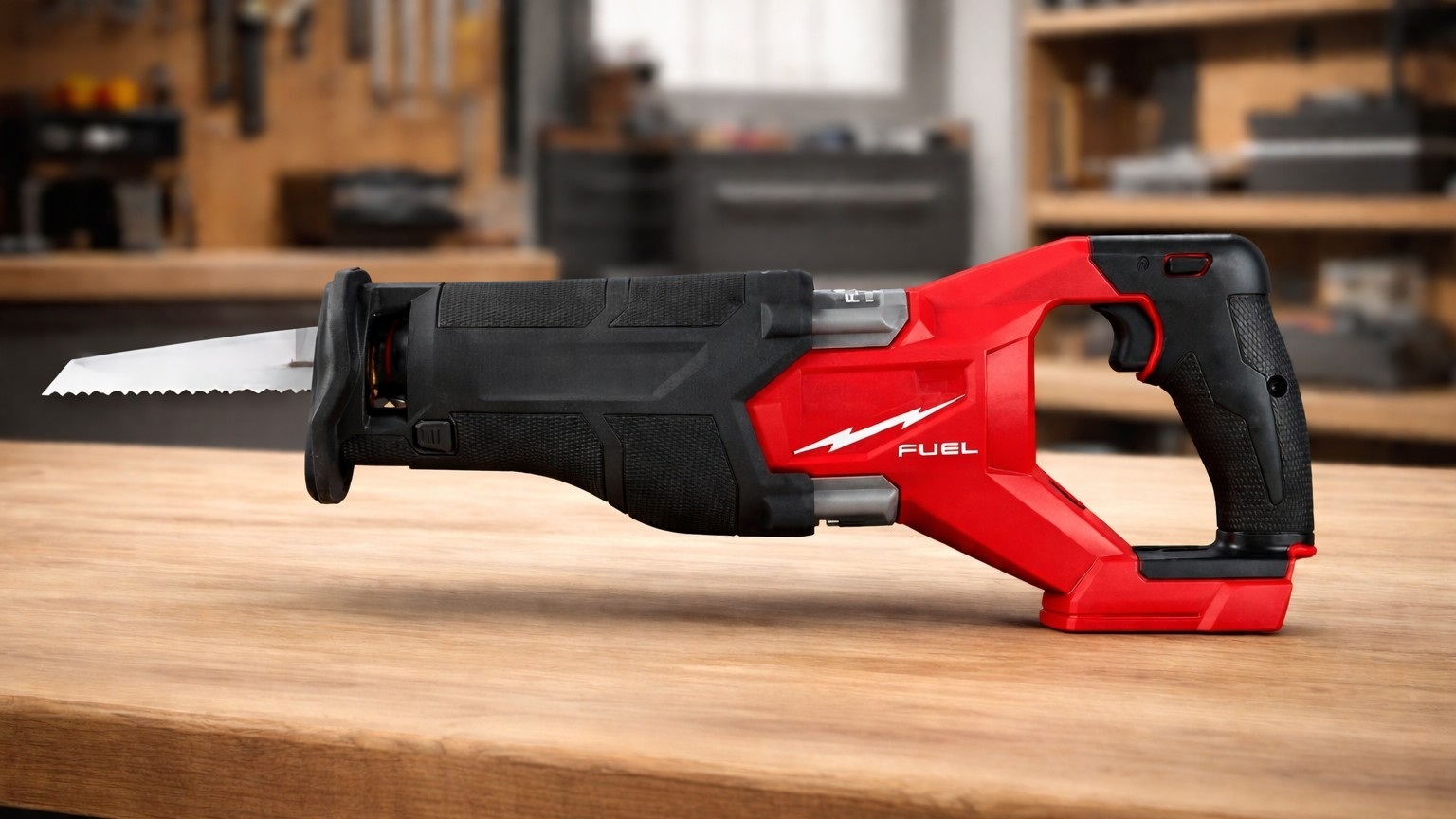
Milwaukee 2822-20 reciprocating saw
#1 Best Overall Score: 9.6 / 10

Milwaukee 2822-20

A heavy-duty cordless Sawzall built for fast demolition, demanding cuts, and daily contractor use. It combines excellent cutting speed, strong durability, and refined electronics in a platform many crews already trust.

Cutting Power: Excellent Vibration: Well Controlled Platform: 18V Best For: Contractors

Pros

  • Fast, confident demolition cutting
  • Rugged build for daily jobsite use
  • Strong battery ecosystem support

Cons

  • Heavy for overhead work
  • Premium bare-tool price
  • Less nimble in very tight spaces

Best For

  • General contractors
  • Remodeling crews
  • Full-size demolition work
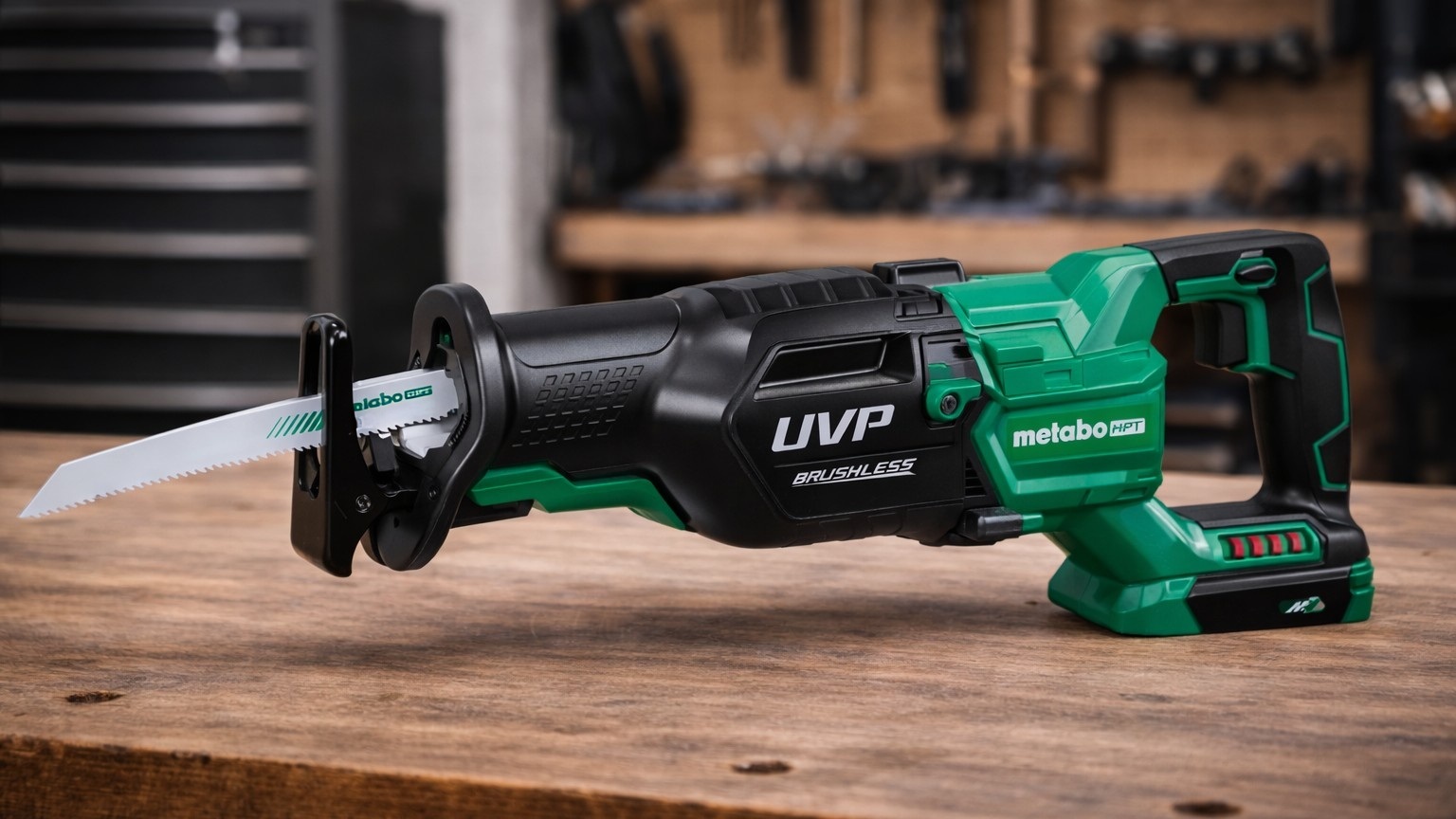
Metabo HPT CR36DAQ4 reciprocating saw
#2 Best for Demolition Score: 9.4 / 10

Metabo HPT CR36DAQ4

This saw leans hard into pro demolition performance with strong output, orbital action, and notably low vibration for its class. The MultiVolt system also gives contractors unusual flexibility on mixed power setups.

Cutting Speed: Excellent Vibration: Low Platform: 36V Best For: Demolition

Pros

  • Very strong full-size performance
  • Orbital mode helps in wood demo
  • Impressive vibration reduction

Cons

  • Heavier than compact rivals
  • MultiVolt ecosystem is smaller
  • Less common on some jobsites

Best For

  • Framing tear-outs
  • Heavy remodeling
  • Contractors needing corded-like feel
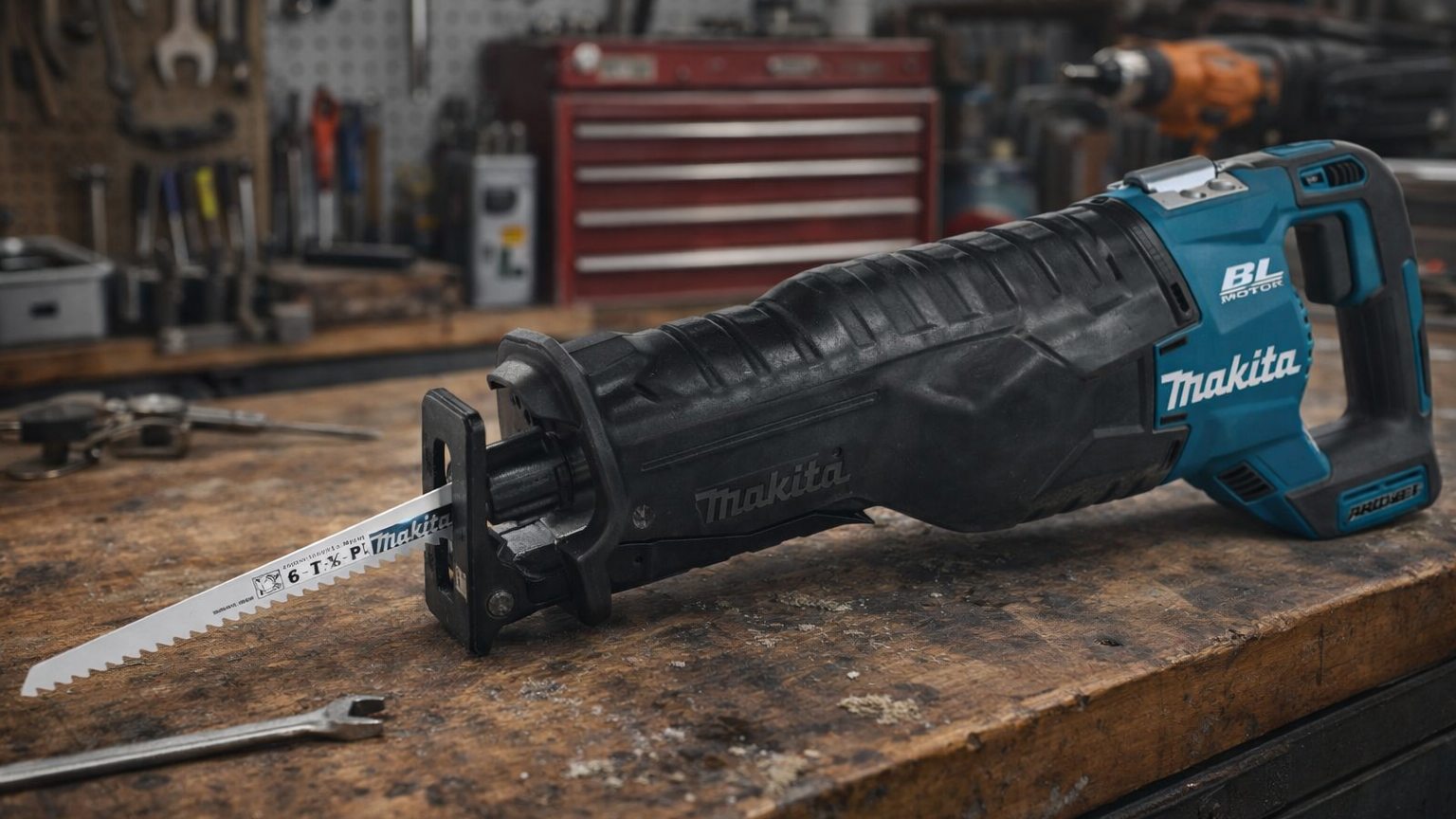
Makita XRJ05Z reciprocating saw
#3 Best for All-Day Use Score: 9.2 / 10

Makita XRJ05Z

The XRJ05Z balances speed, smoothness, and durability unusually well for a full-size cordless recip saw. For contractors who cut all day and care about fatigue, it remains one of the most well-rounded choices.

Balance: Excellent Control: Smooth Platform: 18V Best For: Daily Use

Pros

  • Refined cutting feel
  • Strong power without harshness
  • Good ergonomics for longer sessions

Cons

  • Not the cheapest pro option
  • Battery and charger sold separately
  • Still bulky for confined cuts

Best For

  • Service contractors
  • Mixed-material cutting
  • Frequent everyday use
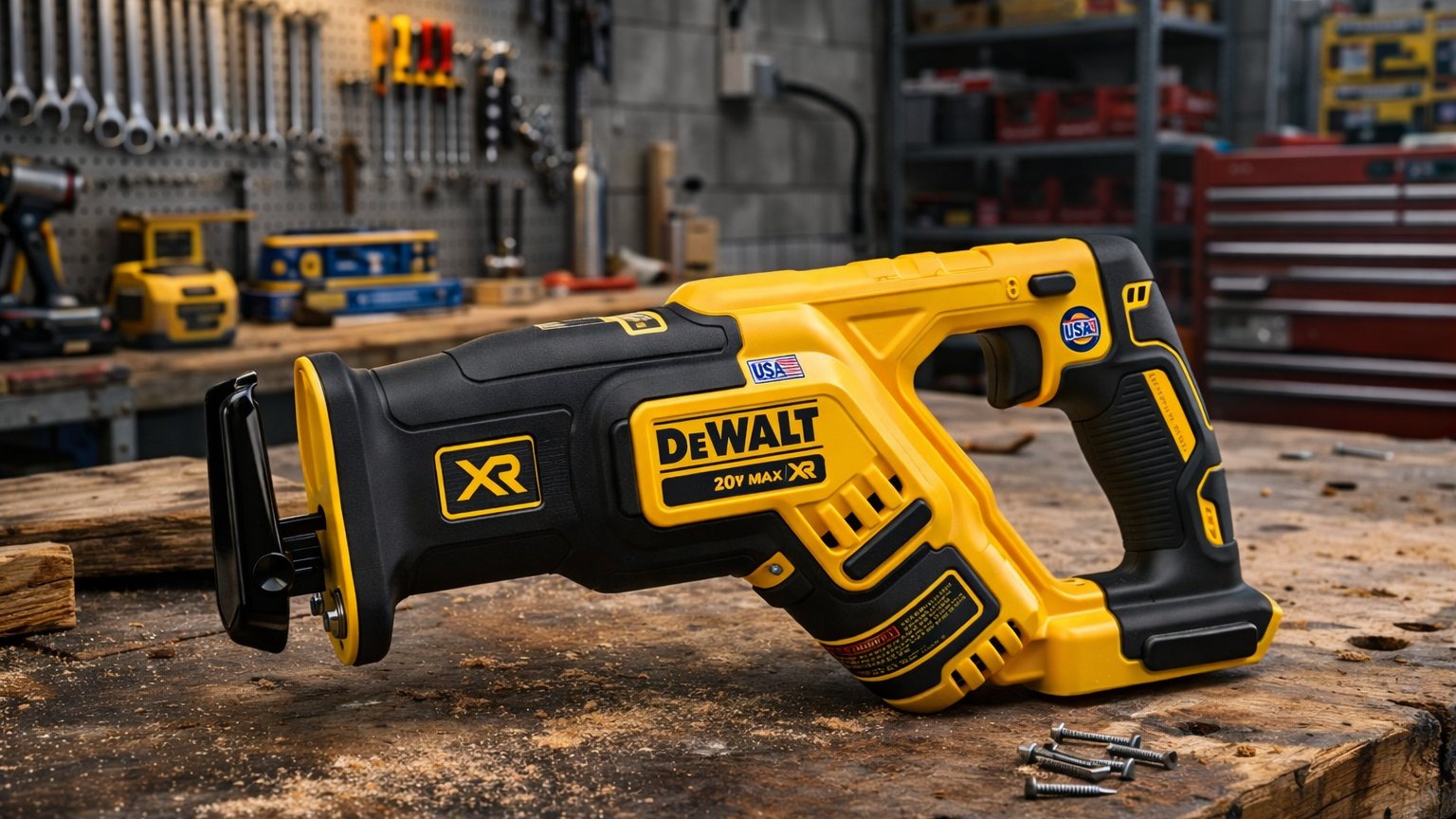
DeWalt DCS367B reciprocating saw
#4 Best Compact Pro Score: 9.0 / 10

DeWalt DCS367B

Compact, familiar, and easy to control, the DCS367B is a strong contractor pick when maneuverability matters more than outright size and stroke. It fits well in remodel, plumbing, and electrical workflows where space gets tight.

Size: Compact Handling: Excellent Platform: 20V Best For: Tight Spaces

Pros

  • Compact length helps between studs
  • Good trigger control
  • Popular battery ecosystem

Cons

  • Less brute force than larger saws
  • Can feel nose-heavy with bigger batteries
  • Not the smoothest under heavy demo loads

Best For

  • Electrical contractors
  • Plumbing rough-ins
  • Compact remodeling cuts
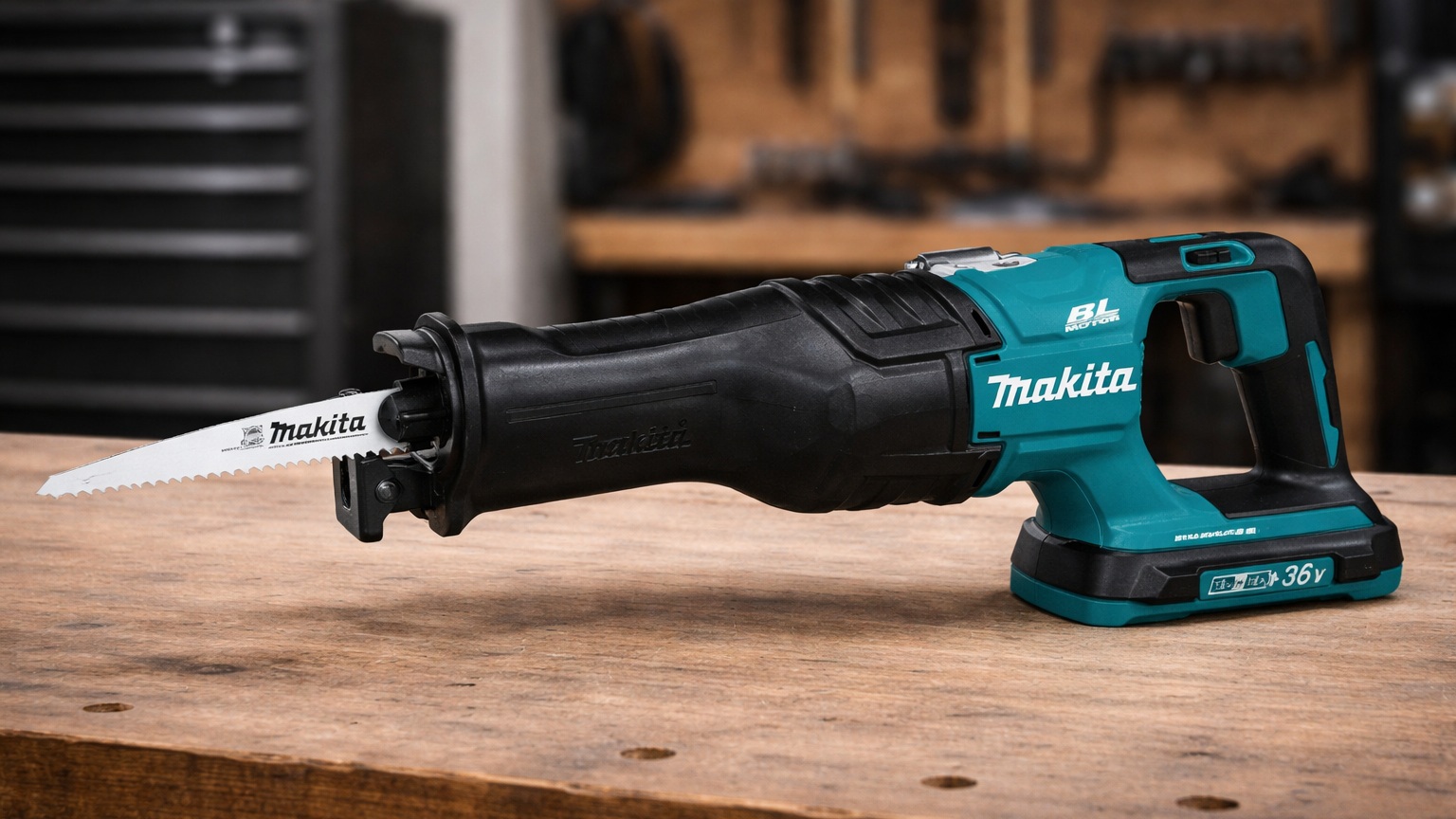
Makita XRJ06Z reciprocating saw
#5 Corded Like Power Score: 8.9 / 10

Makita XRJ06Z

This 18V X2 platform targets contractors who want a powerful full-size saw without stepping back to a cord. It is capable, durable, and especially appealing for users already invested in Makita batteries.

Power: Very Strong Runtime: High Platform: 18V X2 Best For: Heavy Cuts

Pros

  • Strong full-size output
  • Built for demanding jobsite work
  • Good choice for Makita users

Cons

  • Requires two batteries
  • Bulkier than single-battery saws
  • Less attractive for casual users

Best For

  • Demolition crews
  • Framing contractors
  • Users wanting corded-like performance
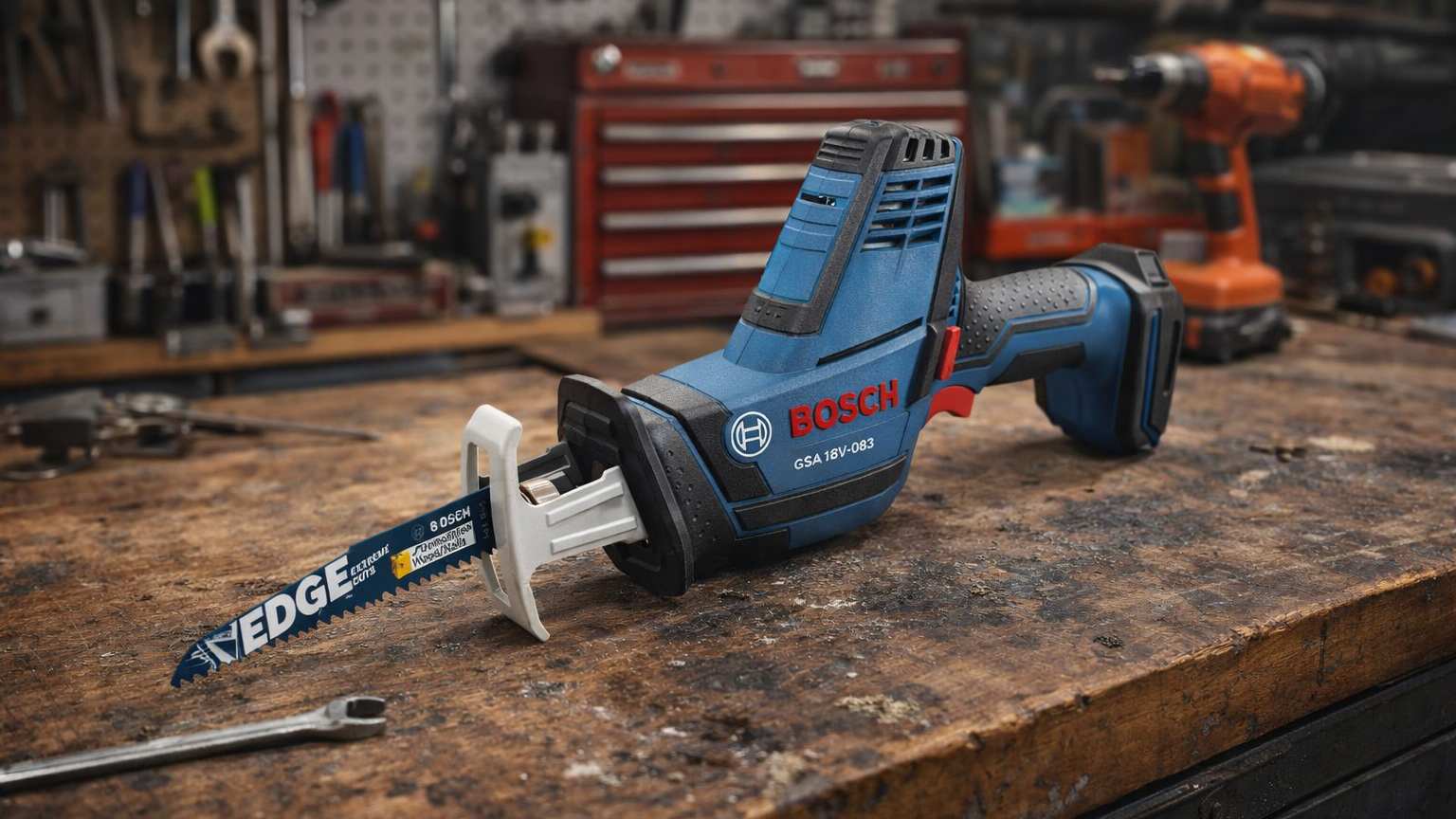
Bosch GSA18V-083B reciprocating saw
#6 Best for Tight Spaces Score: 8.7 / 10

Bosch GSA18V-083B

Bosch built this model around compactness and power-to-weight efficiency rather than maximum demolition mass. It is especially useful for contractors who need a serious saw that stays easier to position in constrained areas.

Weight: Light Maneuvering: Easy Platform: 18V Best For: Confined Work

Pros

  • Excellent power-to-weight ratio
  • Very compact overall footprint
  • Useful for overhead or awkward cuts

Cons

  • Shorter stroke than bigger saws
  • Less ideal for broad demolition runs
  • Bosch cordless ecosystem is smaller than some rivals

Best For

  • Mechanical trades
  • Service work
  • Compact contractor kits
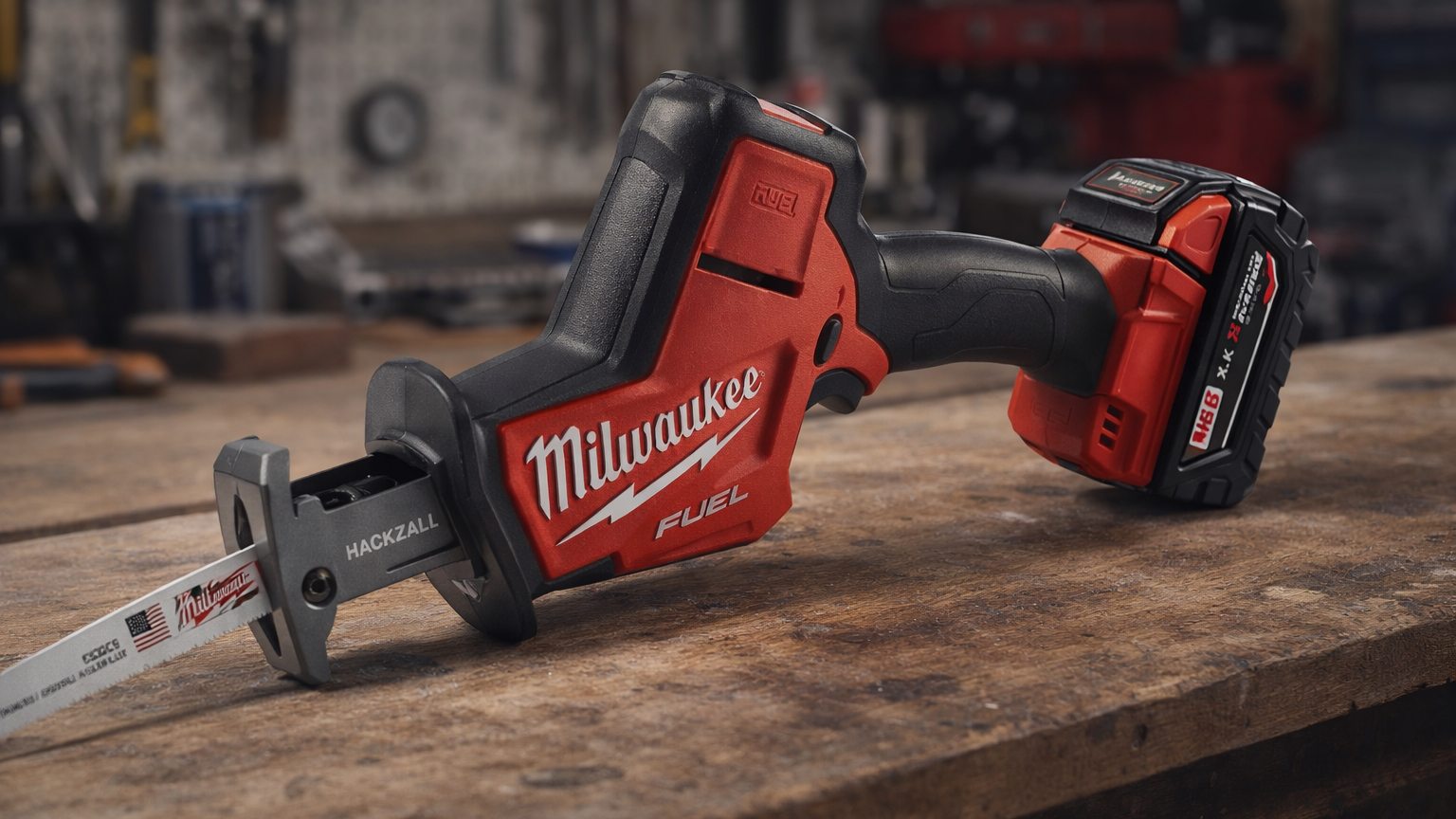
Milwaukee 2719-20 reciprocating saw
#7 Best One Handed Score: 8.6 / 10

Milwaukee 2719-20

The Hackzall format makes this saw appealing when speed, access, and one-handed control matter more than maximum stroke size. It is a practical secondary saw for contractors and a primary saw for lighter service work.

Access: Excellent Control: One Handed Platform: 18V Best For: Service Work

Pros

  • One-handed format is genuinely useful
  • Fast for its size class
  • Easy addition to M18 kits

Cons

  • Not a replacement for a full-size demolition saw
  • Shorter stroke limits heavy teardown efficiency
  • Can transmit more movement in thick stock

Best For

  • Plumbers
  • Electricians
  • Punch-list and service tasks
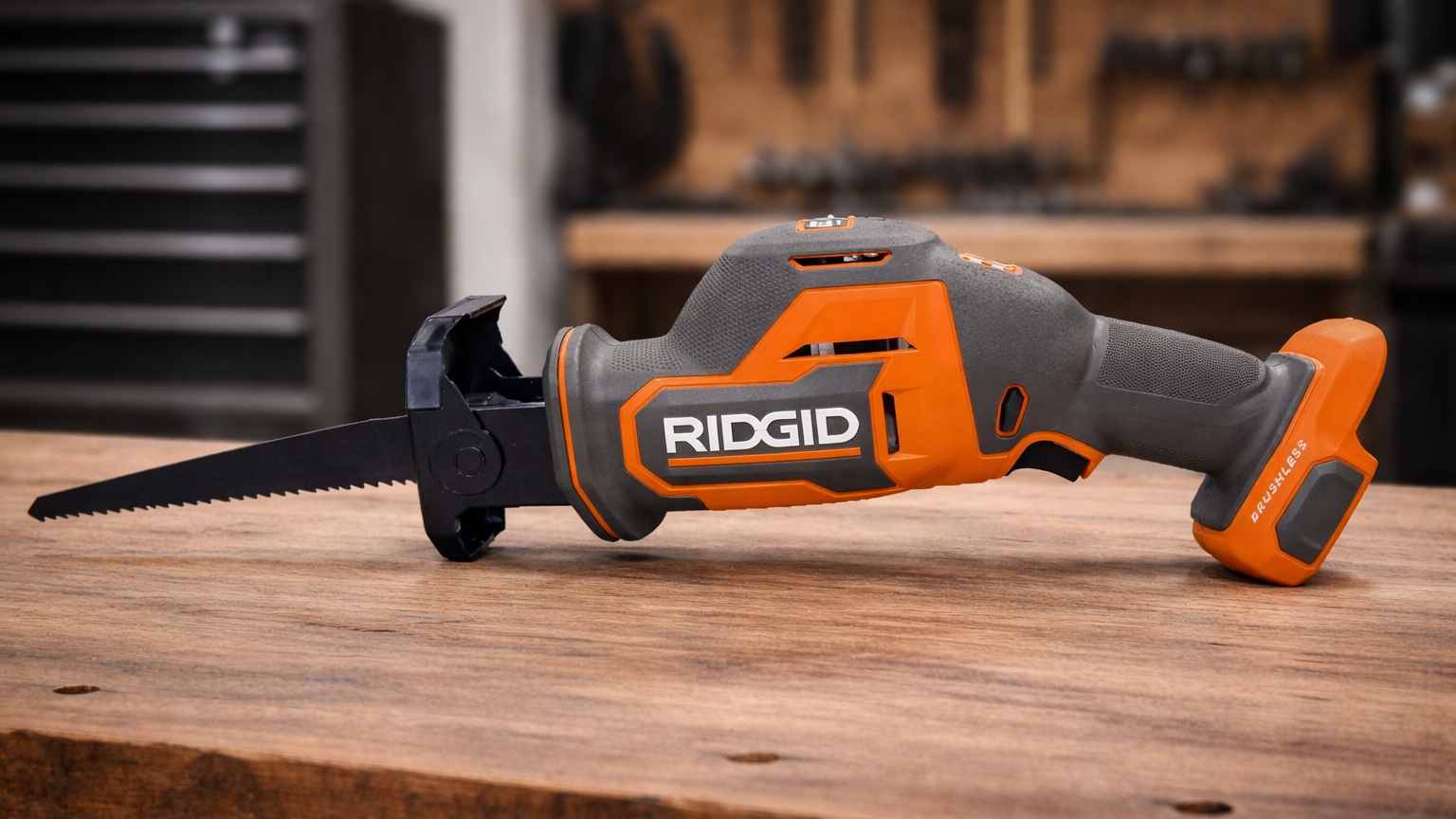
Ridgid R8648B reciprocating saw
#8 Best Value Compact Score: 8.5 / 10

Ridgid R8648B

Ridgid aims this one-handed saw at users who want better cutting performance than typical compact models without stepping up to a full-size tool. For contractors balancing price, access, and portability, it is a smart middle-ground option.

Portability: High Value: Strong Platform: 18V Best For: Compact Work

Pros

  • Lighter and more compact than older Ridgid options
  • Good access for overhead and awkward cuts
  • Attractive value for trade users

Cons

  • Not ideal for long demolition sessions
  • Home Depot exclusivity limits shopping options
  • Compact layout gives up some brute force

Best For

  • Compact contractor bags
  • Overhead cuts
  • Value-focused trade users
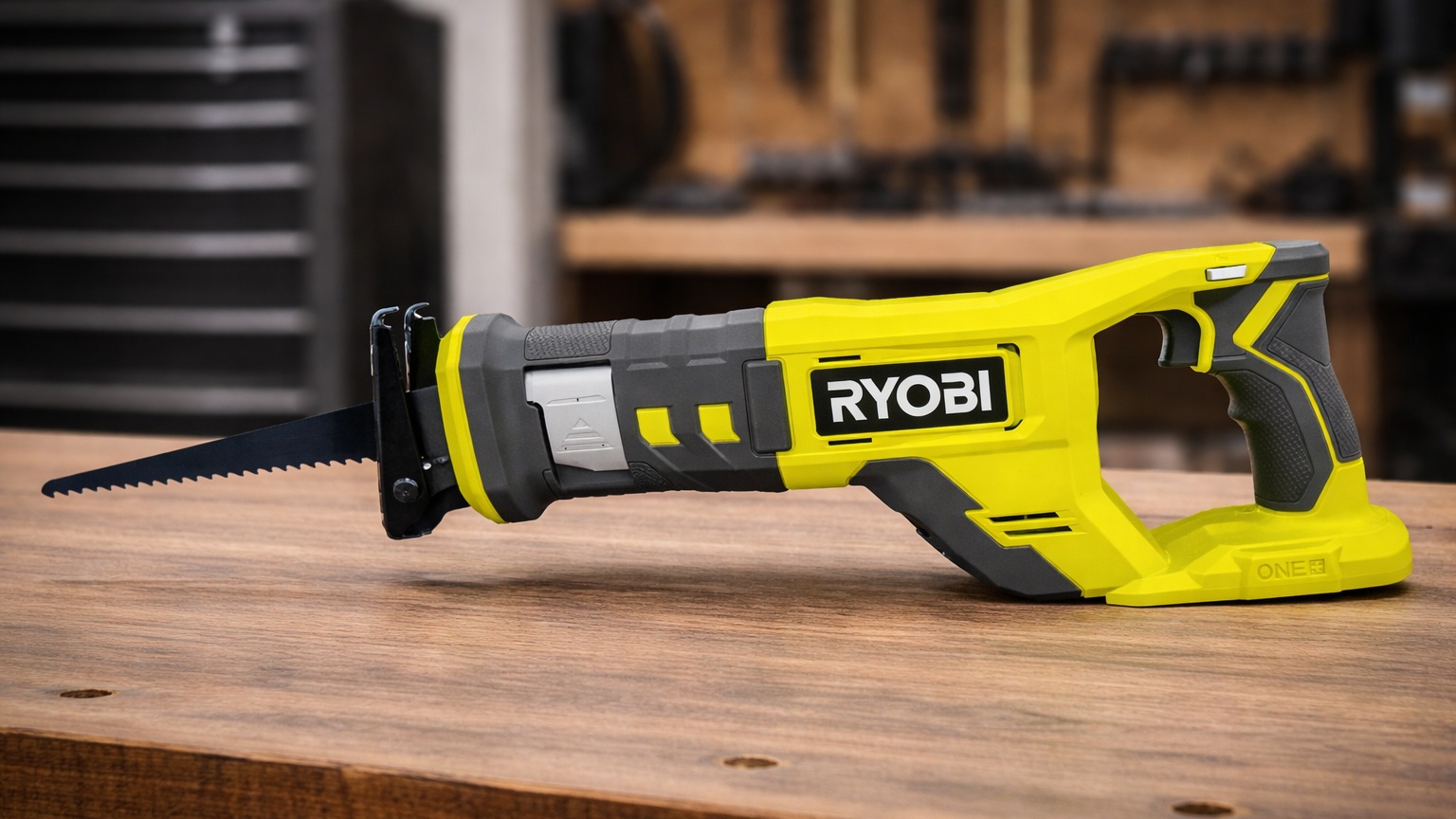
Ryobi PCL515B reciprocating saw
#9 Budget Full Size Score: 8.3 / 10

Ryobi PCL515B

The PCL515B offers respectable full-size cutting specs at a lower entry price than most pro-tier options. It works best as a value pick for lighter contractor use, rental properties, or backup-kit duty.

Price: Low Output: Good Platform: 18V Best For: Backup Use

Pros

  • Affordable entry into cordless reciprocating saws
  • Solid advertised cutting speed
  • Widely available platform

Cons

  • Less refined than contractor-grade leaders
  • More vibration under harder loads
  • Not the best choice for constant demolition

Best For

  • Property maintenance
  • Occasional contractor cutting
  • Budget-conscious buyers
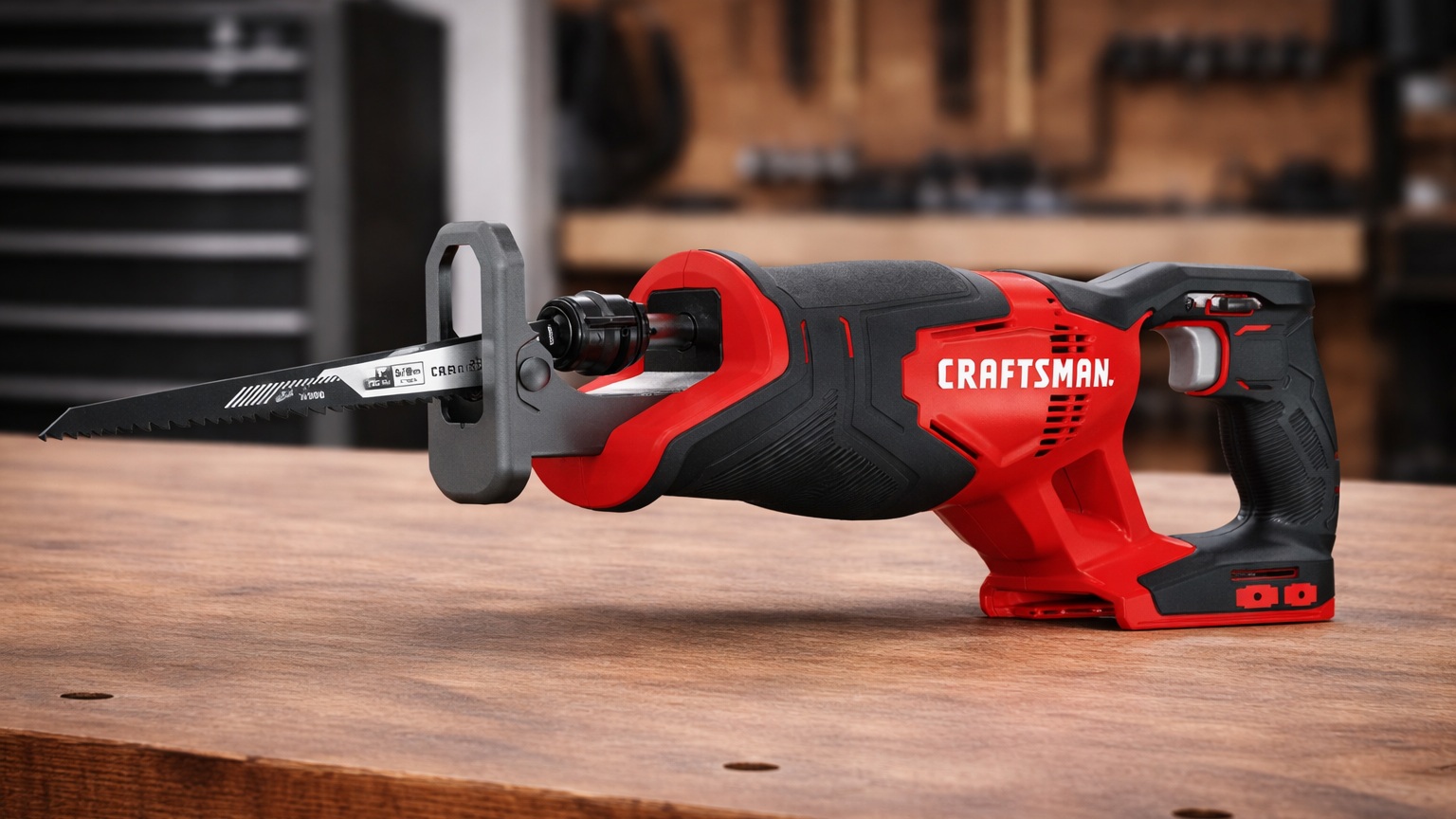
Craftsman CMCS300B reciprocating saw
#10 Light Duty Backup Score: 8.1 / 10

Craftsman CMCS300B

This model is better viewed as an affordable backup or lighter-duty jobsite saw than a front-line demolition tool. It still offers useful control, accessible pricing, and a familiar cordless form for smaller cutting tasks.

Affordability: High Learning Curve: Easy Platform: 20V Best For: Secondary Use

Pros

  • Accessible price point
  • Compact enough for basic jobsite tasks
  • Simple controls for occasional use

Cons

  • Not ideal for sustained professional demolition
  • Lower overall refinement than top picks
  • Less established pro ecosystem support

Best For

  • Backup truck kit
  • Light remodeling work
  • Lower-frequency cutting

Methodology

How We Tested

Our rankings are built from real-world cutting priorities, contractor-oriented use cases, expert consensus, and broad user feedback—organized into a consistent scoring framework for reciprocating saws.

Our Testing Framework

We evaluate reciprocating saws using a contractor-focused framework that reflects how these tools are actually used on jobsites, in remodeling work, and during demolition—not just how they compare on paper.

  • Cutting speed and confidence across common jobsite materials
  • Control, balance, and vibration during repeated use
  • Size, weight, and access in tight or awkward positions
  • Build quality, durability, and day-to-day reliability
  • Battery platform strength and overall value for working users
Data Sources We Use

Our analysis combines multiple inputs so rankings are not driven by any single review, spec sheet, or brand claim:

  • Professional tool reviews and trade-focused evaluations
  • Verified owner feedback from contractors and frequent users
  • Manufacturer specifications, feature sets, and platform details
  • Known reliability patterns, update cycles, and long-term reputation trends
How We Score & Rank Products

Each reciprocating saw is scored on a 10-point scale using weighted criteria. Rankings reflect comparative performance within this category, with extra attention paid to how well each model fits real contractor needs.

  • Cutting performance and real-world results
  • Build quality and reliability
  • Ease of use, ergonomics, and vibration control
  • Design execution, features, and platform support
  • Price-to-performance value within its class
What We Don’t Do

To keep our rankings useful and editorially independent:

  • We don’t accept paid placements or sponsored ranking positions
  • We don’t rank saws based on affiliate payouts or retailer relationships
  • We don’t treat brand reputation alone as a substitute for category fit
How Often Rankings Are Updated

Rankings are reviewed regularly and updated when meaningful changes happen, including new model releases, notable availability shifts, major pricing changes, or emerging durability patterns.

Our goal is to keep each list current, comparative, and genuinely practical for buyers deciding between today’s most relevant reciprocating saw options.

Side-by-Side Comparisons

Quickly narrow your shortlist. Use this first, then jump to full reviews for your finalists.

# Model Best For Platform Weight Power Feel Why It Won
1 Milwaukee 2822-20 Best Overall Contractors 18V cordless Heavy Very strong Fast cutting + rugged platform
2 Metabo HPT CR36DAQ4 Best for Demolition Heavy demolition 36V cordless Heavy Very strong Orbital speed + low vibration
3 Makita XRJ05Z Best for All-Day Use Frequent daily use 18V cordless Medium-Heavy Strong Balanced feel for long sessions
4 DeWalt DCS367B Best Compact Pro Tight spaces 20V cordless Medium Strong Compact access + pro control
5 Makita XRJ06Z Corded Like Power Heavy cuts 18V X2 cordless Heavy Very strong High output without a cord
6 Bosch GSA18V-083B Best for Tight Spaces Confined work 18V cordless Light Moderate-Strong Compact size + useful power
7 Milwaukee 2719-20 Best One Handed Service work 18V one-handed Light Moderate-Strong One-handed access + speed
8 Ridgid R8648B Best Value Compact Compact trade use 18V one-handed Light Moderate Portable value for trade users
9 Ryobi PCL515B Budget Full Size Backup use 18V cordless Medium-Heavy Moderate Affordable full-size entry point
10 Craftsman CMCS300B Light Duty Backup Secondary use 20V cordless Medium Moderate Simple backup for lighter cuts

#1 — Milwaukee 2822-20

Best Overall
Best For
Contractors
Platform
18V cordless
Weight
Heavy
Power Feel
Very strong
Why it wonFast cutting + rugged platform

#2 — Metabo HPT CR36DAQ4

Best for Demolition
Best For
Heavy demolition
Platform
36V cordless
Weight
Heavy
Power Feel
Very strong
Why it wonOrbital speed + low vibration

#3 — Makita XRJ05Z

Best for All-Day Use
Best For
Frequent daily use
Platform
18V cordless
Weight
Medium-Heavy
Power Feel
Strong
Why it wonBalanced feel for long sessions

#4 — DeWalt DCS367B

Best Compact Pro
Best For
Tight spaces
Platform
20V cordless
Weight
Medium
Power Feel
Strong
Why it wonCompact access + pro control

#5 — Makita XRJ06Z

Corded Like Power
Best For
Heavy cuts
Platform
18V X2 cordless
Weight
Heavy
Power Feel
Very strong
Why it wonHigh output without a cord

#6 — Bosch GSA18V-083B

Best for Tight Spaces
Best For
Confined work
Platform
18V cordless
Weight
Light
Power Feel
Moderate-Strong
Why it wonCompact size + useful power

#7 — Milwaukee 2719-20

Best One Handed
Best For
Service work
Platform
18V one-handed
Weight
Light
Power Feel
Moderate-Strong
Why it wonOne-handed access + speed

#8 — Ridgid R8648B

Best Value Compact
Best For
Compact trade use
Platform
18V one-handed
Weight
Light
Power Feel
Moderate
Why it wonPortable value for trade users

#9 — Ryobi PCL515B

Budget Full Size
Best For
Backup use
Platform
18V cordless
Weight
Medium-Heavy
Power Feel
Moderate
Why it wonAffordable full-size entry point

#10 — Craftsman CMCS300B

Light Duty Backup
Best For
Secondary use
Platform
20V cordless
Weight
Medium
Power Feel
Moderate
Why it wonSimple backup for lighter cuts

FAQ: Reciprocating Saws (Buying + Real-World Use)

Quick answers to the questions contractors and serious buyers actually ask before they choose a reciprocating saw. Expand a topic for the practical tradeoffs.

In-Depth Reviews: What These Reciprocating Saws Are Really Like to Use

These full reviews expand on the Top 10 cards with a deeper look at real-use behavior. This is the “beyond the spec sheet” part of our Top 10. We focus on real cutting behavior: control under load, vibration, balance, access in tight spaces, fatigue over time, and the design details that decide whether a reciprocating saw feels dependable or frustrating once work gets messy.

60-second take Real-use breakdown Who it’s for (and not for)
#1 Best Overall Score: 9.6 / 10

Milwaukee 2822-20

The safest all-around pick for contractors who want one full-size cordless reciprocating saw that covers demolition, remodeling, and repeated daily use without feeling compromised.

Compare Specs

What It’s Great At

  • Demolition pace: cuts quickly and confidently through typical contractor materials.
  • Daily use: built to feel durable and jobsite-ready over time.
  • Platform strength: fits into one of the deepest cordless systems available.

Watch-Outs

  • Weight: not the easiest saw for overhead or awkward one-handed work.
  • Price: better justified if it will see regular use.
  • Tight spaces: compact models are easier when room is limited.

Ideal Buyer

  • General contractors: want a dependable full-size daily driver.
  • Remodeling crews: need broad jobsite versatility.
  • Milwaukee users: want a strong primary saw in M18.
The Real-World Verdict

This saw wins because it does not force a tradeoff between broad contractor usefulness and high-end cutting performance. It feels strong in demolition, dependable in mixed remodeling work, and familiar enough to become a default grab on busy jobsites. The important part is not just that it cuts hard, but that it does so with the kind of predictability and platform support that make ownership easier over time.

Cutting Feel & Control

The 2822-20 feels like a full-size contractor saw should: decisive, fast, and stable once it is into the cut. It is especially convincing when moving between different tasks in one day rather than being reserved for only one niche type of work.

  • Best use: general demolition, remodeling, and heavier mixed-material cuts.
  • Control feel: strong without feeling sloppy or overly harsh.
Ownership Value & Platform Fit

Premium cordless reciprocating saws make more sense when they are part of a broader system. Here, Milwaukee’s platform depth matters. If this saw becomes part of a real working kit, the cost is easier to justify because batteries, chargers, and adjacent tools are already well supported.

Who Should Skip
  • Skip it if: your work is mostly overhead, service-oriented, or tightly confined.
  • Skip it if: you want the cheapest occasional-use saw rather than a true primary tool.
#2 Best for Demolition Score: 9.4 / 10

Metabo HPT CR36DAQ4

A demolition-first reciprocating saw with strong output, notably good vibration control, and the kind of aggressive cutting character that makes heavy teardown work feel easier.

Compare Specs

What It’s Great At

  • Heavy tear-outs: built for demanding demolition work.
  • Orbital action: helps it move quickly in wood-focused demo.
  • Vibration control: smoother than many aggressive full-size rivals.

Watch-Outs

  • Size and heft: not the easiest tool for compact service work.
  • Platform reach: less universal than the most common pro ecosystems.
  • Niche strength: more specialized toward demolition than some all-rounders.

Ideal Buyer

  • Demolition crews: want speed and authority in rough teardown work.
  • Remodel contractors: cut a lot of framing and mixed demo material.
  • MultiVolt users: want a serious flagship saw in that platform.
The Real-World Verdict

The CR36DAQ4 is one of those saws that feels purpose-built for harder work. Its appeal is not subtlety. It is the combination of strong cutting pace and better-than-expected control that makes it stand out. For buyers who want a full-size saw to feel genuinely serious in demolition, this model earns its position by making rough work feel less drawn out and less punishing.

Where It Excels Most
  • Best use: framing demo, wall tear-outs, and heavier remodel removal work.
  • Big advantage: orbital action helps separate it from more general-purpose saws.
  • Why it matters: fast demolition performance saves time only if the saw stays controllable.
Platform & Tradeoffs

The main question here is not whether the tool is capable. It is whether the platform fits your broader kit. Buyers already in MultiVolt will likely see this as a very strong flagship option. Buyers outside that ecosystem may prefer the broader convenience of the top-ranked alternatives.

Who Should Skip
  • Skip it if: you mainly need a compact access tool for plumbing or electrical work.
  • Skip it if: platform convenience matters more to you than peak demolition character.
#3 Best for All-Day Use Score: 9.2 / 10

Makita XRJ05Z

A very balanced full-size saw that trades in refinement, usable power, and lower-fatigue handling rather than chasing the most aggressive personality in the category.

Compare Specs

What It’s Great At

  • Long sessions: easier to live with over repeated use.
  • Balanced cutting feel: strong without feeling overly harsh.
  • Everyday versatility: works well across mixed contractor tasks.

Watch-Outs

  • Price lane: not a budget-minded entry point.
  • Not the most aggressive: pure demolition specialists may want a harder-edged option.
  • Still full size: compact jobsites may call for a shorter-body saw.

Ideal Buyer

  • Makita users: want a refined primary saw in LXT.
  • Service and remodel pros: cut often, but not always in brute-force conditions.
  • Fatigue-sensitive buyers: care about feel as much as output.
The Real-World Verdict

The XRJ05Z is the kind of saw that keeps making sense the longer you use it. It does not feel like a compromise tool, but it also avoids the “all power, all the time” roughness that can make some full-size saws tiring. That is why it ranks so highly: it handles real work well while staying composed enough to remain pleasant through longer days.

Comfort, Balance & Fatigue

There is a difference between a saw that is merely powerful and one that still feels manageable after many cuts. The XRJ05Z earns its award because its ergonomics and general behavior make longer sessions more realistic without as much accumulated annoyance.

Best Role on a Jobsite
  • Best use: daily contractor cutting across remodeling, service, and medium-duty demo.
  • Why it stands out: it feels broad rather than narrowly specialized.
Who Should Skip
  • Skip it if: you mostly want a compact access tool rather than a full-size workhorse.
  • Skip it if: your top priority is the most demolition-focused saw possible.
#4 Best Compact Pro Score: 9.0 / 10

DeWalt DCS367B

A compact pro-minded saw that makes the most sense when access, maneuverability, and familiar handling matter more than full-size demolition authority.

Compare Specs

What It’s Great At

  • Tight work areas: easier to place between studs and around obstructions.
  • Pro usability: still feels serious enough for regular trade work.
  • Platform convenience: easy fit for DeWalt users already in 20V.

Watch-Outs

  • Less brute force: not the strongest option for extended heavy teardown work.
  • Battery balance: larger packs can affect compact-tool feel.
  • Role fit: better as a compact specialist than a universal demolition king.

Ideal Buyer

  • Electricians: need a shorter tool in crowded spaces.
  • Plumbers: cut in awkward access conditions.
  • DeWalt contractors: want a compact pro saw, not a light-duty backup.
The Real-World Verdict

The DCS367B ranks highly because it solves a real contractor problem: many cuts do not happen in open space. In cabinets, mechanical rooms, wall cavities, and finished areas, compactness stops being a convenience and becomes the whole reason the tool works well. This model still feels professional enough that it is more than just a secondary novelty saw.

Compact Access vs Full-Size Output

This is not the saw you choose to win pure demolition comparisons. It is the saw you choose when a bigger tool becomes clumsy. That distinction matters more than many buyers expect.

  • Best use: remodels, rough-ins, and tighter structural access points.
  • Main tradeoff: compact handling comes with less full-size authority.
Why It Works for Pro Buyers

DeWalt users looking for a compact lane do not have to settle for something that feels strictly homeowner-grade. The DCS367B keeps enough seriousness in its performance and construction to justify its placement as a compact pro option.

#5 Corded Like Power Score: 8.9 / 10

Makita XRJ06Z

A high-output 18V X2 saw for buyers who want a more powerful full-size cordless experience and do not mind the size, battery demands, or heavier overall package.

Compare Specs

What It’s Great At

  • High-demand work: strong full-size power for harder cutting tasks.
  • Runtime potential: dual-battery setup supports heavier usage.
  • Makita fit: compelling for users already invested in the system.

Watch-Outs

  • Two-battery format: adds cost, bulk, and ownership complexity.
  • Weight and size: not the friendliest saw for tight or overhead work.
  • Narrower audience: makes more sense for committed platform users.

Ideal Buyer

  • Makita contractors: want a more powerful cordless full-size option.
  • Heavy users: value output over compactness.
  • Demolition-minded buyers: still want to stay cordless.
The Real-World Verdict

The XRJ06Z is not trying to be elegant. Its job is to bring more power and stamina to a cordless format, and on that goal it makes good sense. Buyers who want a saw to feel closer to a corded heavy-duty tool will understand its appeal immediately. The tradeoff is that the ownership experience is more committed and less casual.

Power vs Practicality
  • Best use: heavier contractor cuts where output matters more than convenience.
  • Main tradeoff: added power comes with extra size and battery burden.
  • Why it ranked here: impressive capability, but not the broadest fit for most buyers.
Best Ownership Scenario

This model makes the most sense when you are already committed to Makita and want a more aggressive full-size saw without leaving the platform. As a one-off purchase for a casual user, it is harder to justify.

#6 Best for Tight Spaces Score: 8.7 / 10

Bosch GSA18V-083B

A compact, lighter-duty pro saw that earns its spot by staying easier to place, easier to carry, and easier to manage in the kinds of confined cuts full-size saws often make awkward.

Compare Specs

What It’s Great At

  • Compact access: easier to fit into cramped work zones.
  • Power-to-weight: useful performance without feeling oversized.
  • Overhead work: lighter handling improves comfort.

Watch-Outs

  • Heavy demolition: not the best choice for long teardown sessions.
  • Shorter-body focus: gives up some full-size authority.
  • Platform depth: less ecosystem draw than the largest competitors.

Ideal Buyer

  • Mechanical trades: need access more than maximum stroke authority.
  • Service pros: want a capable compact saw.
  • Fatigue-conscious users: prefer lighter handling over brute force.
The Real-World Verdict

The Bosch ranks well because it respects the fact that not every reciprocating saw buyer is trying to demolish whole sections of framing all day. In tighter access work, a lighter and shorter saw often becomes the better real-world tool, even if it loses on raw output. That practical advantage is what gives this model its identity.

Where the Smaller Format Helps
  • Best use: confined spaces, overhead cuts, and service-oriented work.
  • Why it matters: better placement often matters as much as more power.
When to Move Up to a Full-Size Saw

If demolition is frequent, prolonged, or central to your workload, the weight savings here may stop feeling like a benefit and start feeling like a limit. That is when the higher-ranked full-size options become easier recommendations.

#7 Best One Handed Score: 8.6 / 10

Milwaukee 2719-20

A one-handed Hackzall-style option that works best when portability, fast access, and smaller service cuts matter more than full-size demolition depth and speed.

Compare Specs

What It’s Great At

  • One-handed access: easier to manage during service work and awkward cuts.
  • Compact carry: very practical as a secondary truck or bag saw.
  • M18 convenience: simple addition for Milwaukee users.

Watch-Outs

  • Not a full-size replacement: heavy demo exposes its limitations quickly.
  • Shorter format: can feel busier in thicker materials.
  • Role clarity: strongest as a specialist, not a universal answer.

Ideal Buyer

  • Plumbers: need quick, controlled access cuts.
  • Electricians: want a more compact saw on hand.
  • Milwaukee contractors: need a secondary specialized option.
The Real-World Verdict

The 2719-20 is easy to appreciate once you stop asking it to be a full-size reciprocating saw. Its advantage is not raw authority. It is convenience, speed of deployment, and the ability to make service-oriented cuts with less tool in your way. In that lane, it is a very useful piece of a broader contractor kit.

Best Role in a Kit
  • Best use: service work, quick access cuts, and jobs where one-handed handling matters.
  • Best ownership pattern: as a specialist companion to a larger primary saw.
Why It Didn’t Rank Higher

It ranks below the higher full-size saws because most contractor buyers still need more broad capability from a primary reciprocating saw. This model wins on convenience, not universality.

#8 Best Value Compact Score: 8.5 / 10

Ridgid R8648B

A compact one-handed value pick that makes sense for buyers who want trade-friendly portability and access without paying for a more premium compact platform.

Compare Specs

What It’s Great At

  • Compact portability: easy to keep in rotation for smaller trade jobs.
  • Value: strong practical appeal for price-conscious users.
  • Access work: better fit than full-size saws in awkward positions.

Watch-Outs

  • Heavy demolition: not built to replace a stronger full-size primary saw.
  • Retail reach: availability is narrower than some major platforms.
  • Compact tradeoff: lighter format means lower ceiling in tougher cuts.

Ideal Buyer

  • Value-focused contractors: want a compact saw without overspending.
  • Tradespeople: need a lighter access tool in the truck.
  • Ridgid users: want a more portable cutting option in-platform.
The Real-World Verdict

The R8648B succeeds because it understands its lane. It is not trying to outmuscle the top-ranked full-size tools. Instead, it gives budget-conscious buyers a more compact trade-oriented format that still feels useful enough to earn space in a working kit. That combination of portability and price is what makes it relevant.

Best Use Cases
  • Best use: quick trade cuts, overhead jobs, and service-oriented work.
  • Why it stands out: portable enough to bring along without much hesitation.
Value vs Capability

Buyers should view this as a smart-value compact tool, not as a discounted replacement for a premium full-size saw. Framed that way, its position in the rankings makes sense.

#9 Budget Full Size Score: 8.3 / 10

Ryobi PCL515B

A lower-cost full-size cordless option that works best for lighter contractor duty, backup use, and buyers who want the reach of a larger saw without committing to a premium tier.

Compare Specs

What It’s Great At

  • Affordable entry: easier to access than premium full-size competitors.
  • Full-size format: gives buyers more reach than many compact budget tools.
  • Platform accessibility: simple option for users already in Ryobi.

Watch-Outs

  • Refinement: feels less controlled than top-tier contractor picks.
  • Hard daily use: not the strongest fit for constant demolition work.
  • Value lane: best when expectations stay realistic.

Ideal Buyer

  • Property maintenance: need a usable full-size cordless saw at lower cost.
  • Occasional contractors: want backup capability more than flagship performance.
  • Ryobi users: need a bigger saw without leaving the system.
The Real-World Verdict

The PCL515B is easiest to like when viewed as a pragmatic purchase rather than a top-tier performer. It gives buyers the broad shape and usefulness of a full-size reciprocating saw at a lower entry cost. That makes it relevant for maintenance work, backup kits, and lighter contractor duty, even if it does not deliver the polish or authority of the models ranked above it.

Where It Makes the Most Sense
  • Best use: occasional heavier cuts, maintenance jobs, and lower-priority backup roles.
  • Main benefit: full-size utility at a friendlier price point.
Who Should Skip
  • Skip it if: you need a saw for regular contractor demolition or demanding daily cutting.
  • Skip it if: compact access matters more than the benefits of a full-size layout.
#10 Light Duty Backup Score: 8.1 / 10

Craftsman CMCS300B

A lighter-duty cordless reciprocating saw that works better as a backup, lower-frequency, or budget-minded option than as a primary contractor demolition tool.

Compare Specs

What It’s Great At

  • Approachability: straightforward for lighter-duty cordless cutting needs.
  • Price accessibility: easier to justify as a secondary saw.
  • General portability: reasonable fit for lower-intensity work.

Watch-Outs

  • Heavy workloads: not the right choice for sustained pro demolition.
  • Refinement: feels less polished than stronger-ranked options.
  • Primary-tool limits: best thought of as a backup rather than a main saw.

Ideal Buyer

  • Backup-kit users: want a simple saw available when needed.
  • Light remodeling: perform occasional reciprocating-saw tasks.
  • Budget shoppers: want cordless convenience without premium spend.
The Real-World Verdict

The CMCS300B is easiest to recommend when the buyer already knows the role it needs to fill. As a backup or lighter-use tool, it can be perfectly reasonable. The trouble starts when it is asked to stand in for the stronger contractor-focused models above it. In that context, its lower ranking makes sense: it is usable, but more limited in ceiling, refinement, and long-session confidence.

Best Role for This Saw
  • Best use: lower-frequency cutting, backup duties, and occasional remodeling tasks.
  • Why that matters: expectations set the difference between “useful” and “underpowered.”
When It Stops Making Sense

If you expect daily contractor use, sustained demolition, or the kind of confidence higher-end saws provide under load, it is worth moving up the rankings. This model is a lane pick, not a universal recommendation.

Key Takeaways

  • Milwaukee 2822-20 is the safest overall pick if you want the strongest mix of cutting power, durability, and broad contractor usefulness.
  • Ridgid R8648B stands out as the best value compact choice for buyers who want useful portability without overspending.
  • Metabo HPT CR36DAQ4 is the special-use standout when demolition speed and lower vibration matter more than compactness.
  • Bosch GSA18V-083B is the easiest lighter pick for tighter spaces, overhead work, and lower-fatigue handling.
  • Battery platform and ownership costs matter because the best saw on paper is not always the smartest buy for your existing system.
  • For most buyers, a well-balanced saw with the right size and platform fit is usually a better choice than chasing maximum power alone.

Top Picks

Tap a pick to jump to the full review, or compare specs.

Best Overall Milwaukee 2822-20 →

Best for Demolition Metabo HPT CR36DAQ4 →

Best Value Compact Ridgid R8648B →

Jump to Comparison

Where to Buy

We prioritize reputable sellers, easy returns, and reliable availability.

Price checks happen regularly. Some links may earn a commission—never affects rankings.

Accessories You’ll Want

  • Demolition blade variety pack (wood, metal, and general-purpose blades so the saw matches the material instead of forcing one blade to do everything)
  • Extra battery pack (especially useful if this is a cordless primary saw for remodeling, service work, or repeated jobsite cutting)
  • Gloves with good grip (helpful for control, comfort, and safer handling during vibration-heavy cuts and material changes)
  • Blade storage case (keeps clean and used blades separated, protected, and easier to grab on the job)
  • Safety glasses and hearing protection (basic gear that matters more once demolition, metal cutting, or repeated indoor use enters the picture)

Tip: If you are buying a cordless reciprocating saw, think about blade supply and battery compatibility together—the ownership experience matters as much as the saw itself.