Best Reciprocating Saws for Demolition Work (Top 10 Picks)

This guide compares the best reciprocating saws for demolition work, evaluating cutting power, durability, control, and real-world performance to help identify models suited for demanding tear-out tasks.

By: Review Streets Research Lab
Updated: April 9, 2026
Approx. 10–12 min read
Best Reciprocating Saws for Demolition Work (Top 10 Picks)

Best Reciprocating Saws for Demolition Work (Top 10 Picks)

Our editorial picks ranked by demolition power, vibration control, durability, and overall jobsite value. Tap any image to expand, or jump to full reviews for deeper specs.

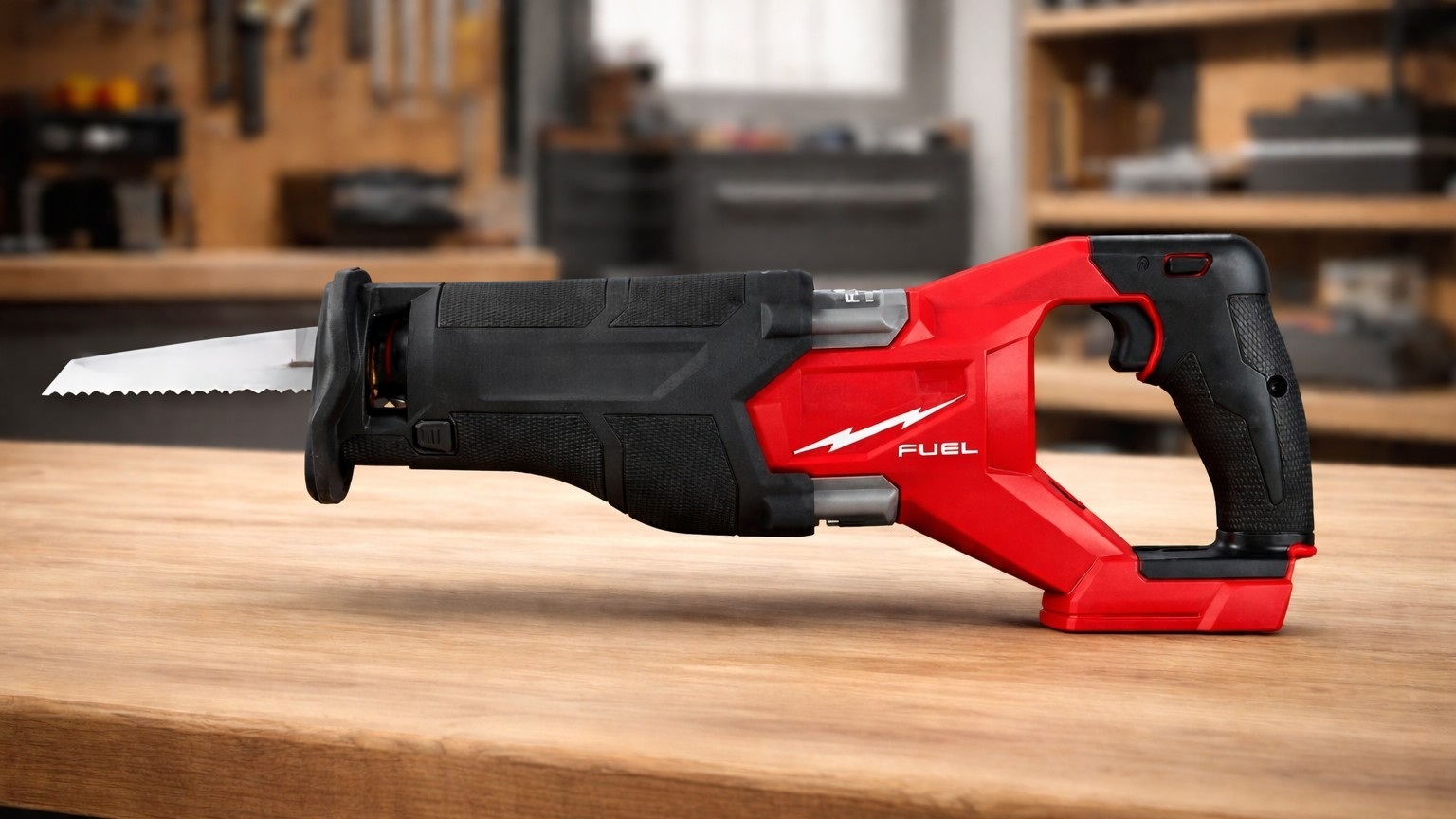
Milwaukee 2822-20 reciprocating saw
#1 Best Overall Score: 9.7 / 10

Milwaukee 2822-20

Built for demanding demolition, this M18 FUEL SAWZALL delivers fast cutting, strong durability, and excellent control under load. It stands out for balanced performance across framing tear-outs, mixed-material cuts, and repeated jobsite abuse.

Cutting Power: Excellent Vibration: Low Stroke: 1-1/4 in Best For: Daily Demo

Pros

  • Very fast cutting speed
  • Strong vibration management
  • Excellent jobsite durability

Cons

  • Premium bare-tool pricing
  • Heavier than compact models
  • Battery sold separately

Best For

  • General demolition crews
  • Mixed wood and metal cuts
  • Frequent professional use
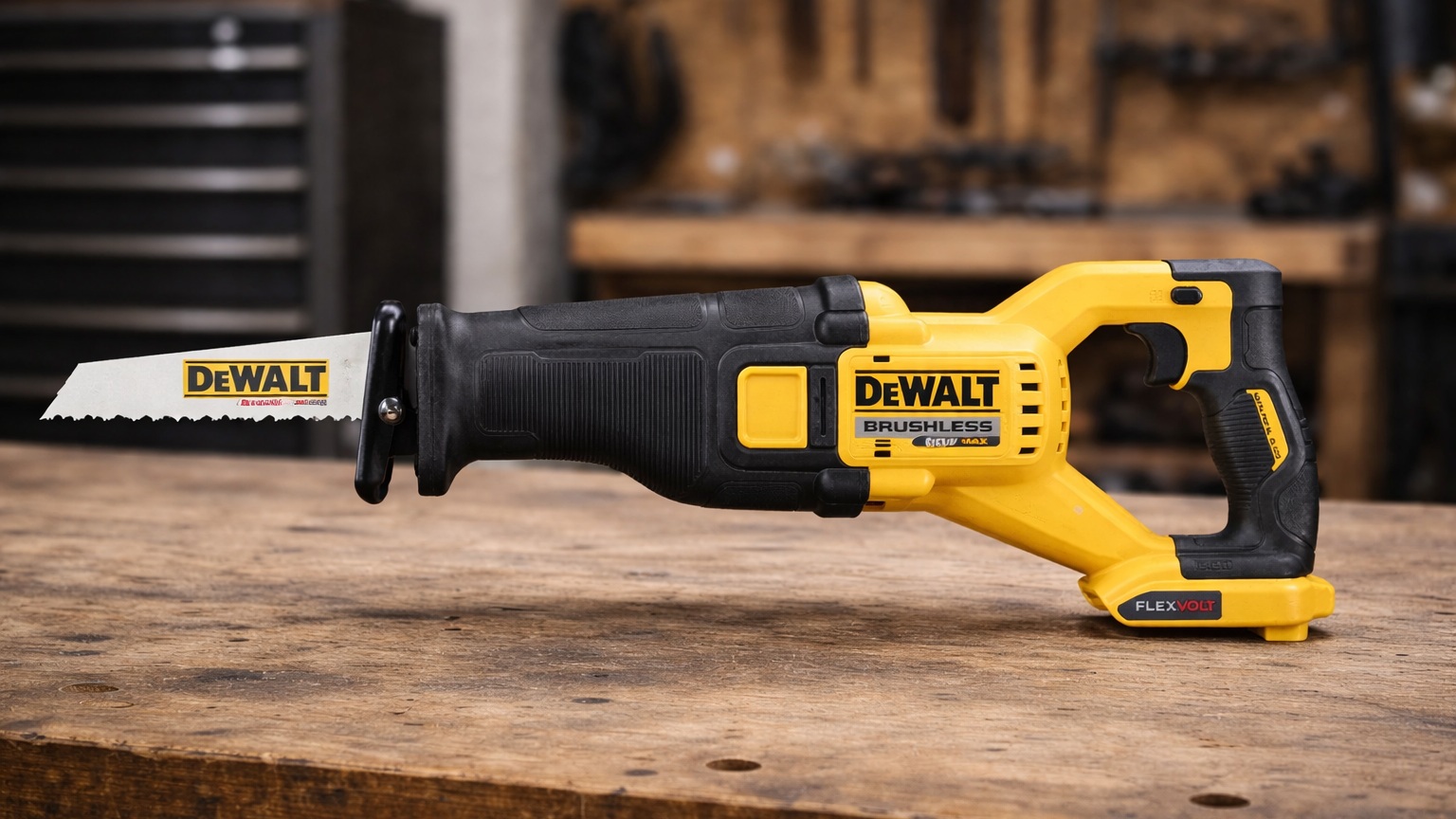
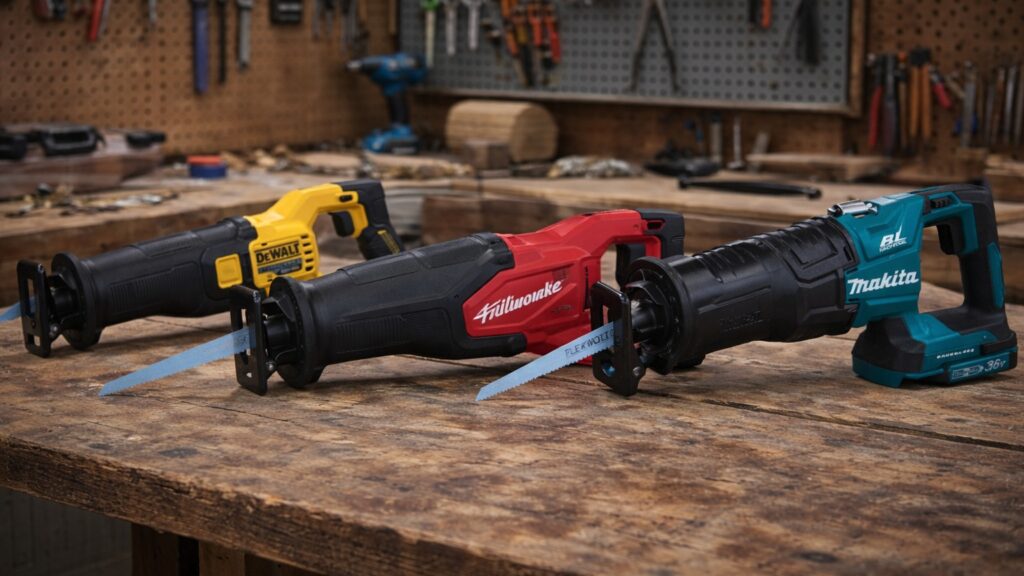
DeWalt DCS389B reciprocating saw
#2 Best for Pros Score: 9.5 / 10

DeWalt DCS389B

This high-output FlexVolt model is built for aggressive demolition where speed and power matter more than compactness. It performs especially well in heavy framing, nail-embedded lumber, and thick pipe cuts.

Power: Very High Cut Speed: Excellent Stroke: 1-1/8 in Best For: Heavy Tear-Out

Pros

  • Excellent cutting authority
  • Strong overhead durability
  • Good full-size ergonomics

Cons

  • Larger and heavier platform
  • Best performance needs FlexVolt batteries
  • More than casual users need

Best For

  • Professional demolition crews
  • Structural tear-down work
  • Heavy nail-embedded lumber
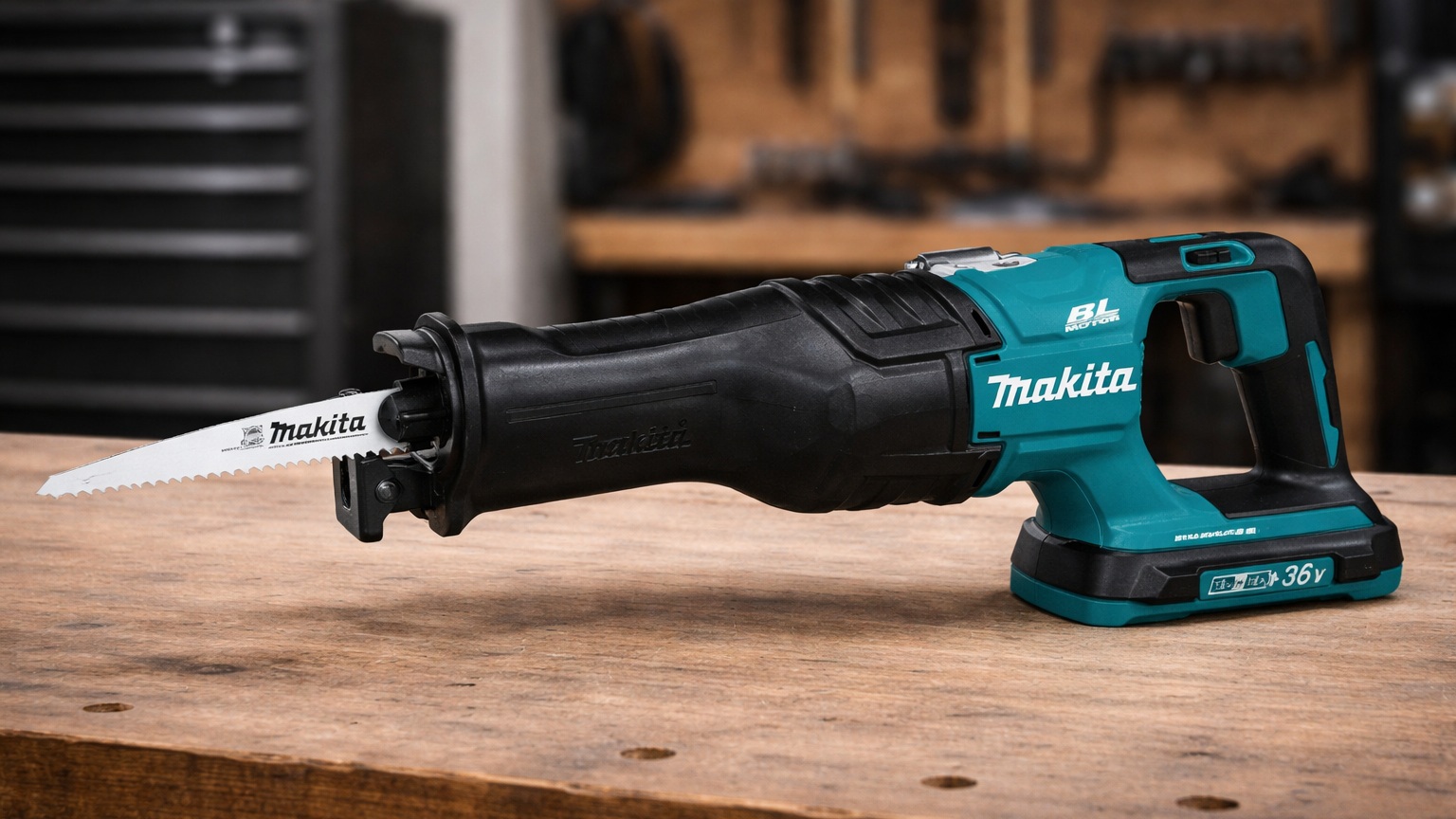
Makita XRJ06Z reciprocating saw
#3 Best Compact Pro Pick Score: 9.1 / 10

Makita XRJ06Z

This compact cordless reciprocating saw is built for faster access in tight demolition spaces where full-size models can feel cumbersome. It trades some outright cutting force for lighter handling, better maneuverability, and easier overhead control.

Maneuverability: Excellent Weight: Light Battery: 18V Best For: Tight Spaces

Pros

  • Compact body improves access
  • Easier overhead and one-handed positioning
  • Strong control in confined cuts

Cons

  • Less raw power than full-size demolition saws
  • Not ideal for nonstop thick-material tear-outs
  • Battery sold separately

Best For

  • Plumbers and electricians
  • Tight demolition spaces
  • Overhead and awkward-angle cuts
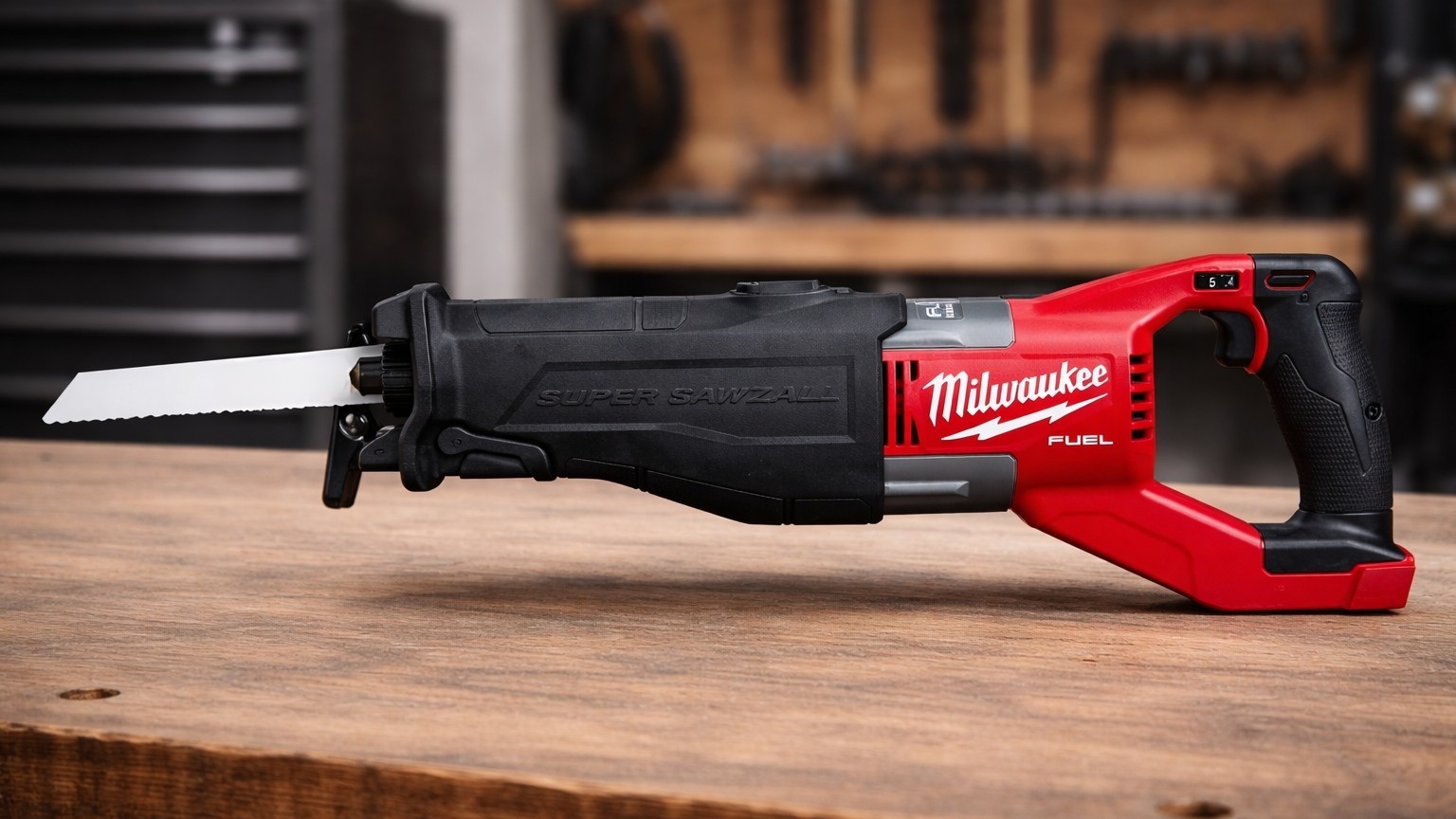
Milwaukee 2722-20 reciprocating saw
#4 Best Heavy Duty Score: 9.2 / 10

Milwaukee 2722-20

The Super Sawzall is designed for users who want maximum cordless output and are willing to accept extra weight in return. It shines in thick stock, stubborn demo cuts, and demanding all-day site work.

Output: Extremely High Capacity: Full Size Stroke: 1-1/4 in Best For: Maximum Power

Pros

  • Very strong cutting performance
  • Excellent for thick materials
  • Rugged professional platform

Cons

  • Heavy for overhead work
  • Less nimble in tight spaces
  • High battery demand

Best For

  • Serious demolition use
  • Dense framing materials
  • Users prioritizing raw power
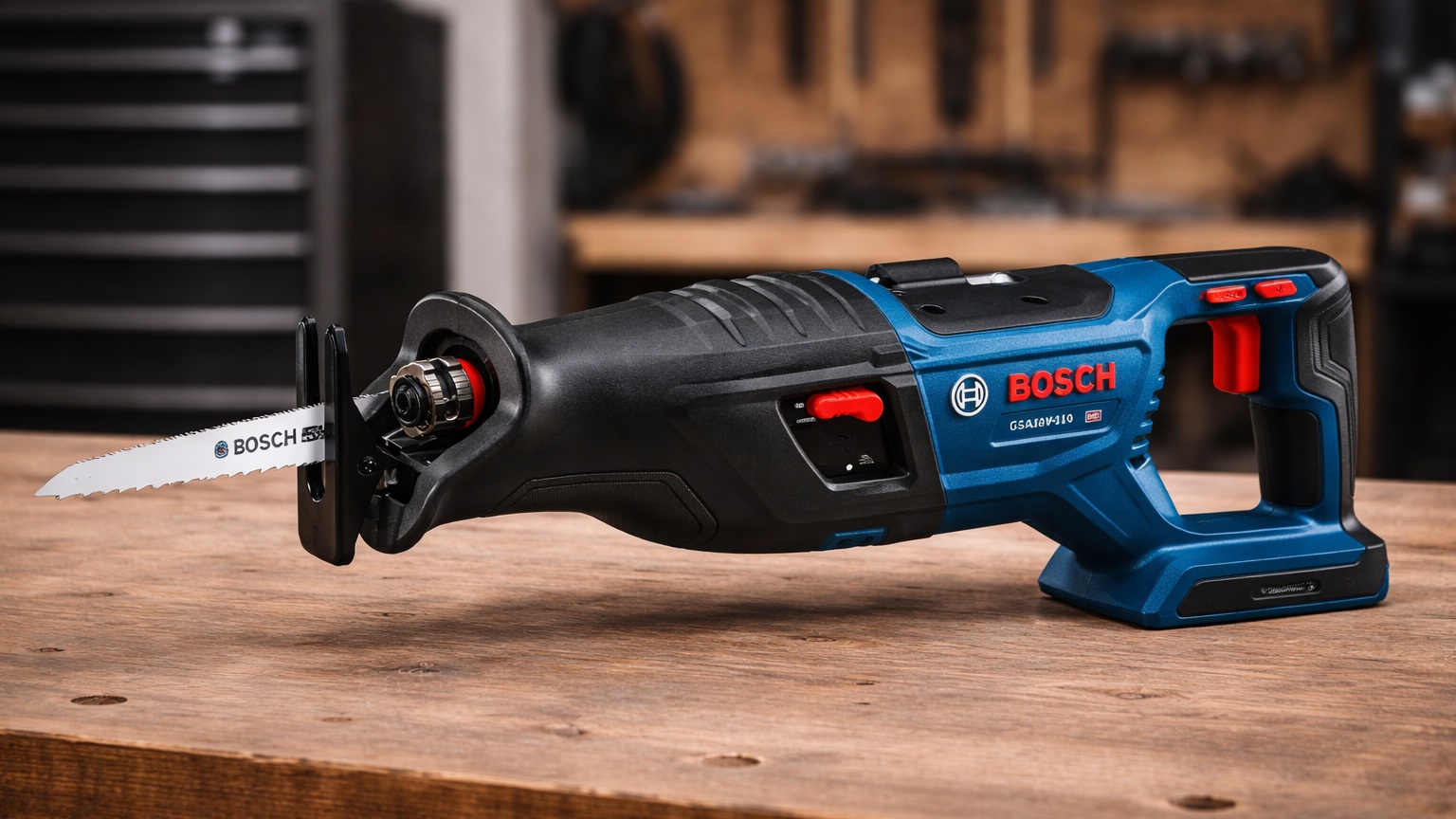
Bosch GSA18V-110N reciprocating saw
#5 Best One-Handed Control Score: 8.8 / 10

Bosch GSA18V-110N

This compact one-handed reciprocating saw is designed for controlled cutting where access and agility matter more than raw full-size power. It is especially useful for confined demolition work, overhead cuts, and fast adjustments between awkward cutting positions.

Handling: Excellent Access: Tight Spaces Battery: 18V Best For: Confined Demo

Pros

  • Excellent one-handed maneuverability
  • Great for overhead and tight cuts
  • Compact body improves control

Cons

  • Less powerful than full-size demolition saws
  • Not ideal for long heavy tear-outs
  • Battery sold separately

Best For

  • Electricians and plumbers
  • Overhead demolition tasks
  • Confined renovation spaces
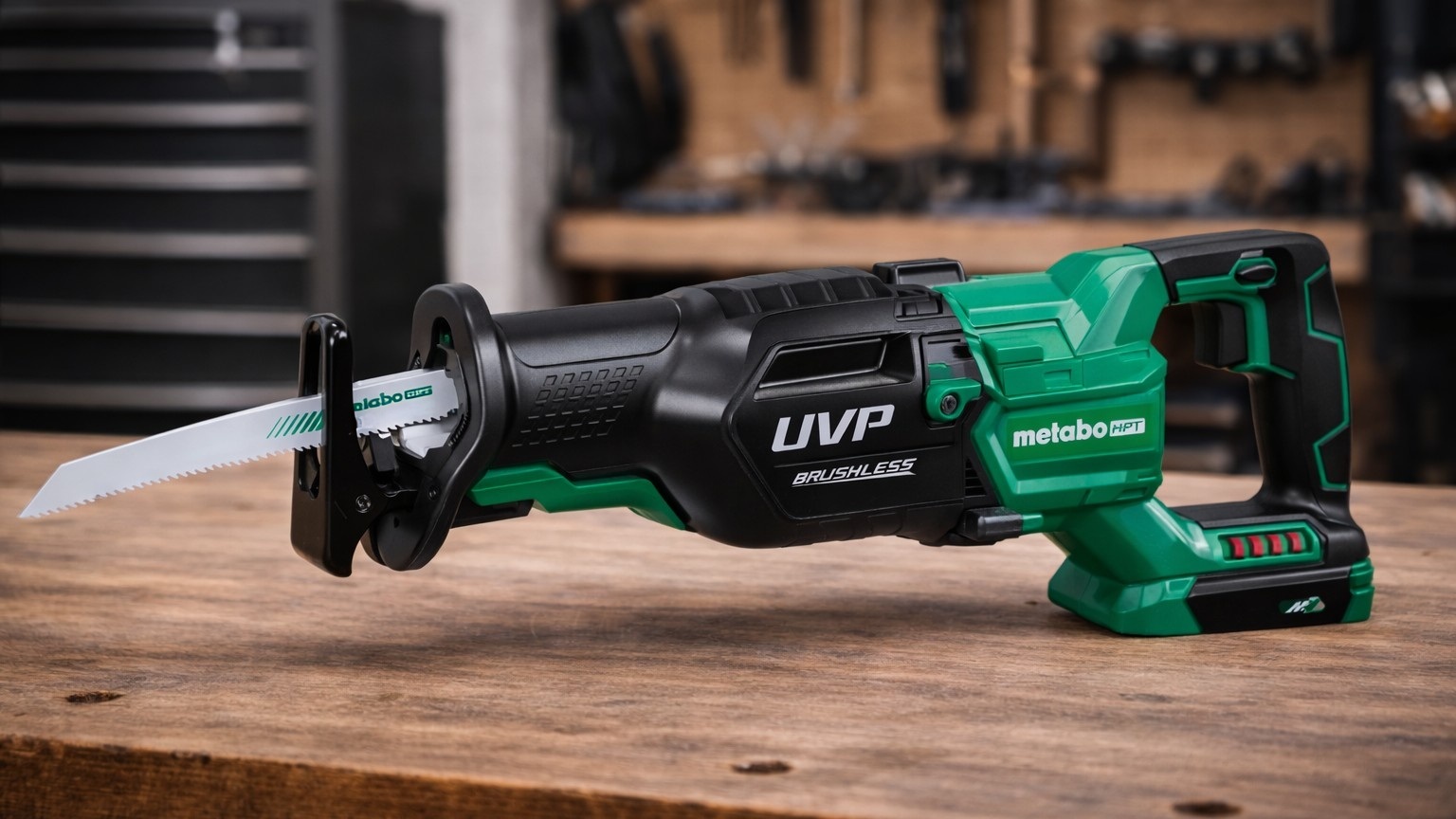
Metabo HPT CR36DAQ4 reciprocating saw
#6 Best Value for Pros Score: 8.9 / 10

Metabo HPT CR36DAQ4

This MultiVolt model offers strong performance and a professional feel at a more approachable value than some flagship rivals. It is a smart choice for contractors who want heavy-duty capability without paying top-tier platform prices.

Value: Excellent Power: Strong Platform: 36V Best For: Cost-Conscious Pros

Pros

  • Competitive pro-level value
  • Strong cutting capability
  • Solid overall ergonomics

Cons

  • Not as common at every retailer
  • Battery ecosystem may be smaller for some users
  • Blade release placement may divide opinions

Best For

  • Professional users on a budget
  • Heavy renovation work
  • Mixed residential and commercial demo
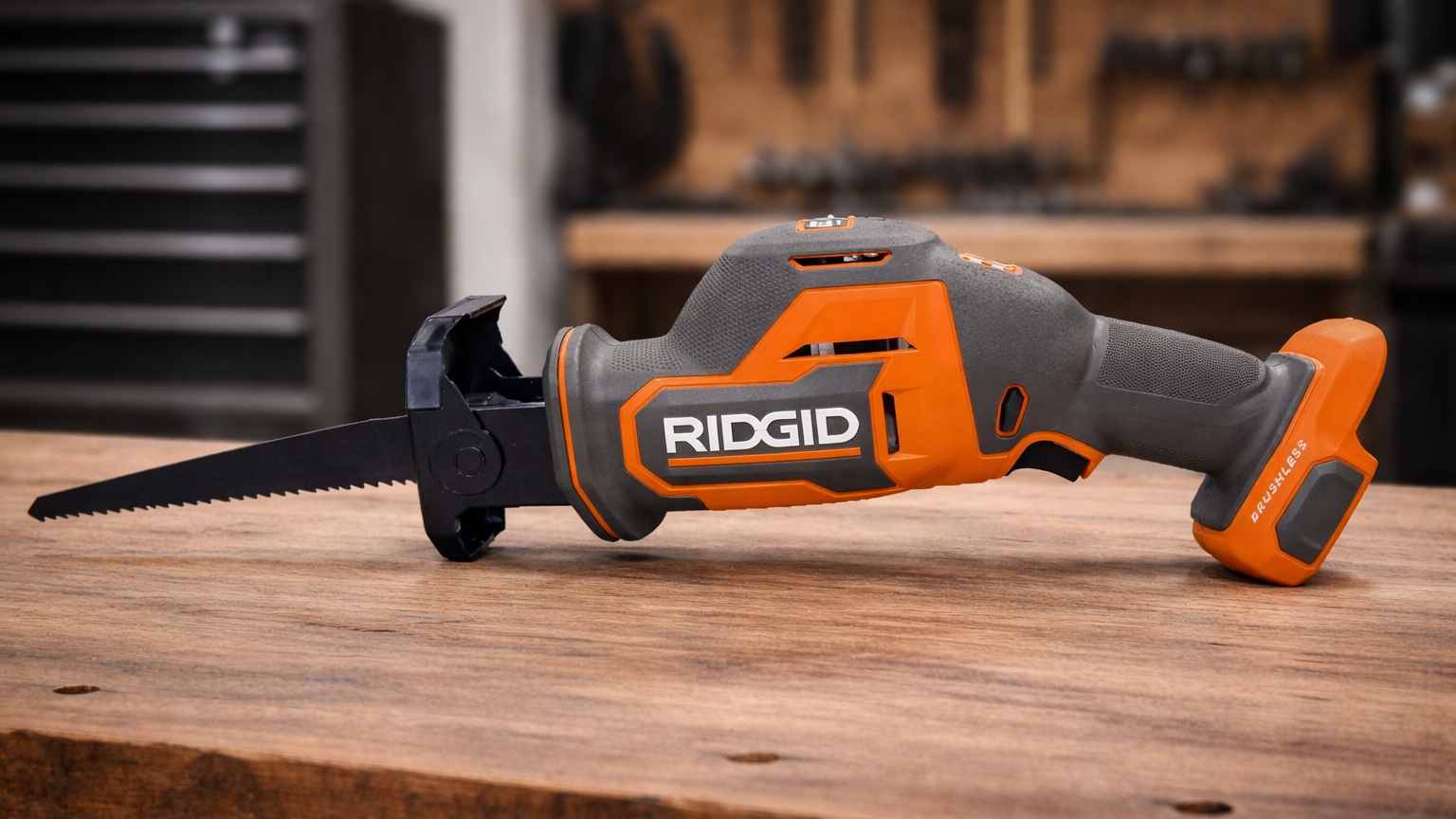
Ridgid R8648B reciprocating saw
#7 Best Mid-Range Score: 8.7 / 10

Ridgid R8648B

Ridgid positions this saw nicely between full pro pricing and entry-level compromises. It delivers enough power for serious demolition tasks while staying more accessible for users building out a cordless platform.

Performance: Strong Ergonomics: Good Battery: 18V Best For: Regular Demo

Pros

  • Good balance of power and price
  • Useful for renovation projects
  • Comfortable general handling

Cons

  • Not as refined as the best pro models
  • Less brand ecosystem pull than top rivals
  • Can feel large in tight cuts

Best For

  • Remodeling contractors
  • Frequent homeowner renovations
  • Platform-minded buyers
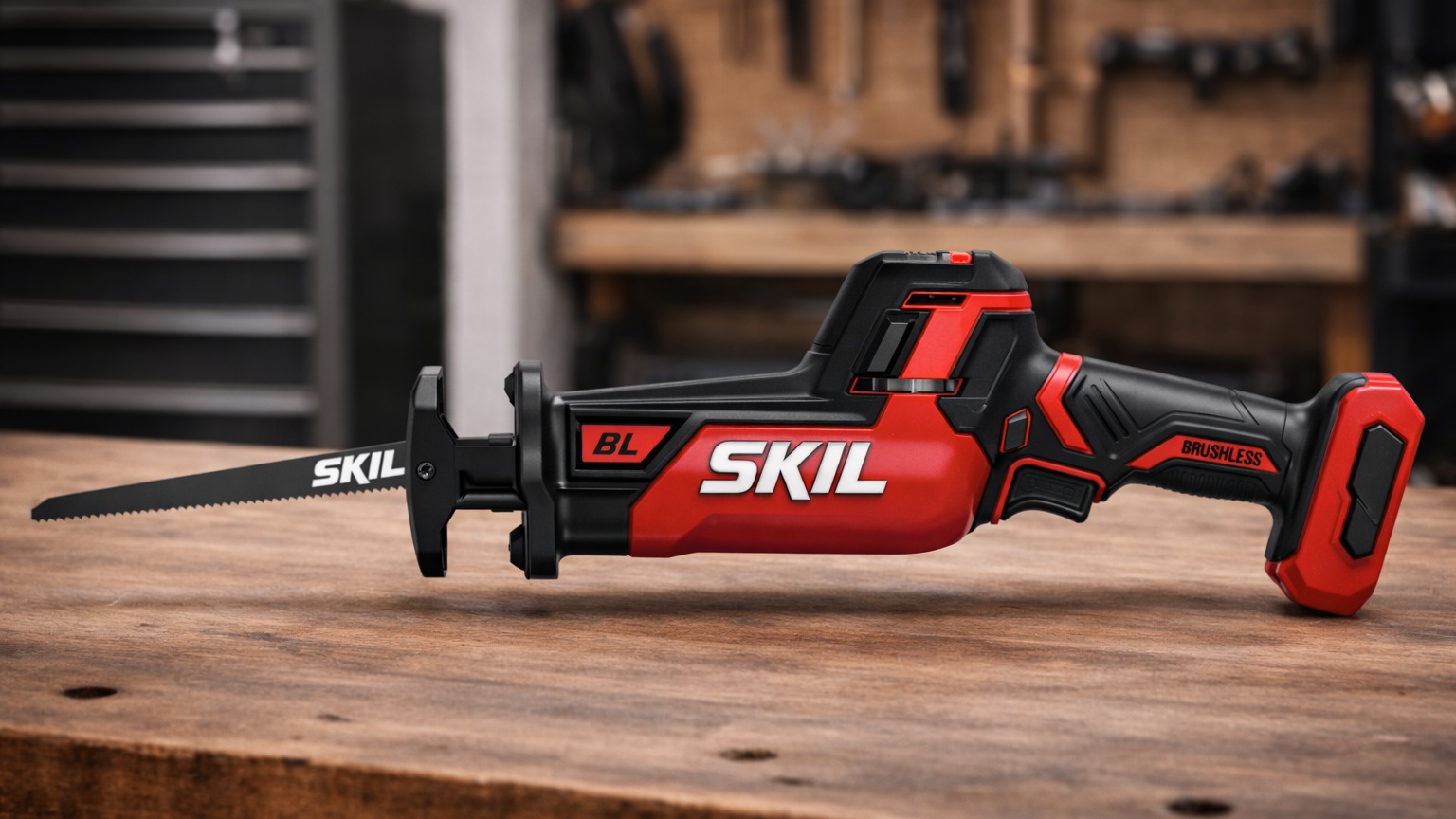
Skil RS582902 reciprocating saw
#8 Best Value Score: 8.5 / 10

Skil RS582902

For shoppers who want real demolition ability without entering pro-tier price territory, this Skil model makes a strong case. It covers renovation, outdoor tear-out, and general cutting tasks better than many basic value picks.

Value: High Cut Capacity: Good Battery: 20V Best For: Budget Demo

Pros

  • Appealing price-to-performance ratio
  • Good for home renovation work
  • Accessible cordless platform

Cons

  • Not ideal for nonstop professional abuse
  • Less refined vibration behavior
  • Battery runtime can depend heavily on pack size

Best For

  • Value-focused buyers
  • DIY demolition projects
  • Occasional framing tear-outs
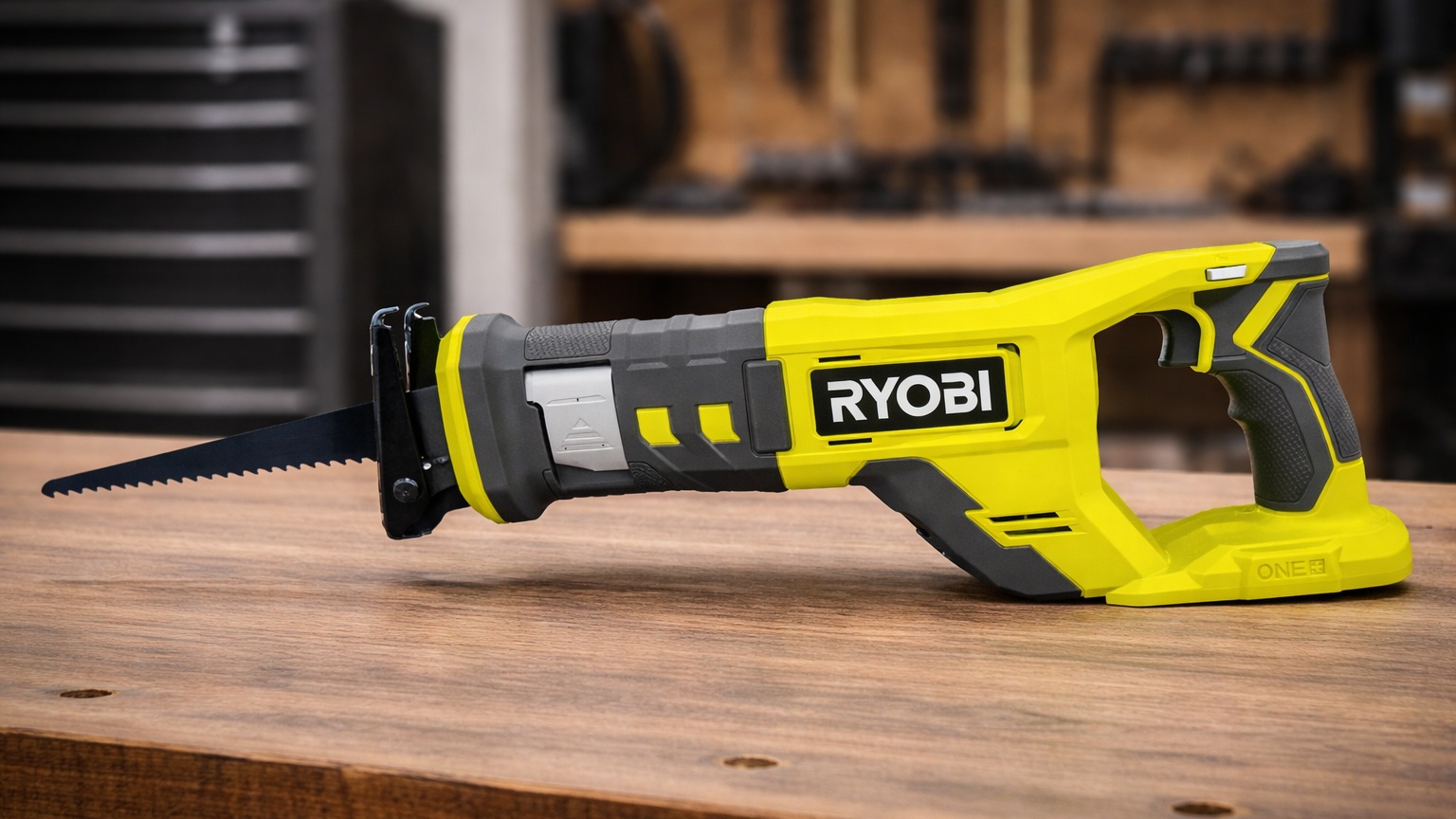
Ryobi PCL515B reciprocating saw
#9 Best for Home Renovation Score: 8.3 / 10

Ryobi PCL515B

This saw is a practical pick for homeowners and light remodelers who need a cordless demolition tool without moving into higher-priced ecosystems. It is best suited to moderate tear-outs and repair-focused cutting rather than constant heavy-duty site use.

Ease of Use: Good Value: Good Battery: 18V Best For: Light Demo

Pros

  • Wide battery compatibility
  • Approachable price point
  • Suitable for common renovation tasks

Cons

  • Not a top-tier demolition performer
  • More vibration than premium models
  • Less suited for all-day pro work

Best For

  • Home renovation crews
  • Moderate tear-out jobs
  • Existing Ryobi users
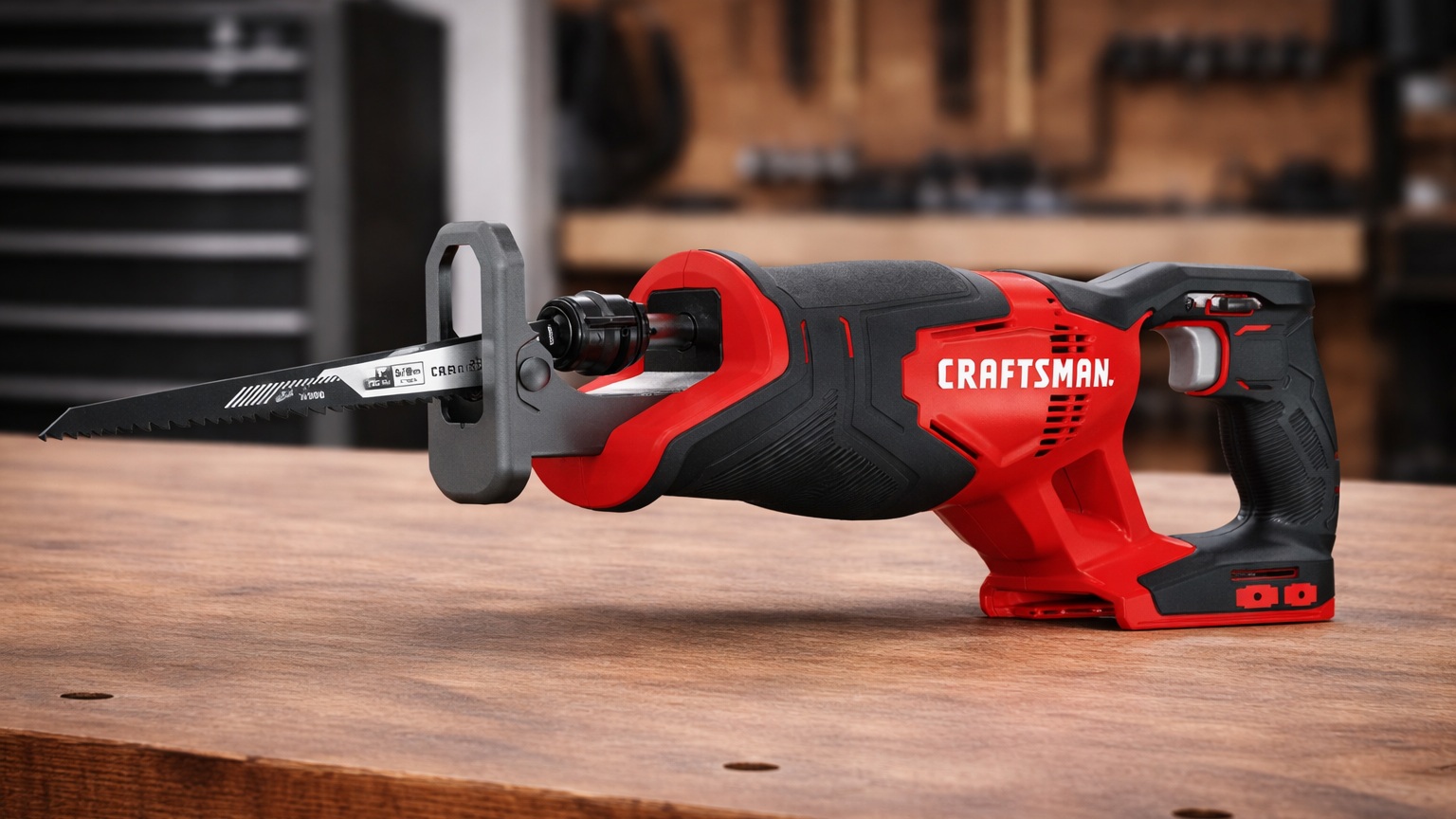
Craftsman CMCS300B reciprocating saw
#10 Starter Pick Score: 8.1 / 10

Craftsman CMCS300B

This is an entry-friendly cordless reciprocating saw that works best for occasional demolition and repair tasks. It is not the strongest option here, but it offers useful versatility for buyers prioritizing affordability and simplicity.

Simplicity: High Price: Accessible Battery: 20V Best For: Occasional Use

Pros

  • Easy platform entry point
  • Good for light renovation tasks
  • Simple, approachable design

Cons

  • Limited heavy-duty capability
  • Less refined than stronger rivals
  • Best for intermittent rather than frequent use

Best For

  • First-time buyers
  • Small demolition projects
  • Budget-conscious homeowners

Methodology

How We Tested

Our rankings for reciprocating saws are built around demolition-focused performance, handling, durability, and value. We compare full-size and compact models using a consistent framework designed to reflect real renovation, tear-out, and mixed-material cutting demands.

Our Testing Framework

We evaluate reciprocating saws through the lens of real-world demolition use, where cutting speed, control, vibration behavior, and durability matter more than headline claims alone.

  • Cutting performance in wood, metal, and nail-embedded materials
  • Control, balance, and ease of handling in awkward positions
  • Vibration management during extended demolition work
  • Durability, build quality, and long-term jobsite suitability
  • Overall value based on intended use, size class, and platform fit
Data Sources We Use

Our analysis pulls from multiple inputs so rankings are grounded in broader category evidence rather than a single opinion or isolated impression:

  • Expert reviews and professional tool evaluations
  • Verified owner feedback from renovation and trade use
  • Manufacturer specifications, feature sets, and platform details
  • Known reliability patterns, ergonomics feedback, and model reputation over time
How We Score & Rank Products

Each saw is scored on a 10-point scale using weighted criteria and then ranked against other models in the same category. We focus on comparative real-world usefulness, not brand reputation or marketing language.

  • Performance and cutting results
  • Build quality and reliability
  • Ease of use, ergonomics, and control
  • Features and design execution
  • Price-to-performance value and platform support
What We Don’t Do

To keep these rankings credible and consumer-first:

  • We don’t accept paid placements or sponsored ranking positions
  • We don’t rank saws based on affiliate payouts or retailer preference
  • We don’t over-reward specs that do not clearly improve demolition use
How Often Rankings Are Updated

Rankings are reviewed on an ongoing basis and updated when meaningful new reciprocating saw models, category changes, or reliability signals emerge.

Our goal is to keep each list current for real buyers, with rankings that reflect the way the category actually evolves over time.

Side-by-Side Comparisons

Quickly narrow your shortlist. Use this first, then jump to full reviews for your finalists.

# Model Best For Platform Weight Power Feel Why It Won
1 Milwaukee 2822-20 Best Overall Daily demolition work 18V cordless Heavy Very strong Fast cuts with strong control
2 DeWalt DCS389B Best for Pros Heavy tear-out crews FlexVolt cordless Heavy Very strong Aggressive output for pro demo
3 Makita XRJ06Z Best Compact Pro Pick Tight demolition spaces 18V cordless Light Strong Compact access with better control
4 Milwaukee 2722-20 Best Heavy Duty Maximum cordless power 18V cordless Heavy Very strong Big power for dense materials
5 Bosch GSA18V-110N Best One-Handed Control Confined renovation cuts 18V cordless Light Moderate One-handed control in tight areas
6 Metabo HPT CR36DAQ4 Best Value for Pros Cost-conscious contractors 36V cordless Medium Strong Pro value without flagship pricing
7 Ridgid R8648B Best Mid-Range Regular remodeling work 18V cordless Medium Strong Balanced performance for renovation jobs
8 Skil RS582902 Best Value Budget demolition use 20V cordless Medium Moderate-Strong Useful demo ability for less
9 Ryobi PCL515B Best for Home Renovation Moderate tear-out tasks 18V cordless Medium Moderate Accessible choice for renovation work
10 Craftsman CMCS300B Starter Pick Occasional small demo 20V cordless Medium Moderate Simple entry point for basics

#1 — Milwaukee 2822-20

Best Overall
Best For
Daily demolition work
Platform
18V cordless
Weight
Heavy
Power Feel
Very strong
Why it wonFast cuts with strong control

#2 — DeWalt DCS389B

Best for Pros
Best For
Heavy tear-out crews
Platform
FlexVolt cordless
Weight
Heavy
Power Feel
Very strong
Why it wonAggressive output for pro demo

#3 — Makita XRJ06Z

Best Compact Pro Pick
Best For
Tight demolition spaces
Platform
18V cordless
Weight
Light
Power Feel
Strong
Why it wonCompact access with better control

#4 — Milwaukee 2722-20

Best Heavy Duty
Best For
Maximum cordless power
Platform
18V cordless
Weight
Heavy
Power Feel
Very strong
Why it wonBig power for dense materials

#5 — Bosch GSA18V-110N

Best One-Handed Control
Best For
Confined renovation cuts
Platform
18V cordless
Weight
Light
Power Feel
Moderate
Why it wonOne-handed control in tight areas

#6 — Metabo HPT CR36DAQ4

Best Value for Pros
Best For
Cost-conscious contractors
Platform
36V cordless
Weight
Medium
Power Feel
Strong
Why it wonPro value without flagship pricing

#7 — Ridgid R8648B

Best Mid-Range
Best For
Regular remodeling work
Platform
18V cordless
Weight
Medium
Power Feel
Strong
Why it wonBalanced performance for renovation jobs

#8 — Skil RS582902

Best Value
Best For
Budget demolition use
Platform
20V cordless
Weight
Medium
Power Feel
Moderate-Strong
Why it wonUseful demo ability for less

#9 — Ryobi PCL515B

Best for Home Renovation
Best For
Moderate tear-out tasks
Platform
18V cordless
Weight
Medium
Power Feel
Moderate
Why it wonAccessible choice for renovation work

#10 — Craftsman CMCS300B

Starter Pick
Best For
Occasional small demo
Platform
20V cordless
Weight
Medium
Power Feel
Moderate
Why it wonSimple entry point for basics

FAQ: Reciprocating Saws (Buying + Real-World Use)

Quick answers to the questions people actually ask before they buy. Expand a topic to get practical context for demolition, renovation, and everyday cutting use.

In-Depth Reviews: What These Reciprocating Saws Are Really Like to Use

This is the “beyond the spec sheet” part of our Top 10, expanding on the cards above. We focus on real demolition behavior: cutting feel under load, vibration control, balance, overhead fatigue, durability, and the small design details that decide whether a saw feels useful or frustrating once the work actually gets messy.

60-second take Real-use breakdown Who it’s for (and not for)
#1 Best Overall Score: 9.7 / 10

Milwaukee 2822-20

The safest all-around pick in this category. It blends strong demolition speed, good control, and durable day-to-day usability in a way that makes it the easiest model here to recommend broadly.

Compare Specs

What It’s Great At

  • Mixed demo work: feels capable across wood, metal, and nail-embedded cuts.
  • Control: strong output without feeling overly clumsy or wild.
  • Jobsite use: built for frequent, repeated demolition tasks.

Watch-Outs

  • Cost: premium bare-tool pricing makes the most sense inside M18.
  • Weight: less ideal if you mainly cut overhead all day.
  • Size: compact saws can be easier in cramped spaces.

Ideal Buyer

  • Contractors: want one dependable daily demolition saw.
  • Remodelers: need a broad-use cordless workhorse.
  • M18 users: want a strong top-tier platform fit.
The Real-World Verdict

This is the “least wrong” pick for the widest number of buyers. It cuts fast enough to feel truly pro-ready, but the bigger win is that it stays manageable when the work gets repetitive, awkward, or varied. Many saws can feel impressive in one material; the 2822-20 is more convincing because it remains useful across framing tear-outs, pipe cuts, renovation demo, and general site cleanup without asking you to constantly adapt around its weaknesses.

Cutting Feel & Control

The Milwaukee feels strong without crossing into “hard to live with” territory. That balance matters because demolition often means cutting from unstable positions, working above shoulder height, or switching between materials quickly.

  • Best use: general tear-out, renovation demo, framing removal.
  • Why it works: fast cutting paired with steadier control than many high-output rivals.
Durability & Platform Value

If you already own M18 batteries, this becomes easier to justify. Milwaukee’s ecosystem depth turns a premium saw into a more rational long-term buy, especially for users expanding into other heavy-use cordless tools.

Who Should Skip
  • Skip it if: your work is mostly tight-space service cuts where compact size matters more than broad capability.
  • Skip it if: you only do occasional light tear-outs and want the cheapest acceptable cordless option.
#2 Best for Pros Score: 9.5 / 10

DeWalt DCS389B

A clear pro-lane pick. It trades some maneuverability for very strong demolition authority, making it especially appealing when heavy tear-out work matters more than compactness or finesse.

Compare Specs

What It’s Great At

  • Heavy demo: feels built for aggressive framing and structural tear-out.
  • Power feel: confidently attacks stubborn material.
  • Platform fit: strong choice for committed DeWalt users.

Watch-Outs

  • Bulk: larger and heavier than more compact options.
  • Battery demand: best experience comes with the right FlexVolt packs.
  • Access: less convenient in cramped cutting positions.

Ideal Buyer

  • Pros: want high-output cordless demolition performance.
  • DeWalt owners: already invested in the broader platform.
  • Heavy users: prioritize tear-out speed over compact handling.
The Real-World Verdict

The DCS389B feels like a saw chosen by someone who knows their work is going to be rough. It is not trying to be the lightest or the easiest overhead option. Its strength is that it brings serious cutting authority to demolition jobs that can make lighter-duty cordless saws feel slow or overmatched. If your priority is getting through hard material efficiently and you already live in the DeWalt ecosystem, this ranking makes a lot of sense.

Where It Beats Smaller Saws
  • Better for: structural tear-outs, thick stock, stubborn demolition cuts.
  • Why: higher-output feel matters when material resistance stays consistently high.
  • Trade-off: you carry more saw to get that confidence.
Ecosystem & Ownership Case

For existing DeWalt users, the value is not only in the saw itself. Easy battery sharing, familiar chargers, and wider platform continuity make the DCS389B more attractive than its bare-tool price alone suggests.

Who Should Skip
  • Skip it if: your work is mostly overhead, service-oriented, or space-constrained.
  • Skip it if: you want one saw that feels easier for mixed light-to-heavy use rather than strongly optimized toward the heavy end.
#3 Best Compact Pro Pick Score: 9.1 / 10

Makita XRJ06Z

A smart specialty pick for buyers who care more about access, overhead comfort, and maneuverability than maximum full-size demolition force. It earns its ranking by being meaningfully easier to work with in confined spaces.

Compare Specs

What It’s Great At

  • Tight access: easier to place and control in cramped work zones.
  • Overhead use: less tiring than heavier full-size saws.
  • Agility: better for awkward service and renovation cuts.

Watch-Outs

  • Raw power: not the strongest choice for nonstop heavy tear-outs.
  • Role fit: better as a targeted tool than a brute-force demo saw.
  • Battery: bare-tool pricing assumes platform ownership.

Ideal Buyer

  • Service trades: plumbers, electricians, HVAC work in tighter spaces.
  • Remodelers: need control more than maximum aggression.
  • Makita users: want a lighter specialty option.
The Real-World Verdict

The XRJ06Z is the kind of saw that makes sense the moment your work stops happening in open, comfortable cutting positions. In cramped framing bays, under sinks, above shoulder height, and around installed materials, compactness stops being a luxury and becomes the main reason a saw feels usable. This Makita does not replace the strongest full-size options for hard demolition, but it can be the smarter tool in situations where access and control are the actual limit.

Why Compact Changes the Experience

Smaller saws change more than just storage size. They can reduce fatigue, improve placement accuracy, and make quick cuts less annoying in positions where a full-size saw keeps bumping into surrounding material.

  • Best use: service access, renovation cuts, overhead work.
  • Trade-off: less satisfying when tearing through thicker material all day.
Best Role in a Tool Kit

This is an especially good “second lane” tool for buyers who already know they do more service-style work than broad structural demolition. For some users, that makes it more valuable than a stronger but clumsier alternative.

Who Should Skip
  • Skip it if: you mainly want to tear through framing, thick lumber, and heavy demo debris as quickly as possible.
  • Skip it if: you only want one saw and know your work trends full-size rather than compact.
#4 Best Heavy Duty Score: 9.2 / 10

Milwaukee 2722-20

This is the “more power, more saw” option. It ranks highly because its output is impressive, but it is also more specialized toward buyers who knowingly want a heavier-duty cordless demolition tool.

Compare Specs

What It’s Great At

  • Heavy material: strong choice for demanding demolition cuts.
  • Output: feels especially confident in thicker stock.
  • Ruggedness: built with serious use in mind.

Watch-Outs

  • Weight: can become tiring overhead or in extended awkward cuts.
  • Size: less nimble in confined spaces.
  • Battery draw: asks more from packs than lighter-duty saws.

Ideal Buyer

  • Heavy users: prioritize maximum cordless demolition force.
  • Milwaukee owners: want a higher-output M18 option.
  • Contractors: often cut dense, stubborn materials.
The Real-World Verdict

The 2722-20 earns its place by being unapologetically strong. It is not the most balanced or easiest to handle, but for users who are mostly measuring a saw by how confidently it powers through resistant materials, it is one of the better answers in this group. In real use, that means it feels more at home in harder demo work than in delicate service cuts or all-day overhead use.

Where It Makes More Sense Than the #1 Pick
  • Choose it over #1 if: raw heavy-duty feel matters more than broad versatility.
  • Choose it over #1 if: you already prefer bigger, harder-charging demolition tools.
Handling Trade-Offs

The power comes with consequences. This is one of those cases where the strongest-feeling saw is not automatically the easiest to recommend unless you know your work really benefits from that extra force.

Who Should Skip
  • Skip it if: you value lighter handling, frequent overhead use, or tight-space maneuverability.
  • Skip it if: your demolition needs are moderate enough that the extra weight will feel like overbuying.
#5 Best One-Handed Control Score: 8.8 / 10

Bosch GSA18V-110N

A compact, one-handed specialty saw that ranks well because it solves a very specific problem: controlled cutting in places where larger saws start fighting you more than helping you.

Compare Specs

What It’s Great At

  • One-handed use: easier to place and control quickly.
  • Confined spaces: more practical around installed materials.
  • Overhead cuts: lighter feel helps reduce fatigue.

Watch-Outs

  • Heavy demo: not the right choice for large, repeated tear-outs.
  • Power ceiling: better at control than brute-force cutting.
  • Niche role: strongest when matched to the right work style.

Ideal Buyer

  • Service trades: want fast, controlled access cuts.
  • Renovators: work in tighter, more awkward spaces.
  • Users prioritizing control: over maximum aggression.
The Real-World Verdict

This Bosch is one of the clearest examples of a tool that makes more sense in use than it might on a broad “more power is always better” comparison. In service-style work and confined renovation cuts, one-handed control can matter more than outright force. That is where the GSA18V-110N earns its score. It is not a substitute for a full-size demolition saw when the material gets thick and stubborn, but it can be the more useful tool in the kind of spaces many buyers actually face.

Tight-Space Advantage
  • Best use: under-sink work, installed systems, overhead service cuts.
  • Why it stands out: smaller format improves placement speed and confidence.
  • Real trade-off: less satisfying on larger demolition jobs.
Where It Fits in a Shortlist

This is easier to recommend as a role-specific saw than as a one-saw-for-everything purchase. Buyers who know they work in tight spaces will understand the appeal immediately.

Who Should Skip
  • Skip it if: your main goal is broad, heavy demolition rather than access-focused work.
  • Skip it if: you want one full-size saw to handle framing tear-outs and tougher materials more confidently.
#6 Best Value for Pros Score: 8.9 / 10

Metabo HPT CR36DAQ4

A smart “pro performance without flagship cost” option. It stands out by offering serious demolition usefulness at a value point that can make more expensive platform decisions harder to justify.

Compare Specs

What It’s Great At

  • Price-to-performance: strong value for professional-capable cutting.
  • General demo: good balance of output and usability.
  • Platform lane: appealing if you want something beyond entry-level.

Watch-Outs

  • Availability: can be less visible than the biggest brands.
  • Ecosystem pull: may be less compelling if you already own another major platform.
  • Refinement: still not the automatic first choice for every buyer.

Ideal Buyer

  • Cost-aware pros: want strong performance without premium-brand pricing.
  • Remodelers: need a capable heavy-use cordless saw.
  • Value seekers: want more than entry-level capability.
The Real-World Verdict

The CR36DAQ4 is appealing because it does not feel like a major compromise buy. It still lands in a genuinely professional part of the category, but the value proposition is more attractive for buyers who do not want to pay flagship-level money just to get into heavy-duty cordless demolition. For the right buyer, that makes it one of the more rational choices in the entire list.

Why the Value Case Matters
  • Strong fit: buyers who need real capability but still watch total platform cost.
  • Less ideal: buyers already fully invested in Milwaukee, DeWalt, or Makita batteries.
Everyday Use vs Flagship Models

It may not beat the strongest premium leaders at everything, but it competes closely enough that value-conscious pros will likely care more about total ownership sense than brand prestige.

#7 Best Mid-Range Score: 8.7 / 10

Ridgid R8648B

A practical middle-lane option that avoids both premium overreach and entry-level compromises. It makes the most sense for buyers who want regular-use capability without stretching to top-tier pricing.

Compare Specs

What It’s Great At

  • Middle-ground value: more capable than basic options without going flagship-expensive.
  • Renovation use: solid for regular remodeling and tear-out tasks.
  • General handling: feels reasonably balanced for its class.

Watch-Outs

  • Top-end polish: not as refined as the strongest leaders.
  • Brand pull: less obvious ecosystem advantage for some buyers.
  • Tight access: still not the best choice for compact work.

Ideal Buyer

  • Remodelers: want steady demolition ability at a fairer price.
  • Frequent home renovators: need more than light-duty performance.
  • Mid-range shoppers: want practical balance over extremes.
The Real-World Verdict

Ridgid’s appeal here is simple: it feels like a reasonable buy. The R8648B does not pretend to be the category leader, but it covers enough serious work to satisfy buyers who need a capable renovation saw and are trying to avoid the cost jump into the most premium tools. In real use, that often matters more than winning a spec-sheet argument.

Where It Fits Best
  • Best use: recurring remodel work, home renovation, regular tear-out projects.
  • Not the lane: absolute best power, best compactness, or best value under every condition.
Why Mid-Range Can Be the Smart Choice

Many buyers do not need the very strongest or the very cheapest saw. For them, a competent middle-lane model can be the most rational pick of all.

#8 Best Value Score: 8.5 / 10

Skil RS582902

A value-first demolition saw that makes sense for buyers who want credible cutting ability without paying for pro-tier ownership. It is one of the more sensible entry points into real renovation use.

Compare Specs

What It’s Great At

  • Value: good demolition usefulness for the money.
  • Home renovation: capable enough for many practical tear-out jobs.
  • Accessibility: easier to justify for casual or moderate users.

Watch-Outs

  • Refinement: not as polished as stronger premium options.
  • Abuse tolerance: less convincing for nonstop heavy professional use.
  • Battery sensitivity: performance experience may depend more on pack choice.

Ideal Buyer

  • DIY renovators: want more than a light-duty tool.
  • Budget-focused buyers: still care about genuine cutting ability.
  • Home project users: need periodic demolition performance without overspending.
The Real-World Verdict

The RS582902 is one of the more practical recommendations for buyers who want a real demolition tool but do not want to buy into a premium-tier setup. It is not trying to beat the top saws in refinement or all-day toughness. Instead, it succeeds by being good enough in the parts of the category that matter most for renovation-minded value shoppers.

Where the Value Shows Up
  • Best for: buyers stepping up from light-duty expectations into meaningful renovation use.
  • Less ideal for: crews who depend on a saw every day in harder commercial work.
How to Think About This Rank

This is not a “cheap substitute” pick so much as a category-appropriate value answer. For the right user, that distinction matters.

#9 Best for Home Renovation Score: 8.3 / 10

Ryobi PCL515B

A practical homeowner-focused option for moderate renovation and repair work. It is easier to justify when your projects are real but not constant, and when platform affordability still matters.

Compare Specs

What It’s Great At

  • Home renovation: suitable for moderate tear-outs and repair cuts.
  • Ownership cost: fits a more accessible battery ecosystem.
  • Approachability: sensible for non-pro buyers.

Watch-Outs

  • Heavy work: not the strongest or most refined demo option.
  • Vibration: less polished than premium tools higher in the ranking.
  • Role: better for moderate jobs than demanding daily use.

Ideal Buyer

  • Homeowners: tackling remodeling, repairs, and tear-outs.
  • Ryobi users: already own compatible batteries.
  • Occasional renovators: want a practical cordless saw without overspending.
The Real-World Verdict

The PCL515B makes the most sense when you think about it as a homeowner renovation tool rather than a professional demolition statement. It can handle moderate tear-outs and general repair work well enough for many buyers, especially if they are already inside the Ryobi ecosystem. What it does not do is erase the gap between entry-accessible tools and the more refined premium models above it.

Best Use Case
  • Best for: moderate remodels, repair-oriented demo, occasional project use.
  • Less ideal for: all-day tear-out work or buyers chasing top cutting confidence.
Why Platform Familiarity Matters

For many buyers, the best thing about this saw is not that it beats higher-ranked rivals. It is that it can be “good enough” while fitting a battery system they already own.

#10 Starter Pick Score: 8.1 / 10

Craftsman CMCS300B

A basic entry point for occasional demolition and repair use. It makes the most sense when you want simple cordless capability for smaller projects and do not need higher-end refinement or heavier-duty performance.

Compare Specs

What It’s Great At

  • Approachability: simple, entry-friendly ownership.
  • Light project use: suitable for smaller tear-outs and repairs.
  • Budget fit: easier to justify for occasional buyers.

Watch-Outs

  • Heavy demolition: not built for frequent hard use.
  • Refinement: lower-ranked because stronger options feel more capable.
  • Best role: starter tool rather than serious daily driver.

Ideal Buyer

  • First-time buyers: want a simple cordless reciprocating saw.
  • Homeowners: need occasional repair and light demo capability.
  • Budget shoppers: want to avoid overbuying.
The Real-World Verdict

The CMCS300B lands at the bottom of this list not because it is unusable, but because the models above it either cut harder, feel more refined, or make a stronger ownership case. Its real value is simplicity. For occasional household demolition, repair, and one-off renovation tasks, that simplicity may be enough. The mistake would be expecting it to behave like a heavier-duty saw built for frequent tough cuts.

Best Role for This Saw
  • Good fit: occasional homeowner demo, smaller repairs, simple cut-and-remove tasks.
  • Bad fit: buyers who already know they want stronger demolition confidence.
Why It Still Makes the List

Not every buyer needs a premium demolition saw. The Craftsman stays relevant by giving occasional users a simpler, lower-commitment entry point into the category.

Key Takeaways

  • Milwaukee 2822-20 is the safest all-around choice for most buyers who want one reciprocating saw that handles demolition broadly well.
  • Skil RS582902 is the best value pick if you want real renovation and tear-out ability without paying for a premium-tier platform.
  • Makita XRJ06Z is the standout special-use pick when tight access, overhead cuts, and maneuverability matter more than maximum cutting force.
  • Bosch GSA18V-110N is the easiest lightweight-style option for one-handed control in confined spaces and service-oriented work.
  • Battery platform and ownership cost matter: existing Milwaukee, DeWalt, Makita, Ryobi, or other compatible users should weigh ecosystem fit heavily.
  • For most buyers, balanced control, usable power, and the right size class matter more than simply choosing the most aggressive saw.

Top Picks

Tap a pick to jump to the full review, or compare specs.

Best Overall Milwaukee 2822-20 →

Best for Pros DeWalt DCS389B →

Best Value Skil RS582902 →

Jump to Comparison

Where to Buy

We prioritize reputable sellers, easy returns, and reliable availability.

Price checks happen regularly. Some links may earn a commission—never affects rankings.

Accessories You’ll Want

  • Demolition blade variety pack (wood, metal, nail-embedded wood, and general-purpose blades for mixed tear-out work)
  • Carbide-tipped reciprocating saw blades (helpful for tougher materials and longer blade life in heavier demolition use)
  • Extra battery pack (especially useful for cordless demolition saws where bigger jobs can drain packs quickly)
  • Safety glasses and work gloves (basic protection that matters when cutting overhead, around nails, or through rough demolition debris)
  • Compact organizer for spare blades (keeps different blade types sorted so the right one is easy to grab on site)

Tip: Blade choice and battery platform matter almost as much as the saw itself—using the right blade and a compatible ecosystem usually improves real-world ownership more than chasing small spec differences.