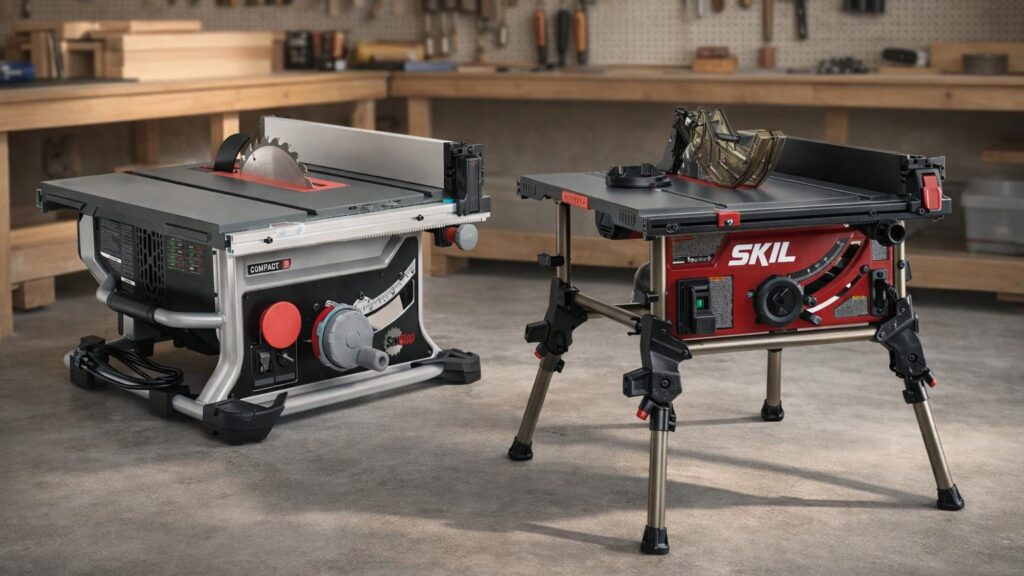
Best Table Saws for Beginners (Top 10 Picks)

This guide compares and evaluates the best table saws for beginners, focusing on safety, ease of use, and performance to help you choose a model that supports confident, accurate woodworking.

By: Review Streets Research Lab
Updated: April 10, 2026
Approx. 10–12 min read
Best Table Saws for Beginners (Top 10 Picks)

Best Table Saws for Beginners (Top 10 Picks)

Our editorial picks ranked by beginner-friendly safety, fence accuracy, ease of setup, portability, and long-term value. Tap any image to expand, or jump to full reviews for deeper specs.

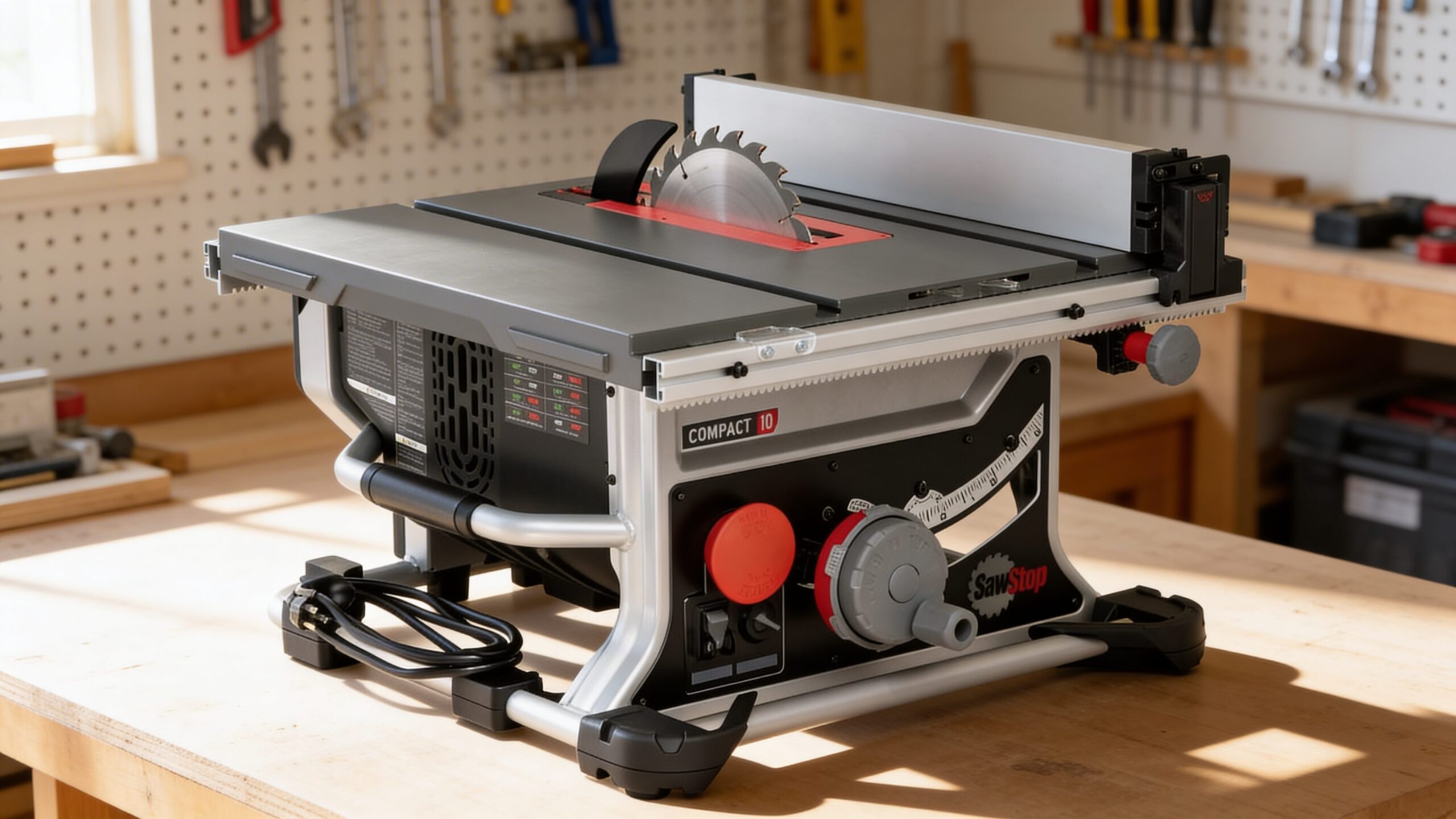
SawStop CTS-120A60 table saw
#1 Best Overall Score: 9.7 / 10

SawStop CTS-120A60

A compact table saw that stands out for beginner confidence, clean design execution, and SawStop safety technology. It is expensive for its size, but the balance of portability, accuracy, and injury-mitigation features makes it the strongest starter choice for many new woodworkers.

Safety: Class Leading Portability: Excellent Blade: 10 Inch Best For: Safety First Beginners

Pros

  • SawStop safety system adds major beginner reassurance
  • Compact footprint is easy to store and transport
  • Good fit and finish with accurate fence adjustment

Cons

  • Costs more than most beginner table saws
  • Smaller platform than larger jobsite models
  • Less ideal for large sheet goods without support

Best For

  • New woodworkers prioritizing safety
  • Small garages and shared workspaces
  • Portable cutting with premium protection
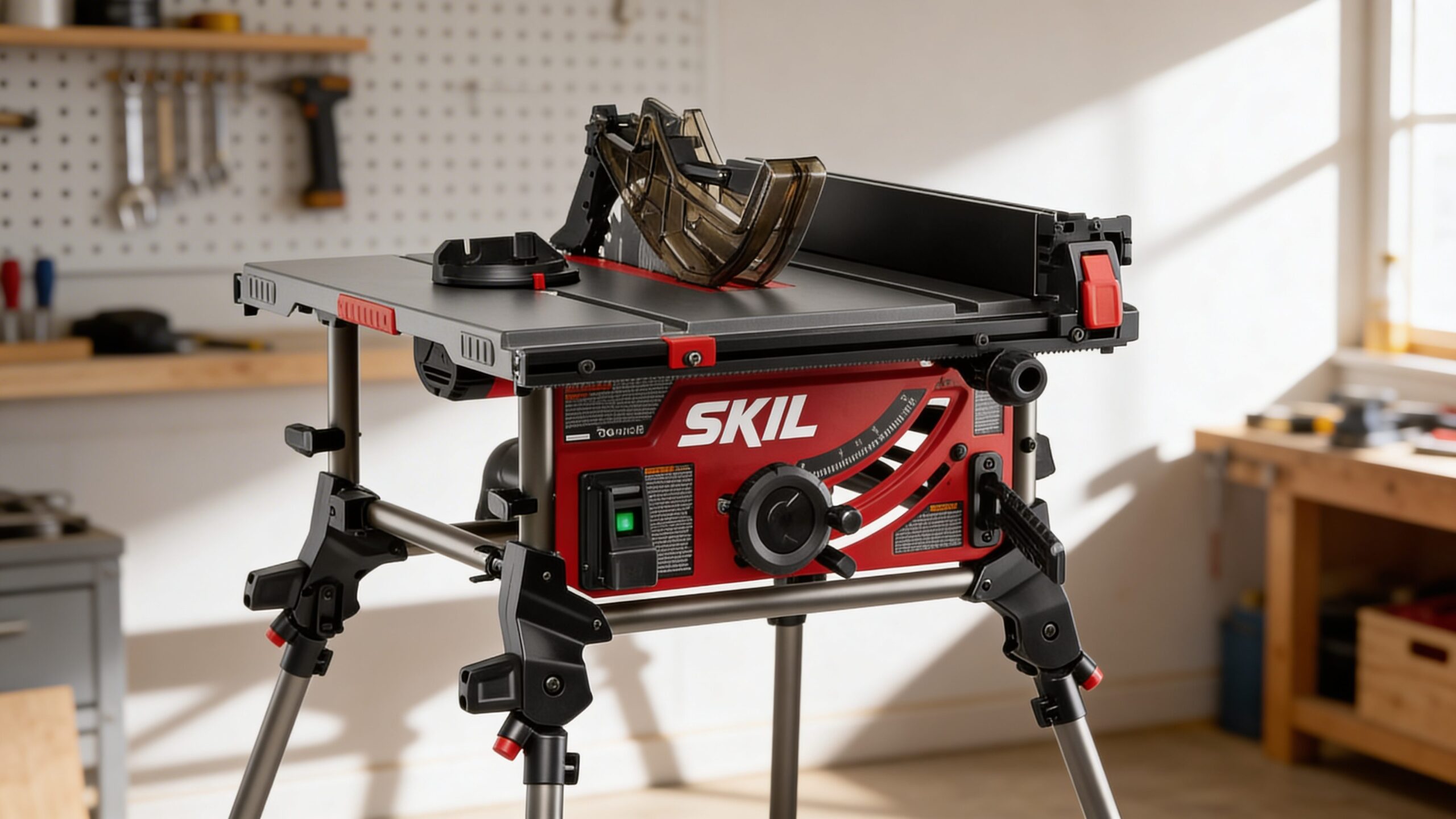
Skil TS6307-00 table saw
#2 Best Value Score: 9.4 / 10

Skil TS6307-00

The TS6307-00 delivers one of the best beginner value packages in the category, pairing solid cutting capacity with a folding stand and easy fence adjustment. It feels approachable, capable, and practical for users moving from casual DIY into more serious woodworking.

Fence: Easy Adjust Value: Excellent Motor: 15 Amp Best For: First Serious Saw

Pros

  • Strong price-to-performance balance
  • Rack and pinion fence is beginner friendly
  • Integrated folding stand is convenient

Cons

  • Not as refined as premium saws
  • Universal motor noise is noticeable
  • Table size still limits large projects

Best For

  • Budget conscious beginners
  • Garage woodworking
  • DIY users upgrading from entry tools
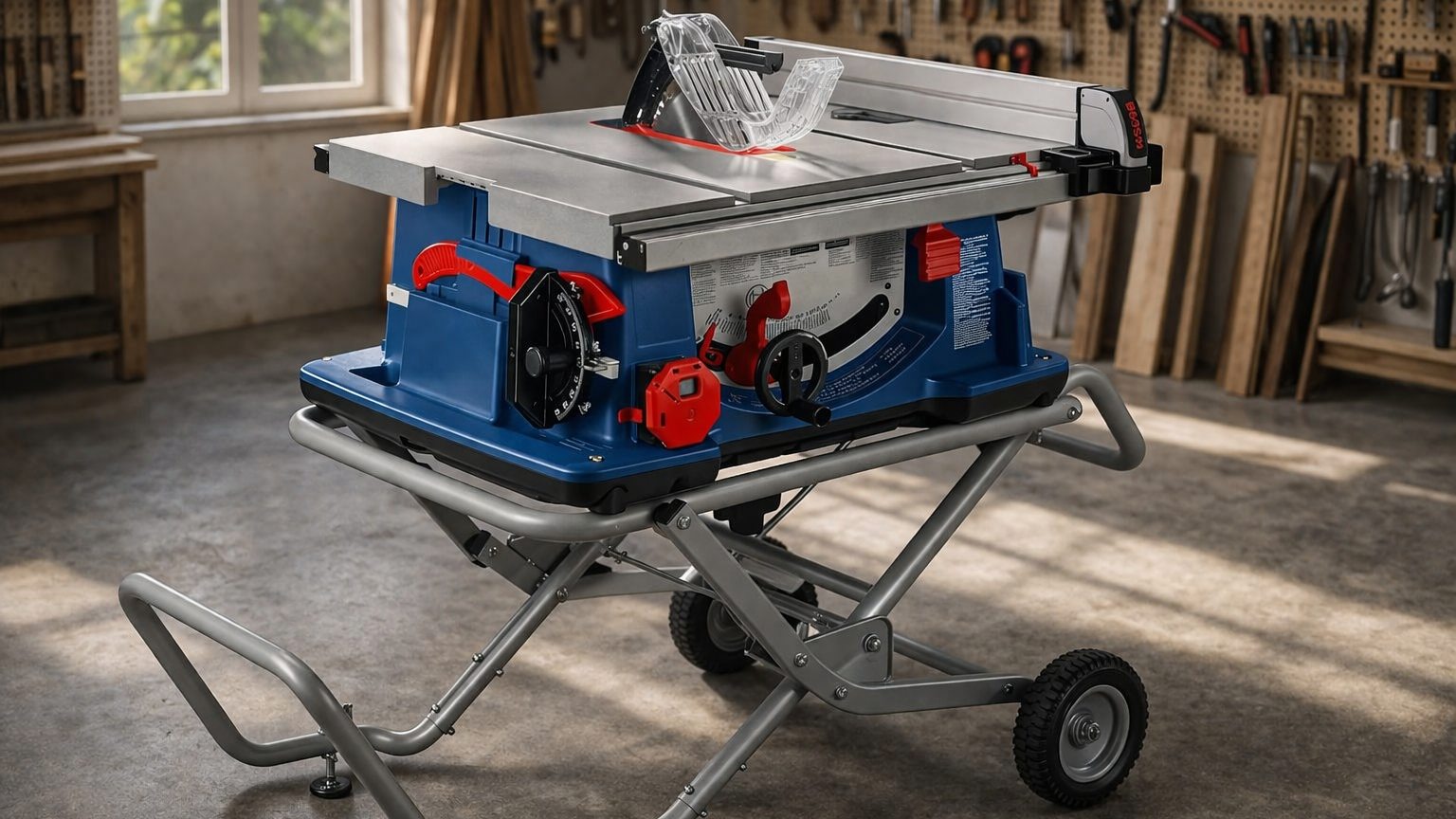
Bosch 4100XC-10 table saw
#3 Best Stand Design Score: 9.2 / 10

Bosch 4100XC-10

Bosch pairs proven worksite performance with one of the easiest wheeled stand setups in the category. For beginners who want a stable, mobile saw that still leaves room to grow into bigger projects, it is a very strong pick.

Mobility: Excellent Capacity: Strong Motor: 15 Amp Best For: Growing Skills

Pros

  • Gravity Rise stand is easy to use
  • Good portability for a capable saw
  • Strong cutting performance for the class

Cons

  • Heavier than compact alternatives
  • More tool than some casual users need
  • Usually priced above value picks

Best For

  • Beginners who want a wheeled stand
  • Home shops with limited storage
  • Users planning larger projects later
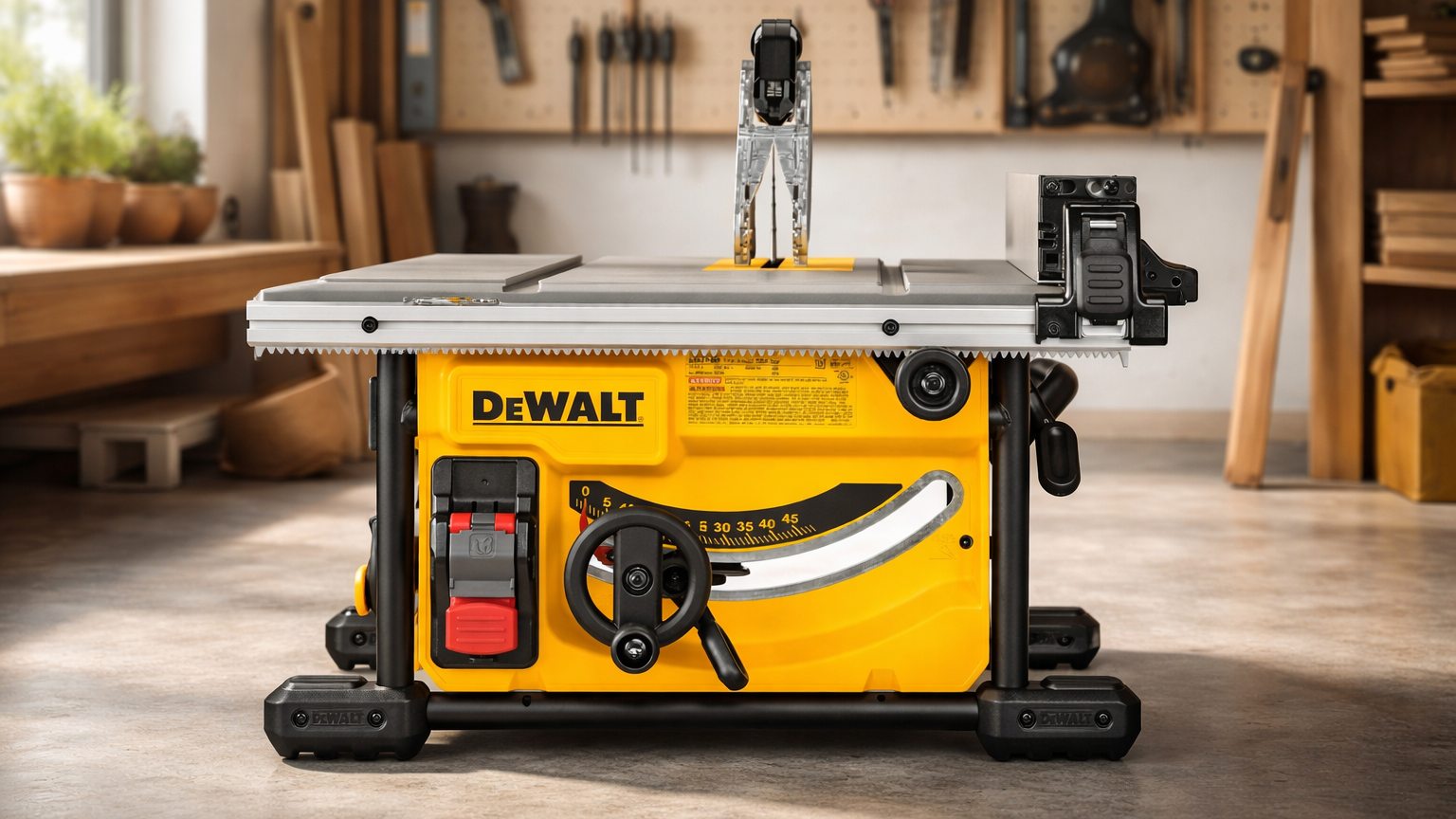
DeWalt DWE7485 table saw
#4 Best Compact Jobsite Pick Score: 9.0 / 10

DeWalt DWE7485

The DWE7485 is a compact jobsite table saw with a reputation for portability and straightforward fence operation. It is a smart choice for beginners who want a small-footprint saw that still feels capable and well sorted.

Size: Compact Fence: Smooth Motor: 15 Amp Best For: Small Shops

Pros

  • Easy to carry and store
  • Accurate rack and pinion fence
  • Strong brand support and availability

Cons

  • No wheeled stand in base form
  • Smaller work surface than larger jobsite saws
  • Less comfortable for sheet goods

Best For

  • Beginners with tight storage space
  • Portable DIY work
  • Users wanting a proven compact saw
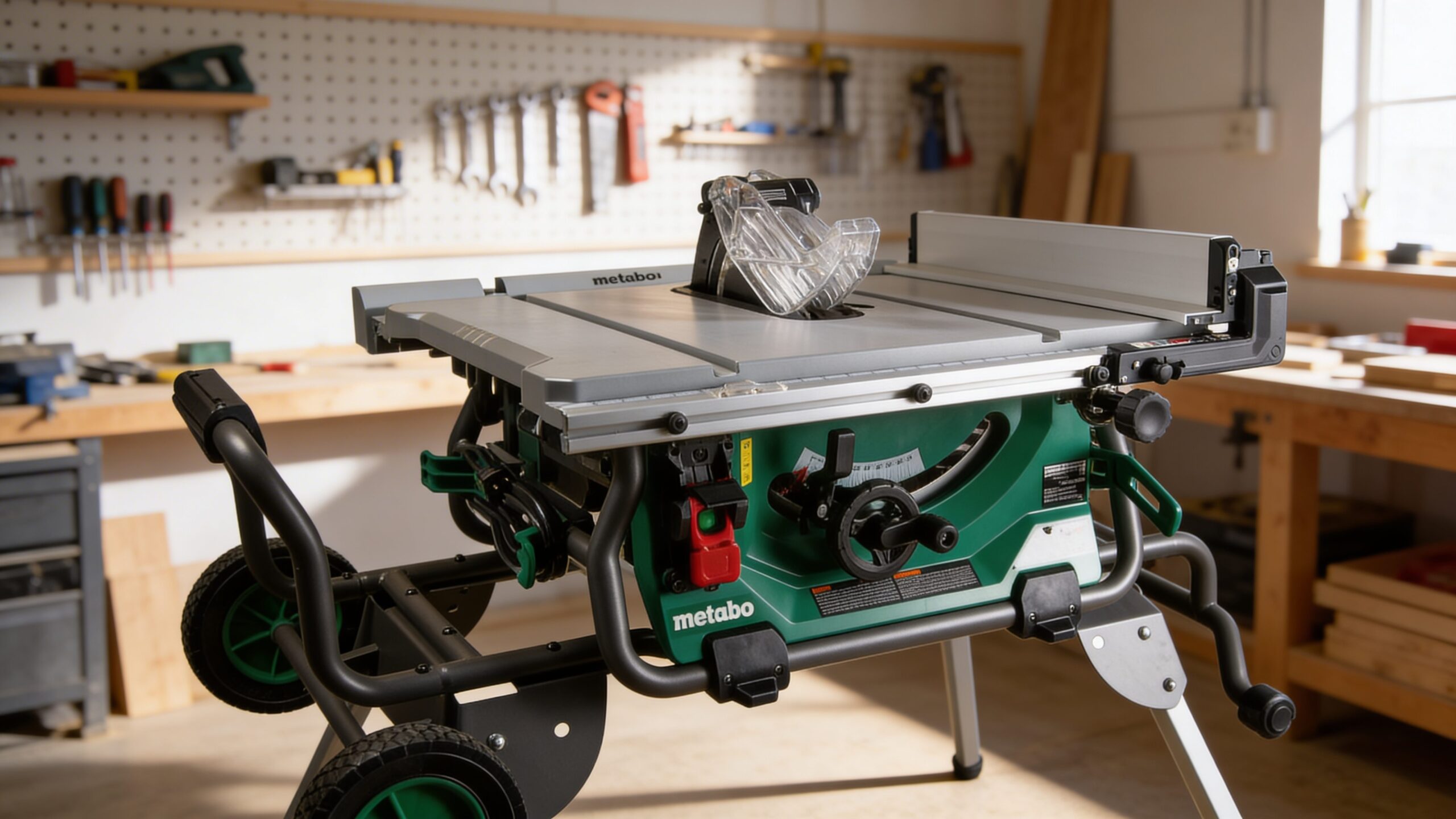
Metabo HPT C10RJ table saw
#5 Best for Stability Score: 8.9 / 10

Metabo HPT C10RJ

This jobsite model offers a confident, planted feel and enough capacity to stay useful as skills improve. It is not the lightest beginner saw, but it brings a sturdier worksite personality that some users will appreciate right away.

Stability: Strong Capacity: Generous Motor: 15 Amp Best For: Skill Growth

Pros

  • Stable stand and solid worksite feel
  • Good rip capacity for a beginner saw
  • Capable enough to grow with users

Cons

  • Bulkier than compact entry options
  • Can feel more jobsite than hobby focused
  • Not the cheapest option in the group

Best For

  • Beginners wanting more stability
  • Home shops making furniture projects
  • Users expecting heavier weekend use
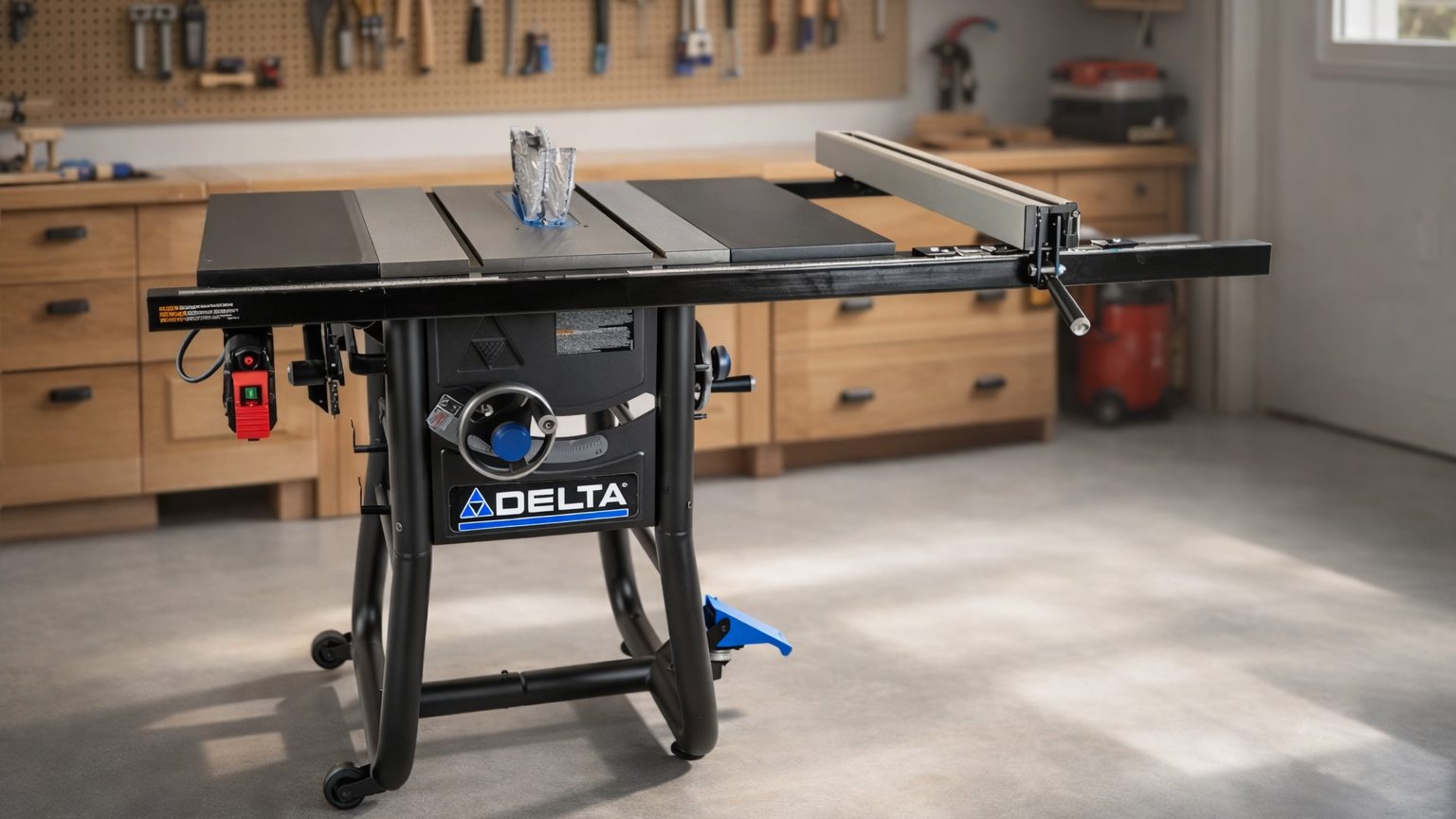
Delta 36-725T2 table saw
#6 Best Hybrid Style Starter Score: 8.8 / 10

Delta 36-725T2

The 36-725T2 appeals to beginners who want a more shop-oriented experience than a small portable saw provides. It asks for more space and setup commitment, but rewards that with a steadier platform and a more traditional table saw feel.

Table Feel: Shop Style Stability: Very Good Blade: 10 Inch Best For: Dedicated Garage Shops

Pros

  • More traditional table saw experience
  • Stable platform for repeatable cuts
  • Good fit for stationary home shops

Cons

  • Less portable than jobsite models
  • Takes more floor space
  • Not ideal for users needing easy transport

Best For

  • Beginners with a dedicated workshop
  • Furniture and trim projects
  • Users preferring a larger work surface
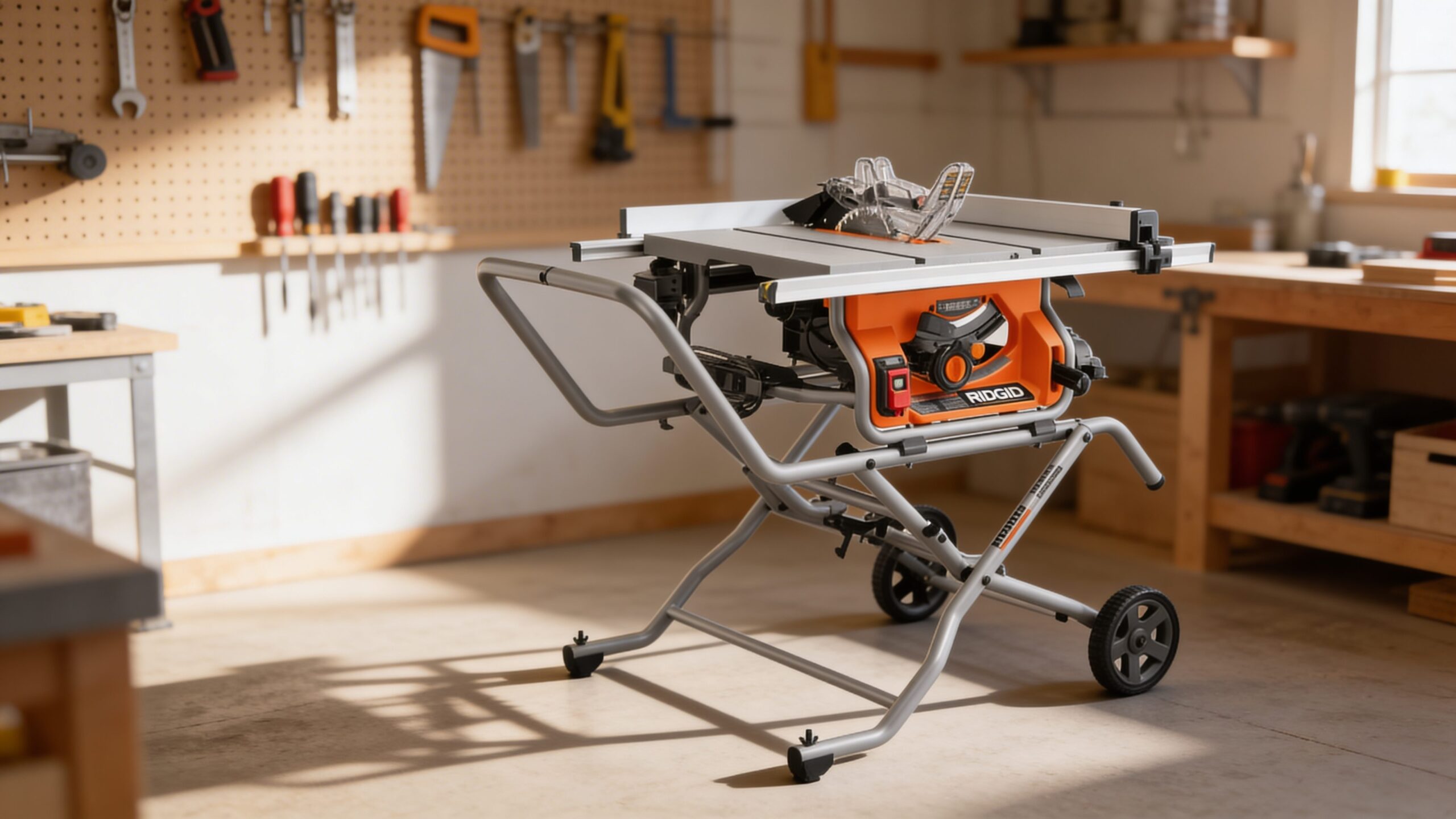
Ridgid R4514 table saw
#7 Best for Occasional DIY Score: 8.7 / 10

Ridgid R4514

The R4514 is a practical entry-level option for homeowners who want a recognizable brand and approachable pricing. It is better suited to lighter project loads, but it can make sense for beginners who prioritize simple weekend use over heavier woodworking ambitions.

Simplicity: Good Price: Accessible Motor: 15 Amp Best For: Weekend DIY

Pros

  • Accessible entry point for homeowners
  • Straightforward for basic project work
  • Common retail availability helps convenience

Cons

  • Less refined fence feel than top picks
  • Light-duty positioning limits growth potential
  • Not the strongest long-term value for advanced users

Best For

  • Homeowners needing occasional cuts
  • Basic shelving and repair projects
  • Entry buyers shopping local retail stores
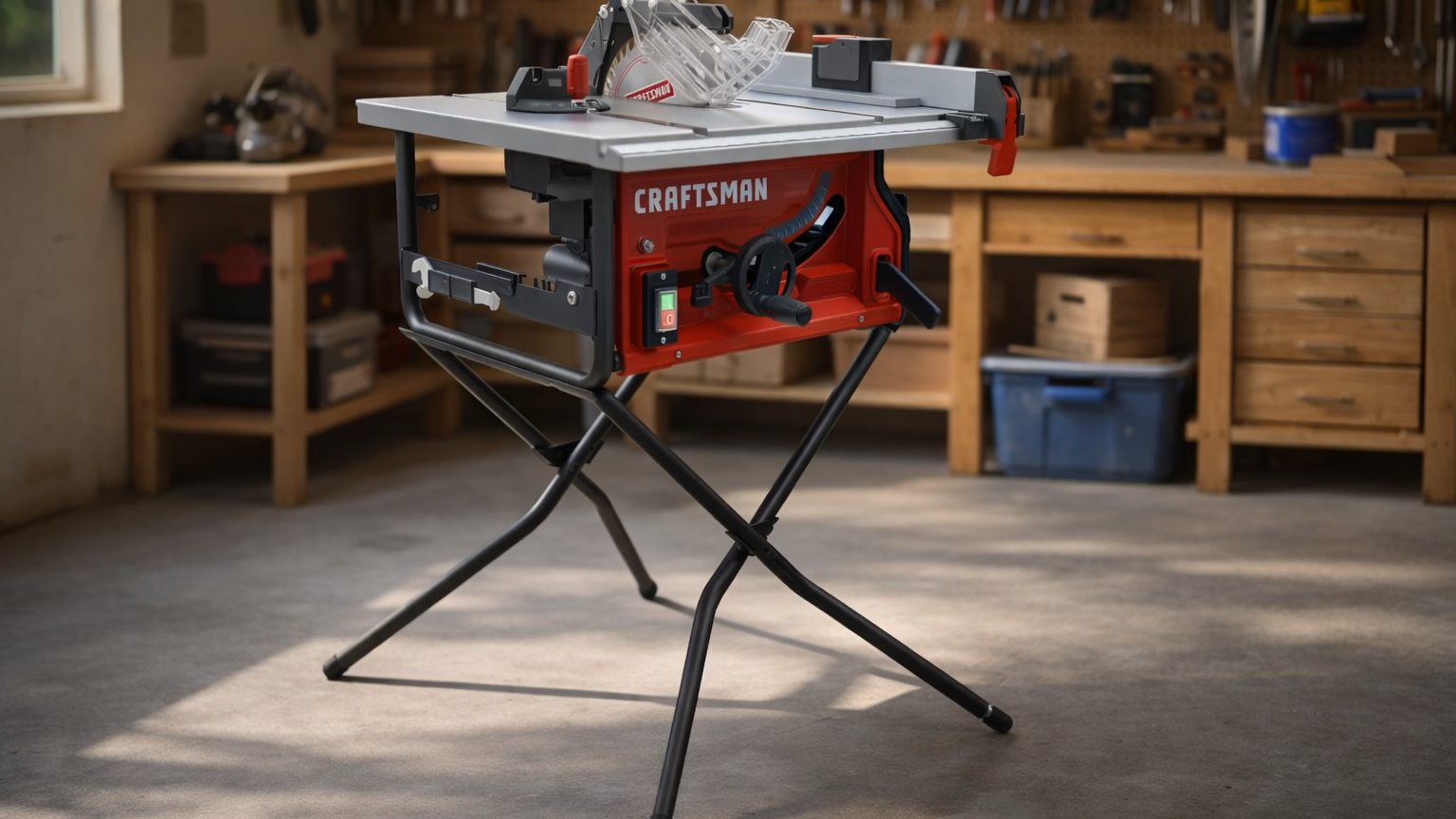
Craftsman CMXETAX69434502 table saw
#8 Starter Pick Score: 8.5 / 10

Craftsman CMXETAX69434502

This Craftsman model targets beginner and homeowner use with a familiar brand name and an approachable entry position. It is best for light to moderate project work rather than heavy precision demands, but it remains a reasonable starter option.

Approachability: Good Portability: Good Blade: 10 Inch Best For: First Table Saw

Pros

  • Beginner friendly positioning and pricing
  • Portable form factor suits smaller spaces
  • Simple enough for occasional project work

Cons

  • Less refined than higher-ranked models
  • Not ideal for demanding accuracy-focused users
  • Long-term growth ceiling is lower

Best For

  • First-time tool buyers
  • Basic woodworking and home tasks
  • Users keeping costs in check
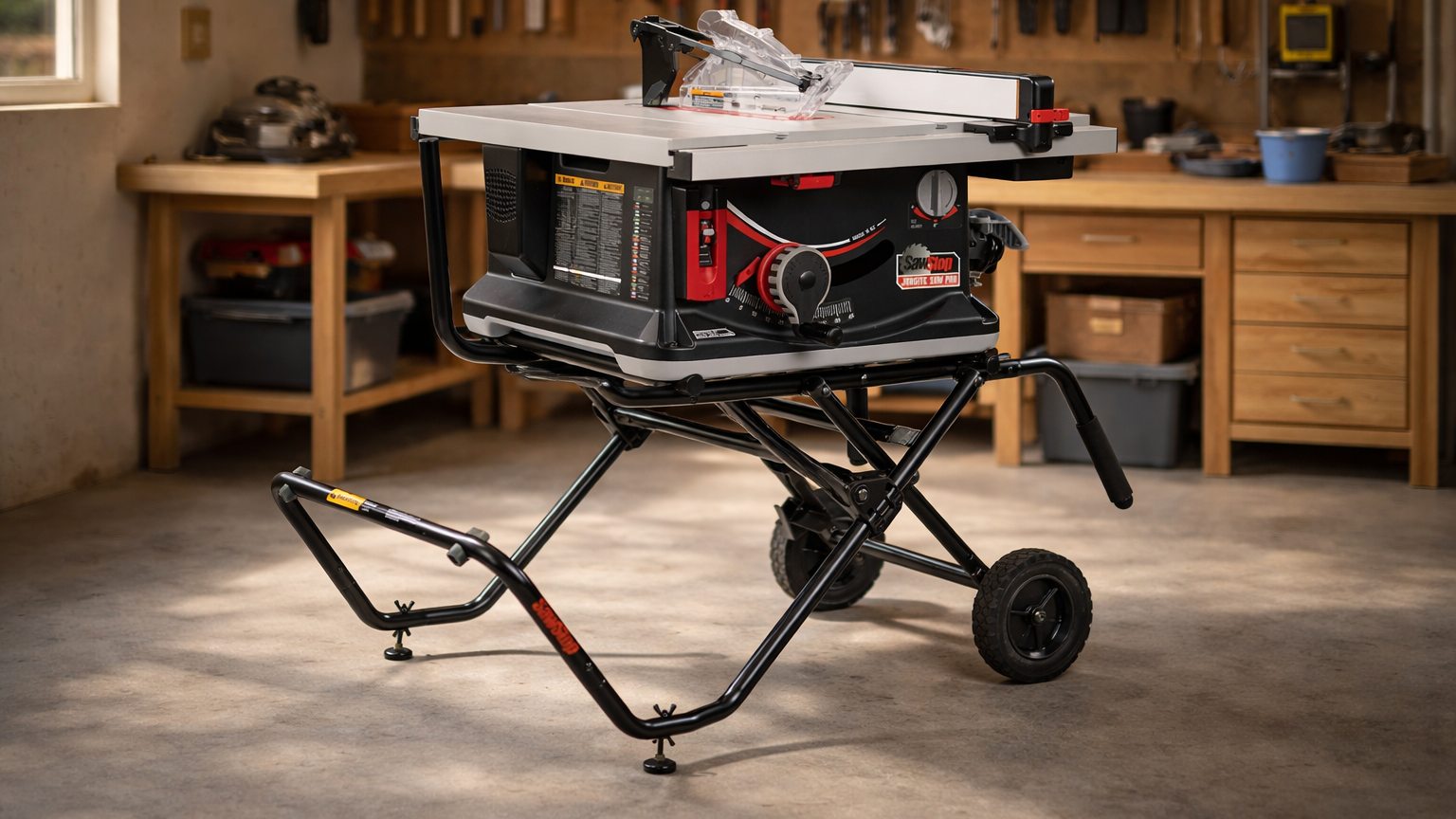
SawStop JSS-120A60 table saw
#9 Best Premium Upgrade Score: 8.4 / 10

SawStop JSS-120A60

The Jobsite Saw Pro is a high-quality saw with excellent safety appeal, but its price pushes it beyond what many beginners actually need. For shoppers who want premium execution from day one and can justify the spend, it remains a compelling option.

Build: Premium Safety: Excellent Motor: 15 Amp Best For: Premium Beginners

Pros

  • Excellent build quality and refinement
  • SawStop safety system remains a major advantage
  • Very capable as skills improve

Cons

  • Price is high for most first-time buyers
  • Overkill for light DIY use
  • Better value exists lower in the list

Best For

  • Beginners with a premium budget
  • Users prioritizing safety and refinement
  • Shoppers planning long-term ownership
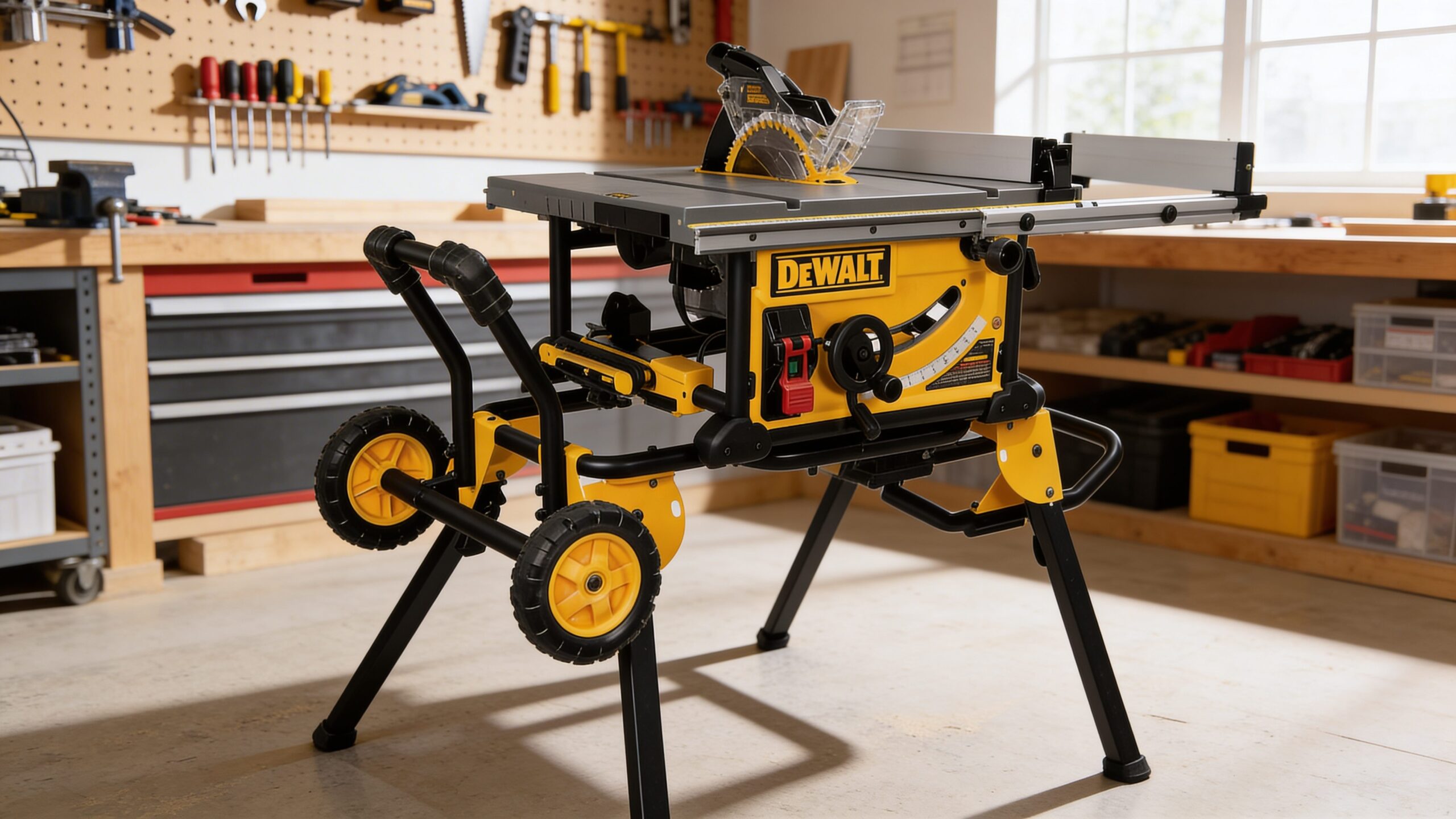
DeWalt DWE7491RS table saw
#10 Best for Room to Grow Score: 8.3 / 10

DeWalt DWE7491RS

The DWE7491RS is a capable saw with generous capacity, but it can be more machine than an absolute beginner needs at the start. It earns a spot for users who want to buy once, learn on something capable, and keep growing into more ambitious work.

Capacity: High Stand: Wheeled Motor: 15 Amp Best For: Long Term Use

Pros

  • Large rip capacity helps bigger projects
  • Wheeled stand improves mobility
  • Good option for beginners planning to advance quickly

Cons

  • Larger and less approachable than compact starters
  • Costs more than simpler beginner picks
  • May feel excessive for small-space hobby use

Best For

  • Beginners who want one saw for years
  • Users tackling larger wood projects
  • Buyers wanting more capacity from the start

Methodology

How We Evaluated Beginner Table Saws

Our rankings are built around the needs of beginner table saw buyers, combining real-world usability, safety considerations, feature quality, long-term ownership value, and broader market feedback into a consistent scoring framework.

Our Testing Framework

We evaluate table saws through a beginner-focused framework that looks beyond raw motor output and focuses on how approachable, accurate, and confidence-inspiring each saw is in normal home and workshop use.

  • Cutting consistency, fence accuracy, and general setup stability
  • Ease of use for new owners, including adjustments and portability
  • Safety design, guard systems, and overall user confidence
  • Build quality, long-term reliability, and ownership practicality
  • Value relative to features, capacity, and intended use case
Data Sources We Use

Our analysis combines multiple independent sources to reduce single-source bias and better reflect real ownership experience in this category:

  • Expert reviews and category-specific evaluations from tool reviewers
  • Verified owner feedback covering setup, accuracy, and durability
  • Manufacturer specifications, manuals, and feature documentation
  • Known reliability patterns, support quality, and model-positioning trends
How We Score & Rank Products

Each table saw is scored on a 10-point scale using weighted criteria designed for comparative buying decisions. Rankings reflect relative strength within this beginner-focused category rather than brand reputation or headline specs alone.

  • Performance, cut quality, and real-world capability
  • Build quality, stability, and long-term reliability
  • Ease of use, adjustments, and beginner-friendliness
  • Safety features, design execution, and overall usability
  • Price-to-performance value and ownership appeal
What We Don’t Do

To keep our recommendations independent and consumer-first:

  • We don’t accept paid placements or sponsored ranking positions
  • We don’t rank products based on affiliate payouts or brand size
  • We don’t over-reward premium pricing without clear user benefit
How Often Rankings Are Updated

Rankings are reviewed regularly and updated when meaningful changes appear in the market, including new models, discontinued products, pricing shifts, feature updates, or changing reliability patterns.

Our goal is to keep each list useful for current buyers, especially beginners comparing their first table saw and trying to avoid outdated recommendations.

Side-by-Side Comparisons

Quickly narrow your shortlist. Use this first, then jump to full reviews for your finalists.

# Model Best For Platform Weight Power Feel Why It Won
1 SawStop CTS-120A60 Best Overall Safety-first beginners Compact portable Light Strong Safety tech + compact confidence
2 Skil TS6307-00 Best Value First serious saw Portable with stand Medium Strong Value + easy fence setup
3 Bosch 4100XC-10 Best Stand Design Growing skill sets Jobsite wheeled Heavy Strong Easy stand + mobile stability
4 DeWalt DWE7485 Best Compact Jobsite Pick Small shops Compact jobsite Light Strong Portable size + proven fence
5 Metabo HPT C10RJ Best for Stability Skill growth Jobsite with stand Heavy Strong Stable feel + growth potential
6 Delta 36-725T2 Best Hybrid Style Starter Dedicated garage shops Stationary hybrid style Heavy Strong Traditional feel + larger platform
7 Ridgid R4514 Best for Occasional DIY Weekend DIY Entry portable Medium Moderate Accessible price + simple use
8 Craftsman CMXETAX69434502 Starter Pick First-time buyers Portable starter Medium Moderate Approachable entry point
9 SawStop JSS-120A60 Best Premium Upgrade Premium beginners Premium jobsite Heavy Very strong Premium build + safety system
10 DeWalt DWE7491RS Best for Room to Grow Long-term use Large jobsite wheeled Heavy Very strong Capacity + long-term flexibility

#1 — SawStop CTS-120A60

Best Overall
Best For
Safety-first beginners
Platform
Compact portable
Weight
Light
Power Feel
Strong
Why it wonSafety tech + compact confidence

#2 — Skil TS6307-00

Best Value
Best For
First serious saw
Platform
Portable with stand
Weight
Medium
Power Feel
Strong
Why it wonValue + easy fence setup

#3 — Bosch 4100XC-10

Best Stand Design
Best For
Growing skill sets
Platform
Jobsite wheeled
Weight
Heavy
Power Feel
Strong
Why it wonEasy stand + mobile stability

#4 — DeWalt DWE7485

Best Compact Jobsite Pick
Best For
Small shops
Platform
Compact jobsite
Weight
Light
Power Feel
Strong
Why it wonPortable size + proven fence

#5 — Metabo HPT C10RJ

Best for Stability
Best For
Skill growth
Platform
Jobsite with stand
Weight
Heavy
Power Feel
Strong
Why it wonStable feel + growth potential

#6 — Delta 36-725T2

Best Hybrid Style Starter
Best For
Dedicated garage shops
Platform
Stationary hybrid style
Weight
Heavy
Power Feel
Strong
Why it wonTraditional feel + larger platform

#7 — Ridgid R4514

Best for Occasional DIY
Best For
Weekend DIY
Platform
Entry portable
Weight
Medium
Power Feel
Moderate
Why it wonAccessible price + simple use

#8 — Craftsman CMXETAX69434502

Starter Pick
Best For
First-time buyers
Platform
Portable starter
Weight
Medium
Power Feel
Moderate
Why it wonApproachable entry point

#9 — SawStop JSS-120A60

Best Premium Upgrade
Best For
Premium beginners
Platform
Premium jobsite
Weight
Heavy
Power Feel
Very strong
Why it wonPremium build + safety system

#10 — DeWalt DWE7491RS

Best for Room to Grow
Best For
Long-term use
Platform
Large jobsite wheeled
Weight
Heavy
Power Feel
Very strong
Why it wonCapacity + long-term flexibility

FAQ: Table Saws for Beginners (Buying + Real-World Use)

Quick answers to the questions people actually ask before they buy. Expand a topic to get the tradeoffs, not just the headline.

In-Depth Reviews: What These Table Saws Are Really Like to Use

These full reviews expand on the Top 10 cards with a deeper look at real ownership tradeoffs. We focus on real-use behavior: fence feel, setup clarity, stability, portability, safety confidence, cut consistency, and the small design details that shape whether a table saw feels approachable or frustrating once you start building.

60-second take Real-use breakdown Who it’s for (and not for)
#1 Best Overall Score: 9.7 / 10

SawStop CTS-120A60

The strongest all-around beginner pick in this group. It pairs compact portability with unusually high safety confidence, so it feels like a premium starter saw that stays approachable instead of intimidating.

Compare Specs

What It’s Great At

  • Safety reassurance: the SawStop system changes how many beginners feel around a table saw.
  • Compact ownership: easier to store and move than larger shop-style models.
  • Everyday usability: feels refined rather than fussy in normal adjustments.

Watch-Outs

  • Premium price: you pay notably more for the safety advantage.
  • Smaller footprint: less comfortable for bigger sheet work without support.
  • Niche value: overkill for buyers who only need occasional rough cuts.

Ideal Buyer

  • First-time owners: want the highest confidence level possible.
  • Small garages: need a saw that is easier to live with.
  • Long-term buyers: prefer paying more once for better safety and refinement.
The Real-World Verdict

This saw wins because it lowers the emotional barrier of learning. The compact size makes it easier to place and manage, while the safety technology gives it a kind of confidence advantage that most beginner saws simply cannot match. It still feels like a serious woodworking tool, but it does not push the buyer into a full-size shop commitment right away.

Safety Confidence & Day-One Ownership

Many beginner saws are judged only on price and power. The CTS-120A60 stands out because it changes the ownership experience itself. It feels like a machine built for people who want to learn carefully and build better habits from the start.

  • Biggest strength: more peace of mind during the learning phase.
  • Practical benefit: easier recommendation for cautious first-time buyers.
Portability & Small-Shop Fit

Compact size matters more than many buyers expect. A saw that is easier to move, store, and position often gets used more confidently than a larger model that dominates the room. That is a major reason this one works so well for garages, shared spaces, and mobile setups.

Who Should Skip
  • Skip it if: price sensitivity matters more than premium safety and refinement.
  • Skip it if: you want the biggest work surface and do not care much about portability.
#2 Best Value Score: 9.4 / 10

Skil TS6307-00

The smartest value lane for most beginners. It delivers a very usable fence system, practical portability, and enough all-around capability to feel like a real step up from basic entry-level saws.

Compare Specs

What It’s Great At

  • Price-to-performance: one of the easiest strong recommendations in the category.
  • Fence usability: approachable adjustments help newer users feel more in control.
  • Ownership practicality: folding stand adds real convenience.

Watch-Outs

  • Not premium: refinement is good, not top-tier.
  • Noise and feel: still a portable saw with portable-saw tradeoffs.
  • Big material support: limited compared with larger shop-style options.

Ideal Buyer

  • Budget-minded beginners: want real capability without premium pricing.
  • Garage woodworkers: need folding portability and easy storage.
  • DIY upgraders: are ready for a better first serious saw.
The Real-World Verdict

This is the saw many people should probably buy before they overthink the category. It covers the important beginner needs well: the fence is approachable, the overall package feels practical, and the price leaves room for accessories, blades, or material instead of draining the whole budget. It is not the most premium experience, but it is one of the most sensible ones.

Fence Feel & Setup Simplicity

Fence behavior shapes the entire ownership experience. On value saws, that is often the weak point. Here, it is strong enough to make the saw feel more mature than its price bracket suggests.

  • Best trait: easier adjustments for newer users.
  • Why it matters: less time fighting setup, more time cutting.
Why It Beats Cheaper Starter Options

The TS6307-00 lands in an important sweet spot: it feels like a meaningful tool rather than a compromised starter purchase. That usually means fewer regrets and less urge to replace it immediately.

Who Should Skip
  • Skip it if: you specifically want premium safety technology.
  • Skip it if: you have room for a larger stationary saw and want that experience instead.
#3 Best Stand Design Score: 9.2 / 10

Bosch 4100XC-10

A very capable jobsite saw with one of the easiest mobility stories in the group. It is a strong fit for beginners who want portability without giving up a more planted, serious feel.

Compare Specs

What It’s Great At

  • Mobility: the stand design makes transport and setup feel easier.
  • Worksite confidence: more substantial feel than smaller compact saws.
  • Growth room: enough capability to stay useful as skills improve.

Watch-Outs

  • Bulk: bigger and heavier than compact beginner-first options.
  • Price: not the obvious value pick.
  • Overbuy risk: may be more saw than light DIY users need.

Ideal Buyer

  • Mobile DIYers: need a saw that moves well and sets up cleanly.
  • Home workshop users: want more stability than tiny portables offer.
  • Longer-term beginners: plan to keep growing into bigger projects.
The Real-World Verdict

The Bosch feels like a bridge between beginner practicality and more serious worksite expectations. Its big advantage is not just cutting ability. It is how the whole package moves, stores, and sets up. That makes it especially appealing for users who do not want a permanently parked saw but also do not want something that feels too light or too temporary.

Stand & Mobility Advantage

Some saws are technically portable, but still annoying to live with. The Bosch stands out because the stand is part of the product’s appeal, not an afterthought.

  • Best use: garages, driveways, and multi-use spaces.
  • Practical payoff: easier movement encourages more regular use.
Where It Fits Against the Top Two

Compared with our Best Overall pick, it gives up the safety advantage. Compared with our Best Value pick, it leans more toward worksite robustness and mobility convenience than pure budget efficiency.

Who Should Skip
  • Skip it if: compact size matters more than stand convenience.
  • Skip it if: you are shopping strictly for best beginner value.
#4 Best Compact Jobsite Pick Score: 9.0 / 10

DeWalt DWE7485

A very practical compact saw that earns its place through portability, familiarity, and a fence system many buyers find easy to trust. It is one of the cleanest small-space choices in the category.

Compare Specs

What It’s Great At

  • Compact storage: easier to fit into smaller garages and work areas.
  • Fence confidence: one of the big reasons people gravitate toward it.
  • Brand familiarity: easy to recommend and easy to find.

Watch-Outs

  • Smaller work surface: large material needs more support and patience.
  • No premium safety angle: not competing on that front.
  • Compact tradeoff: portability comes ahead of full-size stability.

Ideal Buyer

  • Small-shop owners: need strong portability without going ultra-basic.
  • DIY builders: want a proven compact saw from a known brand.
  • Storage-limited users: cannot justify a larger stationary setup.
The Real-World Verdict

The DWE7485 succeeds by staying focused. It does not try to be everything. Instead, it gives buyers a compact jobsite experience that feels sorted out and dependable. For many beginners, that is more useful than chasing a bigger saw that is harder to store, harder to move, and less likely to be set up often.

Why Compact Can Be the Better First Choice

Buyers often underestimate how much convenience shapes real-world satisfaction. A compact saw that gets used regularly is usually a better first purchase than a larger saw that feels like a hassle.

Fence Feel & Repeatability

Fence confidence matters because it affects trust. The DeWalt’s reputation here is one of the reasons it remains such a common recommendation in beginner and compact-jobsite conversations.

Who Should Skip
  • Skip it if: you want a wheeled stand included as part of the main appeal.
  • Skip it if: you have room and budget for a larger, more stationary-feeling saw.
#5 Best for Stability Score: 8.9 / 10

Metabo HPT C10RJ

A jobsite-style saw that feels more planted and substantial than many buyers expect. It is a strong fit for beginners who want stability and room to grow, even if that means accepting more bulk.

Compare Specs

What It’s Great At

  • Planted feel: reassuring for buyers who dislike flimsy-feeling portables.
  • Growth potential: enough saw for more ambitious projects later.
  • Jobsite toughness: positioned well for harder weekend use.

Watch-Outs

  • Size and bulk: less convenient than compact first-saw options.
  • Value lane: not as obvious a budget pick as the Skil.
  • Learning curve: can feel like more machine than casual users want.

Ideal Buyer

  • Committed beginners: want a more serious-feeling first saw.
  • Garage woodworkers: have room for a sturdier setup.
  • Frequent users: expect heavier weekend project use.
The Real-World Verdict

The C10RJ appeals to the buyer who wants a first saw that already feels closer to a “real shop tool” than a lightweight starter product. It is not the easiest model to move around or tuck away, but it rewards that extra burden with a steadier, more confidence-building personality for users who are serious about learning.

Stability vs Portability Tradeoff

This saw makes the most sense when stability carries more weight than simplicity. If your goal is a sturdier platform and you can tolerate more bulk, its personality becomes easier to justify.

Who It Beats in This List

It can make more sense than compact options when the buyer dislikes lightweight setups and expects more demanding project work. It is less compelling when convenience and storage matter most.

#6 Best Hybrid Style Starter Score: 8.8 / 10

Delta 36-725T2

A more shop-oriented starter saw for buyers who already know they want a dedicated workspace. It trades portability for a steadier, more traditional table saw experience.

Compare Specs

What It’s Great At

  • Traditional feel: closer to a true shop saw experience.
  • Stable platform: more reassuring for repeatable cuts and longer work sessions.
  • Workspace fit: suits a dedicated garage layout better than portable-first models.

Watch-Outs

  • Not portable: a poor fit for users who need quick setup and storage.
  • Space commitment: asks more from the room and the owner.
  • Less flexible: harder to justify in multi-use spaces.

Ideal Buyer

  • Dedicated garage-shop owners: can leave the saw in place.
  • Traditionalists: prefer a more shop-style working experience.
  • Beginners with room: want to start with a steadier platform.
The Real-World Verdict

The Delta makes sense for buyers who already know they want a more permanent woodworking setup. It is not as universally easy to recommend as the compact and portable winners, but it can be the more satisfying choice for someone who dislikes the compromises of jobsite-style saws and has enough space to support a larger footprint.

Why Hybrid-Style Ownership Changes the Experience

When a saw stays in place, many small frustrations disappear. You do not need to think as much about movement, folding, or compactness. In exchange, you give up flexibility and convenience.

Who Should Skip
  • Skip it if: your garage still needs to function as parking or storage space.
  • Skip it if: portability is one of your top requirements.
#7 Best for Occasional DIY Score: 8.7 / 10

Ridgid R4514

A straightforward entry-level option for lighter project use. It works best when expectations stay aligned with casual DIY, weekend repairs, and homeowner convenience rather than heavier woodworking ambitions.

Compare Specs

What It’s Great At

  • Accessibility: easier to justify for lighter-duty buyers.
  • Simple role: fits weekend and repair-focused ownership well.
  • Retail convenience: familiar local-buying appeal helps some homeowners.

Watch-Outs

  • Refinement ceiling: does not feel as polished as the higher-ranked picks.
  • Growth limits: less ideal if you expect to become more serious about woodworking.
  • Fence confidence: not the standout trait here.

Ideal Buyer

  • Homeowners: need a saw for occasional project bursts.
  • DIY repair users: do shelving, trim, and utility-style cuts.
  • Local-store shoppers: prefer common retail access over premium positioning.
The Real-World Verdict

The R4514 makes the most sense when the buyer’s expectations are modest and realistic. It is not trying to be the top fence, top safety, or top growth pick. Instead, it is a workable option for occasional DIY use where convenience and a more accessible entry point matter more than long-term platform sophistication.

Best Use Case: Weekend Utility Work

This is the kind of saw that fits occasional usefulness better than aspirational woodworking. If that is your lane, it can still be a reasonable choice.

Who Should Skip
  • Skip it if: you want a saw with stronger long-term upgrade potential.
  • Skip it if: fence quality and refined usability are your top decision points.
#8 Starter Pick Score: 8.5 / 10

Craftsman CMXETAX69434502

A simple first-step option for buyers who want a recognizable brand and an approachable entry point. It is best viewed as a basic starter saw rather than a long-range upgrade platform.

Compare Specs

What It’s Great At

  • Approachability: easy to understand as a first table saw purchase.
  • Beginner role fit: aligns with light woodworking and homeowner tasks.
  • Brand familiarity: comfortable entry point for many casual buyers.

Watch-Outs

  • Lower ceiling: easier to outgrow than the stronger value and premium picks.
  • Refinement gap: does not feel as polished as the leaders above it.
  • Value pressure: depends heavily on actual street pricing and expectations.

Ideal Buyer

  • First-time buyers: want something simple and recognizable.
  • Basic project users: focus on light builds and homeowner needs.
  • Casual shoppers: are not trying to buy their forever saw.
The Real-World Verdict

This Craftsman works best when it is treated as a true starter pick. It can cover the basics for light project work, but it does not carry the same “buy once” confidence as the better-ranked options. If the goal is simple entry without trying to optimize every detail, it is a reasonable fit. If the goal is growth and long-term satisfaction, stronger choices are already in this list.

Where It Fits in the List

It sits in the lower half because it is easier to recommend conditionally than universally. It makes sense only when the buyer’s priorities stay simple and the expectations stay modest.

Who Should Skip
  • Skip it if: you want the strongest value in the entire list.
  • Skip it if: you already know you will push into more serious woodworking.
#9 Best Premium Upgrade Score: 8.4 / 10

SawStop JSS-120A60

A premium jobsite saw for buyers who want higher-end build quality and SawStop safety from the start. Its lower ranking is more about value fit for beginners than about quality itself.

Compare Specs

What It’s Great At

  • Premium feel: stronger refinement and ownership quality than many rivals.
  • Safety system: major differentiator for cautious buyers.
  • Long-term appeal: easier to justify if you plan to keep it for years.

Watch-Outs

  • Expensive lane: hard to recommend broadly for first-time buyers.
  • Value gap: several cheaper models cover beginner needs very well.
  • Overbuy risk: too much saw for lighter DIY users.

Ideal Buyer

  • Premium shoppers: want a high-end first purchase.
  • Safety-focused owners: place extra value on SawStop protection.
  • Long-horizon buyers: prefer stronger build and long-term ownership confidence.
The Real-World Verdict

This is a good example of a product that ranks lower not because it lacks quality, but because the buying fit is narrower. For the right person, it is absolutely compelling. For the average beginner, the price and premium positioning make it harder to justify against more practical choices. It is best understood as an upgrade mindset purchase, not the default recommendation.

Why Premium Can Still Make Sense

Premium ownership can be rational when the buyer values safety, refinement, and long-term satisfaction more than initial spend. That is the entire case for this saw.

Who Should Skip
  • Skip it if: you are looking for the most practical beginner value.
  • Skip it if: your projects are light and occasional rather than long-term and serious.
#10 Best for Room to Grow Score: 8.3 / 10

DeWalt DWE7491RS

A capable saw with generous capacity and clear long-term appeal, but one that can be more machine than an absolute beginner actually needs. It suits “buy once, grow into it” thinking better than casual starter use.

Compare Specs

What It’s Great At

  • Capacity: more room for larger work as skills advance.
  • Wheeled setup: easier to move than its size suggests.
  • Future-proofing: attractive to buyers who dislike upgrading later.

Watch-Outs

  • Big beginner step: easier to overbuy here than with the compact picks.
  • Higher burden: size and overall presence are not subtle.
  • Value tension: many new users simply will not need this much saw.

Ideal Buyer

  • Growth-minded beginners: already know they want more capacity.
  • Bigger project users: plan to tackle larger material and broader builds.
  • One-and-done shoppers: prefer buying more capability up front.
The Real-World Verdict

The DWE7491RS is a saw you buy because you want more headroom from day one. That can be smart for the right owner, but it is not automatically the smartest beginner move. Its lower ranking reflects fit, not uselessness. For many first-time buyers, smaller and simpler is better. For the buyer who already knows larger projects are coming, this one becomes easier to defend.

Capacity vs Approachability

More capacity sounds good in theory, but it often arrives with more weight, more bulk, and a less beginner-friendly footprint. That is the central tradeoff here.

Who Should Skip
  • Skip it if: storage space is tight and portability convenience matters most.
  • Skip it if: you are a true beginner who mainly needs a smaller, easier first saw.

Key Takeaways

  • SawStop CTS-120A60 is the #1 overall winner because it combines compact ownership, strong usability, and standout safety confidence.
  • Skil TS6307-00 is the best value pick for most beginners who want strong everyday capability without premium pricing.
  • Bosch 4100XC-10 is the best special-use-case pick when mobility and an easy stand setup matter as much as cutting performance.
  • DeWalt DWE7485 is the easiest compact pick for smaller shops, tighter storage, and buyers who want a proven portable format.
  • Ownership cost is not just sticker price, because portability, storage fit, and how long a saw stays satisfying all affect real value.
  • For most buyers, the smartest move is choosing the saw that fits your space, safety priorities, and project level rather than chasing maximum size.

Top Picks

Tap a pick to jump to the full review, or compare specs.

Best Overall SawStop CTS-120A60 →

Best Stand Design Bosch 4100XC-10 →

Best Value Skil TS6307-00 →

Jump to Comparison

Where to Buy

We prioritize reputable sellers, easy returns, and reliable availability.

Price checks happen regularly. Some links may earn a commission—never affects rankings.

Accessories You’ll Want

  • Quality combination blade (a noticeable upgrade for cleaner everyday cuts than many stock blades deliver)
  • Outfeed support or roller stand (helps control longer boards and sheet goods more safely and with less strain)
  • Push stick and push block set (simple safety add-ons that make narrow and controlled cuts easier to manage)
  • Dust collection hose or shop vacuum adapter (worth adding if you want cleaner cuts, better visibility, and less mess)
  • Featherboard (useful for improving workpiece control and cut consistency on repetitive rip cuts)

Tip: A better blade and better work support usually improve real-world results more than chasing a bigger saw—especially for first-time table saw owners.