
Bicycles Buying Guide for Beginner Cyclists
For a first adult bicycle used mainly on paved paths and local streets, a rigid hybrid is a useful place to start. Its flat-bar controls are easy to inspect and try, while a step-through version may make mounting more convenient. Choose a different family when the intended route calls for it, rather than treating beginner as a permanent bicycle category.
The first purchase should help you start, steer, shift and stop with confidence. This guide puts those tasks ahead of component prestige, explains where a simple setup helps and shows how to compare the complete cost. A short, structured demonstration is more informative than a long list of gears.
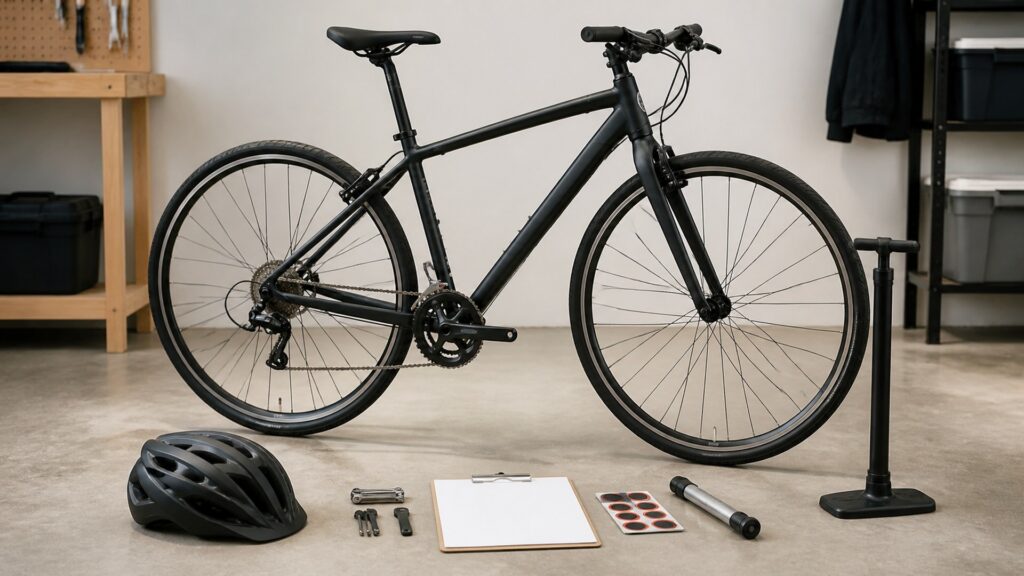
Buying framework
Start with a ride you can describe
Choose for the first months of real use. A clear route and a supervised demonstration will narrow the purchase faster than equipment rankings.
Name the surface: Separate neighborhood pavement, maintained paths and actual mountain-bike trails. The bicycle's intended-use category should cover the route; suspension is not a substitute for checking that approval.
Make stopping part of the fitting: In the normal hand position, reach and operate each brake lever. A seller should explain which lever controls which brake and adjust compatible controls where needed before the ride begins.
Budget a complete introduction: Include assembly, setup, a suitable helmet, necessary visibility equipment and a practical repair or recovery plan. The lowest bicycle price may exclude the support that makes a first purchase usable.
Choose room to learn: Favor a setup whose saddle and controls can be adjusted within the maker's limits. Avoid paying for a highly integrated cockpit before you know the position and bar arrangement you prefer.
Who this is for
Match the first bicycle to the first outings
New riders do not all need the same design. The route and the tasks around it are more useful than a beginner badge.
Local paths and short errands: Try a rigid hybrid with tires appropriate to the paths. Rack or guard mounts are valuable if carrying shopping or riding after rain is already part of the plan.
Frequent stops and easy mounting: Compare a step-through utility design. Check the actual opening and balance while getting on and off, rather than assuming the frame's label establishes the right access.
Joining paved recreational rides: An endurance road bicycle can make sense if drop-bar controls feel manageable and the route warrants it. Ask for an unhurried introduction to braking and shifting from the positions you will use.
Learning on technical trails: Look at an appropriately rated mountain bike and local instruction. Suspension setup, suitable tires and trail control become meaningful here; a pavement-oriented hybrid is not upgraded into a trail bike by appearance alone.
What to pay attention to
Try the controls before comparing components
Use a quiet, permitted test area with the seller's guidance. Evaluate the tasks below on the actual size being purchased.
Learning the controls
Check the actions a new rider must perform repeatedly: mount, start, steer, choose a gear and stop.
Owning the first complete bicycle
Compare the assembled bicycle, route accessories and access to help as one first purchase.
Mounting and dismounting: Wear the shoes you expect to ride in and step over or through the frame. Confirm that starting and getting off do not require an awkward reach or contact with the top tube.
Saddle adjustment range: Have the saddle set for an appropriate pedaling position and practice stopping as instructed. Buying an undersized bicycle solely to sit with both feet flat can create a different fit problem.
Brake reach and grip: Check that both levers can be operated from the ordinary riding grip. Ask whether reach adjustment is available; changing the frame size does not necessarily fix a lever designed for a different hand reach.
Shifter layout and low gear: Have the seller demonstrate how to select an easier gear, then rehearse it during the trial. Evaluate the actual low ratio on a suitable incline instead of ranking bicycles by the number of advertised speeds.
Pedal and shoe interface: Flat pedals let you begin without learning a cleat-release mechanism at the same time. Check shoe contact and pedal clearance, and treat clip-in pedals as a separate choice that can be learned later.
Fork and tire configuration: For ordinary smooth routes, compare a rigid fork before accepting suspension's additional setup and service. For trails, have the shop specify the appropriate suspension and tires for the approved use.
Avoid these traps
Do not buy complexity to look experienced
The most useful first upgrades solve a problem you have encountered. These common shortcuts spend money before that problem is understood.
Choosing a size because it is discounted: A bargain does not help if the controls remain out of reach. Compare another suitable model rather than assuming a saddle move can compensate for the wrong frame dimensions.
Buying maximum gears as maximum capability: Several ratios can overlap, and the easiest available ratio matters more for a difficult restart. Ask the shop to demonstrate the range rather than counting shifter positions.
Adding suspension for every bump: A fork designed for rough use brings weight and maintenance even on smooth roads. Tire choice and an appropriate position deserve consideration before buying a mechanism the route rarely needs.
Assuming a boxed bicycle is ready to ride: Delivery may leave assembly, wheel retention and adjustment to the buyer. Establish who performs the required work and what it costs; do not use the first outing to discover an incomplete setup.
Decision guidance
Use a simple purchase order
After the demonstration, choose the family that matches the route and the controls you can operate. Leave optional sporting features until a specific need appears.
Pavement is the main plan: Pick the hybrid whose size, braking and shifts make sense during the test. Spend the difference on proper setup and route equipment before moving to a higher drivetrain tier.
Mounting remains the difficult part: Prefer the suitable step-through candidate if it improves that task without compromising the intended ride. Check accessory support separately because frame bags and some carrying arrangements may differ.
Road rides are the clear objective: Choose the endurance road option after practicing its control layout. Drop bars are a valid first choice when they suit the rider, not a requirement for becoming a serious cyclist.
The route exceeds the bicycle's use category: Change the bicycle family or change the planned route. For technical terrain, include instruction and an appropriate trail bicycle rather than stretching a city bicycle beyond its documented purpose.
Ownership & compatibility
Make the handover useful
A first bicycle needs an understandable care routine. Ask the seller to demonstrate the tasks on your own equipment.
Learn the basic pre-ride check: Use the owner's manual to learn tire, brake and wheel-retention checks. Know when a fault means stopping and asking a shop for help rather than experimenting with an unfamiliar adjustment.
Understand cleaning and chain care: Obtain the lubricant and cleaning instructions appropriate to the drivetrain. Have the shop show where products belong so oil does not end up on braking surfaces or unrelated components.
Arrange the first follow-up: Ask what setup support or inspection the seller includes and how to report a fit or shifting issue. Follow the supplied schedule rather than assuming every retailer offers the same free service.
FAQ
First-bicycle questions worth asking
Clear answers can prevent unnecessary upgrades and incomplete purchases.
Is a used bicycle a sensible first purchase?
Do I need special cycling shoes immediately?
Can I order using height alone?
Should I choose an electric bicycle as a beginner?
Are expensive brakes necessary for learning?
Can I upgrade the bicycle later?
How much should a first bicycle cost?
Is a wider saddle always more comfortable?
What should I leave the shop knowing?
Bottom line
Buy a first bicycle you can operate and maintain
A successful introduction begins with usable controls and a suitable route. The equipment can become more specialized as experience reveals what matters.
Pass the control test: Approve mounting, steering, braking and gear selection on the actual bicycle.
Buy the appropriate family: Let pavement, utility trips or trail use determine the design.
Keep support in the price: Include assembly and initial guidance before paying for optional performance parts.
Reading Shortcuts
Follow the purchase from a first route to controls, bicycle type and handover questions.
Decision Reminders
Use the shop visit to practice, not just inspect.
- 1: Wear your intended shoes for the mounting check.
- 2: Practice the brake and shift controls before leaving.
- 3: Ask which assembly work is included.
- 4: Keep funds for equipment needed on your actual route.
Glossary Snippets
Plain language for the first fitting and test ride.
When to Use a Top 10 Review
Shortlists help identify suitable first-bicycle families and local support options.
- Starting use: Select candidates for the surfaces you expect in the first months.
- Retail support: Look for clear sizing, assembly and follow-up information alongside the bicycle specification.
References: Trek: choosing a bicycle family; Trek owner manual: checks and controls. Checked October 6, 2026. This guide does not claim original product measurements. Use the Comparison to assess finalists.
When to Use a Comparison
Compare what each seller delivers ready for the first ride.
- Accessible controls: Record which bicycle lets you operate the levers and shifters comfortably.
- Included help: Compare setup, adjustment and inspection terms, not just a component tier.
For a selection of candidates, visit the Top 10.