
Body Butter Buying Guide for Skin Type and Texture Needs
Body butter suits needs, not a single fixed skin type. Dry shins may welcome dense occlusion while the back, chest, folds, or freshly shaved areas may prefer a lighter, faster-setting moisturizer.
Texture concerns also differ. Simple ashiness, thick friction zones, follicular bumps, rash, and acne-like lesions should not all be coated or treated identically.
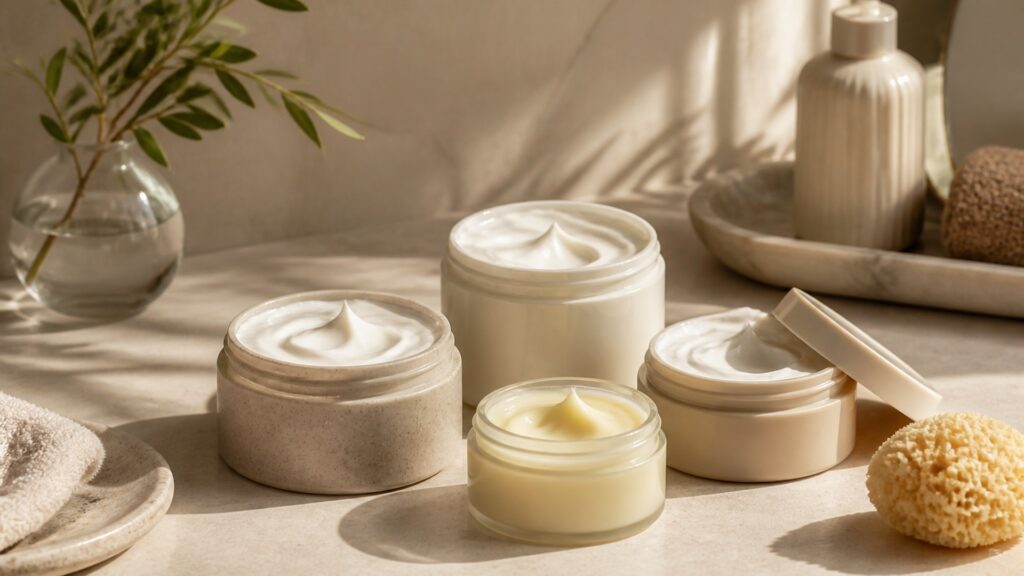
Buying framework
Define the skin type and texture needs routine before comparing products
Use the setting, frequency, and skin priorities to narrow body butter logically.
Start with the use case: Map dryness, friction, bumps, and sensitivity by body area.
Rank the practical tradeoffs: Decide where heavy occlusion improves comfort and where it traps unwanted heat or residue.
Check instructions early: Test one zone while keeping cleanser and other treatments stable.
Use profiles
Match body butter to the person and pace
Three shopper profiles expose different priorities for skin type and texture needs.
Routine-focused buyer: A dry-limb user can apply butter selectively after bathing.
Performance-focused buyer: A bump-prone user should avoid assuming rich texture diagnoses or causes every lesion.
Occasional or flexible user: A friction-area user may benefit from targeted softening plus clothing adjustments.
Specifications
Read the specifications through a skin type and texture needs lens
Translate technical language into visible routine benefits.
Handling lens
Compare targeted butter use with lighter whole-body lotion.
Ownership lens
Track comfort and bumps separately instead of one skin-type score.
Butter And Emollient Blend: Occlusives reduce water loss most noticeably on dry zones.
Texture And Spreadability: Emollients improve spread across flaky or rough surfaces.
Fragrance Profile: Hardness changes with room temperature and hand warmth.
Absorption And Finish: Fragrance may be less tolerable on shaved or irritated areas.
Jar Hygiene: Jar dosing can lead to excessive application on small zones.
Common mistakes
Avoid shortcuts that undermine skin type and texture needs
A good purchase can still disappoint when selection or use is based on the wrong assumption.
Buying from one metric: Do not apply equal thickness from shoulders to heels.
Skipping compatibility checks: Avoid coating unexplained inflamed bumps to test whether they disappear.
Ignoring post-use care: Never assume a rich product replaces diagnosis or targeted treatment.
Decision guidance
Choose the simplest option that covers the real need
Use these decision rules to finish a shortlist for skin type and texture needs.
Choose the basic format when: Use butter on stable dry areas needing lasting occlusion.
Choose the flexible format when: Choose lighter moisturizer for warm, folded, or residue-prone zones.
Pause before upgrading when: Seek assessment for painful, itchy, spreading, draining, or persistent lesions.
Ownership & compatibility
Plan for clean, repeatable ownership
The best value remains convenient after the first few uses.
Consumables and replacements: Use clean dry hands or a dedicated washable spatula.
Cleaning and storage: Allow product to settle before tight clothing.
Routine compatibility: Reassess body-zone needs after weather, shaving, or activity changes.
FAQ
Body Butter Buying Guide for Skin Type and Texture Needs FAQ
Practical answers about choosing and owning body butter for skin type and texture needs.
What matters most when choosing body butter for skin type and texture needs?
Is the most expensive option better for skin type and texture needs?
How should I compare two similar body butter options?
Bottom line
Buy for repeatable skin type and texture needs results
A focused shortlist is easier to own and use well.
Prioritize fit: Match occlusion to individual body zones.
Verify the limits: Keep moisturization separate from diagnosis.
Count ownership costs: Use a lighter format where dense film creates friction.
Reading Shortcuts
Jump to the key body butter decisions.
Decision Reminders
Keep these checks beside your shortlist.
- Check butter and emollient blend: Patch test unfamiliar formulas and stop if persistent irritation develops.
- Check texture and spreadability: Apply with clean hands and keep water out of jar packaging.
- Check fragrance profile: Use carefully on recently shaved, broken, or actively irritated skin.
Glossary Snippets
Plain-language body butter terms.
When to Use a Top 10 Review
Use a ranked list to identify a manageable set of strong candidates.
- You are still exploring: A ranked list can reveal the main formats and price tiers.
- You want a shortlist: Start broad, then confirm fit with this buying guide.
Have finalists? Use a Comparison.
When to Use a Comparison
Use a direct comparison when only a few candidates remain.
- Features are close: Side-by-side details clarify meaningful differences.
- Prices overlap: Compare ownership value, not only purchase price.
Still exploring? See the Top 10.