
Body Exfoliating Treatments Buying Guide for Skin Type and Texture Needs
Body texture is not a single diagnosis. Loose dry scale, thick pressure callus, shaving-related ingrowns, follicular bumps, acne-like lesions, and inflamed rash can look rough while needing different forms of care.
An exfoliating treatment should be matched to a specific body zone and plausible mechanism. Applying one strong peel from shoulders to ankles increases exposure without improving diagnostic clarity.
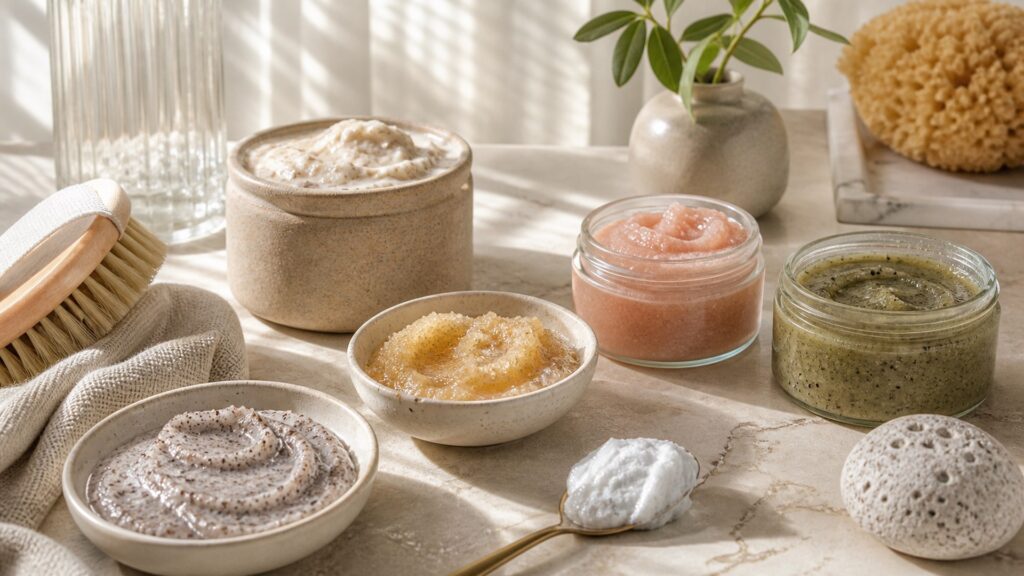
Buying framework
Define the skin type and texture needs routine before comparing products
Use the setting, frequency, and skin priorities to narrow body exfoliating treatments logically.
Start with the use case: Map the texture by location, symptoms, shaving, friction, and timing.
Rank the practical tradeoffs: Separate dehydration or dryness from follicular and inflammatory concerns.
Check instructions early: Choose one treatment format for one zone and hold the rest of the routine steady.
Use profiles
Match body exfoliating treatments to the person and pace
Three shopper profiles expose different priorities for skin type and texture needs.
Routine-focused buyer: A flaky-shin user may need moisturizer rather than stronger exfoliation.
Performance-focused buyer: A thick-elbow user can consider localized controlled resurfacing.
Occasional or flexible user: A bump-prone user should avoid picking and seek assessment when lesions persist or inflame.
Specifications
Read the specifications through a skin type and texture needs lens
Translate technical language into visible routine benefits.
Handling lens
Photograph one defined zone under consistent lighting.
Ownership lens
Track itch, pain, redness, and texture as separate outcomes.
Exfoliation Method: Humectant or moisturizer response helps distinguish dryness-related roughness.
Particle Or Acid Strength: Alpha hydroxy acids emphasize surface exfoliation within formula context.
Frequency Guidance: Oil-soluble exfoliating ingredients may target different concerns.
Application Control: Physical tools add pressure-dependent friction.
Rinse Or Leave-On Format: Leave-on contact raises exposure compared with rinse-off formats.
Common mistakes
Avoid shortcuts that undermine skin type and texture needs
A good purchase can still disappoint when selection or use is based on the wrong assumption.
Buying from one metric: Do not use the same acid strength on every body area.
Skipping compatibility checks: Avoid scrubbing inflamed acne-like bumps or recently shaved skin.
Ignoring post-use care: Never interpret temporary swelling or shine as durable smoothing.
Decision guidance
Choose the simplest option that covers the real need
Use these decision rules to finish a shortlist for skin type and texture needs.
Choose the basic format when: Use moisturizer-first care when roughness improves with hydration.
Choose the flexible format when: Select targeted exfoliation for stable noninflamed texture that matches the mechanism.
Pause before upgrading when: Arrange qualified evaluation for painful, spreading, draining, intensely itchy, or persistent lesions.
Ownership & compatibility
Plan for clean, repeatable ownership
The best value remains convenient after the first few uses.
Consumables and replacements: Follow sun-exposure precautions for treated uncovered areas.
Cleaning and storage: Keep tools clean and do not share abrasive accessories.
Routine compatibility: Reduce frequency promptly when redness, sting, or scaling increases.
FAQ
Body Exfoliating Treatments Buying Guide for Skin Type and Texture Needs FAQ
Practical answers about choosing and owning body exfoliating treatments for skin type and texture needs.
What matters most when choosing body exfoliating treatments for skin type and texture needs?
Is the most expensive option better for skin type and texture needs?
How should I compare two similar body exfoliating treatments options?
Bottom line
Buy for repeatable skin type and texture needs results
A focused shortlist is easier to own and use well.
Prioritize fit: Name the texture mechanism before choosing treatment strength.
Verify the limits: Keep broad skin-type labels out of zone-specific decisions.
Count ownership costs: Use symptoms—not rough appearance alone—to set the medical boundary.
Reading Shortcuts
Jump to the key body exfoliating treatments decisions.
Decision Reminders
Keep these checks beside your shortlist.
- Check exfoliation method: Begin less often than the maximum label frequency and watch how skin responds.
- Check particle or acid strength: Do not use on broken, sunburned, or actively irritated skin.
- Check frequency guidance: Stop use if burning, significant dryness, or persistent irritation develops.
Glossary Snippets
Plain-language body exfoliating treatments terms.
When to Use a Top 10 Review
Use a ranked list to identify a manageable set of strong candidates.
- You are still exploring: A ranked list can reveal the main formats and price tiers.
- You want a shortlist: Start broad, then confirm fit with this buying guide.
Have finalists? Use a Comparison.
When to Use a Comparison
Use a direct comparison when only a few candidates remain.
- Features are close: Side-by-side details clarify meaningful differences.
- Prices overlap: Compare ownership value, not only purchase price.
Still exploring? See the Top 10.