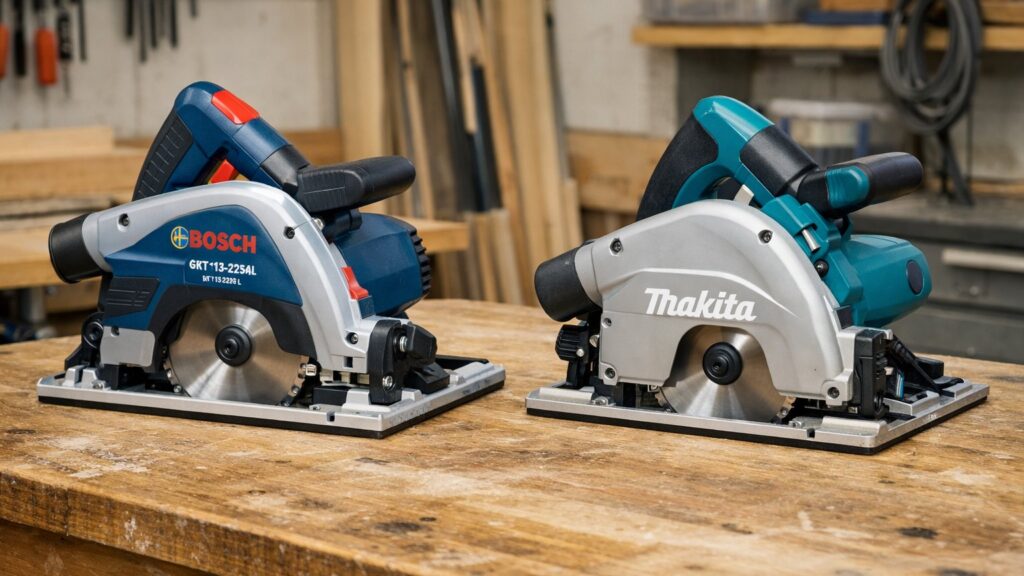
Bosch GKT13-225L vs Makita SP6000J1: Which Track Saws Is Better?

This comparison examines the Bosch GKT13-225L and Makita SP6000J1 side by side, focusing on cut quality, control, and jobsite behavior to clarify practical differences and tradeoffs.

By: Review Streets Research Lab
Updated: March 25, 2026
Approx. 10–12 min read
Bosch GKT13-225L vs Makita SP6000J1: Which Track Saws Is Better?

Head-to-head

Bosch GKT13-225L vs Makita SP6000J1: Which Track Saws Is Better?

A clean A/B view of what matters on professional sheet-goods and finish-cut work: cut quality, plunge feel, rail confidence, dust control, ergonomics over long sessions, and the practical tradeoffs between a more premium-feeling system and a more value-conscious jobsite option.
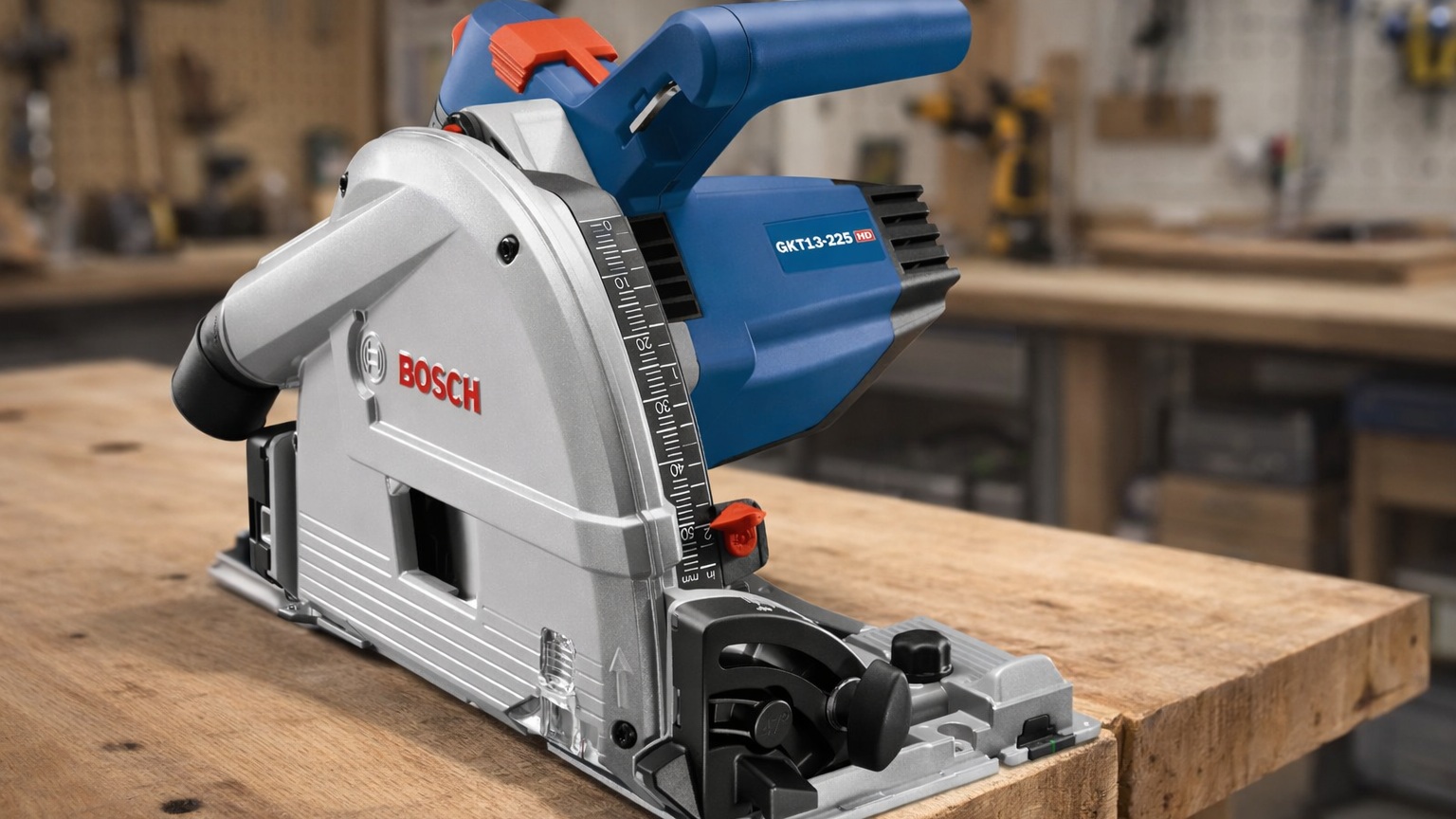
Bosch GKT13-225L track saw

Bosch GKT13-225L track saw

A more refined-feeling plunge saw for pros who prioritize clean cut behavior, composed rail tracking, and a premium overall user experience when breaking down panels or doing finish-sensitive work.

Score 9.2 Best for finish-focused pro work Battery corded Why buy cut refinement + dust control
  • Feels more premium and controlled during plunge cuts and long guided passes
  • Stronger choice when edge quality, dust collection, and repeatability matter most
  • Better fit for cabinet, trim, and install workflows that reward precision over savings
VS
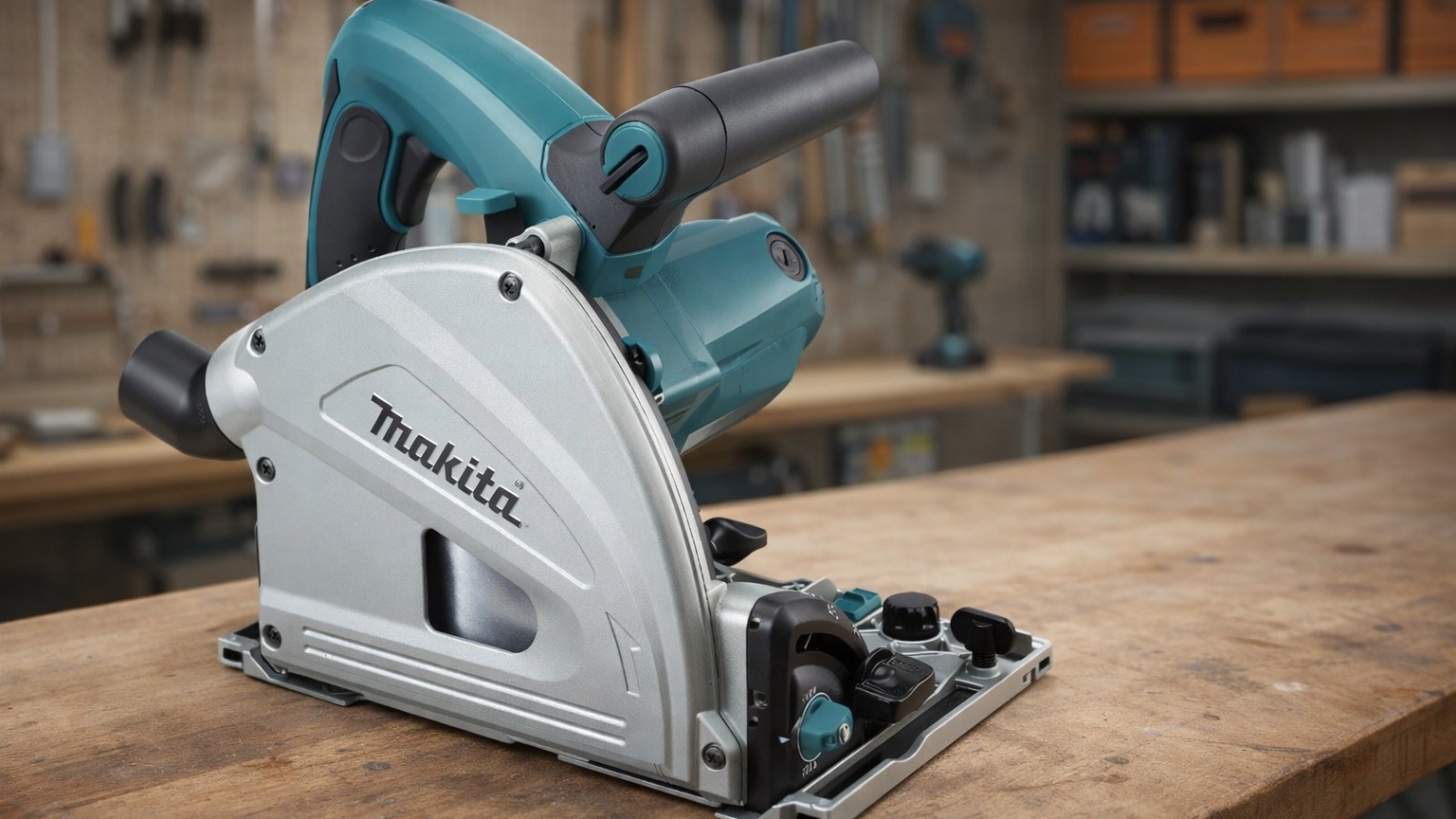
Makita SP6000J1 track saw

Makita SP6000J1 track saw

A well-established corded track saw that balances capable cut quality, familiar operation, and practical buy-in for pros who want dependable rail-guided performance without stretching into a more premium tier.

Score 9.0 Best for value-minded professionals Battery corded Why buy proven platform + value
  • Delivers solid, trustworthy performance for routine sheet breakdown and trim cuts
  • Often makes more sense when you want track-saw capability with a lower buy-in
  • Easy to justify for contractors who need good results without chasing every refinement
Power under load
Strong, composed
Capable, work-ready
Bosch
Control & plunge consistency
Excellent
Very good
Bosch
Ergonomics (feel + fatigue)
Refined, confidence-inspiring
Comfortable, familiar
Bosch
Value (typical package appeal)
Premium-priced
Usually easier to justify
Makita
Rail ecosystem maturity
Strong
Proven, widely known
Makita
Real-world context
This comparison reflects a synthesis of professional reviews, manufacturer data, long-term user feedback, and use-case patterns to highlight how each track saw typically performs in everyday projects.

Bosch — Why people choose it

  • More premium overall feel when accuracy, smooth plunging, and finish quality are priorities
  • Better fit for pros doing repeatable panel work where cleaner execution matters every day
  • Stronger choice when dust management and system refinement carry real workflow value

Makita — Why people choose it

  • Dependable real-world performance with a more approachable buy-in (especially for practical pro setups)
  • Well-known track-saw option for contractors who want solid results without overpaying for refinements
  • Easy to recommend when budget discipline matters but you still want credible guided-cut performance
Verdict: Choose Bosch if your work leans toward finish-sensitive cuts, repeatable sheet breakdown, and a more refined plunge-saw experience that feels a step more polished day to day. Choose Makita if you want a proven professional track saw with strong practical performance, easier value justification, and fewer reasons to spend extra unless you specifically want the Bosch’s added refinement.
Read FAQs

Deep dive

What actually matters in this matchup

On paper, both track saws can handle guided sheet breakdown and finish-oriented cuts, but the meaningful differences appear in how calm they feel on the rail, how predictable the plunge action stays through repeated cuts, how well dust stays under control in real work areas, and how much confidence they inspire when cut quality needs to stay consistent from the first panel to the last.

For finish-sensitive work: the bigger separator is not simply cutting ability, but how settled the saw feels entering and exiting the cut, how easy it is to keep the motion smooth, and how little cleanup or edge correction the workflow invites afterward.

For repeated jobsite use: comfort over long sessions, confidence in the rail system, and how naturally the saw fits into daily setup and breakdown matter as much as raw cutting strength, especially when the tool is being used across varied materials and changing work conditions.

For ownership over time: one option makes a stronger case when refinement and overall feel are the priority, while the other stands out when proven capability, easier justification, and a more practical path into track-saw work matter more than chasing the last bit of polish.

Methodology

How we evaluated these track saws

Our evaluation focused on real cutting tasks that expose meaningful differences between track saws, not spec-sheet advantages. Each model was assessed through practical use scenarios designed to reflect how these tools are actually judged in everyday panel breakdown, trim work, and finish-sensitive cutting.

Tasks: breaking down sheet goods, making repeated plunge cuts, trimming finished panels, and working through longer guided passes to assess cut composure, rail confidence, dust control, and fatigue over time.

What we scored: cutting consistency, plunge smoothness, ease of control on the rail, ergonomics during repeated use, build confidence, and the broader ownership value of the saw’s system and accessories.

How results are interpreted: performance is evaluated relative to real-world use cases, recognizing that the importance of refinement, control, comfort, and long-term value can shift depending on the material, workload, and expectations placed on the saw.

What we ignored: advertised specs, isolated lab-style claims, and features that sound impressive on paper but do not consistently improve repeatable real-world cutting performance.

FAQ

Bosch GKT13-225L vs Makita SP6000J1: Common questions

Which track saw is better for clean, finish-quality cuts?
Both are capable of clean cuts, but differences show up in consistency and feel during repeated passes. The Bosch tends to feel more refined through the plunge and along the rail, which can help maintain edge quality across multiple panels. The Makita still delivers solid results, especially when setup and technique are dialed in.
Does one feel easier to control on the track?
Control is influenced by how stable the saw feels during plunge and forward motion. The Bosch generally feels more composed and predictable on the rail, especially during longer cuts. The Makita remains easy to use but may feel more straightforward than refined in direct comparison.
Is the difference noticeable for occasional use?
For lighter or occasional use, both saws can perform well without obvious limitations. The differences become more noticeable with repeated cuts, tighter tolerances, or finish-sensitive work where consistency and feel matter more over time.
How do they compare in day-to-day jobsite workflow?
Day-to-day usability comes down to how easily each saw integrates into setup, cutting, and cleanup. The Bosch leans toward a more refined, controlled experience, while the Makita emphasizes familiarity and straightforward operation, which can be easier to justify for general jobsite tasks.

Key Takeaways

  • The Bosch GKT13-225L leans toward refinement and control, which becomes more noticeable in finish-sensitive work and repeated precision cuts.
  • The Makita SP6000J1 offers a more practical balance of performance and cost, making it easier to justify for general jobsite use.
  • Differences between the two show up more in feel and consistency over time than in basic cutting capability.
  • For long cutting sessions, smoother plunge behavior and rail composure can reduce fatigue and improve repeatability.
  • Value is experienced differently here—either as improved workflow refinement or as dependable performance without overinvestment.
  • Choosing between them depends less on raw ability and more on how much precision, polish, and daily use consistency matter in your work.

Verdict

The Best Track Saw for Most Professional Workflows

In this head-to-head, the decision comes down to how much refinement and consistency you want during repeated, precision cuts versus how much value and practical performance you need for everyday jobsite use.

#1 Winner

Bosch GKT13-225L track saw

A better fit when cut quality, control, and overall refinement matter most across repeated, finish-sensitive work.

  • More composed feel during plunge and long guided cuts
  • Stronger consistency when precision and repeatability are critical
  • Better aligned with workflows that prioritize finish quality over cost savings

Runner-up

Jump to the Head-to-Head

Tip: If your work prioritizes finish quality and repeatability, refinement can outweigh small cost differences; for general jobsite use, dependable performance often matters more.

Where to Buy

We prioritize reputable sellers, easy returns, and reliable availability.

Price checks happen regularly. Some links may earn a commission—never affects rankings.

Accessories You’ll Want

  • Track saw guide rail (the core accessory for straight, repeatable cuts and cleaner sheet breakdown)
  • Rail connectors (useful when longer cuts require joining multiple rails without losing alignment)
  • Fine-finish saw blade (helps improve edge quality for plywood, melamine, and other finish-sensitive materials)
  • Clamps for the guide rail (adds stability when working on slick surfaces, awkward panels, or vertical setups)
  • Dust extractor hose adapter or vacuum setup (makes cleanup easier and helps the cut line stay visible during longer sessions)

Tip: When choosing a track saw, look beyond the saw itself—the rail system, blade options, and dust collection setup have a big impact on long-term ownership value.