Bosch GSA18V-110N Reciprocating Saw vs Ryobi PCL515B Reciprocating Saw: Which Reciprocating Saws Is Better?

The Bosch GSA18V-110N and Ryobi PCL515B are evaluated head-to-head, focusing on cutting performance, control, and usability to reveal real-world differences and practical tradeoffs that shape informed tool selection.

By: Review Streets Research Lab
Updated: April 9, 2026
Approx. 10–12 min read
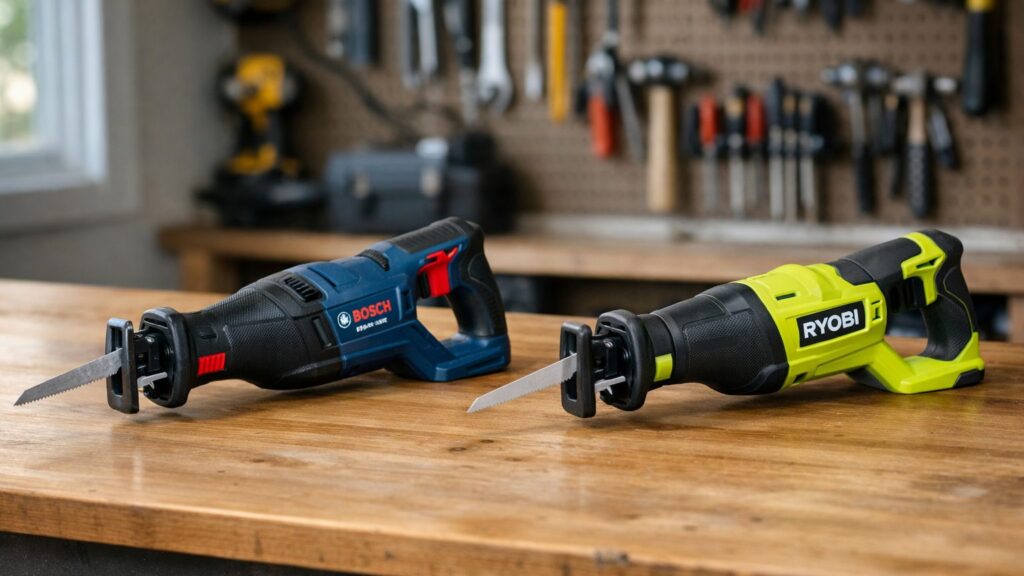
Bosch GSA18V-110N and Ryobi PCL515B reciprocating saws placed side by side on a wooden workbench in a workshop setting

Head-to-head

Bosch GSA18V-110N Reciprocating Saw vs Ryobi PCL515B Reciprocating Saw: Which Reciprocating Saws Is Better?

A clean A/B view of what matters on real cutting jobs: control through demolition work, size and handling in tighter spaces, platform fit, everyday value, and which saw makes more sense for different professional workflows.
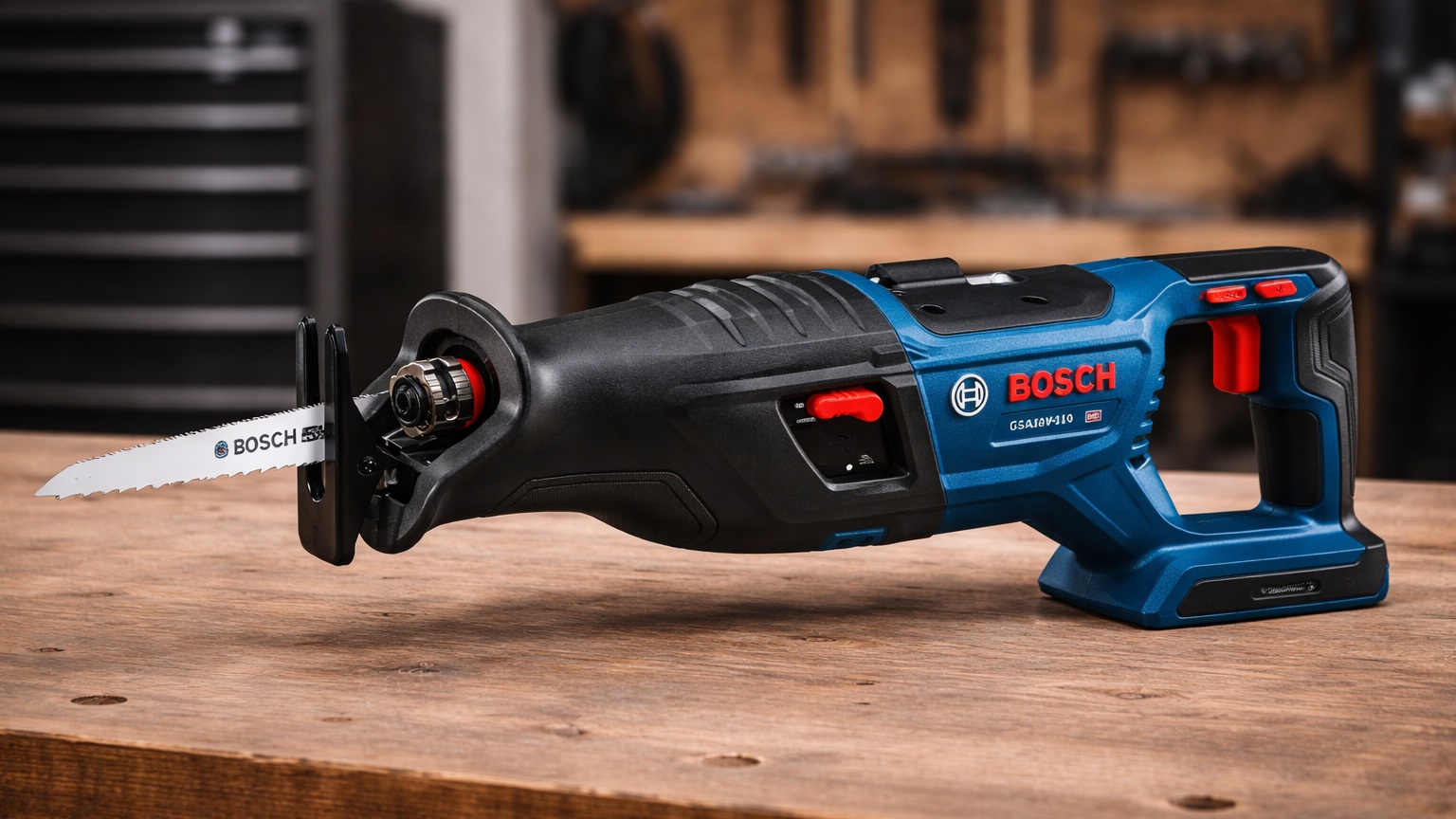
Bosch GSA18V-110N Reciprocating Saw

Bosch GSA18V-110N Reciprocating Saw

A more compact, better-controlled recip saw that makes sense when access, balance, and cleaner handling matter as much as raw aggression. It fits service work, punch-list demolition, and tighter cutting positions especially well.

Score 8.7 Best for controlled pro use Battery 18V Why buy size + handling
  • Easier to position in tighter spaces, overhead cuts, and awkward service angles
  • Feels more composed when you want cleaner control rather than maximum stroke aggression
  • Strong fit for users who already work in Bosch cordless platforms
VS
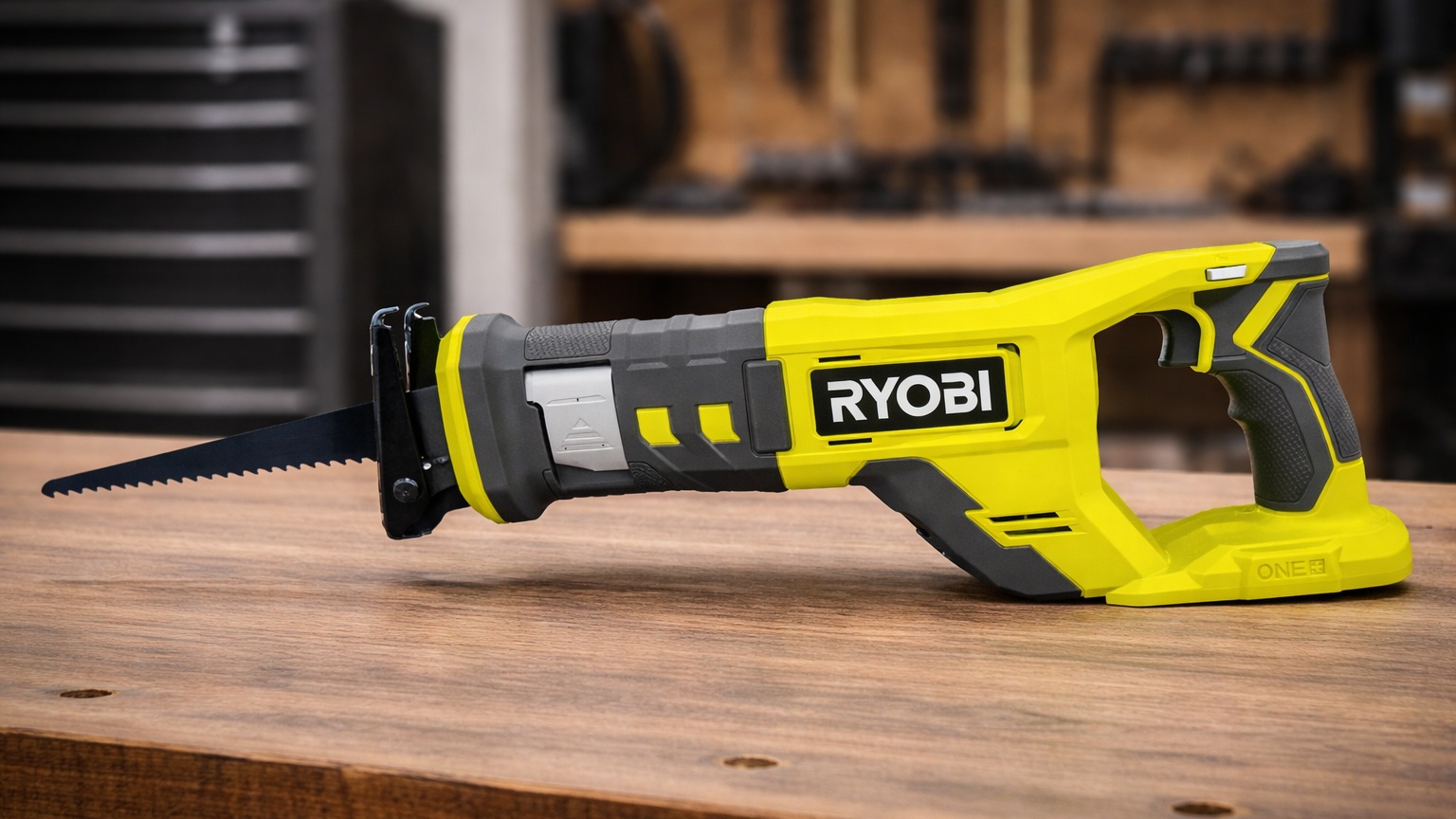
Ryobi PCL515B Reciprocating Saw

Ryobi PCL515B Reciprocating Saw

A budget-friendlier cordless recip saw aimed at general cutting, remodeling, and occasional demolition. It delivers useful everyday capability, but it is better suited to lighter-duty expectations than constant pro-level abuse.

Score 8.1 Best for value-focused users Battery 18V ONE+ Why buy lower buy-in
  • Gets through routine wood, PVC, and light demo work without a major platform investment
  • Appealing when cost matters more than refinement, compactness, or heavier-duty feel
  • Practical option for occasional jobsite use, backup duty, or homeowner-heavy workloads
Power under load
Strong, more controlled
Adequate for lighter work
Bosch
Control & clutch consistency
More precise feel
Usable, less refined
Bosch
Ergonomics (feel + fatigue)
Compact, easier to place
Bulkier, more basic balance
Bosch
Value (typical kit pricing)
Costs more for the upgrade
Often easier on the budget
Ryobi
Battery ecosystem depth
Professional-focused lineup
Large, value-driven range
Bosch
Real-world context
This comparison reflects a synthesis of professional reviews, manufacturer data, long-term user feedback, and use-case patterns to highlight how each reciprocating saw typically fits real cutting and demolition tasks.

Bosch — Why people choose it

  • More confidence in tighter cuts where compact size and better handling matter most
  • Feels more professional in fit, control, and day-to-day refinement during repeated use
  • Better match for service pros and remodelers who value access and composure over bargain pricing

Ryobi — Why people choose it

  • Lower entry cost makes cordless reciprocating cutting more accessible (especially for occasional or mixed-use setups)
  • Capable enough for general demolition, yard cleanup, and routine renovation tasks
  • Appealing ONE+ platform if you already own Ryobi batteries and want to add a recip saw cheaply
Verdict: Choose Bosch if you want the more complete professional tool for tighter spaces, better control, and a more confident feel in repeated real-world cutting. Choose Ryobi if lower upfront cost matters most and your work is lighter, less frequent, or centered on general-purpose tasks rather than demanding daily pro use.
Read FAQs

Deep dive

What actually matters in this matchup

On paper, both reciprocating saws cover the same broad category, but the useful differences show up in how they behave once the cut gets awkward, the material fights back, or the tool has to be used repeatedly across a full day. This comparison focuses on how each saw manages control versus aggression, how tiring it feels in less ideal cutting positions, and how platform fit affects ownership beyond a single purchase.

For tighter, more controlled work: size, balance, and how easy the saw is to guide often matter more than raw cutting intent, especially when the blade is being started in awkward positions or used overhead.

For rougher general demolition: what matters is less about peak numbers and more about whether the saw feels confident enough when materials vary, the cut gets less stable, or the job moves quickly from one task to the next.

For long-term ownership: the real decision is whether the better fit is a more refined tool that supports repeated use with fewer compromises, or a lower-cost entry point that makes more sense when the saw will not be pushed as hard or as often.

Methodology

How we evaluated these reciprocating saws

Our evaluation focused on real cutting tasks that expose meaningful differences between reciprocating saws, not spec-sheet claims. Each model was assessed through practical use scenarios designed to reveal how these tools actually behave when control, access, fatigue, and cutting confidence matter.

Tasks: general demolition cuts, wood with embedded fasteners, PVC and metal stock, awkward-position starts, and repeated cuts that highlight control, vibration, access, and user fatigue.

What we scored: cutting performance under load, consistency through changing materials, ergonomics, ease of handling in tighter spaces, build confidence, and long-term platform value.

How results are interpreted: outcomes are judged through a context-aware evaluation approach, recognizing that the value of raw cutting speed, control, comfort, and ownership flexibility changes depending on how often the saw is used and what kind of work it is asked to do.

What we ignored: advertised claims, isolated lab-style numbers, and feature callouts that do not reliably translate into repeatable real-world cutting performance.

FAQ

Bosch GSA18V-110N vs Ryobi PCL515B: Common questions

Which reciprocating saw is better for occasional or light-duty use?
For lighter, less frequent work, the Ryobi PCL515B often makes more sense. It covers general cutting tasks well enough without requiring a higher upfront investment, especially if the saw won’t be used daily.
When does the Bosch GSA18V-110N make more sense?
The Bosch becomes the better fit when control, compact size, and repeated use matter more. It is easier to manage in tighter spaces and tends to feel more refined during ongoing or more demanding cutting tasks.
Is there a noticeable difference in cutting performance?
In typical materials, both can complete the job, but the difference shows up in how the cut feels. The Bosch tends to stay more controlled, while the Ryobi can feel less composed when the material or position becomes more challenging.
Which is easier to use in tight or awkward cutting positions?
The Bosch is generally easier to handle in confined areas or overhead work due to its more compact build and balance. The Ryobi can still be used in these situations, but it may require more effort to position and guide accurately.

Key Takeaways

  • The Bosch GSA18V-110N emphasizes control and compact handling, making it easier to manage in tighter spaces or more precise cutting situations.
  • The Ryobi PCL515B prioritizes accessibility and lower cost, which can make more sense when the saw is used occasionally or for lighter-duty work.
  • In real use, the difference is less about whether each tool can complete a cut and more about how stable and predictable the experience feels.
  • Ergonomics and balance play a larger role than raw cutting intent when working overhead or in awkward positions where control becomes critical.
  • Long-term value depends on how often the saw is used, with more frequent use favoring a more refined tool and infrequent use favoring lower buy-in.
  • Battery platform alignment can influence the decision as much as tool performance, especially when expanding into additional cordless tools over time.

Verdict

The Better Reciprocating Saw Depends on How You Work

In this head-to-head, the decision comes down to how much you value control, compact handling, and repeat use versus lower upfront cost and general-purpose capability for less demanding workloads.

#1 Winner

Bosch GSA18V-110N Reciprocating Saw

A more refined, better-balanced tool that favors control, access, and consistent feel across repeated cutting tasks.

  • More manageable in tight spaces and awkward cutting positions
  • Feels more composed and predictable during repeated use
  • Better suited to ongoing professional or frequent workloads

Runner-up

Jump to the Head-to-Head

Tip: If you already own batteries in one ecosystem, that can outweigh small differences in handling or performance.

Where to Buy

We prioritize reputable sellers, easy returns, and reliable availability.

Price checks happen regularly. Some links may earn a commission—never affects rankings.

Accessories You’ll Want

  • Reciprocating saw blade variety pack (wood, metal, demolition, and general-purpose blades for different cutting tasks)
  • Extra battery pack (helps avoid downtime during longer cutting sessions or cleanup work away from a charger)
  • Fast charger (useful if this saw is part of a larger cordless setup and needs to stay ready between jobs)
  • Safety glasses and work gloves (important for better protection, grip, and confidence during rough cutting or demolition)
  • Blade storage case (keeps fresh and used blades organized so the right blade is easy to grab on the job)

Tip: Blade choice often affects cutting results as much as the saw itself, so it makes sense to buy into a platform only after considering battery compatibility and ongoing blade needs.