
The Bosch JS470E is positioned as a precision-focused jigsaw, but how it performs depends on cutting demands, material type, and control expectations. This review examines its real-world behavior, highlighting where it delivers consistency and where tradeoffs emerge in power, handling, and versatility across different use cases.
Bosch JS470E Jigsaw Review: Performance, Pros, and Cons
By: Review Streets Research Lab
Updated: April 3, 2026
Approx. 8–10 min read
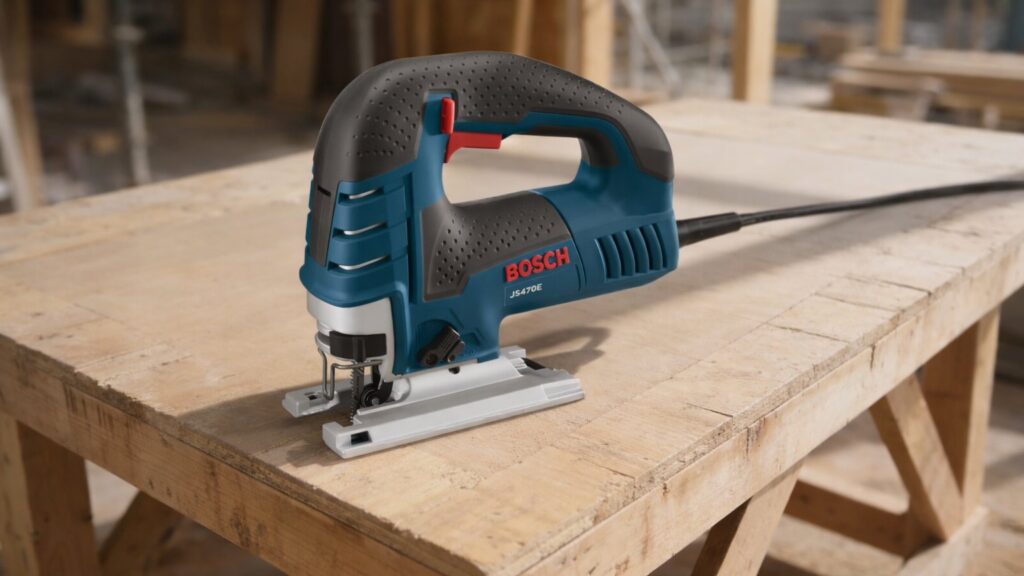
Quick Summary
The Bosch JS470E presents as a steady, precision-oriented jigsaw with confident tracking, controlled startup behavior, and a durable overall feel in regular workshop use. It suits detailed cutting, finish-sensitive work, and longer sessions where smooth handling matters, though its value depends on whether refined control matters more than a lighter, more budget-focused option.
8.8
Score
Best for: Precision cuts & regular workshop use
Pros & Cons
Bosch JS470E: what we liked (and what we didn’t)
A quick look at the biggest strengths and tradeoffs based on performance, handling, and everyday usability.
Pros
- Steady Tracking: Feels composed through longer cuts, which helps maintain line accuracy with less correction.
- Smooth Control: Startup and speed response feel predictable, making detailed work easier to manage.
- Clean Finish Bias: Well suited to projects where cleaner edges and controlled progress matter more than raw aggression.
- Comfortable Handling: Balanced ergonomics support longer sessions with less strain during repeated cuts.
- Confident Build: The overall construction gives a durable, workshop-ready impression in regular use.
Cons
- Value Tension: It can feel expensive if the job mostly involves occasional cuts or basic household tasks.
- Less Compact: The overall form is not the easiest fit for very tight spaces or awkward cutting angles.
- Corded Limitation: Reliable runtime comes with less freedom when moving around larger work areas.
- Precision Leaning: Buyers wanting the lightest, simplest jigsaw may find it more tool than their workflow requires.
Specs
Bosch JS470E key specifications
These are the core specs and practical details most buyers compare across corded jigsaws.
| Spec | Bosch JS470E |
|---|---|
| Type | Corded jigsaw (top-handle) |
| Platform | Corded electric (AC power) |
| Voltage | 120V (standard outlet) |
| Speed | Variable speed dial with adjustable stroke rate (approx. 500–3,100 SPM) |
| Chuck | Tool-free blade clamp (T-shank compatible) |
| Torque | Not rated; cutting performance depends on material and blade selection |
| Length | Approx. mid-size body for stable, controlled cuts |
| Weight | Approx. 5–6 lbs; balanced for steady control during longer use |
| Clutch settings | No clutch; includes orbital action settings for cut speed vs finish control |
| LED light | No built-in LED work light |
| Included | Tool with blade and basic accessories (varies by package) |
| Best use | Precision cuts in wood and sheet goods, curved cuts, finish-focused work |
| Warranty | Bosch limited warranty (varies by region/product) |
Performance
How the Bosch JS470E performs
We evaluated cut control, tracking, handling comfort, and overall usability across common workshop and home project scenarios to understand how this jigsaw performs in real-world conditions.
Cutting Smoothness
Produces a steady, composed feel through straight and curved cuts when paired with the right blade.
Tracking & Accuracy
Holds a line well in typical wood cuts, with good confidence during detail-focused work.
Control & Handling
Feels predictable at startup and through directional changes, which helps reduce mid-cut corrections.
Balance & Comfort
Supportive ergonomics and stable weight distribution make longer cutting sessions easier to manage.
Noise & Vibration
Reasonably controlled for the category, though vibration and noise become more noticeable during faster, rougher cuts.
Overall Performance
A refined, reliable jigsaw that favors control and consistency over the lightest feel or most budget-driven value.
Testing note: Performance observations are based on real-world cutting, handling, and repeat-use scenarios across common sheet goods, boards, and finish-focused project tasks.
Build Quality
Build quality & durability
The Bosch JS470E gives the impression of a mature, workshop-focused tool. The body feels solid in hand, the balance supports controlled cutting, and the overall fit and finish suggest a design meant for regular use rather than occasional light-duty tasks.
Key contact points—handle, blade clamp, base area, and adjustment interfaces—feel well sorted with little looseness or cheapness in normal handling. Controls appear deliberate rather than flimsy, which helps the saw feel more settled during setup changes and repeated cutting sessions.
In everyday use, it comes across as a tool that can handle transport, bench use, and routine project wear without feeling delicate. The housing does not suggest much flex, and its overall construction inspires confidence when moved between storage, work surfaces, and active cutting tasks.
Compared with lighter or more stripped-down jigsaws, the JS470E leans more toward solidity than easy portability. That tradeoff makes it less ideal for buyers prioritizing the lightest feel, but more appealing for those who want a steadier, more confidence-inspiring tool over time.
Setup & Maintenance
Setup, daily use, and upkeep
The Bosch JS470E is straightforward to dial in once the blade, speed setting, and orbital action match the material and cut style. Most setup comes down to choosing the right blade, keeping the base stable, and using a controlled feed rate so cuts stay cleaner, tracking stays more predictable, and the saw feels settled from the start.
Best setup for common tasks
- Clean Finish Cuts: Use a finer blade with lower orbital action and a moderate pace to reduce tear-out and keep edges neater.
- Fast Rough Cuts: Use a more aggressive blade with higher orbital action when speed matters more than surface finish.
- Curved Cuts: Use a narrower blade, slower feed pressure, and let the saw turn gradually to avoid deflection.
- Sheet Goods: Support the material well and keep the shoe flat so the cut stays steadier across the full pass.
What to do for smoother starts
- Set The Shoe: Rest the base firmly on the work before starting so the blade enters with better control.
- Ease In Slowly: Bring the blade up to speed before pushing forward to reduce chatter and early wandering.
- Guide The Line: Focus on a steady feed and small corrections instead of forcing the saw back onto the mark.
Maintenance (simple but important)
- Clear Sawdust: Brush debris away from the blade area and base so visibility and movement stay consistent.
- Check The Clamp: Keep the blade clamp clean so blade changes stay secure and seating remains reliable.
- Inspect The Cord: Look for wear, kinks, or strain near the entry point to avoid avoidable downtime.
- Use Fresh Blades: Replace dull blades early since worn blades cut slower, wander more, and create extra vibration.
Tip: Keep both hands in stable positions, let the shoe stay planted on the work, and guide the saw at a controlled pace. That usually leads to cleaner tracking, less blade deflection, and fewer bind-ups when the cut changes direction or density.
Real-World Use
Where the Bosch JS470E fits best
On paper, the Bosch JS470E is a corded jigsaw built for controlled cutting. In real projects, it stands out when smooth tracking, predictable handling, and consistent results matter more than maximum portability or quick, one-off use.
Finish-focused woodworking
Well suited for trim work, cabinetry adjustments, and detailed cuts where edge quality and control matter. It stays composed through slower, deliberate passes, helping reduce tear-out and improve overall cut confidence.
Curved and detail cuts
Handles tighter curves and layout-driven cuts with good predictability. The stable feel and manageable speed response make it easier to follow lines without overcorrecting or forcing the saw through turns.
Workshop and bench use
A strong fit for stationary or bench-supported projects where consistent power and control are priorities. The corded design supports longer sessions without interruption, which helps maintain workflow during multi-cut tasks.
Where it’s less ideal
Less convenient for quick, mobile tasks or working in tight, cluttered spaces where cord management becomes a factor. Lighter cordless options may feel easier to handle when flexibility and quick setup matter more than steady, controlled cutting.
Value
Is the Bosch JS470E worth it?
The Bosch JS470E makes the most sense when smooth control, consistent tracking, and a more confidence-inspiring build matter across repeated projects. If the saw will mostly handle occasional rough cuts or light, infrequent tasks, a simpler lower-cost option may cover the basics without giving up much that matters.
Price-to-performance takeaway
What buyers are really paying for here is a more refined cutting experience, steadier handling, and a build that feels better suited to regular workshop use than entry-level alternatives. The value shows up over time for finish-sensitive work and repeat use, especially when control matters more than chasing the lowest upfront cost.
Tip: Compare package contents closely before buying. Some listings include added accessories or a case, while others are more basic, and that difference can change the overall value more than a small price gap.
FAQ
Bosch JS470E FAQ
Quick answers to the most common questions about the Bosch JS470E—blade compatibility, use cases, and what to expect in real-world cutting.
Is the Bosch JS470E a corded jigsaw?
Yes. The JS470E is a corded jigsaw, so it runs from a standard outlet rather than a battery platform. That makes it better suited to longer cutting sessions where uninterrupted runtime matters.
What kind of blades does it use?
It is generally associated with T-shank jigsaw blades, which are widely available and commonly used across the category. Blade choice has a major effect on cut speed, finish quality, and how well the saw tracks.
Is the JS470E good for curved cuts?
Yes, especially when paired with an appropriate blade and a controlled feed rate. It is better suited to deliberate curved and detail cuts than rushed cutting where accuracy starts to fall off.
Who is this jigsaw best for?
It fits best where smooth control, steady handling, and repeat-use confidence matter—such as woodworking, trim-related tasks, and general workshop projects where cleaner results are more important than maximum portability.
Is it too much for occasional use?
It can be more saw than some occasional users need. For infrequent rough cuts or simple household tasks, a lighter or less expensive jigsaw may feel easier to justify.
What should I compare before buying?
Compare handle style, blade-change system, corded versus cordless convenience, and what is included in the package. For many buyers, overall control and comfort matter more than small differences on a spec sheet.
What are the most common downsides?
The usual tradeoffs are cord management, a less compact feel than some lighter alternatives, and value questions for buyers who only need a jigsaw occasionally. It leans more toward steady control than grab-and-go convenience.
Alternatives
Best alternatives to the Bosch JS470E
If the Bosch JS470E seems close but not quite right, the most useful alternatives come down to tradeoffs in price, handle style, and corded versus cordless convenience—not outright winners.
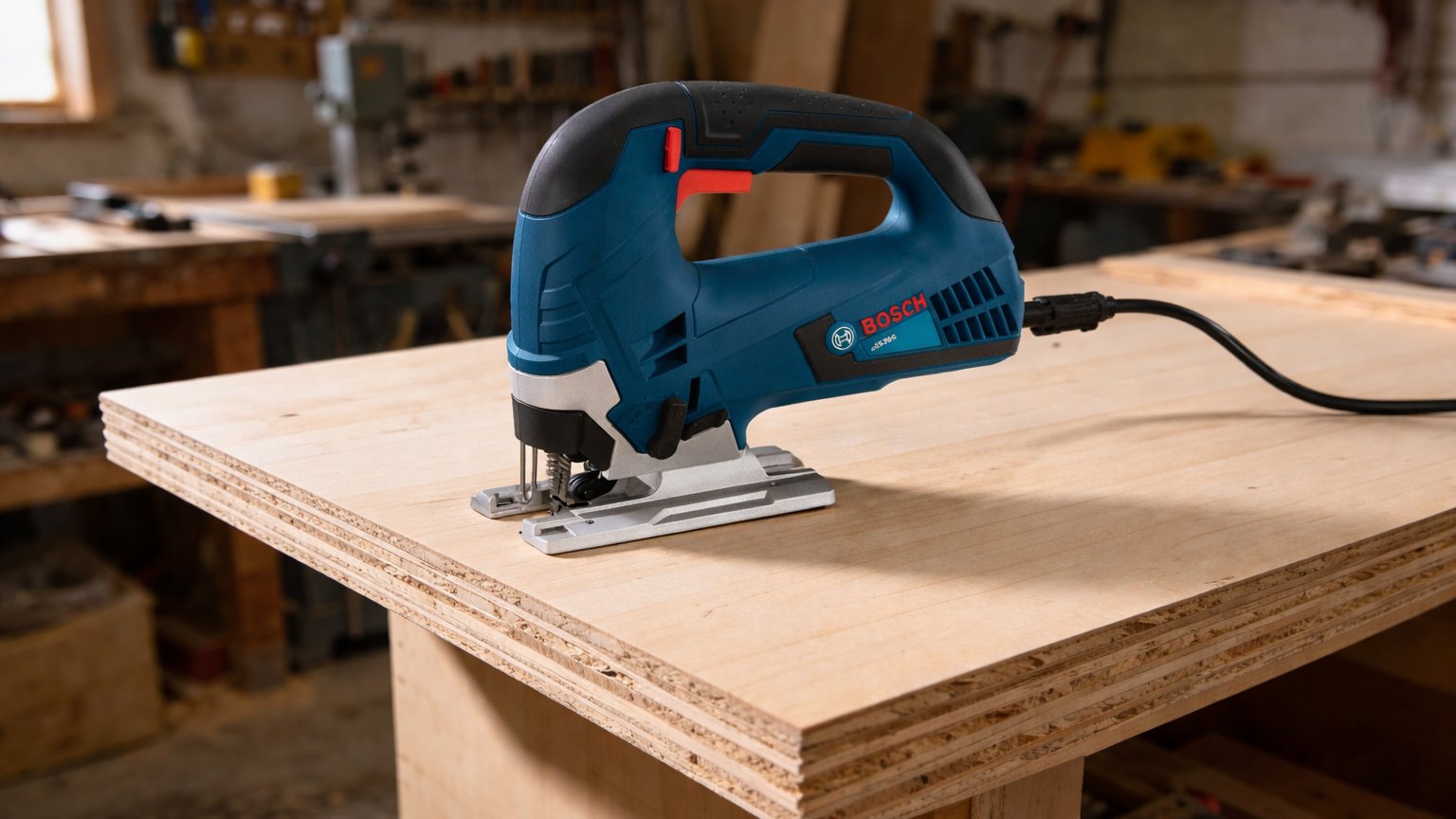
Bosch JS365
Best value
A sensible alternative for buyers who want Bosch’s general cutting feel at a lower commitment level. It makes more sense when the priority is occasional project use rather than paying extra for a more refined, heavier-duty overall package.
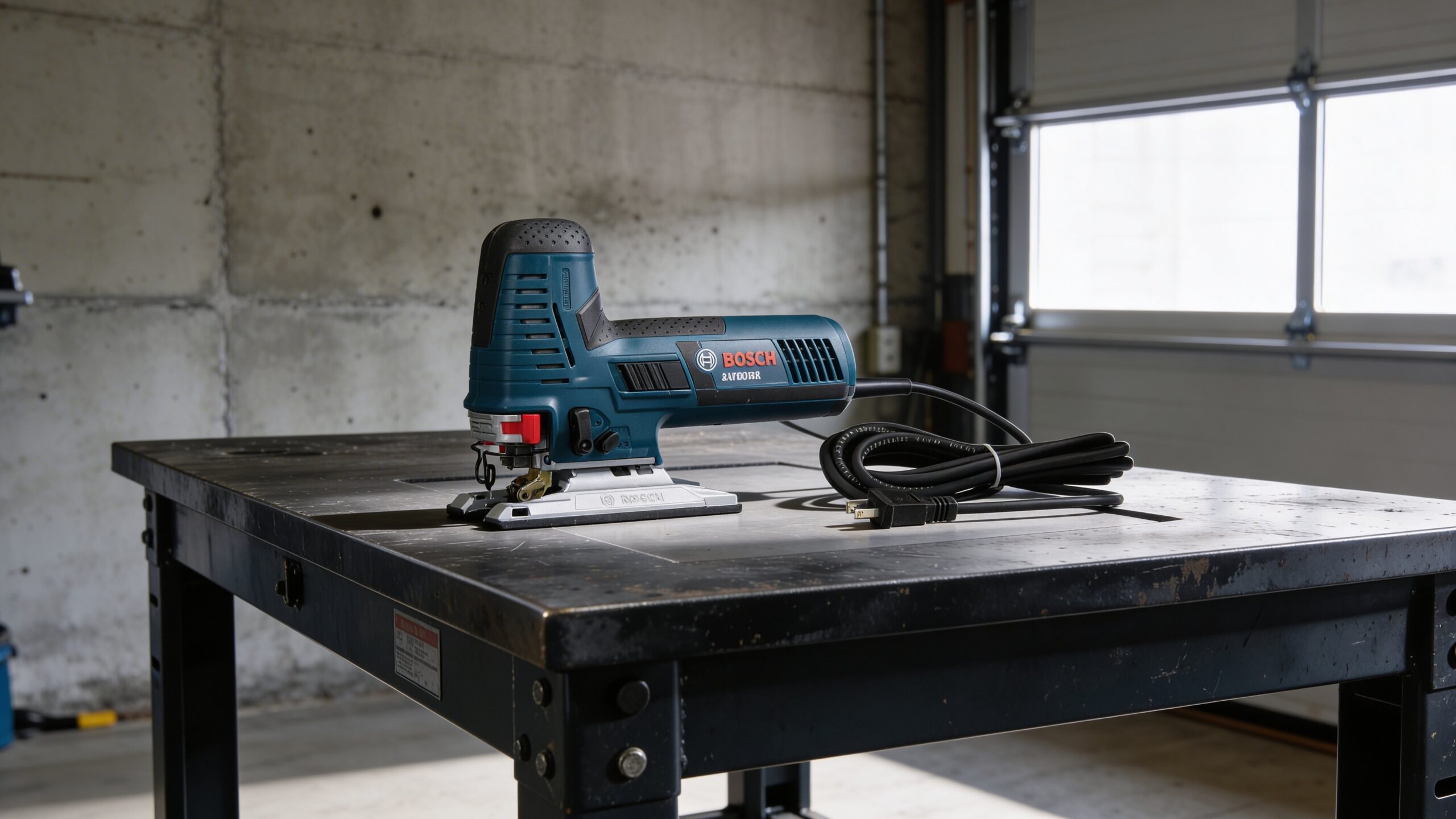
Bosch JS572EBK
Barrel grip
The better comparison for buyers chasing a different handling profile rather than a cheaper price. It shifts the decision toward lower-slung control and a different grip feel, which can appeal more in detail work and longer bench sessions.
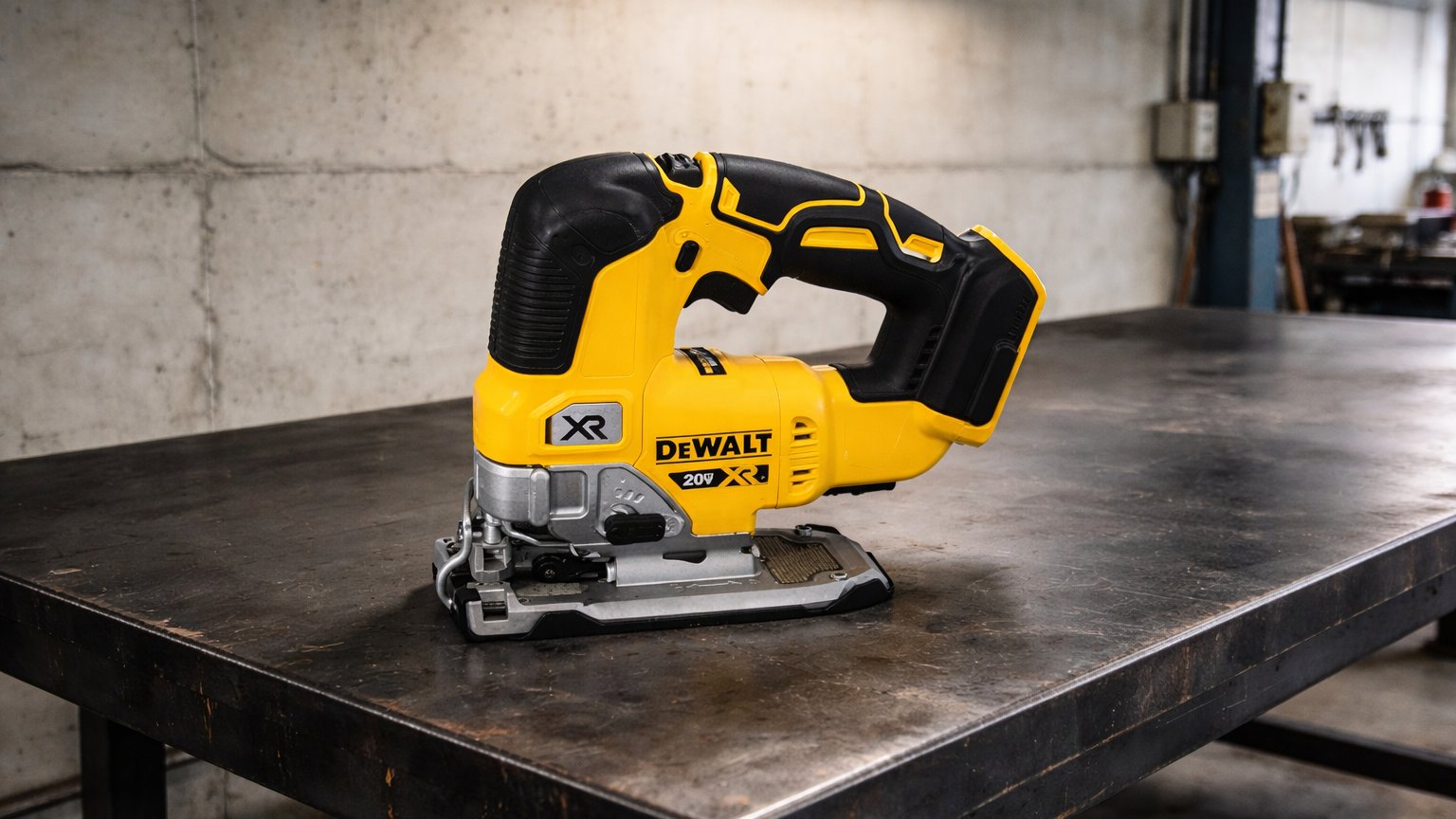
DeWalt DCS334B
Cordless freedom
A more relevant choice when mobility and faster grab-and-go use matter more than the steadier feel of a corded workshop saw. It changes the tradeoff from refinement and unlimited runtime to flexibility around larger spaces and quicker setup.
Sources
Sources & reference notes
Specifications and product details referenced in this review were verified using publicly available manufacturer information and current product listings. Where package contents or accessories vary by listing, those differences should be noted directly in the article.
- Bosch product documentation and published specifications for the Bosch JS470E jigsaw.
- Bosch blade-fit and accessory compatibility information relevant to standard jigsaw use.
- Retail product listings used to confirm current naming, SKU references, and included accessories.
Where to Buy
Bosch JS470E
Corded Jigsaw
Typical price range: $129–$199
Pricing varies by retailer and included accessories or case.
Check Current PriceReview Snapshot
Bosch JS470E
8.8
Refined control + consistency
Best for detail-focused cutting and repeat workshop use where smooth handling matters more than cordless flexibility.
- Performance: Tracks cleanly in typical wood cuts with a steady, controlled feel
- Handling: Stable and predictable, though less convenient than lighter cordless options
- Value: Makes more sense for regular use than occasional rough-cut tasks
Top 10 List
See the best jigsaws right now
Want the broader picture? Our Top 10 breaks down the best jigsaws by control, value, and real-world use.
View the Top 10Compare Models
Compare this jigsaw head-to-head
See how the Bosch JS470E stacks up against other top jigsaws across control, handling, and value.
View ComparisonsAccessories You’ll Want
- T-shank blade variety pack (covers cleaner finish cuts, faster rough cuts, curves, and different material types)
- Fine-tooth wood blades (help reduce tear-out and improve edge quality on visible cuts)
- Splinter guard or zero-clearance insert (improves top-surface finish when cleaner cut edges matter)
- Straightedge or cut guide (helps keep longer cuts more consistent when freehand tracking is not enough)
- Workbench dust collection setup (keeps the cut line clearer and reduces cleanup during repeated shop use)
Tip: Blade selection has a bigger day-to-day impact than most buyers expect, so it helps to keep several blade types on hand and match them to the material, curve radius, and finish quality needed.