This comparison examines brushless and brushed circular saws side by side, focusing on real-world performance, efficiency, maintenance, and use cases to clarify practical tradeoffs and guide informed tool selection.

Reviews You Can Trust
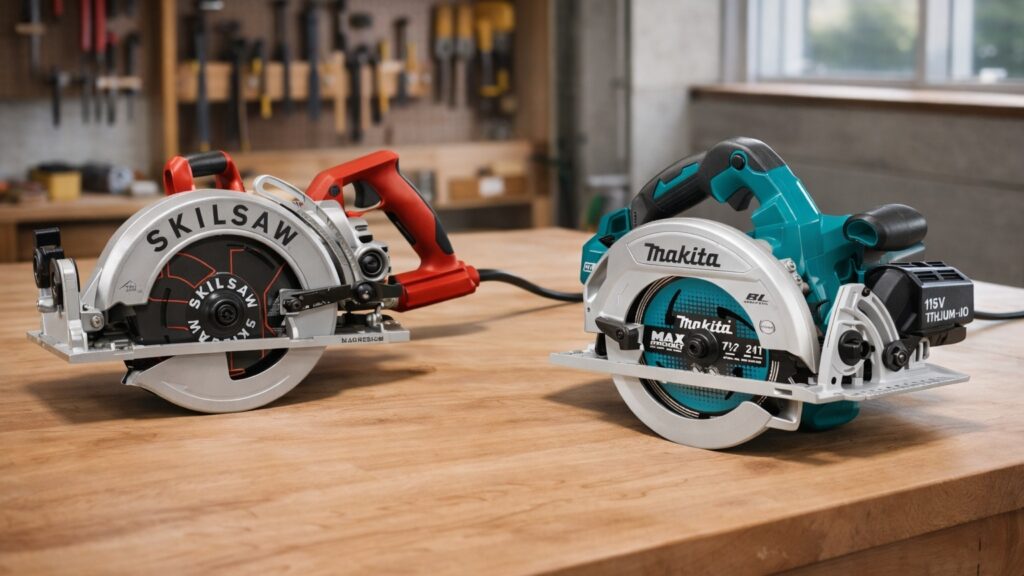
Head-to-head
Brushless Circular Saws vs Brushed Circular Saws: Key Differences Explained
A clean A/B view of what matters in real use: cutting efficiency, maintenance demands, runtime or corded consistency, everyday handling, and the long-term tradeoffs between modern brushless designs and traditional brushed motors.
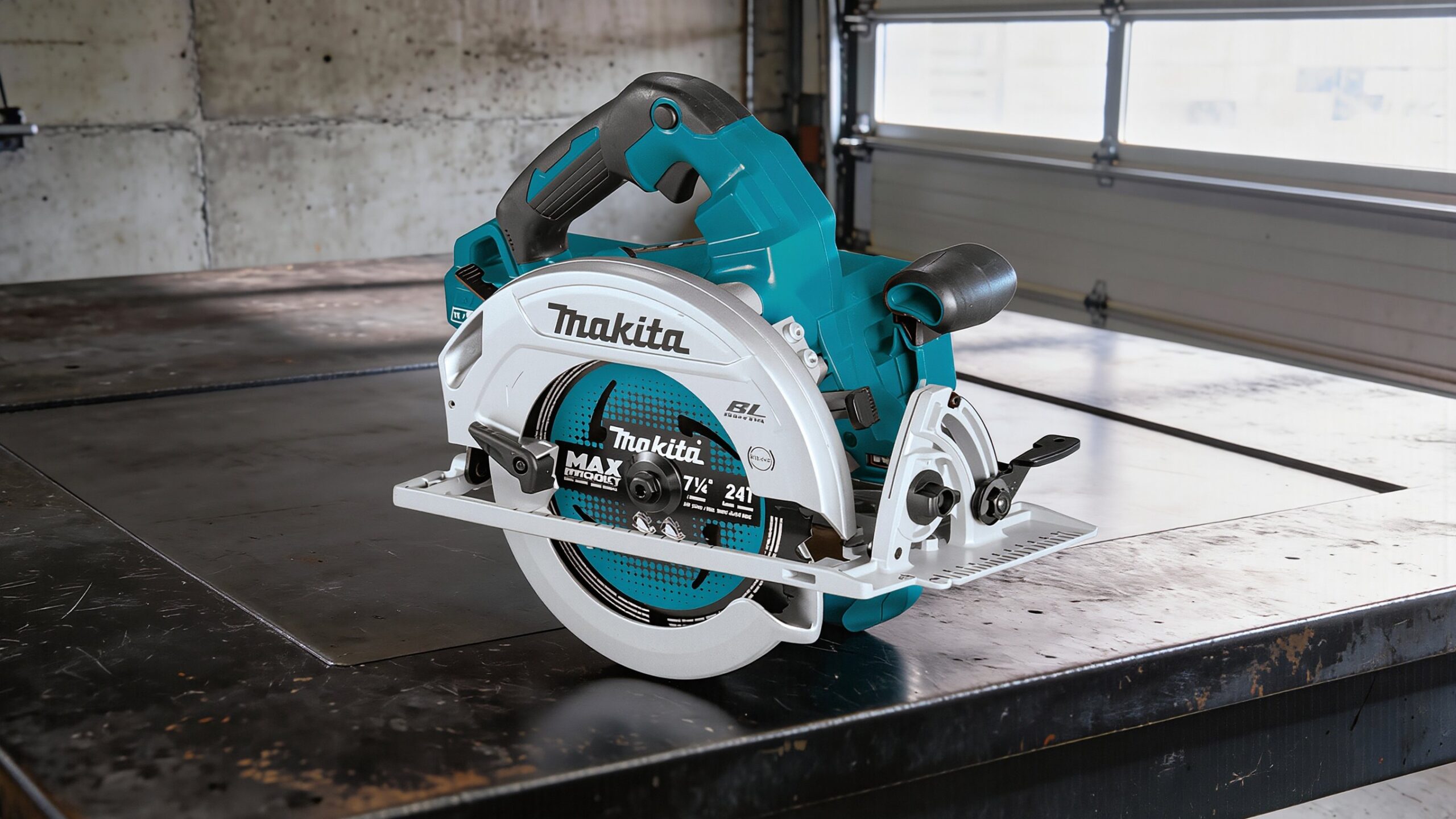
Brushless Circular Saw
A modern work-first option that emphasizes efficiency, lower maintenance, and better battery use—well suited to pros who want cordless mobility and more refined power delivery across frequent cuts.
- Typically runs more efficiently and gets more work from each battery charge
- Needs less long-term motor maintenance because there are no brushes to replace
- Strong fit for pros prioritizing cordless convenience without giving up serious cutting capability
VS
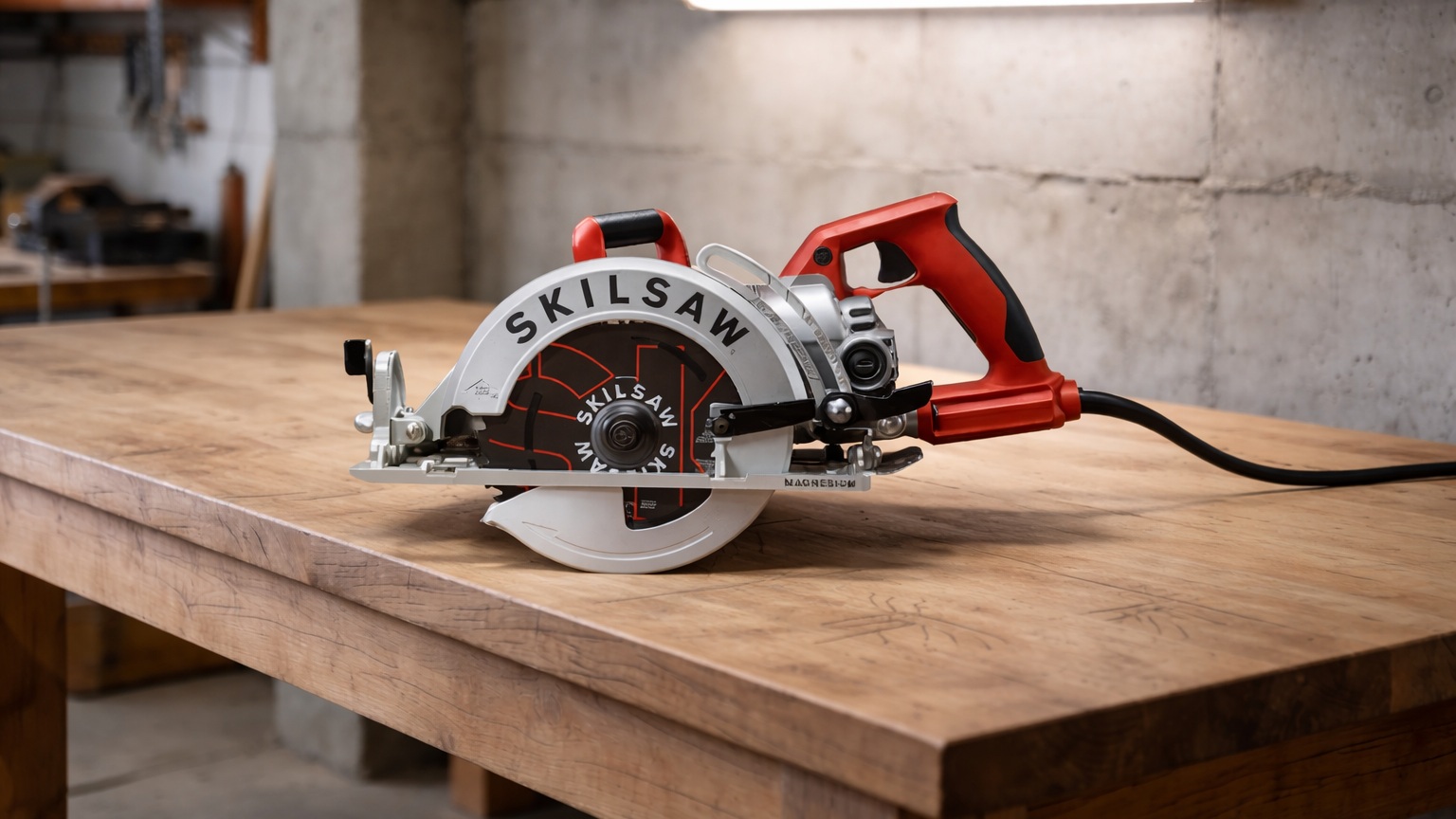
Brushed Circular Saw
A traditional, straightforward design most often associated with corded saws—appealing for consistent wall-power use, simpler upfront value, and familiar performance in routine framing and workshop tasks.
- Usually easier to buy into at a lower price, especially in corded formats
- Delivers steady all-day power when an outlet is available and mobility matters less
- Brush wear adds maintenance over time, but the design remains proven and familiar
Power under load
More efficient delivery
Dependable, more basic
Brushless
Control & clutch consistency
More refined response
Less precise overall
Brushless
Ergonomics (feel + fatigue)
Often lighter cordless feel
Good, but cord can add drag
Brushless
Value (typical kit pricing)
Higher upfront cost
Usually more affordable
Brushed
Battery ecosystem depth
Strong modern platform fit
Not a battery-first choice
Brushless
Real-world context
This comparison reflects a synthesis of professional reviews, manufacturer data, long-term user feedback, and use-case patterns to highlight how each circular saw motor type typically performs in everyday projects.
Brushless Circular Saw — Why people choose it
- Better efficiency and runtime make more sense for frequent cordless cutting
- Lower motor maintenance is appealing for busy pros and long-term ownership
- Usually the stronger fit when mobility, platform growth, and everyday refinement matter most
Brushed Circular Saw — Why people choose it
- Lower upfront cost can make it the practical choice for straightforward shop or site use
- Consistent corded power still works well for routine cutting when outlets are available
- Simple, familiar design remains a sensible option for users who do not need premium cordless efficiency
Verdict: Choose Brushless Circular Saws if you want the better all-around pro solution for cordless work, lower maintenance, improved efficiency, and a more future-facing platform. Choose Brushed Circular Saws if your priority is lower upfront cost, steady corded use, and a simpler tool for routine cuts where mobility and battery efficiency are less important.