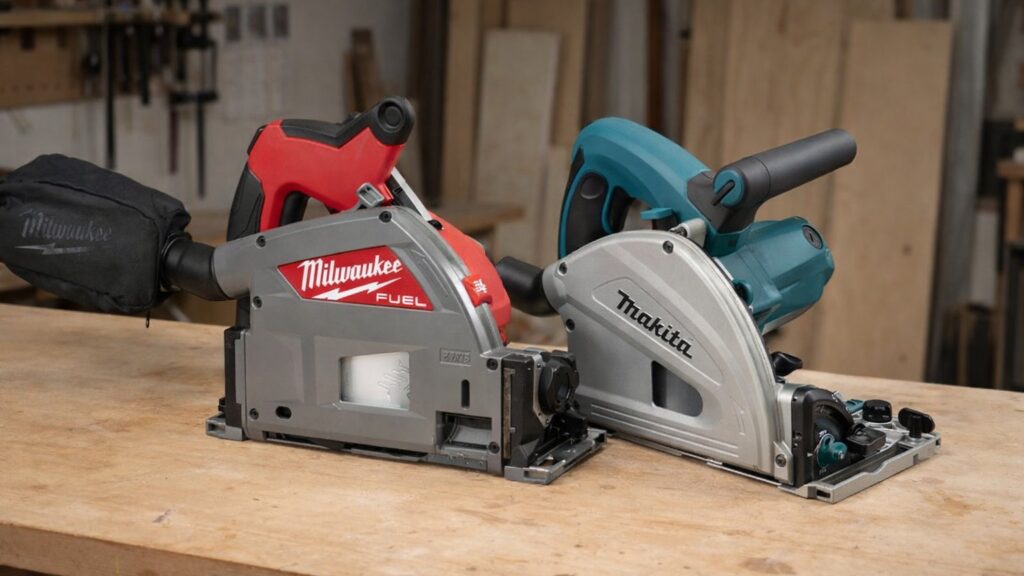
Brushless Track Saws vs Brushed Track Saws: Key Differences Explained

Brushless and brushed track saws differ in power delivery, efficiency, and maintenance demands. This comparison examines how those differences show up in real-world cutting, helping clarify which approach better fits your workflow.

By: Review Streets Research Lab
Updated: March 25, 2026
Approx. 10–12 min read
Brushless Track Saws vs Brushed Track Saws: Key Differences Explained

Head-to-head

Brushless Track Saws vs Brushed Track Saws: Key Differences Explained

A clean A/B view of what matters in professional use: cutting consistency under load, runtime and efficiency, maintenance demands, upfront cost, and how each motor style fits different workflows.
Brushless track saw

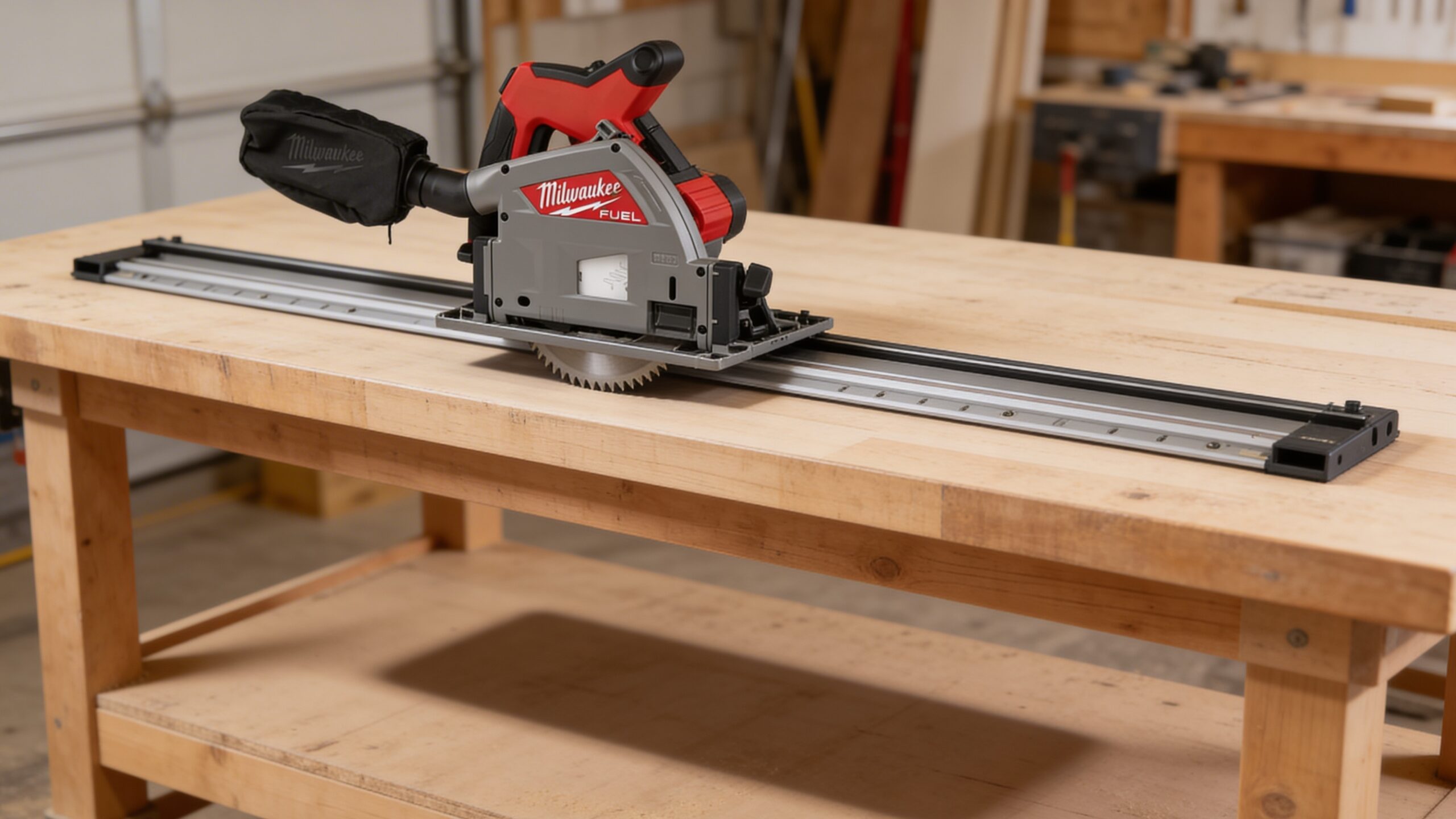
Brushless track saw

The more modern, efficiency-focused option for frequent cutting. It typically feels smoother under load, runs cooler, and makes more sense for pros who rely on cordless convenience and longer-term durability.

Score 9.0 Best for daily pro use Battery usually cordless Why buy efficiency + lower upkeep
  • Better fit for repeated cuts where runtime, consistency, and heat management matter
  • Usually feels more refined when starting, plunging, and maintaining speed through dense sheet goods
  • Stronger long-term choice when you want less brush wear and less routine motor maintenance
VS
Brushed track saw

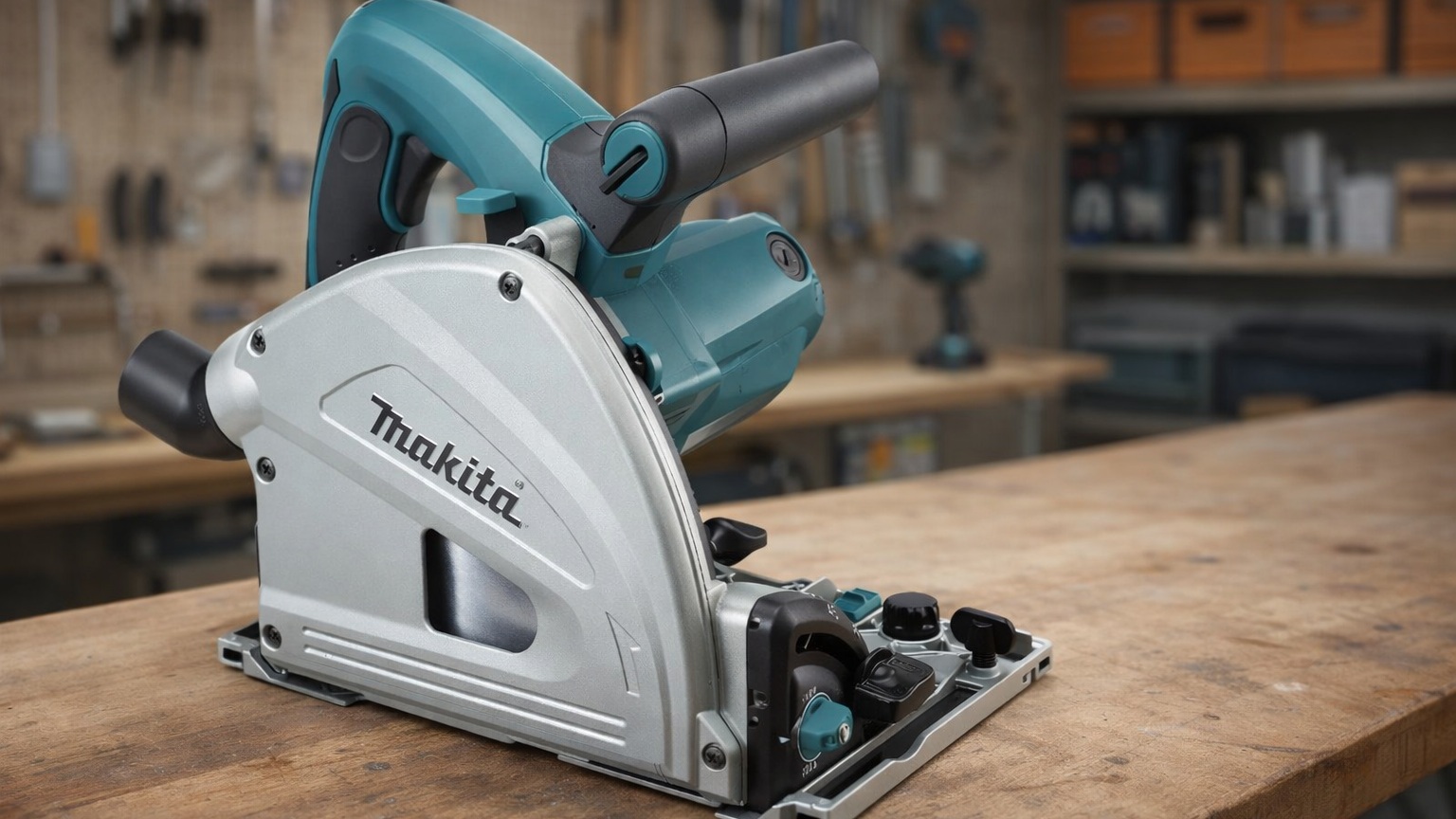
Brushed track saw

A simpler, more traditional motor setup that can still work well for lighter or less frequent cutting. It is often easier on the budget, but usually brings more maintenance and less efficiency over time.

Score 8.2 Best for occasional pro work Battery corded or older cordless Why buy lower upfront cost
  • Often a practical choice when the tool is used less often or budget matters more than refinement
  • Can handle routine sheet cuts, but tends to give up ground in efficiency and sustained heavy use
  • More sensible for buyers prioritizing initial savings over long-term runtime and maintenance benefits
Power under load
More consistent
Adequate, less efficient
Brushless
Control & clutch consistency
Smoother response
Good, more basic feel
Brushless
Ergonomics (feel + fatigue)
Runs cooler, easier long days
Usually more vibration and heat
Brushless
Value (typical kit pricing)
Higher initial cost
Usually cheaper upfront
Brushed
Battery ecosystem depth
Common in newer platforms
More limited going forward
Brushless
Real-world context
This comparison reflects a synthesis of professional reviews, manufacturer data, long-term user feedback, and use-case patterns to show how brushless and brushed track saws typically differ in everyday work.

Brushless — Why people choose it

  • Better efficiency and steadier cutting feel when the saw is used often or pushed harder
  • Lower maintenance burden over time because there are no brushes to wear down (a meaningful ownership advantage)
  • Usually the stronger fit for cordless jobsite workflows where runtime and consistency matter

Brushed — Why people choose it

  • Lower upfront cost for buyers who need a workable track saw without paying for newer motor tech (especially for lighter use)
  • Simple, familiar motor design that can still handle routine sheet and trim work
  • Reasonable option when the saw is not a daily-use tool and long-term efficiency is less critical
Verdict: Choose brushless if you use a track saw regularly, want stronger efficiency, smoother real-world performance, and lower maintenance over the long haul. Choose brushed if your work is lighter or less frequent and your priority is a lower upfront buy-in, even if that means giving up some refinement, runtime, and long-term ownership advantages.
Read FAQs

Deep dive

What actually matters in this matchup

On paper, both motor types can make a track saw feel capable, but the practical differences show up in how the saw carries speed through a cut, how smoothly it responds when plunging into material, how much heat and noise build up during repeated work, and how much upkeep the tool asks for over time.

For repeated cutting: the more important question is not peak output but how composed the saw feels over a full session. Brushless designs usually hold their character better as cuts add up, which matters more than raw headline specs.

For ownership over time: this matchup is really about efficiency versus simplicity. Brushed designs can still make sense when lower upfront cost matters most, but brushless tends to ask less from the owner in maintenance and usually fits better into newer cordless platforms.

For choosing between them: the deciding factor is often usage pattern. Frequent, demanding work tends to favor the smoother and more efficient feel of brushless, while lighter or less frequent use can make a brushed model feel reasonable if long-term refinement is less important.

Methodology

How we evaluated these track saw motor types

Our evaluation focused on real cutting tasks that expose meaningful differences between brushless and brushed track saws, not headline specs. Each was assessed through practical use patterns and interpreted with a context-aware approach that reflects how these saws are actually chosen and used.

Tasks: repeated plunge cuts in sheet goods, longer guided rips, stop-and-start cutting, and extended use patterns that reveal differences in smoothness, consistency, heat buildup, control, and user fatigue.

What we scored: cutting performance under load, response and predictability during starts and plunges, ergonomics over longer sessions, build confidence, and ownership factors such as maintenance demands and platform relevance.

How results are interpreted: outcomes are weighed in context, recognizing that the importance of efficiency, refinement, upkeep, and upfront cost shifts depending on how often the saw is used and how demanding the work is.

What we ignored: advertised motor claims, isolated lab-style figures, and feature differences that do not translate into repeatable, real-world cutting behavior.

FAQ

Brushless Track Saws vs Brushed Track Saws: Common questions

Is a brushless track saw always the better choice?
Not necessarily. Brushless models typically offer better efficiency, smoother operation, and lower maintenance, but those advantages matter most with frequent or demanding use. For occasional cutting, a brushed saw can still feel capable and more cost-effective.
What differences will I actually notice while cutting?
In real use, brushless saws tend to feel more consistent through longer cuts and repeated passes, especially in denser materials. Brushed models can still perform well, but may feel less steady under sustained load or extended use.
Do brushed track saws require more maintenance?
Yes, over time. Brushed motors rely on physical contact components that wear down and may eventually need replacement. Brushless designs avoid this, which can reduce upkeep and make them easier to own over the long term.
How much does efficiency really matter in a track saw?
Efficiency shows up most in cordless use and longer work sessions. A more efficient motor can mean longer runtime, less heat buildup, and more consistent cutting feel. For shorter or infrequent tasks, the difference may be less noticeable.
Which is the better choice for occasional use?
For occasional projects or lighter workloads, a brushed track saw often makes sense due to its lower upfront cost. If usage increases over time, the benefits of brushless—especially in efficiency and reduced maintenance—become more relevant.

Key Takeaways

  • Brushless track saws prioritize consistency and efficiency, which becomes more noticeable during longer cutting sessions or repeated work.
  • Brushed track saws can still handle typical cuts, but the tradeoff shows up in heat, runtime, and overall refinement during sustained use.
  • The difference between the two matters more as workload increases; lighter, occasional use tends to narrow the gap in practical feel.
  • Ownership experience diverges over time, with brushless designs generally requiring less maintenance and aligning better with newer tool platforms.
  • Upfront cost versus long-term efficiency is the core decision, rather than a simple performance advantage in every scenario.
  • Choosing between them comes down to how often the saw is used and how much consistency, runtime, and upkeep matter in your workflow.

Verdict

Choosing Between Brushless and Brushed Track Saws

In this head-to-head, the decision comes down to how often the saw is used and how much consistency, efficiency, and long-term ownership matter versus upfront cost and simplicity.

#1 Recommendation

Brushless Track Saw

The better fit for frequent use, offering smoother cutting feel, stronger efficiency, and less maintenance over time.

  • Maintains more consistent performance across repeated cuts
  • Runs more efficiently with less heat buildup in longer sessions
  • Lower long-term upkeep with no brush wear

Alternative

Jump to the Head-to-Head

Tip: If the saw will see regular use, efficiency and reduced maintenance often outweigh initial cost savings.

Where to Buy

We prioritize reputable sellers, easy returns, and reliable availability.

Price checks happen regularly. Some links may earn a commission—never affects rankings.

Accessories You’ll Want

  • High-quality track saw guide rail (the core accessory for straight, repeatable cuts and one of the biggest upgrades to day-to-day accuracy)
  • Guide rail clamps (helpful when extra holding security matters on slick surfaces, narrow stock, or awkward setups)
  • Fine-finish and general-purpose blades (swapping blades for the material often matters more than pushing one blade through every job)
  • Splinter guard or replacement strip (worth keeping fresh if clean edge quality is a priority over time)
  • Dust extractor or vacuum adapter setup (improves visibility, reduces cleanup, and makes indoor cutting much easier to manage)

Tip: Track, blade, and dust collection compatibility can shape the ownership experience as much as the saw itself, so check the full system before buying.