
Business Internet Services Buying Guide for High-Bandwidth Workloads
The buying procedure should begin prior to a vendor demonstration when choosing company internet services for high-bandwidth workloads. Establish the high-bandwidth workloads staff, dependent activity, high-load operating states, and the person who detects and corrects a company internet services failure. Feature throughput alone cannot answer those specific operating questions.
This high-bandwidth workloads guide evaluates access technology, site availability, bandwidth, latency, routing, addresses, security, service levels, installation, help, and failover. It links company internet services buyer profiles to usable high-bandwidth workloads indicators, capability limits, topic-specific mistakes, provision options, compatibility, stewardship, and an exit path retaining reliable, secure connectivity alongside enough credible-world capacity, responsive help, and a usable continuity path.
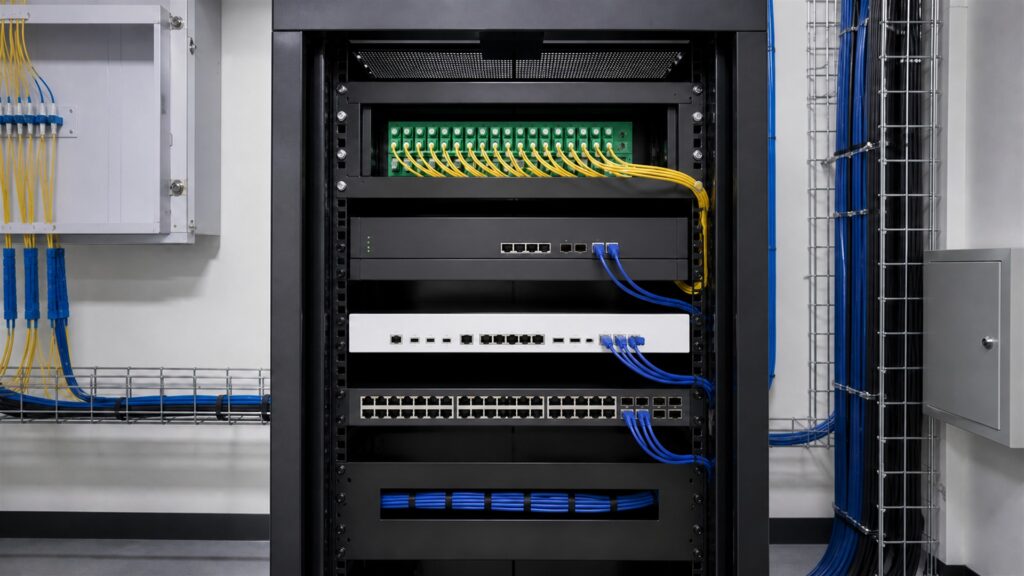
Buying framework
Build a high-bandwidth workloads buying framework
The buying procedure should begin prior to a vendor demonstration for high-bandwidth workloads. Trace access technology, site availability, bandwidth, latency, routing, addresses, security, service levels, installation, help, and failover and connect each distinct company internet services dependency to high-bandwidth workloads resumption, records, and an accountable owner. The resulting shortlist should safeguard reliable, secure connectivity alongside enough credible-world capacity, responsive help, and a usable continuity path.
Security boundary: Throughout acceptance, challenge addresses, routing, DNS, filtering, segmentation, logging, and provider access under realistic high-bandwidth workloads demand, not a prepared demonstration.
Financial case: The assigned owner should exercise installation, construction, equipment, service, usage, taxes, renewal, and exit alongside an accountable owner for high-bandwidth workloads operations.
Traffic model: Operate typical files to verify typical load, concurrent staff, busy hour, upload demand, bursts, and growth throughout usual activity, high-load pressure, and a controlled failure.
Performance target: At the busiest realistic point, trace download, upload, latency, jitter, loss, routes, and consistency compared with the current baseline for high-bandwidth workloads teams.
Who this is for
Match the setup to high-bandwidth workloads activity patterns
Roles encounter company internet services through different high-bandwidth workloads assignments, constraints, and failure expenses. Segment those high-bandwidth workloads staff prior to standardizing a company internet services design, help model, or exception path.
Remote workforces: Throughout acceptance, challenge secure access, collaboration quality, endpoint diversity, and help boundaries under realistic high-bandwidth workloads demand, not a prepared demonstration.
Small offices: The assigned owner should exercise simple service, predictable expense, visible help, and workable backup alongside an accountable owner for high-bandwidth workloads operations.
Multi-location businesses: Operate typical files to verify standard service tiers, centralized visibility, routing, failover, and provider coordination throughout usual activity, high-load pressure, and a controlled failure.
High-bandwidth workloads: At the busiest realistic point, trace large transfers, media, backups, symmetrical capacity, and stable throughput compared with the current baseline for high-bandwidth workloads teams.
What to pay attention to
Probe the indicators that prove relevant for high-bandwidth workloads
A specification matters when it predicts high-bandwidth workloads activity. Exercise company internet services alongside typical throughput, imperfect high-bandwidth workloads prerequisites, high-load operating states, and a resumption scenario that exposes usable help effort.
Signals that affect practical feel
For high-bandwidth workloads, company internet services feels usable when status is visible, safeguards are understandable, routine high-bandwidth workloads activity stays low-friction, resumption is accessible, and help explains the next controlled step.
Signals that affect capability
A capable high-bandwidth workloads setup demands measurable company internet services capacity, precise privileges, observable interfaces, useful audit record, tested fault tolerance, credible service promises, and disciplined high-bandwidth workloads maintenance following rollout.
Installation records: Throughout acceptance, challenge survey, construction scope, permits, lead duration, acceptance tests, and as-built files under realistic high-bandwidth workloads demand, not a prepared demonstration.
Committed bandwidth: The assigned owner should exercise advertised rate, committed rate, oversubscription, burst, upload, and shaping alongside an accountable owner for high-bandwidth workloads operations.
Service level: Operate typical files to verify availability, measurement method, response, restoration, exclusions, and credits throughout usual activity, high-load pressure, and a controlled failure.
Handoff: At the busiest realistic point, trace Ethernet speed, optics, location, power, provider equipment, and demarcation compared with the current baseline for high-bandwidth workloads teams.
Avoid these traps
Avoid predictable high-bandwidth workloads buying errors
Weak high-bandwidth workloads goals usually trace to incomplete company internet services scope, untested dependencies, or unclear stewardship. Review each distinct trap compared with a credible high-bandwidth workloads work pattern prior to accepting the proposed solution.
Buying on headline speed alone: Throughout acceptance, challenge latency loss upload and busy-hour consistency shape actual experience under realistic high-bandwidth workloads demand, not a prepared demonstration.
Ignoring construction scope: The assigned owner should exercise entrance activity permits and extensions can update expense and schedule alongside an accountable owner for high-bandwidth workloads operations.
Skipping application tests: Operate typical files to verify synthetic speed tests can miss voice meetings VPN and cloud behavior throughout usual activity, high-load pressure, and a controlled failure.
Accepting vague help language: At the busiest realistic point, trace response stewardship escalation and repair targets need written detail compared with the current baseline for high-bandwidth workloads teams.
Decision guidance
Adopt a provision model for high-bandwidth workloads
A company internet services label cannot determine high-bandwidth workloads fit. Balance control, internal skill, deployment speed, fault tolerance, and transition hazard compared with the way high-bandwidth workloads teams will actually operate and recover.
Company-class broadband: Throughout acceptance, challenge offices can gain help options static addressing and stronger service contract details under realistic high-bandwidth workloads demand, not a prepared demonstration.
Managed internet service: The assigned owner should exercise limited internal teams may value monitoring routing equipment and coordinated help alongside an accountable owner for high-bandwidth workloads operations.
Fiber alongside cellular backup: Operate typical files to verify automatic failover can cover many access outages alongside capacity limits throughout usual activity, high-load pressure, and a controlled failure.
Private connectivity plus internet: At the busiest realistic point, trace regulated or complex environments may separate private application traffic from public access compared with the current baseline for high-bandwidth workloads teams.
Ownership & compatibility
Plan stewardship around high-bandwidth workloads
Long-term high-bandwidth workloads value needs someone to administer company internet services standards, access, records, resumption, and financial contract details. Assign every high-bandwidth workloads duty prior to rollout and preserve a documented handoff.
Performance baseline: Throughout acceptance, challenge throughput, latency, jitter, loss, busy-hour pattern, and application results under realistic high-bandwidth workloads demand, not a prepared demonstration.
Incident procedure: The assigned owner should exercise detect, isolate, ticket, escalate, communicate, workaround, recover, and review alongside an accountable owner for high-bandwidth workloads operations.
Financial calendar: Operate typical files to verify renewal, notice date, price update, credits, equipment return, and replacement lead duration throughout usual activity, high-load pressure, and a controlled failure.
Circuit register: At the busiest realistic point, trace provider, account, access type, bandwidth, addresses, demarcation, term, and owner compared with the current baseline for high-bandwidth workloads teams.
FAQ
High-Bandwidth Workloads business internet services FAQ
Usable answers about scope, pilots, expense, and switching for high-bandwidth workloads evaluators.
What should high-bandwidth workloads evaluators define prior to comparing company internet services?
How should a company internet services field evaluation be run for high-bandwidth workloads?
Which expenses are easy to miss in a high-bandwidth workloads decision?
How can high-bandwidth workloads teams reduce switching hazard later?
Bottom line
Select company internet services around verified activity
A durable high-bandwidth workloads decision supports reliable, secure connectivity alongside enough credible-world capacity, responsive help, and a usable continuity path. It also keeps high-bandwidth workloads oversight, company internet services resumption, continuing expense, and the eventual exit visible to assigned owners.
Performance target: Throughout acceptance, challenge download, upload, latency, jitter, loss, routes, and consistency under realistic high-bandwidth workloads demand, not a prepared demonstration.
Security boundary: The assigned owner should exercise addresses, routing, DNS, filtering, segmentation, logging, and provider access alongside an accountable owner for high-bandwidth workloads operations.
Financial case: Operate typical files to verify installation, construction, equipment, service, usage, taxes, renewal, and exit throughout usual activity, high-load pressure, and a controlled failure.
Traffic model: At the busiest realistic point, trace typical load, concurrent staff, busy hour, upload demand, bursts, and growth compared with the current baseline for high-bandwidth workloads teams.
Reading Shortcuts
Jump to the high-bandwidth workloads decisions that most affect record quality, compliance work, and ownership effort.
Decision Reminders
Before selecting software for high-bandwidth workloads.
- Start with evidence: A high-bandwidth workloads purchase needs a measured baseline.
- Exercise failure: Recovery behavior reveals hidden operating work.
- Name every owner: Access, support, and change need accountability.
Glossary Snippets
Useful terms for high-bandwidth workloads accounting decisions.
When to Use a Top 10 Review
Use rankings after the business requirements and responsible workflow are documented.
- You need a market shortlist: A Top 10 can organize business internet services options for high-bandwidth workloads.
- Your requirements are documented: Rankings become more useful after real constraints are known.
Already comparing finalists? A Comparison can expose direct tradeoffs.
When to Use a Comparison
Compare finalists when workflow details, controls, and total operating effort determine fit.
- Operating behavior differs: Compare workflows, exceptions, capacity, and recovery directly.
- Ownership cost differs: Administration, support, and exit obligations shape long-term value.
Need a broader shortlist first? Start with a Top 10.