
Cabin Air Filters Buying Guide for Engine Filters Fitment and Compatibility
Fitment mistakes with cabin air filters are expensive because a filter can look correct until it reaches the HVAC housing and fails a bracket, sensor, depth, or filter door and tray check.
This guide focuses on matching cabin air filters to the exact glovebox or cowl filter housing, confirming compatibility notes, and spotting catalog details that prevent returns and stalled cabin airflow services.
Buying framework
How to think about buying cabin air filters for fitment checkpoints
Treat filter fit as a chain of confirmations rather than a single year-make-model lookup. For cabin air filters, airflow direction, tray shape, media depth, and glovebox or cowl access decide whether a simple service becomes frustrating. For fitment work, treat every catalog qualifier as a required checkpoint, not a footnote.
Trace the option path: With cabin air filters, compatibility starts with HVAC housing year, trim, airflow arrow, filter thickness, media type, tray shape, and access location; confirm those details before brand, coating, or replacement policy enters the decision. For cabin air filters, airflow direction, tray shape, media depth, and glovebox or cowl access decide whether a simple service becomes frustrating. For fitment work, treat every catalog qualifier as a required checkpoint, not a footnote.
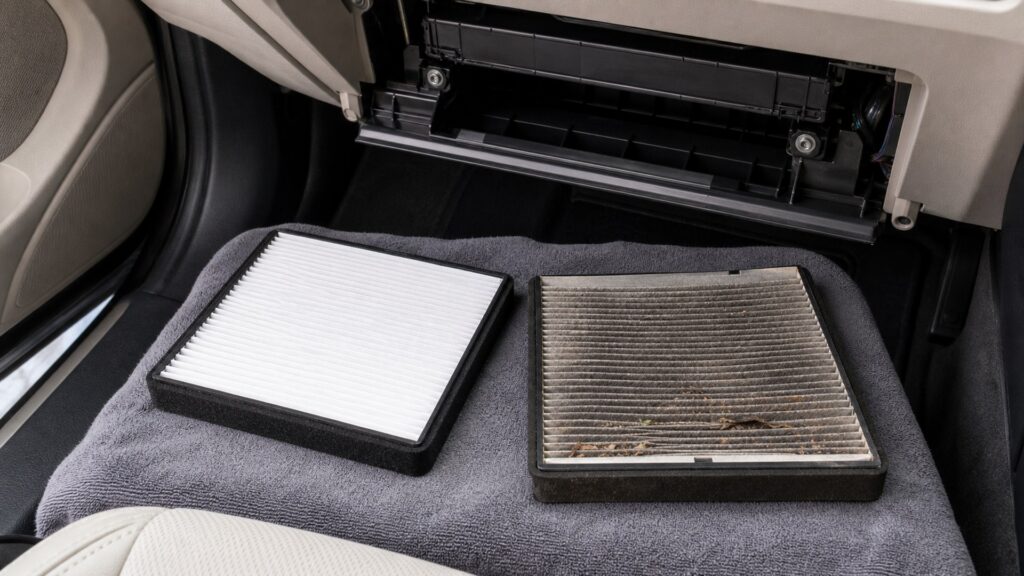
Compare the removed part: The old cabin air filter is useful evidence because HVAC air filtration inside the passenger cabin filters often vary by axle position, package, or production break even inside one model year. Activated carbon can help with odor complaints, while dense fine-particle media must still allow enough airflow for the HVAC fan. A close-looking part should still be rejected if side, axle, sensor, depth, or housing notes do not line up.
Watch catalog qualifiers: Notes such as with bracket, without sensor, heavy-duty brakes, or specific engine option can decide whether cabin air filters install cleanly. A filter that seals poorly can let dust bypass the media, so edge fit and housing condition matter as much as the pleat count. Keep screenshots and part numbers until the vehicle has been reassembled and verified.
Check both sides of the repair: Left and right cabin air filters or paired axle filters may share a name while using mirrored fittings, different filter door and tray, or separate bleed and service access. Cabin filter buyers should confirm whether the vehicle uses one panel, two stacked pieces, or a hard-to-reach housing before buying multipacks. For fitment work, treat every catalog qualifier as a required checkpoint, not a footnote.
Plan the return path: Fitment-sensitive cabin air filters should come from a filter supplier with clear photos, filter numbers, and return rules in case the HVAC housing data is incomplete. The right cabin filter should improve air cleanliness without creating fan noise, reduced airflow, or a reversed airflow-arrow installation. A close-looking part should still be rejected if side, axle, sensor, depth, or housing notes do not line up.
Who this is for
Match cabin air filters to the vehicle, repair goal, and buyer situation
Use these profiles for filter fit checkpoints decisions. For cabin air filters, airflow direction, tray shape, media depth, and glovebox or cowl access decide whether a simple service becomes frustrating. Keep screenshots and part numbers until the vehicle has been reassembled and verified.
VIN-first shopper: Use VIN or OE-number lookup for cabin air filters, then verify the visible HVAC housing year, trim, airflow arrow, filter thickness, media type, tray shape, and access location before ordering. For cabin air filters, airflow direction, tray shape, media depth, and glovebox or cowl access decide whether a simple service becomes frustrating. Keep screenshots and part numbers until the vehicle has been reassembled and verified.
Online parts buyer: Choose listings for cabin air filters with complete compatibility notes, multiple photos, and exact contents rather than a thin universal description. Activated carbon can help with odor complaints, while dense fine-particle media must still allow enough airflow for the HVAC fan. For fitment work, treat every catalog qualifier as a required checkpoint, not a footnote.
Same-day repair planner: Favor local or fast-shipping cabin air filter options only after the match is certain, because speed does not help if the box is wrong. A filter that seals poorly can let dust bypass the media, so edge fit and housing condition matter as much as the pleat count. A close-looking part should still be rejected if side, axle, sensor, depth, or housing notes do not line up.
Fleet or multi-vehicle owner: Keep records of which cabin air filters fit each trim so future service does not repeat the same catalog research. Cabin filter buyers should confirm whether the vehicle uses one panel, two stacked pieces, or a hard-to-reach housing before buying multipacks. Keep screenshots and part numbers until the vehicle has been reassembled and verified.
Quote reviewer: Ask the shop which cabin air filter configuration is quoted and whether any filter fit issue changes labor or related filters. The right cabin filter should improve air cleanliness without creating fan noise, reduced airflow, or a reversed airflow-arrow installation. For fitment work, treat every catalog qualifier as a required checkpoint, not a footnote.
What to pay attention to
Which cabin air filter specs actually matter
Prioritize specs that change filter fit checkpoints outcomes. For cabin air filters, airflow direction, tray shape, media depth, and glovebox or cowl access decide whether a simple service becomes frustrating. A close-looking part should still be rejected if side, axle, sensor, depth, or housing notes do not line up.
Practical-feel specifications
In filter fit checkpoints, airflow, odor reduction, fan noise shape the driver's first signs that the cabin air filter choice worked. For cabin air filters, airflow direction, tray shape, media depth, and glovebox or cowl access decide whether a simple service becomes frustrating. For fitment work, treat every catalog qualifier as a required checkpoint, not a footnote.
Capability specifications
For cabin air filters, particulate media, activated carbon, HEPA-style claims matter when climate, workload, or old seals and debris add stress. Activated carbon can help with odor complaints, while dense fine-particle media must still allow enough airflow for the HVAC fan. A close-looking part should still be rejected if side, axle, sensor, depth, or housing notes do not line up.
Application notes: For cabin air filters, application notes are specifications; HVAC housing year, trim, airflow arrow, filter thickness, media type, tray shape, and access location can matter more than a broad compatibility badge. For cabin air filters, airflow direction, tray shape, media depth, and glovebox or cowl access decide whether a simple service becomes frustrating. A close-looking part should still be rejected if side, axle, sensor, depth, or housing notes do not line up.
Mounting geometry: Confirm the cabin air filter mounting shape and contact points because small geometry differences can create noise, drag, leaks, or poor seating. Activated carbon can help with odor complaints, while dense fine-particle media must still allow enough airflow for the HVAC fan. Keep screenshots and part numbers until the vehicle has been reassembled and verified.
Included hardware: Fitment also depends on whether airflow arrow, activated carbon, clips, seals, or brackets are included for the exact glovebox or cowl filter housing version. A filter that seals poorly can let dust bypass the media, so edge fit and housing condition matter as much as the pleat count. For fitment work, treat every catalog qualifier as a required checkpoint, not a footnote.
Service access: Look at airflow, odor reduction, and fan noise so the filter can be installed and verified without awkward workarounds. Cabin filter buyers should confirm whether the vehicle uses one panel, two stacked pieces, or a hard-to-reach housing before buying multipacks. A close-looking part should still be rejected if side, axle, sensor, depth, or housing notes do not line up.
Durability cues: After fit is proven, compare particulate media, activated carbon, and HEPA-style claims for the climate and duty cycle the HVAC housing actually sees. The right cabin filter should improve air cleanliness without creating fan noise, reduced airflow, or a reversed airflow-arrow installation. Keep screenshots and part numbers until the vehicle has been reassembled and verified.
Avoid these traps
Common mistakes people make when buying cabin air filters
Fitment checkpoints fails when fit or context is skipped. A filter that seals poorly can let dust bypass the media, so edge fit and housing condition matter as much as the pleat count. Keep screenshots and part numbers until the vehicle has been reassembled and verified.
Stopping at year-make-model: Many cabin air filters share a broad listing but split by axle, trim, wheel package, or build date. A filter that seals poorly can let dust bypass the media, so edge fit and housing condition matter as much as the pleat count. Keep screenshots and part numbers until the vehicle has been reassembled and verified.
Ignoring mirrored parts: A left-side cabin air filter can look close to a right-side filter until the hose, bleeder, sensor, or bracket faces the wrong way. Cabin filter buyers should confirm whether the vehicle uses one panel, two stacked pieces, or a hard-to-reach housing before buying multipacks. For fitment work, treat every catalog qualifier as a required checkpoint, not a footnote.
Skipping photos: Catalog photos for cabin air filters can reveal missing brackets, different clips, or housing shapes before the wrong filter ships. The right cabin filter should improve air cleanliness without creating fan noise, reduced airflow, or a reversed airflow-arrow installation. A close-looking part should still be rejected if side, axle, sensor, depth, or housing notes do not line up.
Forgetting related fit: New cabin air filters still need the old mounting surfaces, fasteners, and nearby filters to line up correctly. For cabin air filters, airflow direction, tray shape, media depth, and glovebox or cowl access decide whether a simple service becomes frustrating. Keep screenshots and part numbers until the vehicle has been reassembled and verified.
Accepting duplicate slugs in shopping carts: If a retailer substitutes an alternate cabin air filter, re-check the fit notes instead of assuming the replacement is equivalent. Activated carbon can help with odor complaints, while dense fine-particle media must still allow enough airflow for the HVAC fan. For fitment work, treat every catalog qualifier as a required checkpoint, not a footnote.
Decision guidance
Which type of cabin air filter purchase is right for you
Use the cabin airflow service evidence before choosing a filter tier. A filter that seals poorly can let dust bypass the media, so edge fit and housing condition matter as much as the pleat count. A close-looking part should still be rejected if side, axle, sensor, depth, or housing notes do not line up.
Choose exact-match parts first: For routine replacement, exact-match cabin air filters reduce filter installation risk more than a vague premium label. A filter that seals poorly can let dust bypass the media, so edge fit and housing condition matter as much as the pleat count. A close-looking part should still be rejected if side, axle, sensor, depth, or housing notes do not line up.
Use complete assemblies when fit is complex: A complete cabin air filter package can reduce uncertainty when brackets, clips, or seals vary by HVAC housing option. Cabin filter buyers should confirm whether the vehicle uses one panel, two stacked pieces, or a hard-to-reach housing before buying multipacks. Keep screenshots and part numbers until the vehicle has been reassembled and verified.
Use OE numbers for split listings: When a catalog shows multiple cabin air filters, OE numbers and removed-filter markings are the cleanest tie-breakers. The right cabin filter should improve air cleanliness without creating fan noise, reduced airflow, or a reversed airflow-arrow installation. For fitment work, treat every catalog qualifier as a required checkpoint, not a footnote.
Avoid universal claims: Universal wording around cabin air filters should be treated cautiously unless the filter supplier proves the same HVAC housing year, trim, airflow arrow, filter thickness, media type, tray shape, and access location. For cabin air filters, airflow direction, tray shape, media depth, and glovebox or cowl access decide whether a simple service becomes frustrating. A close-looking part should still be rejected if side, axle, sensor, depth, or housing notes do not line up.
Pause if the old part differs: If the removed cabin air filter does not match the new one, stop before modifying filter door and tray or forcing filter installation. Activated carbon can help with odor complaints, while dense fine-particle media must still allow enough airflow for the HVAC fan. Keep screenshots and part numbers until the vehicle has been reassembled and verified.
Ownership & compatibility
What you are really buying into with cabin air filters
Keep records, related filters, and support in view. A filter that seals poorly can let dust bypass the media, so edge fit and housing condition matter as much as the pleat count. For fitment work, treat every catalog qualifier as a required checkpoint, not a footnote.
Save the match evidence: Keep the OE number, catalog notes, and photos for the installed cabin air filters so future service has a verified trail. A filter that seals poorly can let dust bypass the media, so edge fit and housing condition matter as much as the pleat count. For fitment work, treat every catalog qualifier as a required checkpoint, not a footnote.
Track paired replacements: When cabin air filters are replaced in pairs, record both filter numbers because side-specific details can differ. Cabin filter buyers should confirm whether the vehicle uses one panel, two stacked pieces, or a hard-to-reach housing before buying multipacks. A close-looking part should still be rejected if side, axle, sensor, depth, or housing notes do not line up.
Inspect after installation: Verify clearance, leaks, movement, airflow, or contact pattern for the exact cabin air filter system before normal use. The right cabin filter should improve air cleanliness without creating fan noise, reduced airflow, or a reversed airflow-arrow installation. Keep screenshots and part numbers until the vehicle has been reassembled and verified.
Know return exclusions: Fitment returns for cabin air filters may be harder after filter installation marks, fluid exposure, or missing packaging. For cabin air filters, airflow direction, tray shape, media depth, and glovebox or cowl access decide whether a simple service becomes frustrating. For fitment work, treat every catalog qualifier as a required checkpoint, not a footnote.
Use fitment in warranty claims: A replacement policy claim is stronger when the installed cabin air filter clearly matched the HVAC housing data and service requirements. Activated carbon can help with odor complaints, while dense fine-particle media must still allow enough airflow for the HVAC fan. A close-looking part should still be rejected if side, axle, sensor, depth, or housing notes do not line up.
FAQ
Cabin air filters buying guide FAQ
Focused answers for filter fit checkpoints decisions. A filter that seals poorly can let dust bypass the media, so edge fit and housing condition matter as much as the pleat count. Keep screenshots and part numbers until the vehicle has been reassembled and verified.
What is the safest way to confirm cabin air filters fit?
Why do two cabin air filters appear for the same HVAC housing?
Should I trust a filter supplier filter fit guarantee for cabin air filters?
What old-filter details should I compare?
Can I modify a close cabin air filter to fit?
Bottom line
The simplest way to choose cabin air filters
Choose by fit, evidence, and cabin airflow service risk. A filter that seals poorly can let dust bypass the media, so edge fit and housing condition matter as much as the pleat count. A close-looking part should still be rejected if side, axle, sensor, depth, or housing notes do not line up.
Best first move: Choose cabin air filters only after the listing and old filter agree on HVAC housing year, trim, airflow arrow, filter thickness, media type, tray shape, and access location. A filter that seals poorly can let dust bypass the media, so edge fit and housing condition matter as much as the pleat count. A close-looking part should still be rejected if side, axle, sensor, depth, or housing notes do not line up.
When options split: Use OE numbers, photos, and side or axle notes to separate close cabin air filter variants. Cabin filter buyers should confirm whether the vehicle uses one panel, two stacked pieces, or a hard-to-reach housing before buying multipacks. Keep screenshots and part numbers until the vehicle has been reassembled and verified.
When speed matters: A fast-shipping cabin air filter is worthwhile only if compatibility is already proven. The right cabin filter should improve air cleanliness without creating fan noise, reduced airflow, or a reversed airflow-arrow installation. For fitment work, treat every catalog qualifier as a required checkpoint, not a footnote.
When the box arrives: Check orientation, contents, and mounting details before exposing cabin air filters to fluid, dust, or filter installation marks. For cabin air filters, airflow direction, tray shape, media depth, and glovebox or cowl access decide whether a simple service becomes frustrating. A close-looking part should still be rejected if side, axle, sensor, depth, or housing notes do not line up.
Final fitment check: If any major detail differs, stop and resolve the match instead of adapting the cabin air filter. Activated carbon can help with odor complaints, while dense fine-particle media must still allow enough airflow for the HVAC fan. Keep screenshots and part numbers until the vehicle has been reassembled and verified.
Reading Shortcuts
Jump to the sections that matter most for choosing cabin air filters.
Decision Reminders
A quick checklist before you commit to cabin air filters.
- Confirm the old part: Use the removed filter, OE number, or service data to verify the catalog listing.
- Check included hardware: Missing clips, springs, seals, brackets, or fasteners can change the real cost.
- Inspect nearby wear: Do not expect a new cabin air filter to solve problems caused by related components.
- Read warranty details: Know the claim process, exclusions, and whether labor is covered.
- Plan the install: Cleaning, torque, direction, bleeding, bedding, or adjustment steps matter after purchase.
Glossary Snippets
Quick translations for terms that confuse replacement-filter buyers.
When to Use a Top 10 Review
Use this format when you want a faster way to narrow the field.
- You are early in the process: A Top 10 can separate common cabin air filters by filter fit confidence, completeness, and value.
- You want a shortlist: Ranked picks help organize budget, OE-style, complete-kit, and harsh-use options.
- You need category context: It is useful when you still need to understand the major choices before comparing two filters.
Already down to 2-3 options? A Comparison is usually faster than broad buying advice.
When to Use a Comparison
Ideal once you have a shortlist and need clear, practical tradeoffs.
- You narrowed it to 2-3 options: A comparison makes differences in fit notes, included filter door and tray, replacement policy, and total cabin airflow service cost easier to see.
- You are checking the quote: Side-by-side tradeoffs help determine whether a recommended filter grade is justified.
- You are ready to decide: Use a comparison when the HVAC housing fit is known and the final choice is about value and risk.
Still exploring? Start with a Top 10 to identify the right cabin air filter category first.