BusinessBusiness Equipment

How to Choose Business Equipment for Daily Operations

This buyer-first guide explains how equipment-intensive daily operations teams should evaluate business equipment across workflow, user fit, specifications, mistakes, delivery models, compatibility, support, recovery, and lifecycle cost. It emphasizes realistic testing and accountable ownership rather than feature count.
BusinessBusiness Equipment

Business Equipment Buying Guide for Productivity

Productivity equipment should remove a specific source of delay, discomfort, error, or interruption rather than add more devices to manage. This guide covers workflow observation, workstations, displays, input devices, communication gear, shared equipment, ergonomics, reliability, compatibility, pilots, and outcome measurement.

BusinessBusiness Equipment

Business Equipment Buying Guide for Startups

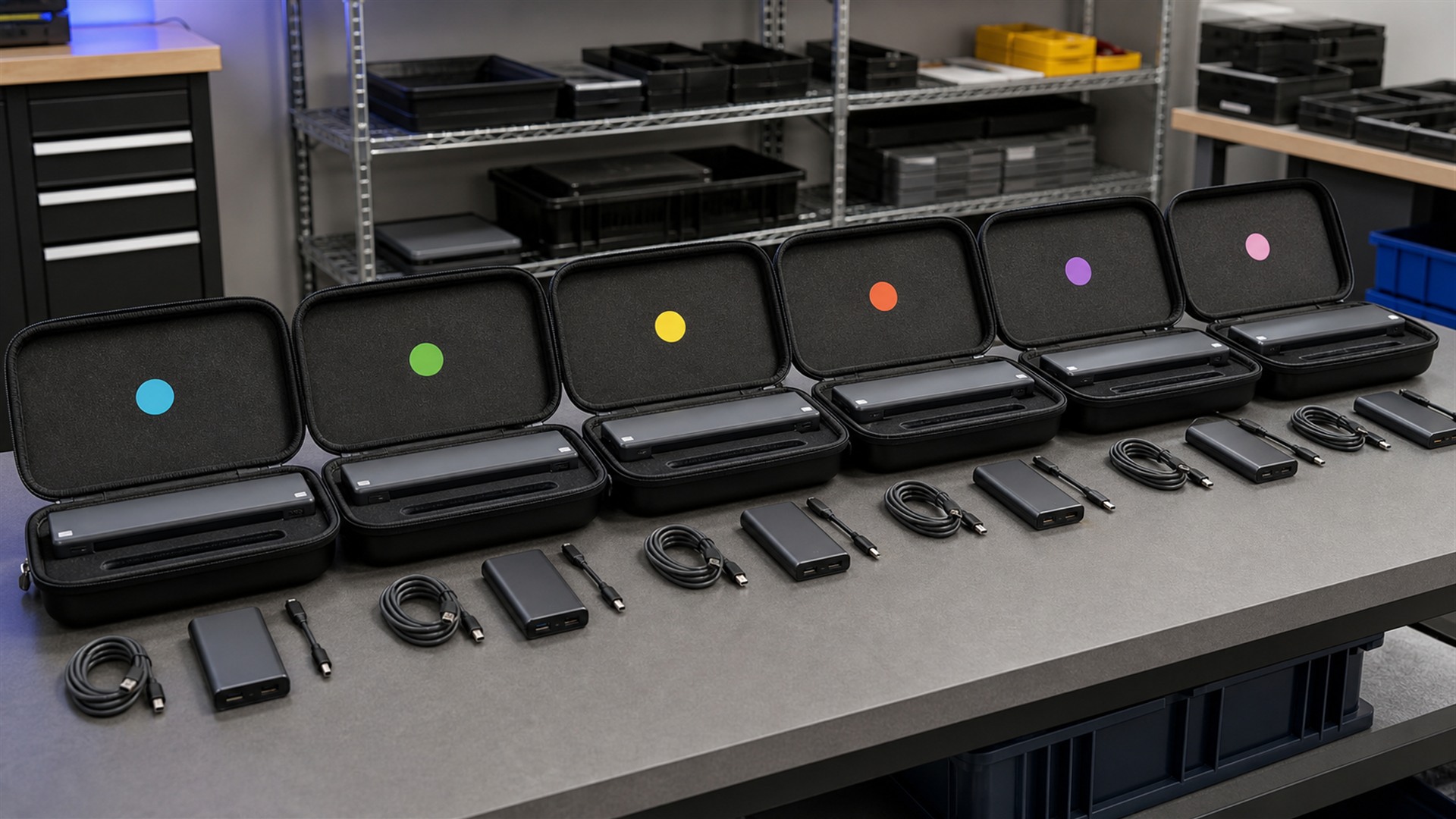
Startup equipment should make a small team productive without locking scarce cash into unnecessary specifications or unsupported one-off setups. This guide covers role-based requirements, workstations, shared devices, remote kits, security, purchasing, leasing, warranties, inventory, support, growth, resale, and replacement.

BusinessBusiness Equipment

How to Choose Business Equipment for Conference Rooms

Conference-room equipment should let people start meetings quickly and help remote participants see, hear, and contribute without constant technical intervention. This guide covers room assessment, displays, cameras, microphones, speakers, connectivity, control, acoustics, accessibility, security, deployment, support, and lifecycle planning.

BusinessBusiness Equipment

How to Choose Business Equipment for Remote Teams

Remote-team equipment should create dependable work conditions across homes and locations without requiring every employee to become technical support. This guide covers role-based kits, ergonomics, connectivity, video and audio, security, shipping, setup, inventory, troubleshooting, replacement, and employee departures.

BusinessBusiness Equipment

Business Equipment Buying Guide for Small Offices

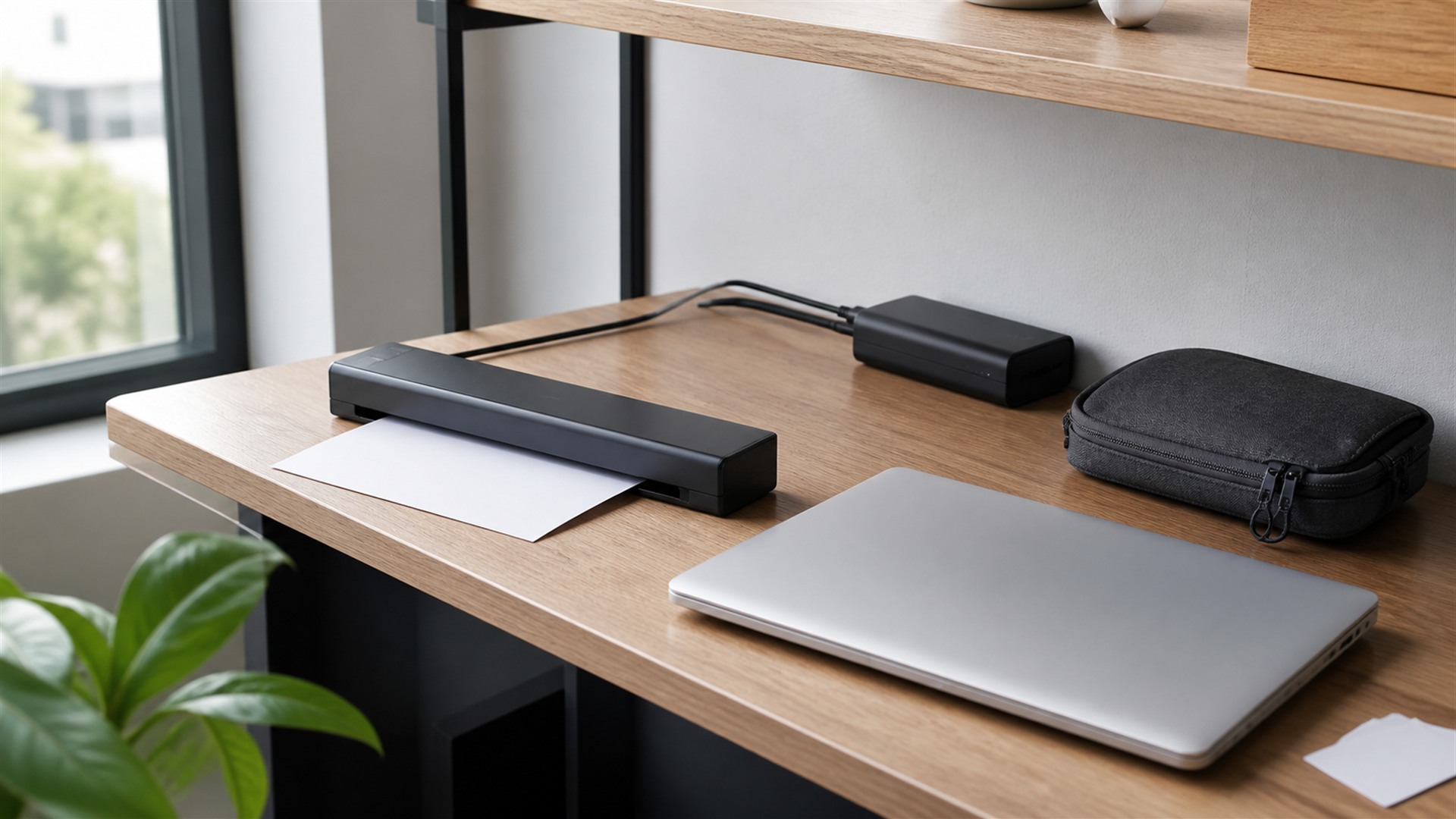
Small offices need equipment that supports several roles within limited space, power, network, storage, and support capacity. This guide covers workstations, shared devices, ergonomics, connectivity, noise, power protection, security, supplies, maintenance, deployment, and growth without clutter or fragile one-off setups.