Gusto vs ADP Workforce Now: Which Benefits Administration Services Is Better?
Gusto and ADP Workforce Now are compared on management model, feature depth, deployment fit, cost, support ownership, user experience, upgrade timing, and business fit.

Reviews You Can Trust
Gusto and ADP Workforce Now are compared on management model, feature depth, deployment fit, cost, support ownership, user experience, upgrade timing, and business fit.
This buyer-first guide explains how merchandising workflow teams should evaluate retail display tables across workflow, user fit, specifications, mistakes, delivery models, compatibility, support, recovery, and lifecycle cost. It emphasizes realistic testing and accountable ownership rather than feature count.
Rippling and Zenefits are compared on management model, feature depth, deployment fit, cost, support ownership, user experience, upgrade timing, and business fit.
This buyer-first guide explains how volume and throughput teams should evaluate retail display tables across workflow, user fit, specifications, mistakes, delivery models, compatibility, support, recovery, and lifecycle cost. It emphasizes realistic testing and accountable ownership rather than feature count.
Gusto and Zenefits are compared on management model, feature depth, deployment fit, cost, support ownership, user experience, upgrade timing, and business fit.
Gusto and Rippling are compared on management model, feature depth, deployment fit, cost, support ownership, user experience, upgrade timing, and business fit.
This buyer-first guide explains how general selection teams should evaluate retail display tables across workflow, user fit, specifications, mistakes, delivery models, compatibility, support, recovery, and lifecycle cost. It emphasizes realistic testing and accountable ownership rather than feature count.
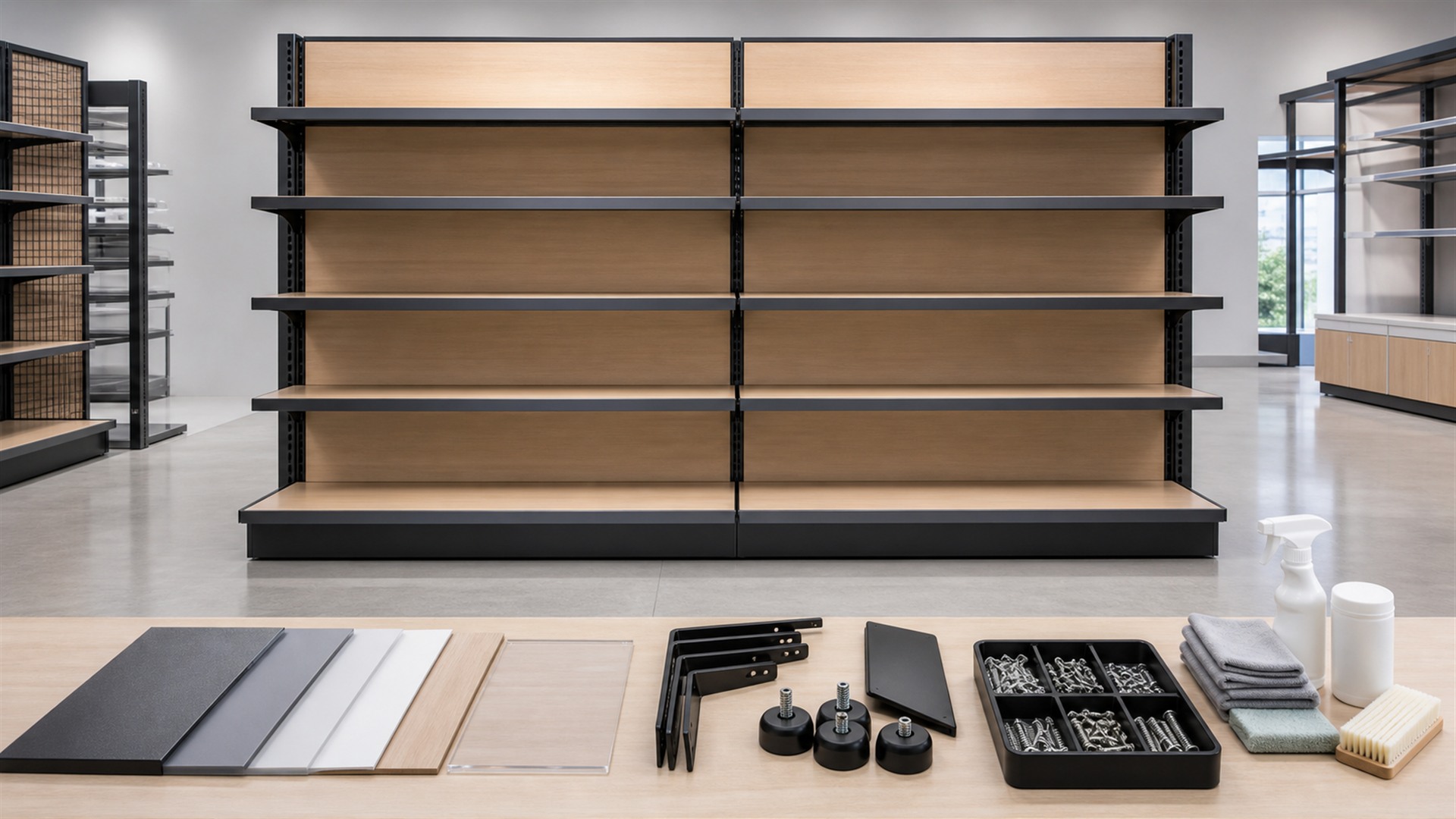
This buyer-first guide explains how multi-location deployment teams should evaluate retail display shelving across workflow, user fit, specifications, mistakes, delivery models, compatibility, support, recovery, and lifecycle cost. It emphasizes realistic testing and accountable ownership rather than feature count.
This buyer-first guide explains how accuracy teams should evaluate retail display shelving across workflow, user fit, specifications, mistakes, delivery models, compatibility, support, recovery, and lifecycle cost. It emphasizes realistic testing and accountable ownership rather than feature count.
This buyer-first guide explains how daily use teams should evaluate retail display shelving across workflow, user fit, specifications, mistakes, delivery models, compatibility, support, recovery, and lifecycle cost. It emphasizes realistic testing and accountable ownership rather than feature count.
This buyer-first guide explains how maintenance costs teams should evaluate retail display shelving across workflow, user fit, specifications, mistakes, delivery models, compatibility, support, recovery, and lifecycle cost. It emphasizes realistic testing and accountable ownership rather than feature count.
This buyer-first guide explains how space and setup teams should evaluate retail display shelving across workflow, user fit, specifications, mistakes, delivery models, compatibility, support, recovery, and lifecycle cost. It emphasizes realistic testing and accountable ownership rather than feature count.