Compression RecoveryHealthRecovery & Therapy

What Makes Compression Recovery Different from Muscle Recovery Tools

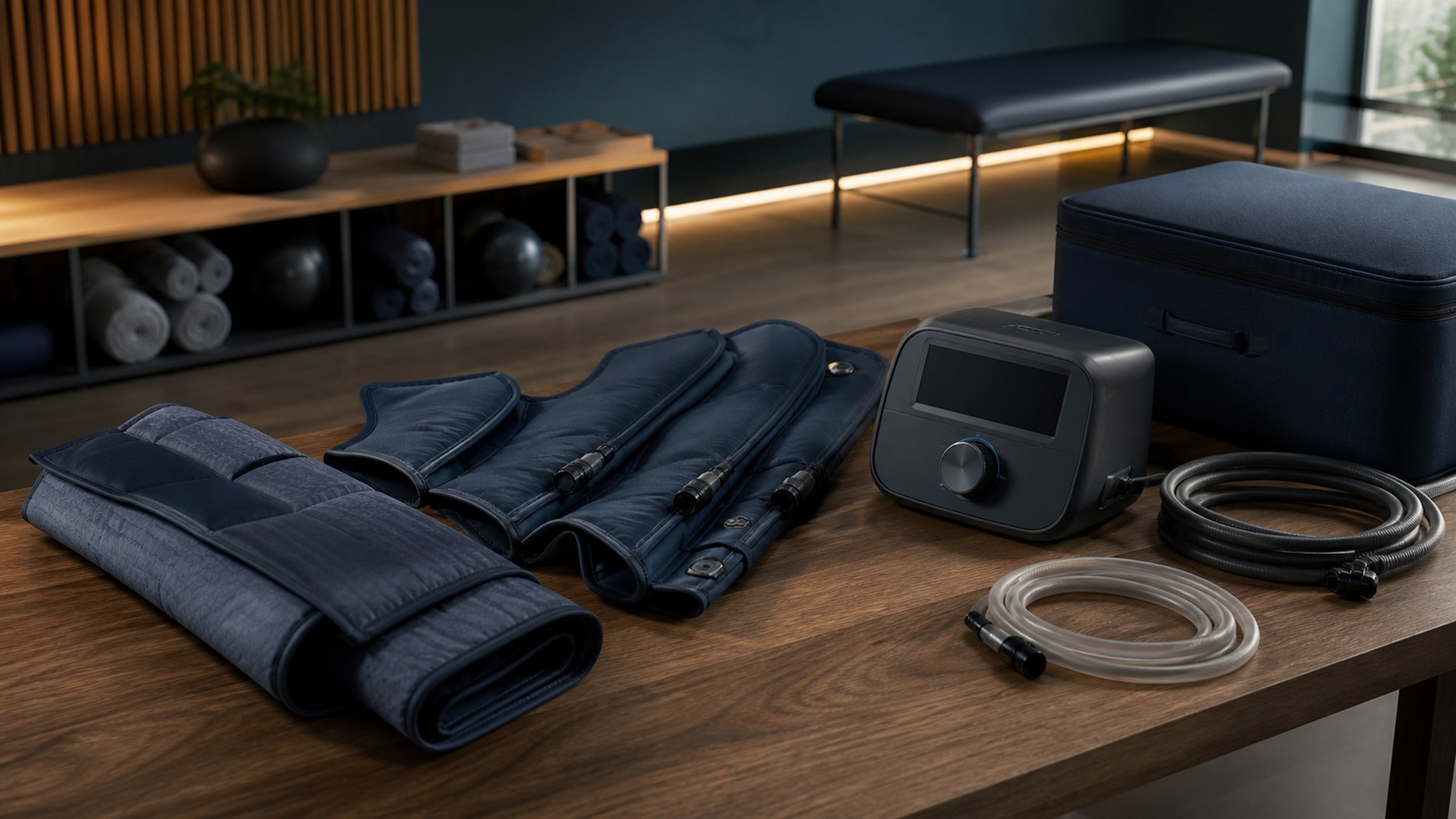
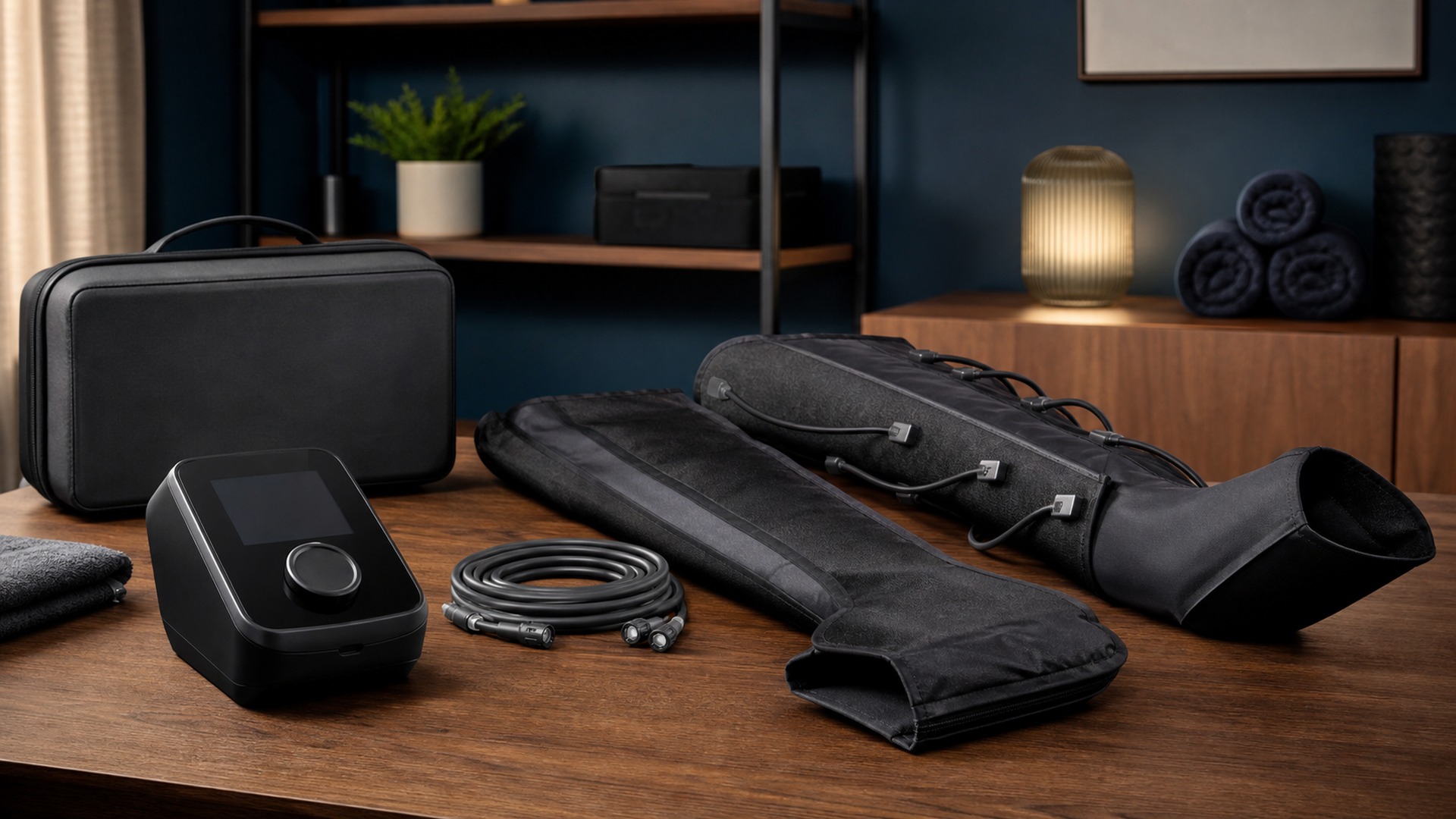
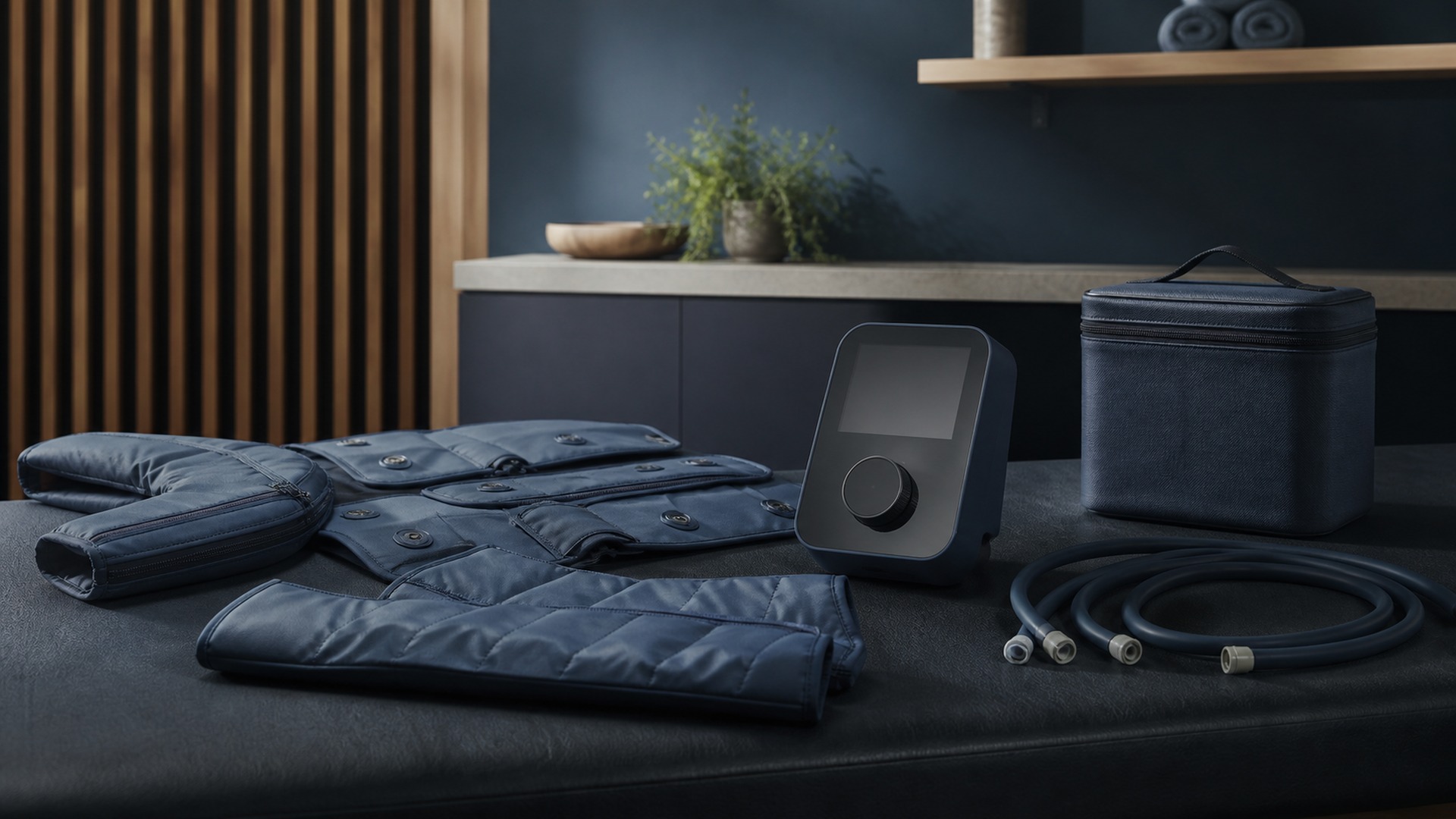
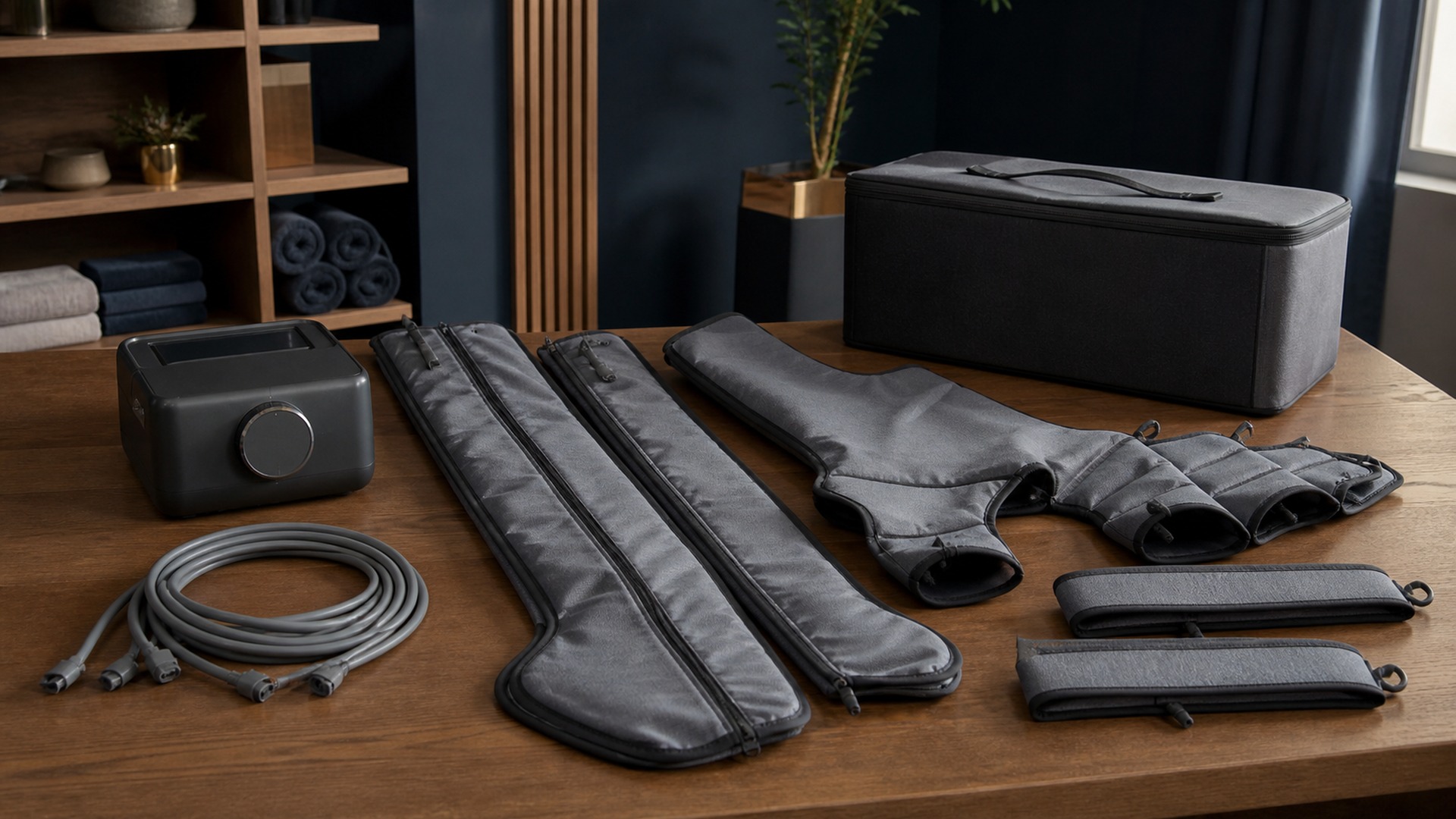
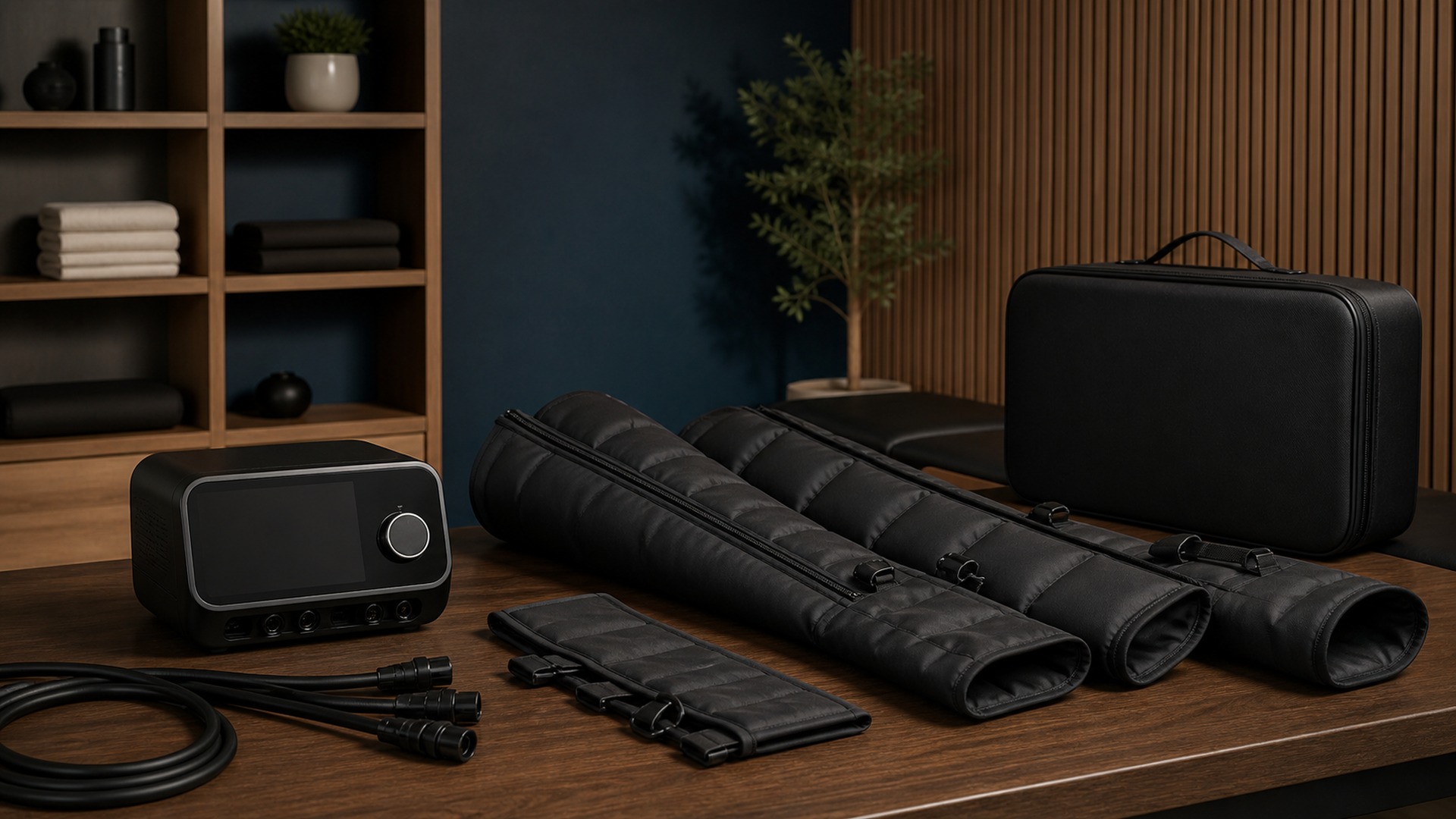
Compression recovery has a defined garment, pressure, and chamber pathway; the muscle-recovery category also includes thermal, mobility, massage, and self-care tools with different mechanisms. The useful distinction begins with different mechanisms. For compression recovery, examine compression and recovery; for muscle recovery tools, examine muscle and recovery. Secondary features deserve weight once the intended outcome is settled.
Compression RecoveryHealthRecovery & Therapy

What Makes Compression Recovery Different from Massage Therapy Devices

Pneumatic recovery systems inflate fitted chambers in a sequence, while massage devices deliver percussion, vibration, rolling, or kneading through a moving attachment or surface. Choosing well requires attention to different mechanisms. For compression recovery, examine compression and recovery; for massage therapy devices, examine massage and therapy. Extra capabilities come later, after the practical objective is established.

Compression RecoveryHealthRecovery & Therapy

When to Use Compression Recovery Instead of Heat & Infrared Therapy

Compression is selected for a defined pressure based purpose heat and infrared products instead transfer thermal energy and are controlled by temperature distance skin response and burn risk The word instead makes this a use case decision not a comparison of feature quantity A situation favors compression recovery when the required job is to Compression Recovery products apply fitted static or sequential external pressure.

Compression RecoveryHealthRecovery & Therapy

When to Use Compression Recovery Instead of Cold Therapy Devices

Compression applies an external pressure sequence to a fitted limb whereas cold therapy removes heat from a selected area and uses different timing sensation and circulation precautions The word instead makes this a use case decision not a search for the longest specification list A situation favors compression recovery when the required job is to Compression Recovery products apply fitted static or sequential external.

Compression RecoveryHealthRecovery & Therapy

Why Compression Recovery Compression Recovery Daily Routine Matters

For compression recovery, a sound approach must inspect fabric, tubing, and connectors, confirm fit, begin at the prescribed or lowest suitable setting, monitor skin and sensation, end on time, clean contact surfaces, and reassess swelling or symptoms. This review works through the ongoing routine. It uses compression, recovery, and apply to explain what changes the outcome, where uncertainty enters, and which response is proportionate.

Compression RecoveryHealthRecovery & Therapy

Why Compression Recovery Compression Recovery Measurement Context Matters

For compression recovery, a sound approach must match garment size, chamber sequence, pressure setting, session duration, limb position, skin response, comfort, swelling pattern, device integrity, and functional response under comparable conditions. This guide focuses on the interpretation of results. It uses compression, recovery, and apply to explain what changes the outcome, where uncertainty enters, and which response is proportionate.

Compression RecoveryHealthRecovery & Therapy

Why Compression Recovery Compression Recovery Health Function Matters

For compression recovery, a sound approach must apply fitted static or sequential external pressure through garments, sleeves, or pneumatic chambers, changing tissue compression and venous or lymphatic fluid movement during a defined session. This review works through the claimed health role. It uses compression, recovery, and apply to explain what changes the outcome, where uncertainty enters, and which response is proportionate.

Compression RecoveryHealthRecovery & Therapy

How Compression Recovery Works

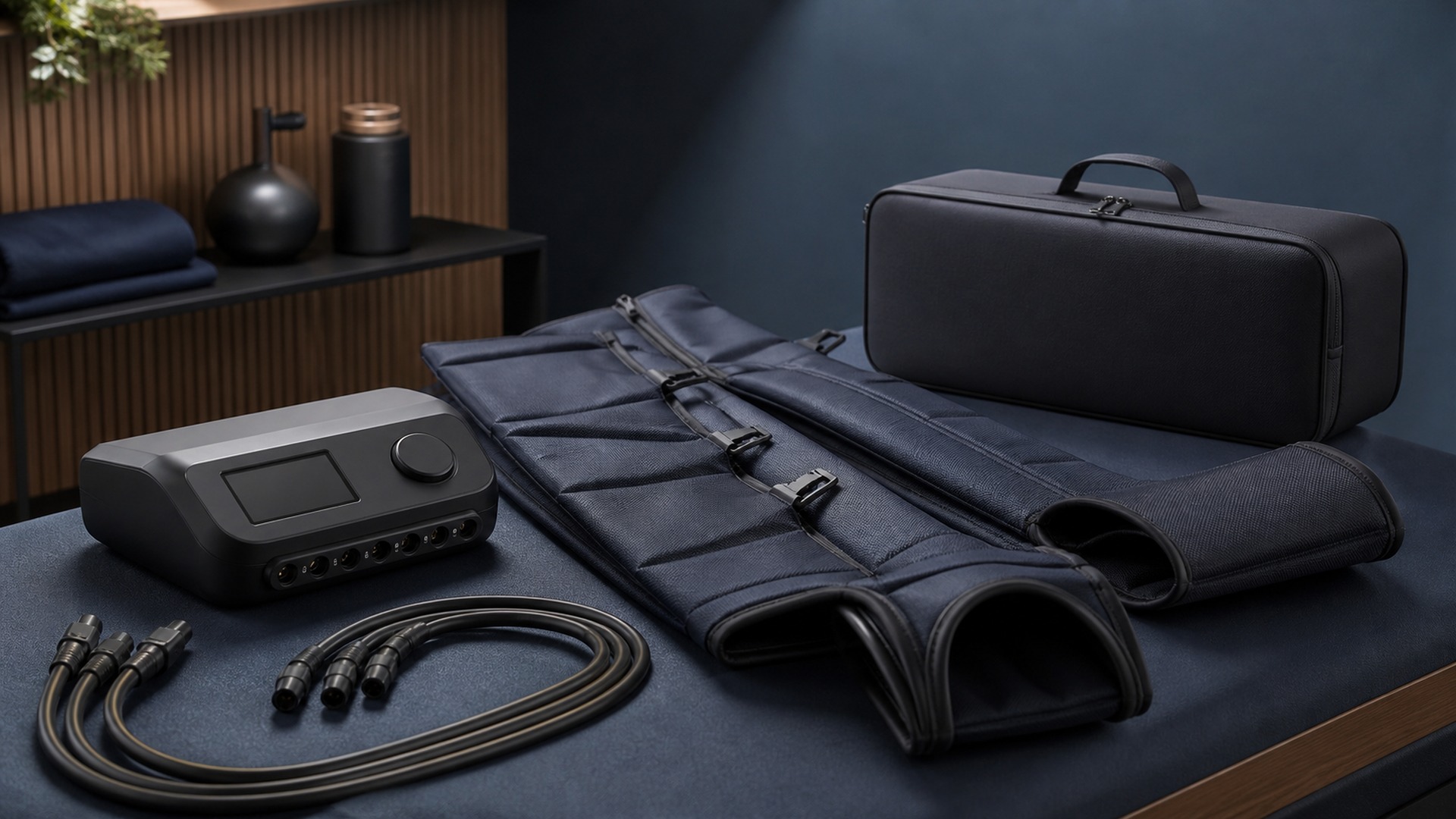
Compression Recovery products apply fitted static or sequential external pressure through garments, sleeves, or pneumatic chambers, changing tissue compression and venous or lymphatic fluid movement during a defined session. This explainer centers on the operating sequence. It uses compression, recovery, and apply to explain what changes the outcome, where uncertainty enters, and which response is proportionate.

Cold Therapy DevicesHealthRecovery & Therapy

What Makes Cold Therapy Devices Different from Muscle Recovery Tools

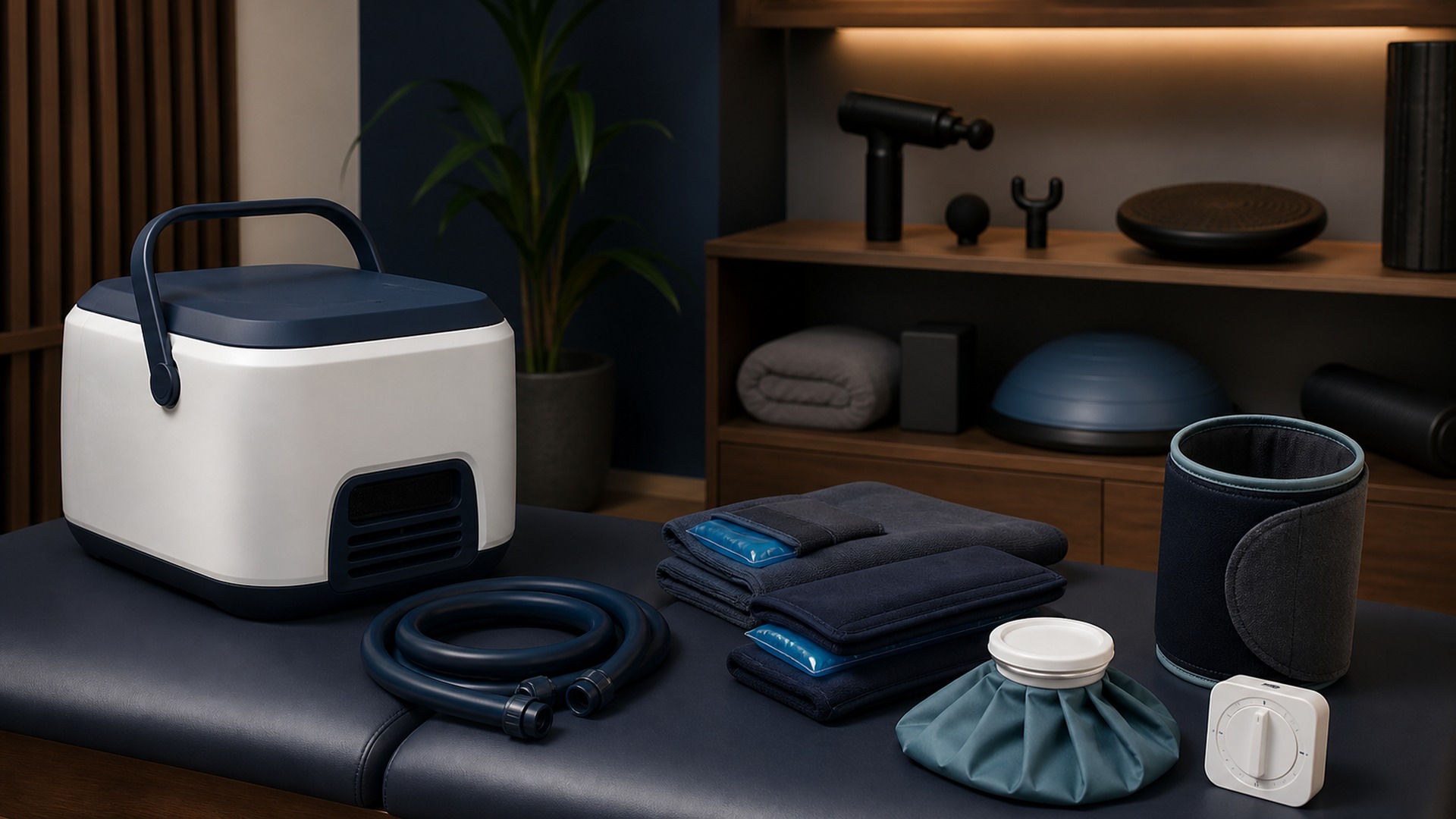
Cold therapy is one temperature-based method governed by insulation, exposure, skin response, and rewarming; muscle recovery tools span several unrelated mechanisms that must be assessed separately. The deciding issue is different mechanisms. For cold therapy devices, examine coolant source and insulating sleeve; for muscle recovery tools, examine muscle and recovery. Conveniences can be compared after the practical objective is established.

Cold Therapy DevicesHealthRecovery & Therapy

What Makes Cold Therapy Devices Different from Massage Therapy Devices

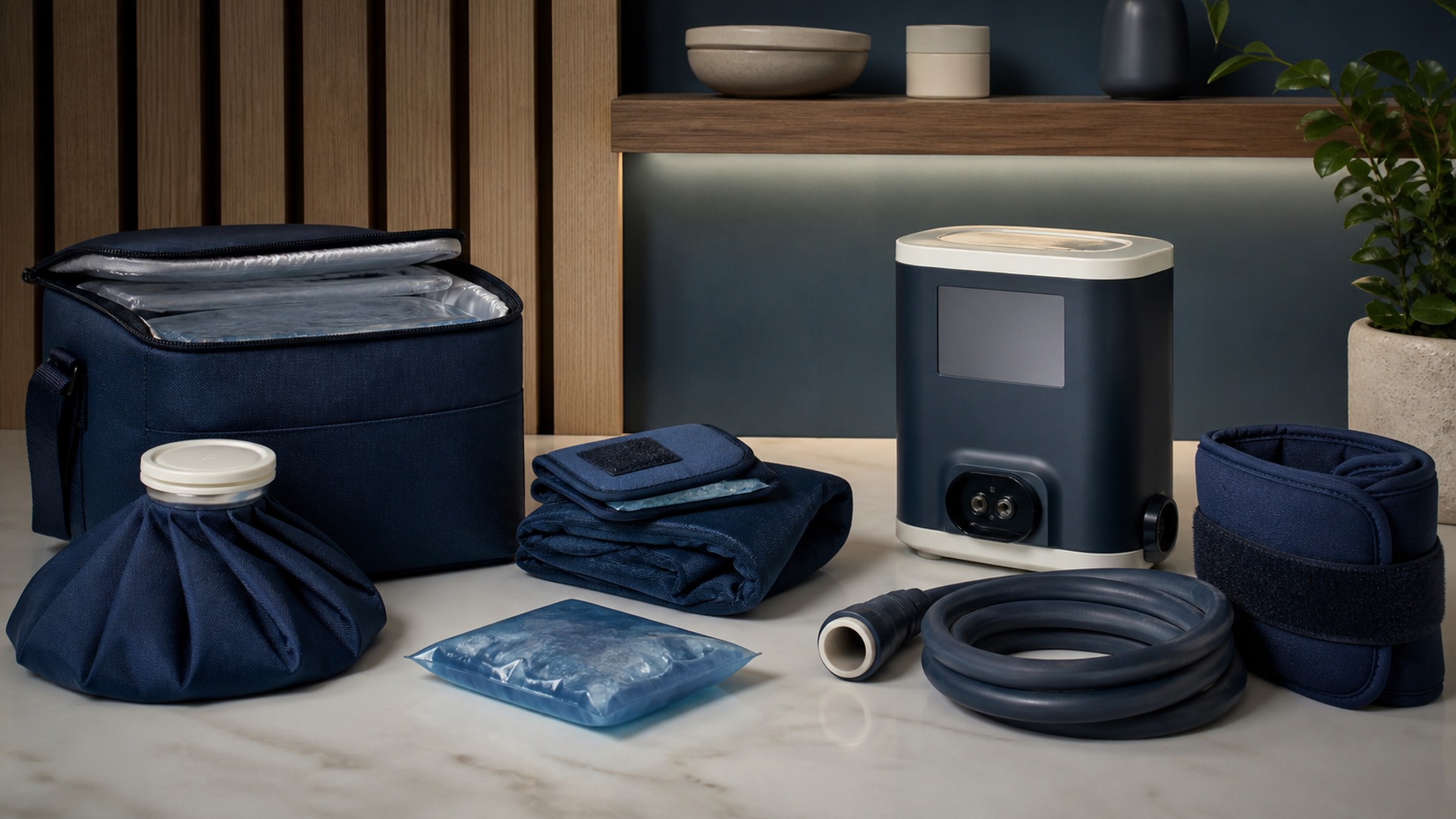
Cold devices are defined by temperature, insulation, leaks, and rewarming, while massage devices are defined by head geometry, speed, amplitude, pressure, placement, and vibration tolerance. A sound choice starts with different mechanisms. For cold therapy devices, examine coolant source and insulating sleeve; for massage therapy devices, examine massage and therapy. Feature lists become useful after the decision has a concrete goal.

Cold Therapy DevicesHealthRecovery & Therapy

When to Use Cold Therapy Devices Instead of Heat & Infrared Therapy

Cold devices lower surface temperature through coolant contact while heat and infrared products add energy their exposure controls and skin hazards point in opposite thermal directions The word instead makes this a use case decision not a search for the longest specification list A situation favors cold therapy devices when the required job is to use gel A situation favors heat infrared therapy when.