HealthSleep

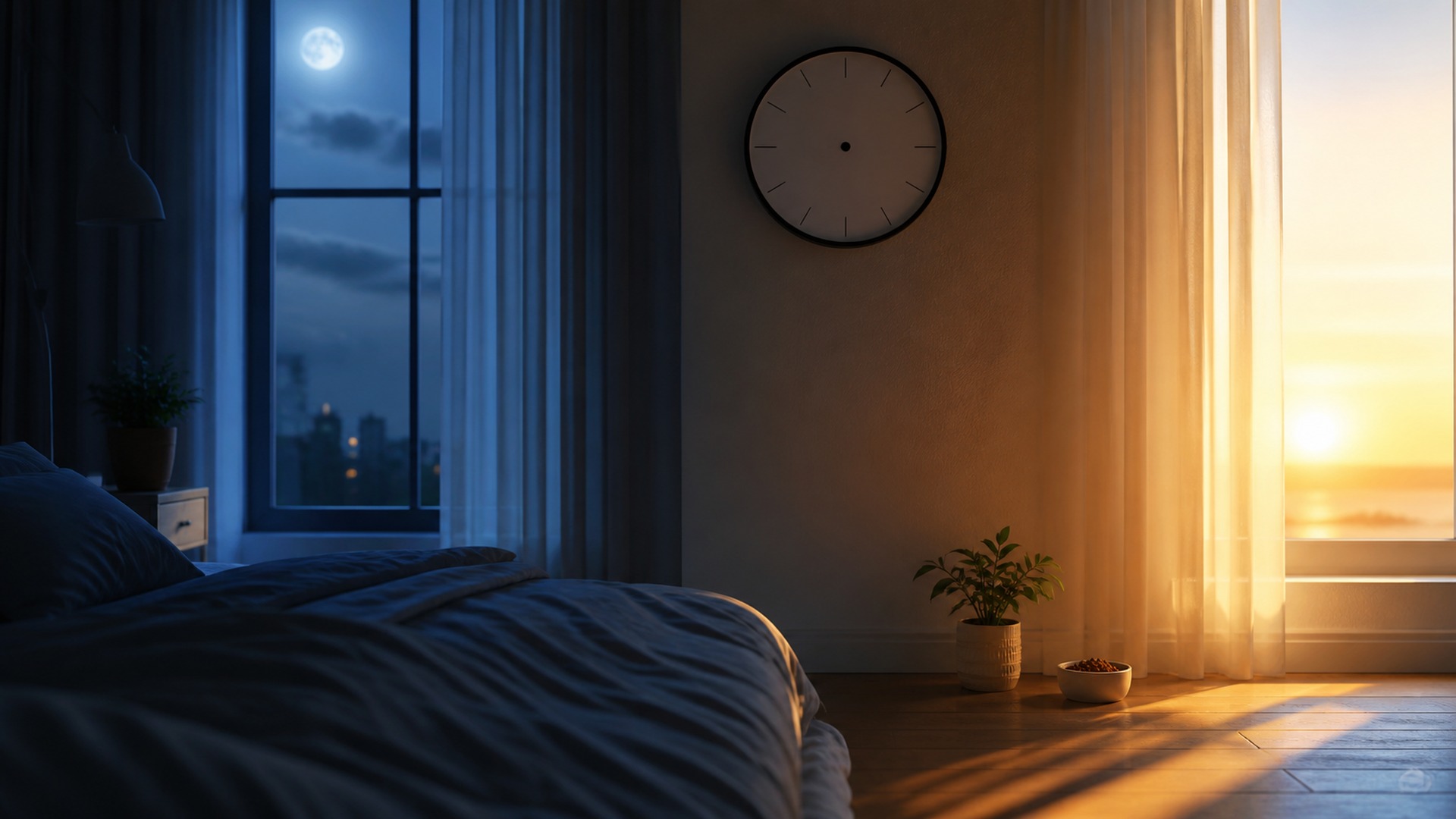
Why Circadian Rhythms Matter

Circadian rhythms are roughly 24-hour biological timing patterns coordinated by internal clocks and adjusted mainly by light, with additional influence from activity and meals. This guide explains the mechanism, decision variables, practical limits, myths, and checks that matter when evaluating the topic.

HealthSleep

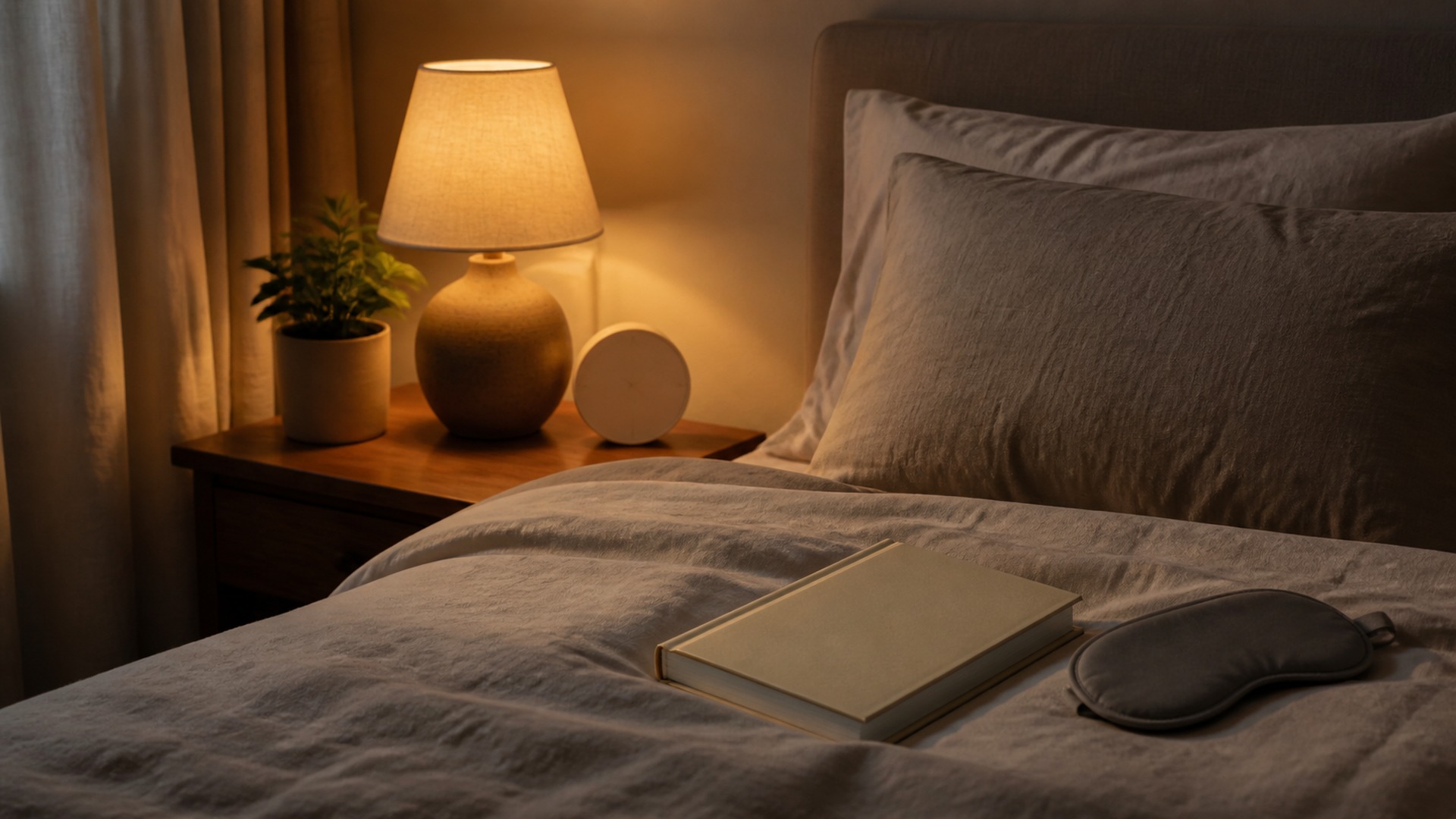
Why Sleep Recovery Matters

Sleep supports recovery through recurring stages associated with memory processing, metabolic regulation, immune activity, tissue repair, and restoration of alertness and performance. This guide explains the mechanism, decision variables, practical limits, myths, and checks that matter when evaluating the topic.
HealthSleep

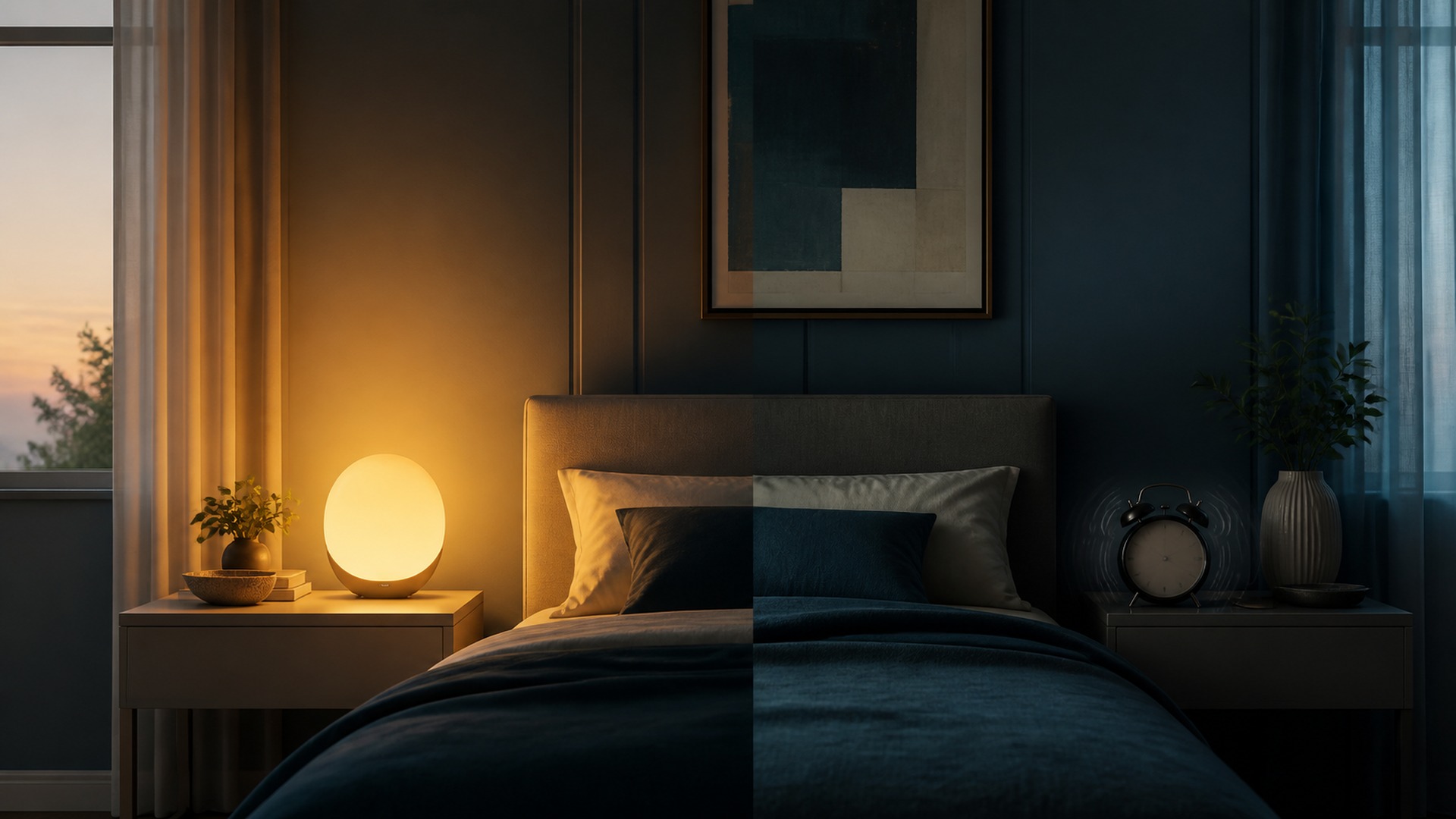
Why Sleep Hygiene Matters

Sleep hygiene is the set of behavioral and environmental practices that support regular sleep timing, adequate opportunity, lower evening stimulation, and a consistent sleep setting. This guide explains the mechanism, decision variables, practical limits, myths, and checks that matter when evaluating the topic.
HealthSleep

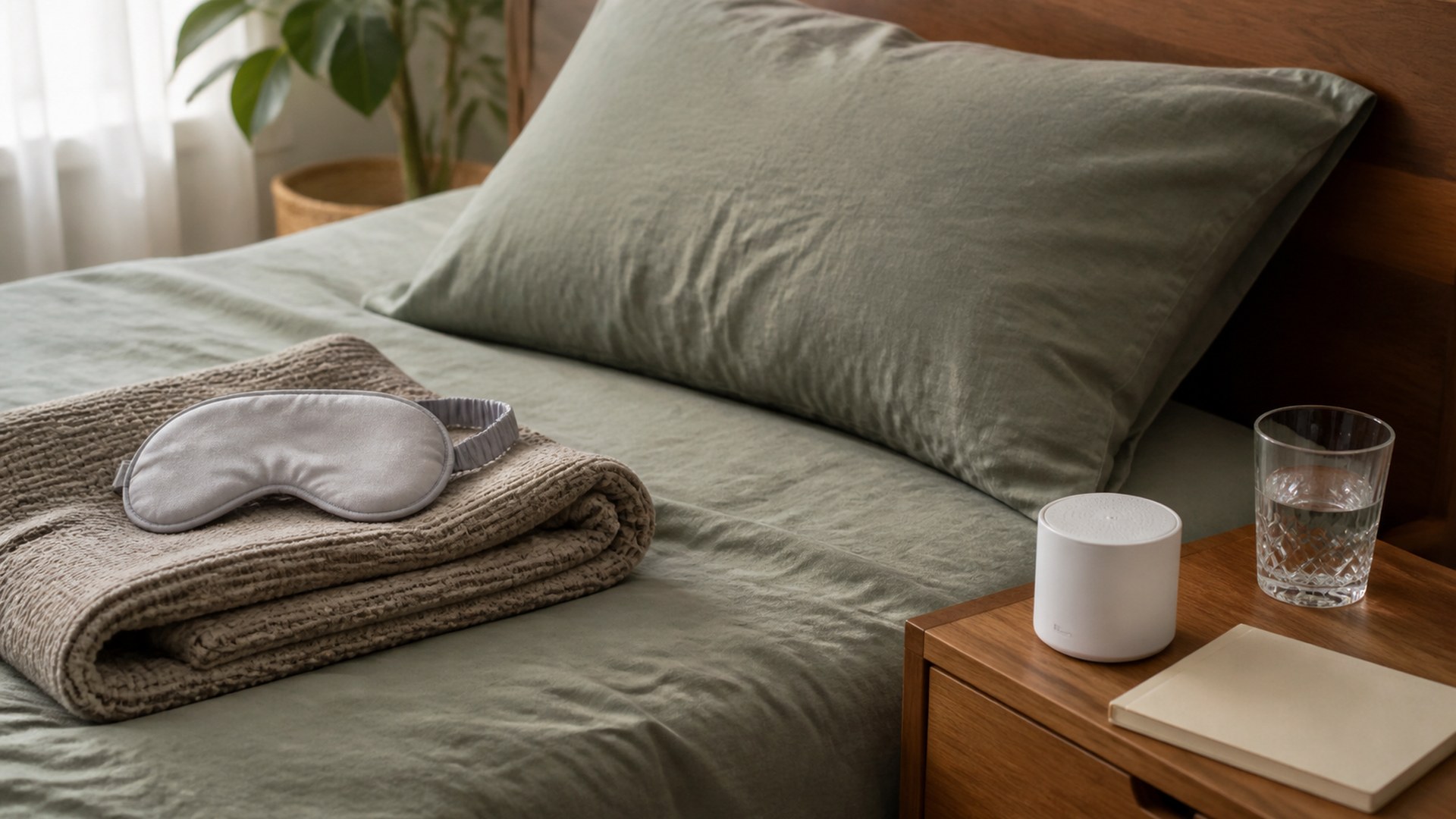
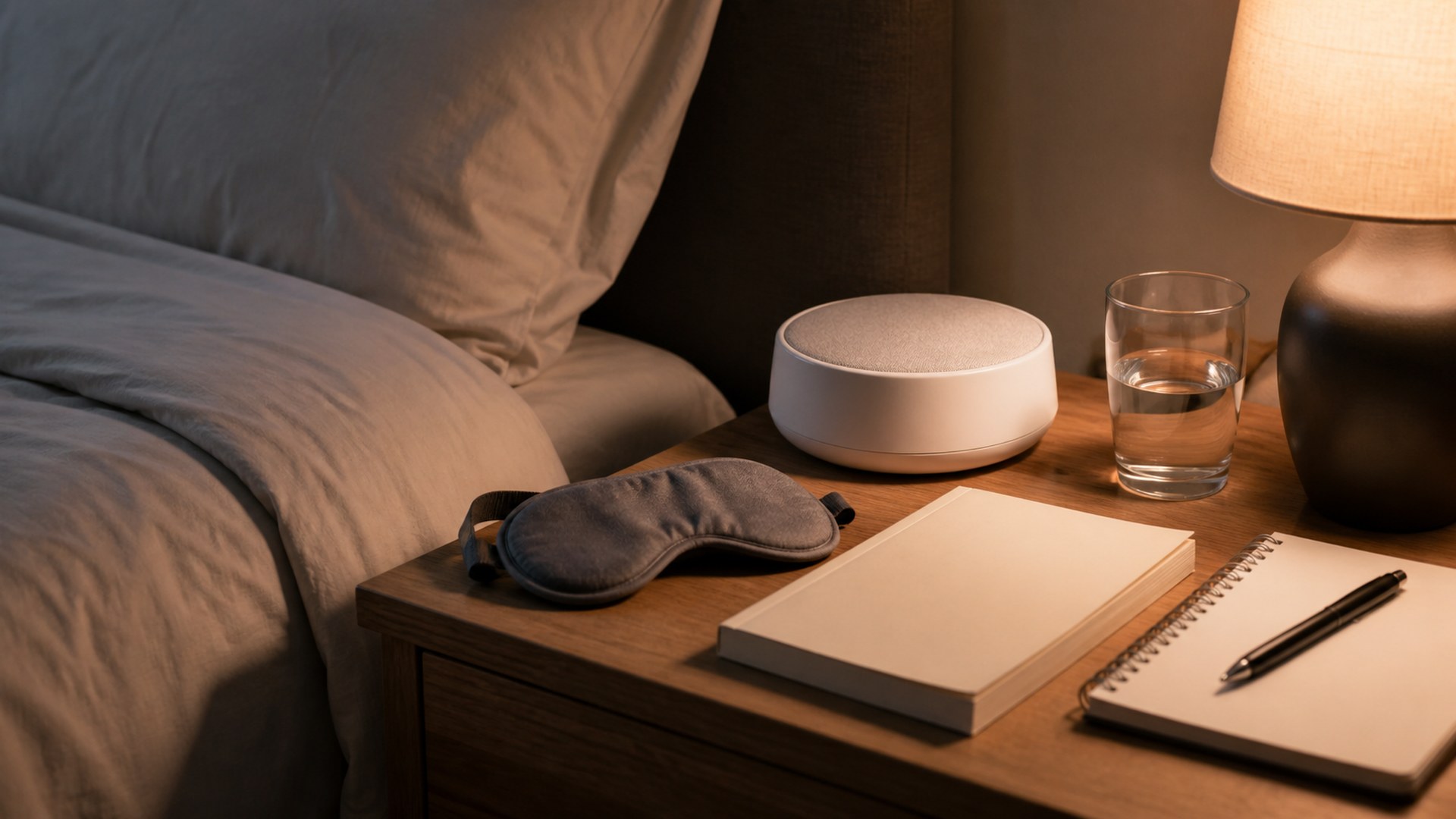
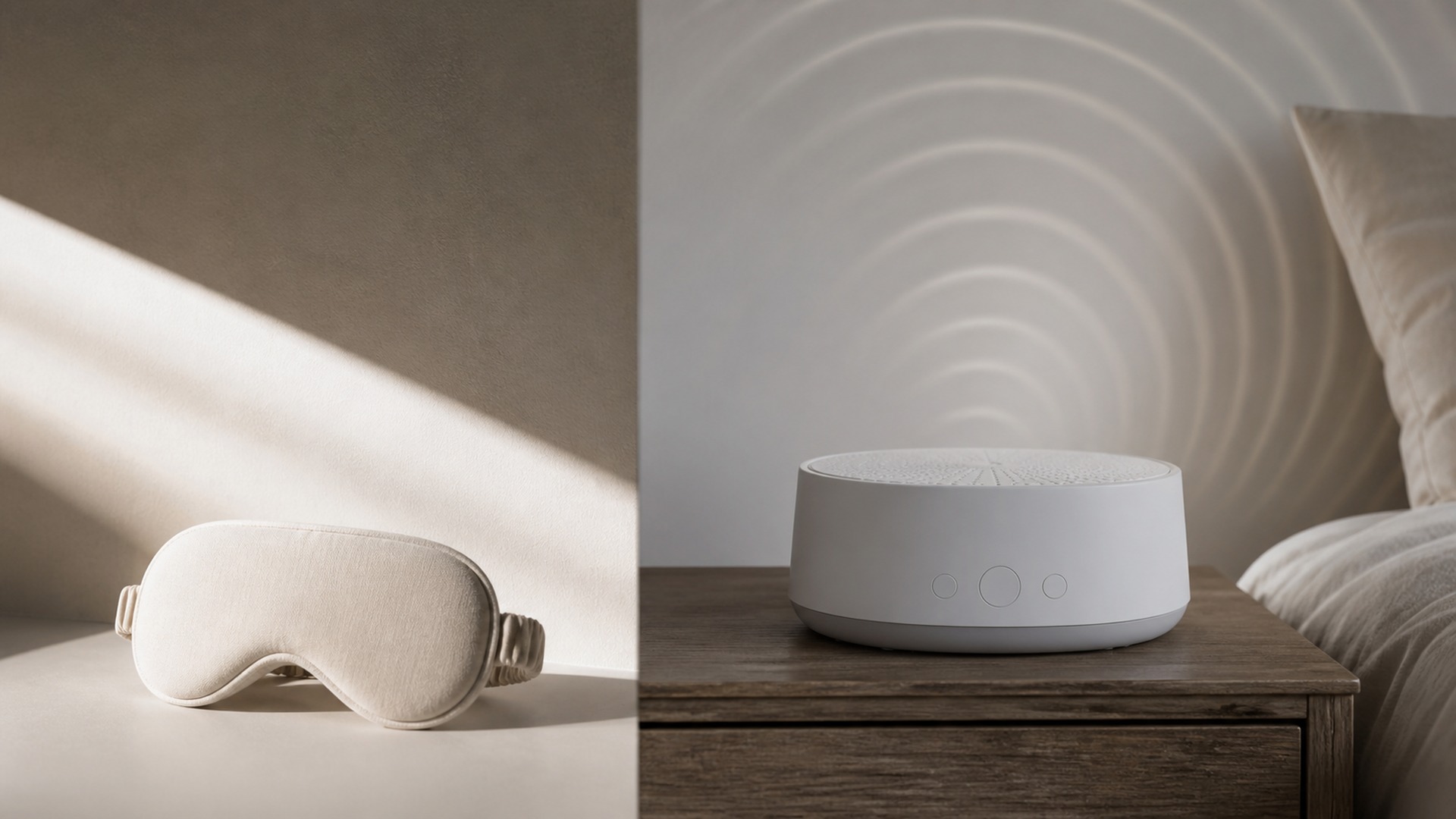
What Makes Sleep Masks Different from White Noise Machines

Sleep masks reduce light reaching the eyes, while white-noise machines add a steady acoustic background that can reduce the contrast of intermittent sounds. This guide explains the mechanism, decision variables, practical limits, myths, and checks that matter when evaluating the topic.
HealthSleep

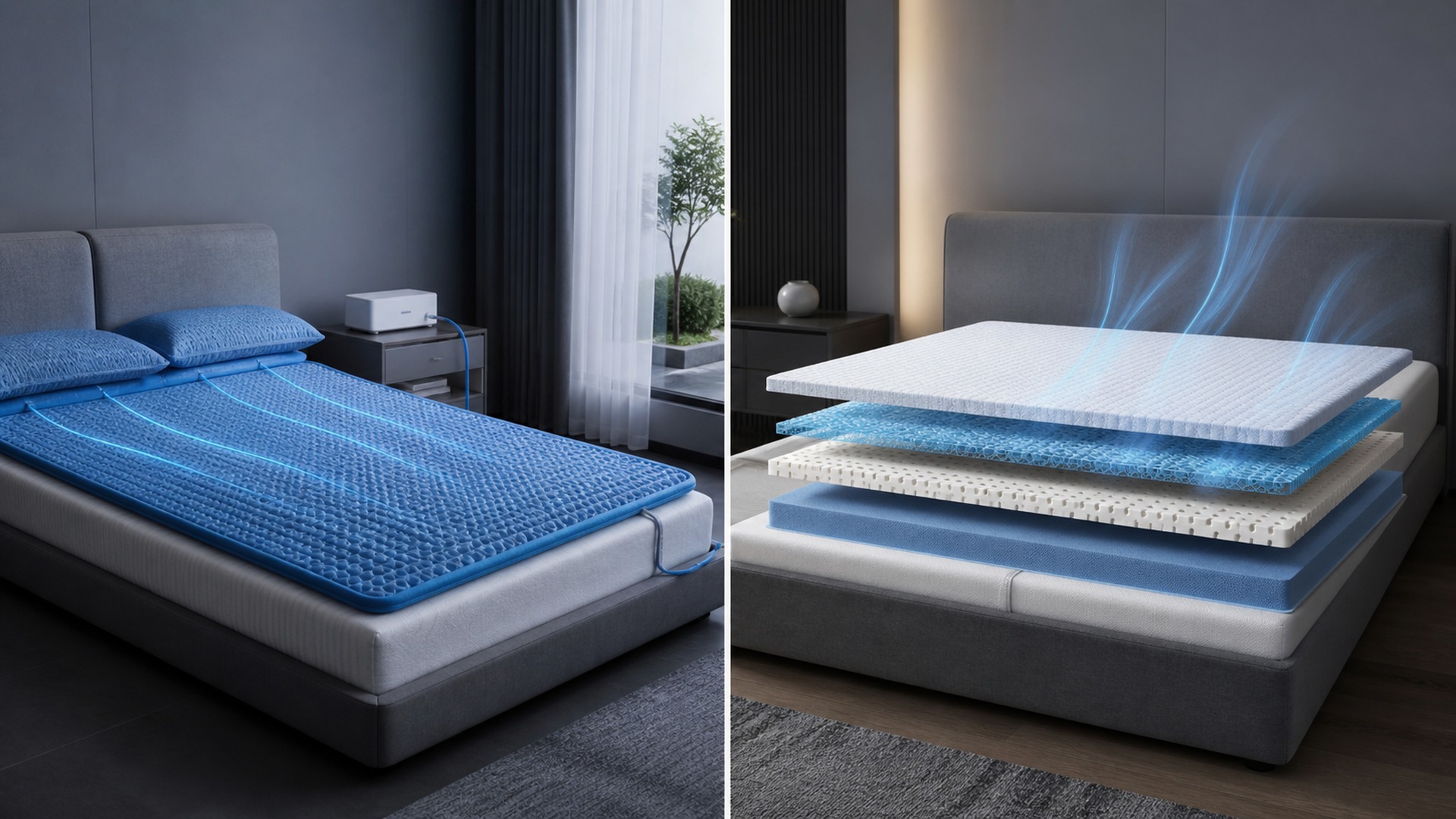
What Makes Cooling Sleep Systems Different from Cooling Mattresses

Active cooling systems circulate air or liquid and regulate output, while cooling mattresses rely mainly on material breathability, heat capacity, phase change, and passive airflow. This guide explains the mechanism, decision variables, practical limits, myths, and checks that matter when evaluating the topic.
HealthSleep

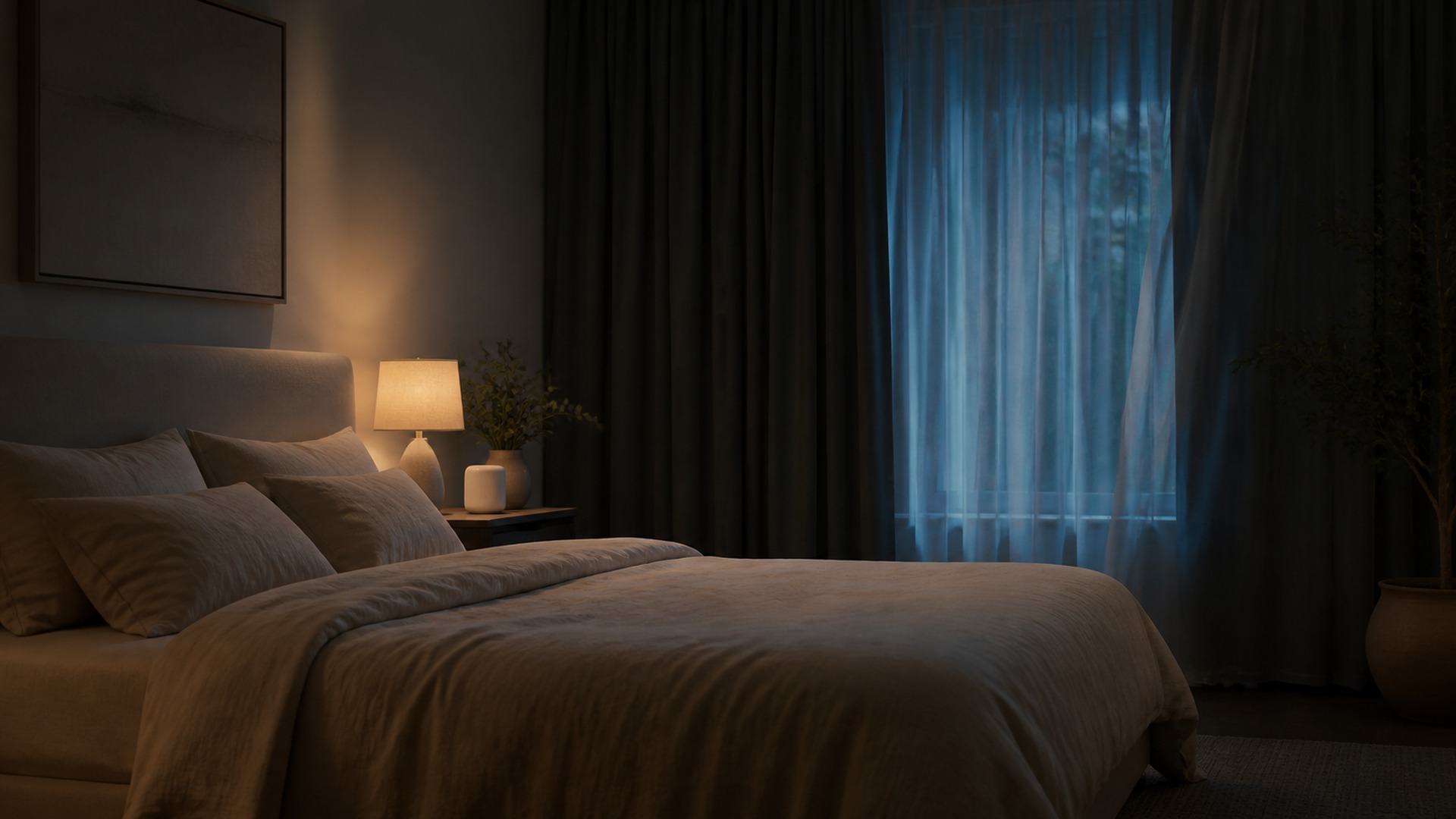
Why Sleep Environment Matters

A sleep environment influences light exposure, sound, temperature, comfort, air conditions, and interruptions that can either support or conflict with regular sleep timing. This guide explains the mechanism, decision variables, practical limits, myths, and checks that matter when evaluating the topic.
HealthSleep

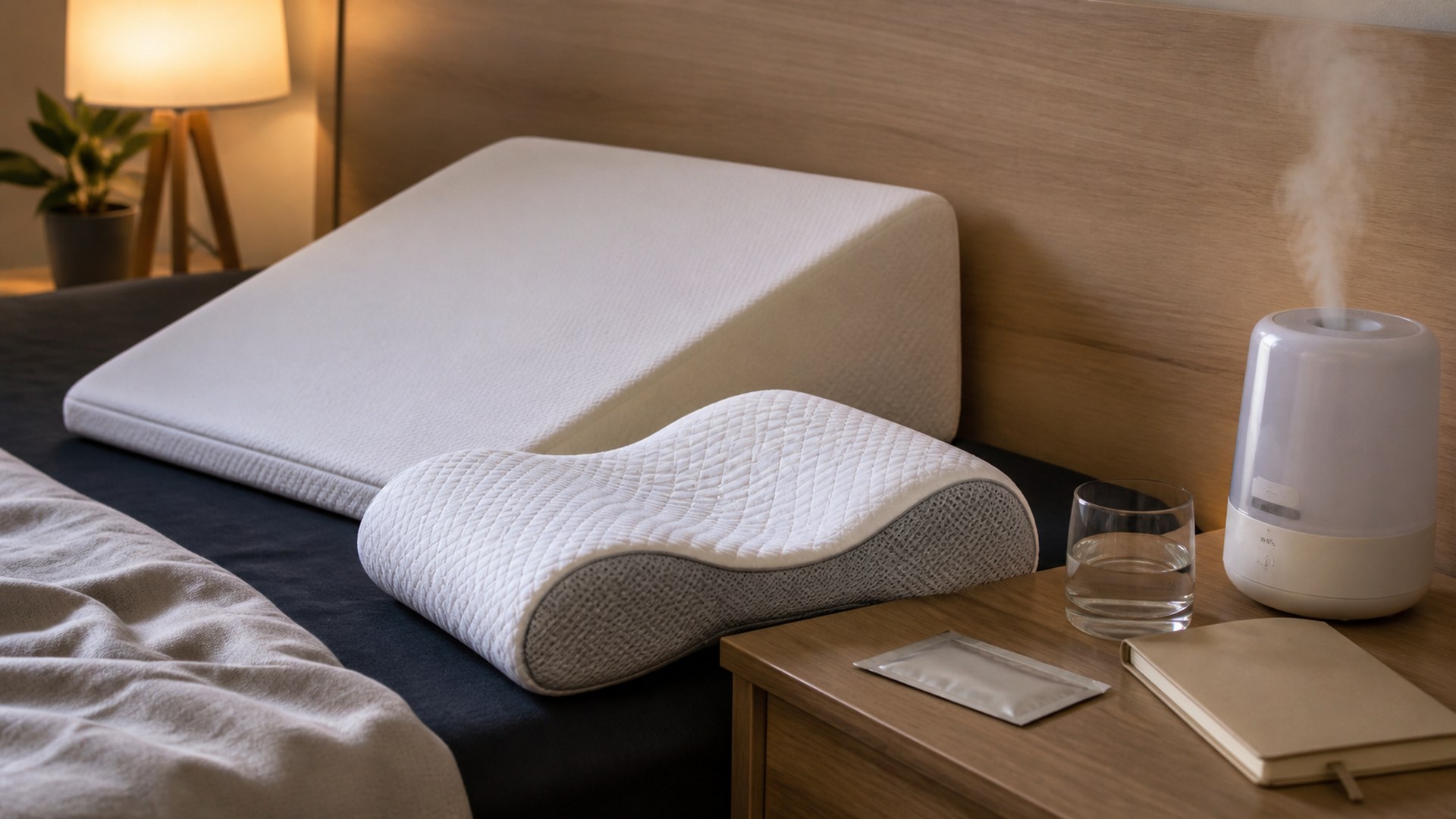
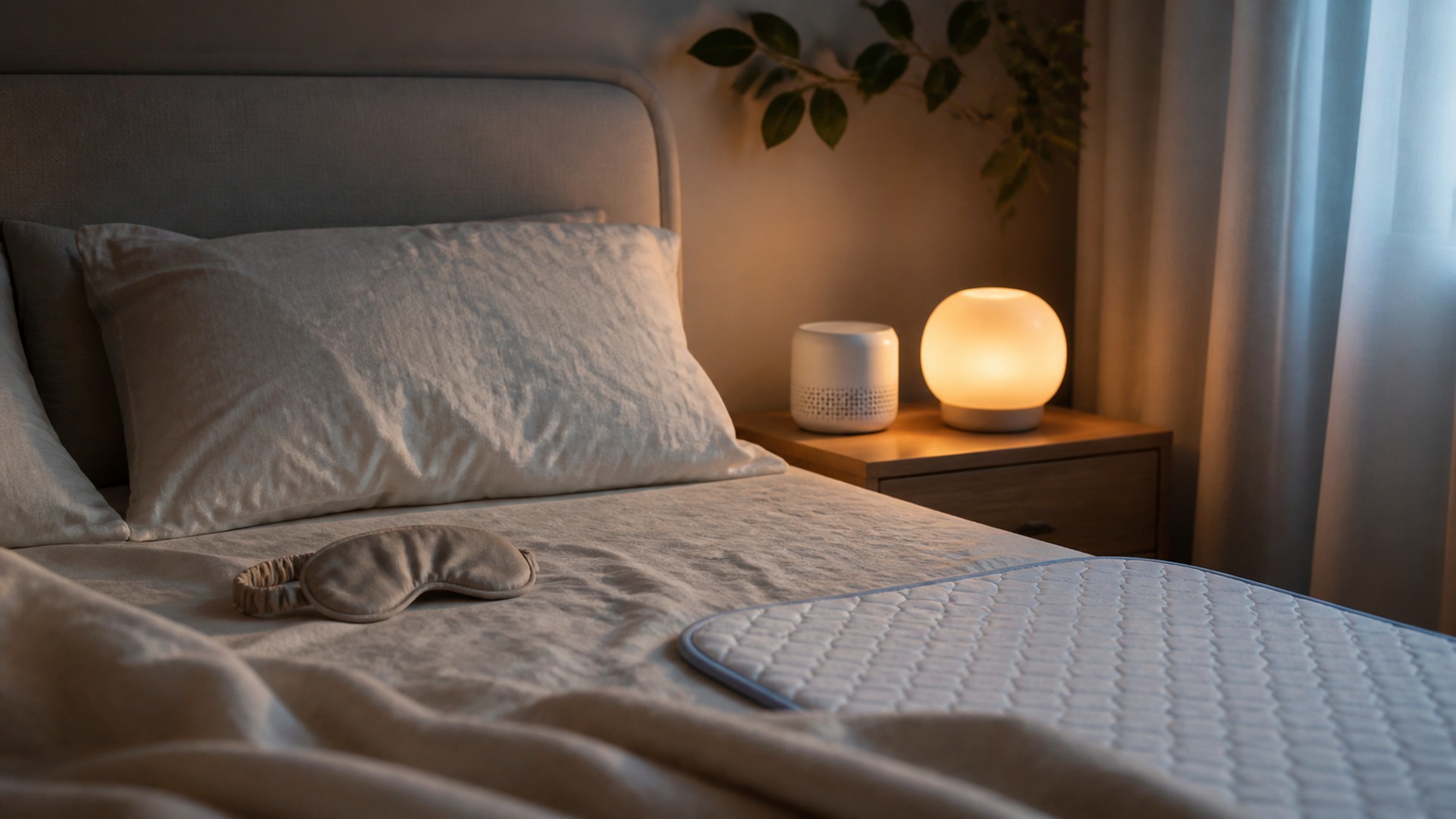
How Sleep Products Works

Sleep products change environmental light, sound, temperature, pressure distribution, timing cues, or monitoring feedback; each pathway addresses a different obstacle to sleep. This guide explains the mechanism, decision variables, practical limits, myths, and checks that matter when evaluating the topic.