Cisco Meraki MX68 vs Palo Alto PA-440: Which Network Security Appliances Is Better?

Cisco Meraki MX68 and Palo Alto PA-440 can both make sense for businesses, but they fit different operating models. This comparison weighs threat prevention, firewall policy, SD-WAN, VPN, reporting, centralized management, licensing, lifecycle fit, hardware connectivity, and branch security risk, support expectations, cost shape, and which buyer should choose each option.

By: Review Streets Research Lab
Updated: September 4, 2026
Approx. 10-12 min read
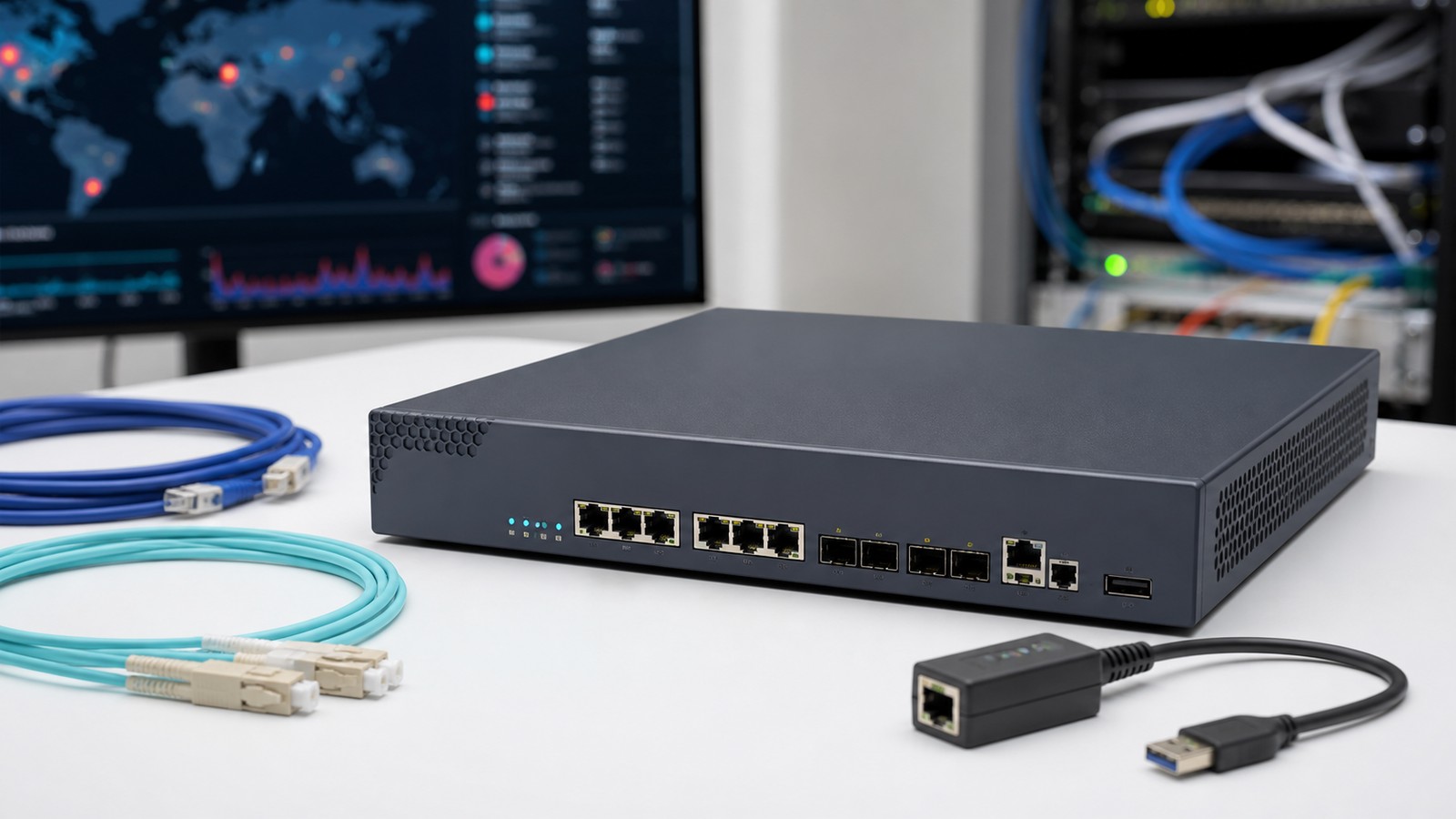
Cisco Meraki MX68 vs Palo Alto PA-440 business comparison image

Head-to-head

Cisco Meraki MX68 vs Palo Alto PA-440: Which Network Security Appliances Is Better?

A practical A/B look at Cisco Meraki MX68 and Palo Alto PA-440, focused on threat prevention, firewall policy, SD-WAN, VPN, reporting, centralized management, licensing, lifecycle fit, hardware connectivity, and branch security risk, cost, support, deployment fit, and long-term ownership.

Cisco Meraki MX68 comparison image

Cisco Meraki MX68

Cisco Meraki MX68 is stronger when the business wants Meraki Dashboard management, AutoVPN, SD-WAN, stateful firewalling, threat controls, content filtering, dual WAN planning, and simple multi-site security operations.

Score 8.7 Best for cloud-managed security and AutoVPN branches Focus cloud-managed Why buy Fit
  • Meraki Dashboard management
  • AutoVPN and SD-WAN
  • Cloud-managed threat controls
VS
Palo Alto PA-440 comparison image

Palo Alto PA-440

Palo Alto PA-440 is stronger when the business wants a PA-400 Series next-generation firewall with PAN-OS policy controls, ML-powered threat prevention, App-ID and User-ID inspection, branch-edge visibility, and enterprise security operations fit.

Score 9.0 Best for ML-powered NGFW policy control at branch edge Focus ML-powered Why buy Fit
  • ML-powered NGFW controls
  • App-ID and User-ID policy
  • Branch-edge security visibility
Metric
Meraki MX68
Palo Alto PA-440
Winner
Firewall and threat prevention
Stateful firewalling, AMP, IDS/IPS, content filtering, and cloud-applied security policy
ML-powered NGFW, App-ID, User-ID, threat prevention, and application-level policy control
Palo Alto PA-440
SD-WAN and VPN
AutoVPN, SD-WAN, dual WAN, WAN failover, and client VPN support
Branch firewall routing and VPN planning with stronger security-policy depth
Cisco Meraki MX68
Management and reporting
Meraki Dashboard cloud management, templates, alerts, and simple multi-site visibility
PAN-OS operating model, enterprise policy workflows, logs, and Panorama-style operations fit
Cisco Meraki MX68
Hardware and connectivity
Dual WAN, eight LAN ports, two PoE+ LAN ports, and small-branch security capacity
PA-400 branch hardware with management port, traffic ports, and redundant-power option planning
Cisco Meraki MX68
Licensing and lifecycle
Meraki licensing, dashboard access, support, and service-backed cloud operations
Security-subscription planning and enterprise lifecycle controls around PAN-OS operations
Palo Alto PA-440
Deployment fit
Cloud-managed branches that value simple deployment and network-wide visibility
Distributed enterprise branches and midsize businesses needing deep NGFW policy
Palo Alto PA-440
Real-world context
Palo Alto PA-440 wins for the default network security appliances buyer in this matchup. Cisco Meraki MX68 can still be better when management model, licensing model, internal skills, installed ecosystem, or support ownership point another direction.

Why people choose it

  • Meraki Dashboard management
  • AutoVPN and SD-WAN
  • Cloud-managed threat controls

Why people choose it

  • ML-powered NGFW controls
  • App-ID and User-ID policy
  • Branch-edge security visibility
Winner: Palo Alto PA-440 Palo Alto PA-440 is the stronger default for the buyer profile in this comparison, while Cisco Meraki MX68 can be better when its operating model matches the team, budget, and support plan.
Read FAQs

Deep dive

What actually matters in this matchup

The Meraki MX68 versus Palo Alto PA-440 decision depends on management fit, deployment reality, feature depth, cost shape, support ownership, upgrade timing, and how the system will be maintained after launch across every business location. That keeps rollout planning practical.

Best fit: Cisco Meraki MX68 works best for buyers prioritizing cloud-managed security and AutoVPN branches. Palo Alto PA-440 works best for buyers prioritizing ML-powered NGFW policy control at branch edge. Start with the operating model, team constraints, and support owner before comparing one headline feature.

Management model: Business systems differ most in how they are managed after rollout. Meraki MX68 favors one administration path, while Palo Alto PA-440 favors another. Buyers should choose the system their staff or provider can keep healthy every month. That matters practically.

Feature planning: Feature lists only matter when users, permissions, integrations, devices, and training support them. A stronger platform can disappoint if workflow design, setup ownership, or policy decisions create bottlenecks before teams benefit. That keeps final rollout decisions grounded in practice today.

Deployment reality: Implementation details often decide the better fit. Number porting, device support, user permissions, call flows, reporting access, security policies, integrations, training, and troubleshooting handoffs should be mapped before the system is purchased. That keeps final rollout decisions grounded in practice.

Cost and support: The lower starting price is not always the lower ownership cost. Businesses should compare licenses, support response, add-ons, implementation help, training, renewal terms, and the internal owner responsible for keeping the system stable. That keeps final rollout planning practical today.

Final choice: Palo Alto PA-440 earns the edge because it better matches the default network security appliances buyer described here. Cisco Meraki MX68 remains a strong alternative when its strengths line up with the exact workflow and management expectations. That matters practically.

Methodology

How we evaluated the matchup

This comparison uses current category research and buyer-decision analysis rather than hands-on lab testing.

Scope: This comparison uses official product information, vendor documentation, and buyer workflow analysis. We did not claim hands-on lab testing of Cisco Meraki MX68 and Palo Alto PA-440; the goal is to map practical fit, adoption risk, and purchase criteria.

What we compared: We compared threat prevention, firewall policy, SD-WAN, VPN, reporting, centralized management, licensing, lifecycle fit, hardware connectivity, and buyer fit, operating control, implementation effort, scalability, cost shape, reporting needs, integration burden, data governance, support expectations, and how quickly a business can get reliable outcomes after setup.

How results are interpreted: The winner is the stronger default for the buyer described here, not a universal answer. Cisco Meraki MX68 and Palo Alto PA-440 can both be correct when company size, workflow maturity, budget, staffing, and change-management tolerance point different directions.

What buyers should verify: Before deciding, verify current pricing, feature availability, contract terms, migration support, security requirements, data ownership, integration limits, reporting depth, exit options, and the internal owner who will keep the workflow working. That keeps rollout planning practical.

FAQ

Cisco Meraki MX68 vs Palo Alto PA-440: common questions

Are Cisco Meraki MX68 and Palo Alto PA-440 direct substitutes?
Sometimes, but not perfectly. Cisco Meraki MX68 and Palo Alto PA-440 can solve overlapping business problems, yet they usually differ in ownership model, workflow depth, implementation effort, reporting style, and long-term flexibility. Start with the process you need to improve, then compare fit.
Which option is better for most businesses?
Palo Alto PA-440 is the stronger default for the buyer described in this comparison because it better matches the central workflow tradeoff. Still, Cisco Meraki MX68 can be smarter when team size, budget, integration needs, compliance requirements, or internal ownership point another direction.
When should a team choose Cisco Meraki MX68?
Choose Cisco Meraki MX68 when its strengths match the workflow you repeat often and the team can own adoption after launch. Verify integrations, reporting depth, user permissions, migration effort, support needs, and renewal terms before assuming it will stay practical after kickoff. Today.
When should a team choose Palo Alto PA-440?
Choose Palo Alto PA-440 when its strengths match the buyer's constraints better than Cisco Meraki MX68. Before committing, check implementation scope, data portability, user limits, support coverage, compliance fit, and how much training the team will need to use the option consistently. Today.
Should price decide the comparison?
Price should be a gate, not the whole decision. A cheaper option can cost more if adoption fails, integrations break, reporting is weak, or migration takes longer than planned. Compare total ownership cost, setup effort, support needs, and switching friction. That matters practically.
Can a company use both options together?
Yes. Some teams combine Cisco Meraki MX68 and Palo Alto PA-440 when each solves a different part of the workflow. Define which system owns records, reporting, approvals, and ongoing changes so the combination does not create duplicated work or unclear accountability. Practically speaking.
What should buyers verify before deciding?
Verify the current feature set, pricing page, contract length, security posture, data export options, implementation timeline, integration needs, support coverage, and internal owner. A small pilot or structured demo is safer than buying from a feature checklist alone. That keeps rollout planning practical.
Is this based on hands-on testing?
No. This comparison synthesizes official documentation, category definitions, implementation patterns, and buyer decision criteria. It does not claim instrumented testing of every platform or configuration. Buyers should verify current terms, demos, references, and security details for the exact option considered. That matters practically.

Key Takeaways

  • Palo Alto PA-440 is the stronger default here.
  • Cisco Meraki MX68 can still be the better fit.
  • Management model matters as much as features.
  • Implementation details can change the answer.
  • Support ownership should be explicit.
  • Choose for the workflow, not one feature.

Verdict

The Better Default for Ml-Powered Ngfw Policy Control At Branch Edge

This matchup favors Palo Alto PA-440 when the buyer needs ML-powered NGFW policy control at branch edge.

#1 Winner

Palo Alto PA-440

Palo Alto PA-440 is the better default when its strengths match the operating plan, support owner, and upgrade timing.

  • ML-powered NGFW controls
  • App-ID and User-ID policy
  • Branch-edge security visibility

Runner-up

Jump to the Head-to-Head

Tip: Name the system owner before buying. The best choice is the one your team can configure, monitor, update, and support consistently.

Where to Buy

Use demos, trials, discovery calls, and contract review before committing budget.

Vendor terms, demos, pricing, and feature availability change regularly. Some links may earn a commission and never affect rankings.

Accessories You’ll Want

  • Requirements checklist (keeps must-have workflows, data needs, and approvals visible before demos start)
  • Decision matrix (scores each option against cost, control, speed, risk, and long-term ownership)
  • Data inventory (shows which records, integrations, and permissions must move or be protected)
  • Stakeholder map (names the teams that will use, approve, support, or fund the choice)
  • Implementation calendar (turns the decision into milestones, owners, training dates, and review points)

Tip: Document responsibilities before kickoff so the winning option has an owner, timeline, data plan, and review point.