
Common Mistakes to Avoid with Foot Care

Foot-care mistakes can start with a reasonable impulse to smooth rough skin, speed up a peel, or tidy a nail. Filing away too much callus can make it bleed, and a shoe that keeps rubbing may need changing. Before doing more, ask whether you’re using the wrong product, going too far, or leaving the cause in place.
By: Review Streets Research Lab
Updated: November 25, 2026
Explainer · 10–12 min read
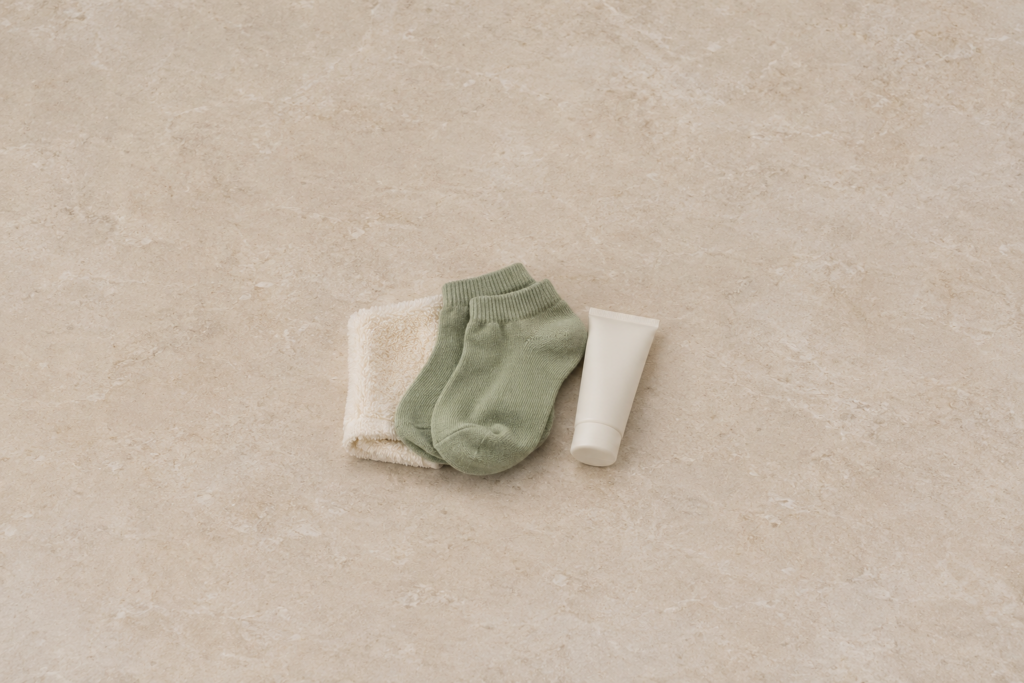
Sage ankle socks, a folded washcloth, and a plain closed tube on pale stone.
What you’ll learn

Spot the mistake before trying a fix

Start with the decision that went wrong. The examples here follow what happens when a foot-care step misses its target or goes further than intended.

  • How to spot two different jobs in look-alike products
  • How cushioning pads differ from medicated corn patches
  • Why peel wear time and visible shedding are separate
  • Why open skin changes an exfoliation decision and why diabetes changes callus care
  • How to spot two steps doing the same job on one spot
  • How to match the response to the reason a step went wrong
  • When a change in a toenail calls for advice

Tip: Put the result you want in plain words first. “I want this spot to stop rubbing” gives you a clearer starting point than “I need a foot product.”

Key terms

Foot-care terms worth knowing

These terms help you keep track of what’s on the skin, what’s in the product and what the directions ask you to do.

Callus

An area of skin that has thickened and turned rough.

  • How it forms: Pressure or repeat rubbing can thicken the skin.
  • Where it forms: Feet and hands are both possible sites.
  • Corn: A related hard spot, typically smaller and more localized.

Exfoliation

Removing dead cells at the skin’s surface.

  • Physical exfoliation: A scrub or tool does the work through direct contact.
  • Chemical exfoliation: A formula does the work, for example with hydroxy acids.
  • Suitability: Exfoliation is optional. Suitability can vary with skin type.

Contact time

How long an applied product stays against the skin.

  • Where it’s specified: The wear time is specific to the product, as on Baby Foot’s Original Peel.
  • Visible change: Dreambox describes visible shedding after the peeling mask comes off.
  • Repeat interval: The label may also give a wait before the next application.

Medicated corn patch

A patch containing a drug intended to remove a corn.

  • Drug Facts: The US label for LEADER Medicated Corn Removers names salicylic acid as the active ingredient.
  • Target area: That label directs the medication onto the individual corn.
  • Two pieces: A separate cover goes over the piece containing the medication.

Ingrown toenail

A toenail whose edge grows into the neighboring skin.

  • Which toe: Often the big toe, though any toe can be affected.
  • How it can feel: The toe can hurt as the edge presses into the skin.
  • What you may see: Skin near the nail can look swollen or red.

Cuticle

The skin along the base of the nail.

  • Position: It sits opposite the free edge you trim.
  • Nail root: The cuticle protects the nail root.
  • Barrier: The skin here helps keep bacteria out.

Tip: Read the purpose, directions and warnings together. They answer three separate questions about the step you’re about to take.

Purpose

Using a product for the wrong job

A mistake can happen before a product ever touches your foot. A bootie or an adhesive pad tells you what the product looks like. Start with what you expect it to change.

  • Mistaking a peel for a moisturizing mask. Dreambox describes its peel as loosening buildup at the surface. When your feet simply feel dry, look for a moisturizing purpose on the label.
  • Treating any corn pad as a cushion. Plain padding around a corn can keep the shoe from rubbing against it. The US LEADER medicated patch targets the corn with a drug. Look for the stated purpose on the package.
  • Using a skin medicine on a toenail. The American Academy of Dermatology points out that over-the-counter terbinafine cream for fungal skin infections can’t treat nails.
  • Covering a nail change and leaving it at that. Polish can hide the change from view, which leaves the reason for it unresolved. Ask a healthcare professional about a change in shape or color you can’t explain.
  • Assuming itchy, flaky skin just needs smoothing. Flaking and itch can also occur with athlete’s foot, a fungal infection. If that change persists and you’re unsure of the cause, pause the cosmetic fix and ask for advice.

When a step misses the problem, doing it more carefully still leaves you with the wrong tool for the job.

Intensity

Taking a step further than intended

It’s tempting to take one more pass or leave something on a little longer when the change looks small. Here’s where doing more can cause trouble.

  • Filing until every bit feels smooth. The American Academy of Dermatology warns that taking off too much of a callus can cause bleeding or infection. A perfectly even surface is a poor stopping rule.
  • Leaving a rinse-off peel on longer. Use the time given for that product. In a separate warning about high-strength chemical peels, the US FDA says longer exposure is one factor in how deep the peel can reach and whether it can burn skin.
  • Scratching for relief. If you know you have athlete’s foot, scratching an affected patch can spread the infection to other parts of your body. Avoid scratching that skin.

If a result seems slow, look at what the step is supposed to do and where it’s meant to end before turning up the intensity.

Context

Missing what’s different about the skin

The roughness you see is only part of the decision. Look at the condition of that spot and whether there’s a reason to be more cautious with your feet.

  • Treating an open split like ordinary rough skin. Skip exfoliation over a cut or other break that’s open.
  • Borrowing do-it-yourself callus advice when you have diabetes or poor circulation. When blood flow to the feet is reduced, sores can be harder to heal. The NHS advises against self-treating corns or calluses if you have diabetes or poor circulation. Speak with a foot specialist or other healthcare professional.
  • Giving damp toe spaces the same attention as a dry heel. Warm, damp areas between the toes favor fungal growth. After washing, dry between the toes as well as the rest of the foot.

Two spots on the same foot can give you different reasons to leave a step out or handle the area differently.

Overlap

Doubling up on the same spot

You can follow the directions for one step and still miss what a second step does to the same patch of skin. Think about the action each product or tool adds.

  • Scrubbing to hurry shedding along. Dreambox advises skipping files and scrubs where skin is already shedding after its Foot Renewal Mask. A file adds another way to lift surface skin.
  • Adding a different exfoliating acid. Dreambox also advises against adding acids while skin is peeling after the mask. Here, a different bottle can still mean another pass at the same job.
  • Using an abrasive wash over a medicated area. An abrasive cleanser can cause marked irritation on skin you’re treating with a topical salicylic acid medication. Keep the abrasive cleanser off that spot unless your doctor tells you to use it there.

Before adding a step, ask what it would do to the skin that’s already been treated.

Correction

Changing what caused the trouble

A good response to a mistake can look quite different depending on where it started. These examples show what changes when you can identify the source of the trouble.

  • Smoothing a hard spot while a shoe still rubs. First change the shoe that’s rubbing. Many calluses and corns gradually fade once the rubbing or pressure that caused them stops.
  • A nail corner cut down into the side. Clipping low at the sides can leave a sharp edge that digs into the skin as the nail grows. For ordinary trimming, a straight cut across the nail leaves the corners visible.
  • An unexpected reaction after a cosmetic. Stop using the product and contact a healthcare professional.

It helps to separate two decisions. The first is what you would change next time. The second is whether there should be a next time for that particular step.

Reality check

When appearances can mislead

These two hypothetical situations show how easy it is to draw the wrong conclusion from what you can see or feel.

A shave before a pedicure

Imagine you’re getting ready for a salon pedicure and considering a quick shave. You’re thinking about how tidy your legs will look when you get there.

Freshly shaved legs or small cuts may give bacteria a way in. The American Podiatric Medical Association advises skipping the shave before a pedicure.

A stone in a walking shoe

Imagine lacing up for a walk without looking inside your shoes. You already know diabetes has reduced the feeling in your feet. A small stone is sitting in one shoe. You could keep walking without noticing it, even if it injures your foot.

Check inside your shoes before putting them on. The American Diabetes Association advises looking for sharp objects, such as small stones. That check doesn’t depend on how the shoe feels once you start walking.

Assumptions

Five assumptions worth questioning

These questions cover a corn-patch warning, what peeling can look like, and when to leave skin around a nail alone.

Can I use a medicated corn patch on a red spot if I put the cover pad on?

For US LEADER Medicated Corn Removers, the cover pad doesn’t change the warning. The label says to keep the medicated patch off reddened, irritated or infected skin.

Is all of a callus excess skin that has to come off?

Thickened skin can help protect the tissue beneath it.

Does a peel have to shed in big sheets to work?

Baby Foot says its Original Peel can shed in small flakes or larger pieces. The shape of the flakes alone is a poor pass-or-fail test.

Does a tidy nail need its cuticle removed?

Leave it intact. Cutting the cuticle gives germs an easier way in and raises the chance of infection.

Should I pop a blister first so I can protect it?

Leave a blister intact. If it bursts on its own, leave the loose skin in place.

Tip: When a short phrase on the front of a package sounds like a safety promise, turn the package over. Read the full directions and warnings.

Foot-care questions

What to do in these situations

A snagging nail, a sore toe and a product that feels uncomfortable call for different decisions.

What if an edge keeps snagging after I trim a nail?

You can smooth an uneven edge with a nail file. The aim is to take down the snag without taking away the corner.

What if a toenail is too hard to clip or I can’t reach it?

A podiatrist can help with a nail you can’t reach or cut yourself.

When are cracked heels worth getting checked?

A dermatologist can assess cracking that’s severe or hasn’t improved.

What if a medicated corn patch keeps feeling uncomfortable?

The US label for LEADER Medicated Corn Removers says to remove the patch and speak with a doctor if it stays uncomfortable.

Can I use my usual cream while my feet are still peeling?

For its Original Peel, Baby Foot advises against oil-based lotions and moisturizers during shedding. Start with the aftercare for the peel you used.

With diabetes, when does a change in foot skin need a call?

Call your healthcare provider right away if foot skin turns red, feels warm, or becomes painful. These can be signs of infection.

What if my feet feel cold and I have reduced sensation from diabetes?

Diabetes-related nerve damage can make heat hard to sense, so hot water or a heating pad can burn you before you feel it. The American Diabetes Association suggests warm socks.

What if a toe hurts, swells and has pus at the nail edge?

Get medical advice and leave the nail alone. Avoid clipping or picking at it.

Tip: If you call about discomfort or a reaction, keep the product name and label handy so you can say exactly what you used.

Bottom line

When a foot-care step goes wrong, name the mistake before trying to fix the result. Think about what the step was meant to change and what actually happened. That gives you somewhere to look other than the rough spot itself.

Use the label to see whether the step fits the job. If the problem calls for professional advice, that’s the next decision to act on.

Related reading

Explore the Foot Care archives

Choose a Review Streets archive by reading format.