Compact and full-size reciprocating saws differ in size, power, and control. This comparison examines real-world performance tradeoffs, helping clarify how each type fits specific cutting tasks and working conditions.

Reviews You Can Trust
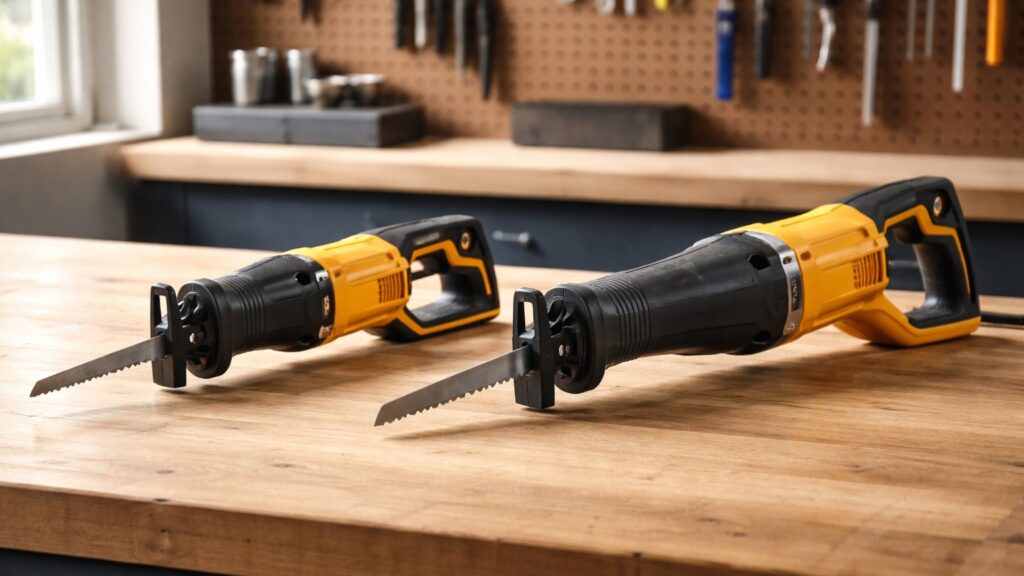
Head-to-head
Compact vs Full-Size Reciprocating Saws: Key Differences Explained
A clean A/B view of what matters in real work: reach in tight spaces, cutting stability, fatigue over longer sessions, overall versatility, and which saw format makes more sense for different professional tasks.
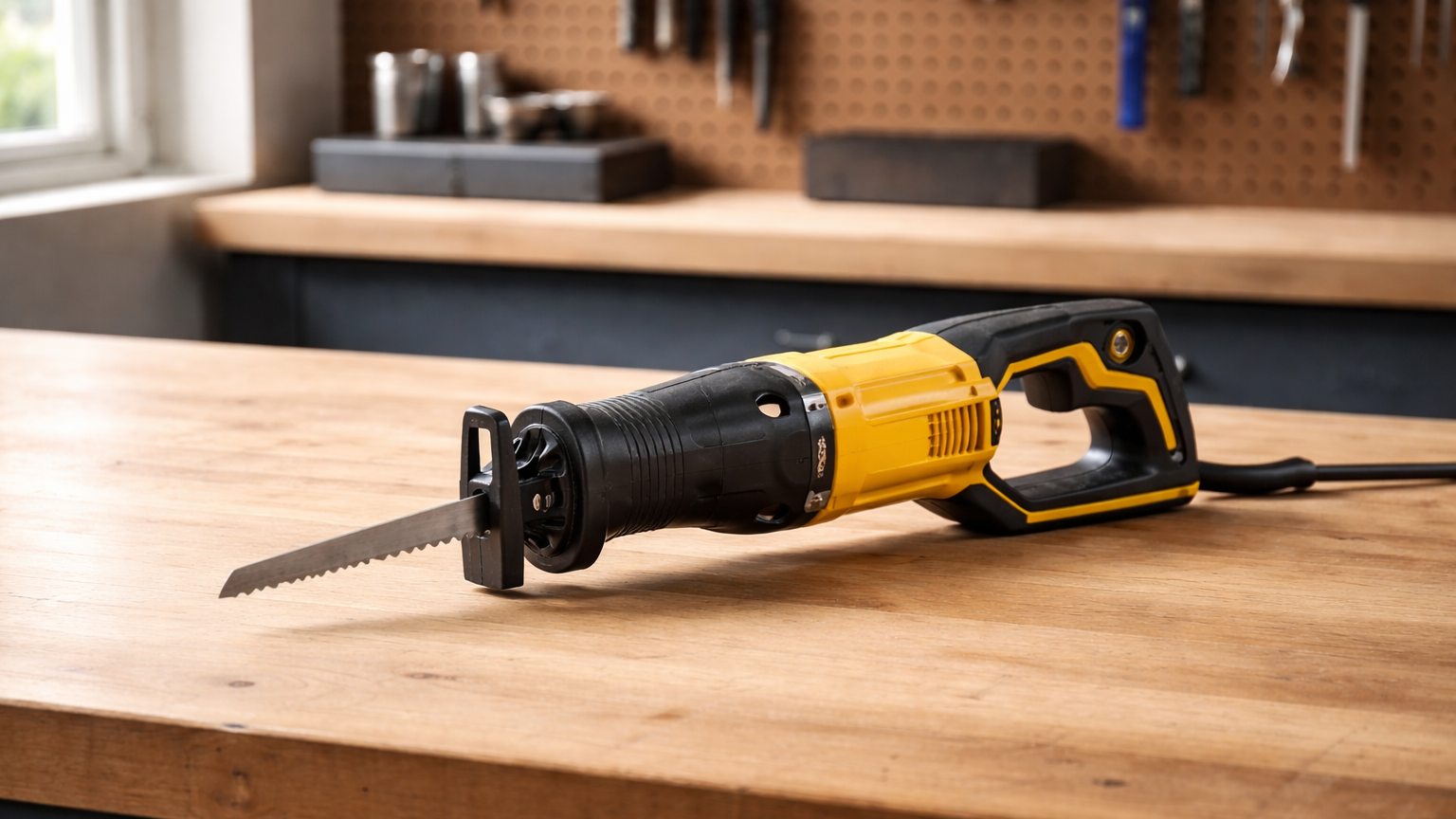
Compact reciprocating saw
A tighter, lighter format that works best when access and control matter most—especially for overhead cuts, confined spaces, punch-list tasks, and shorter cutting sessions where maneuverability matters more than outright size.
- Easier to position in studs, cabinets, mechanical chases, and other cramped work areas
- Usually feels less tiring for overhead trimming, light demo, and one-handed repositioning
- Better fit when portability and control matter more than maximum stroke feel and stability
VS
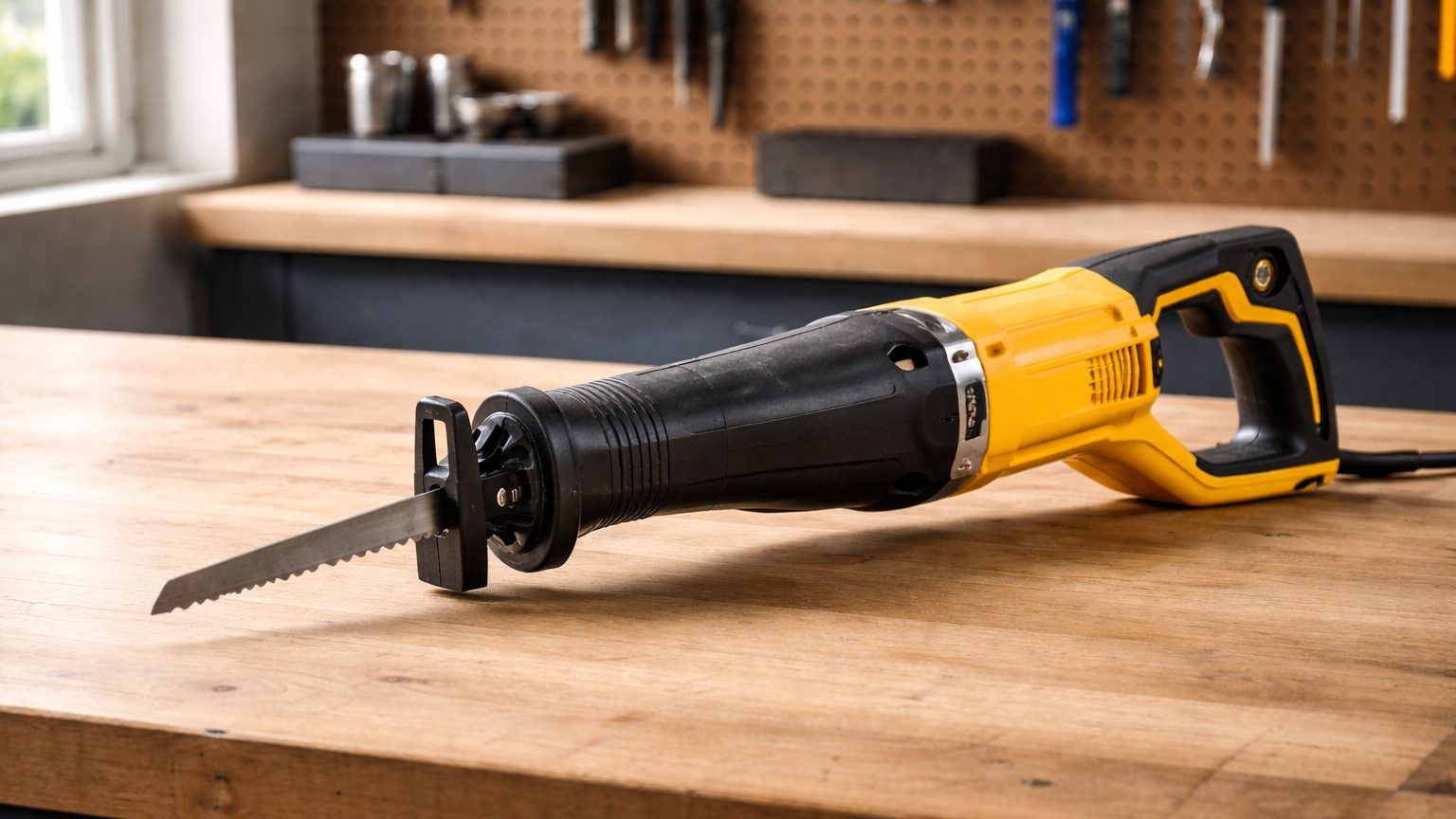
Full-size reciprocating saw
A more planted, higher-capacity format that makes more sense for regular demolition, thicker materials, and longer cuts where stability, leverage, and all-around jobsite versatility matter more than compactness.
- Usually feels steadier in thicker stock, rough demolition, and longer straight cuts
- Extra size often helps with leverage, control through tougher materials, and two-handed cutting
- Smarter default choice when one saw needs to cover the widest range of jobsite tasks
Power under load
Adequate for lighter cuts
More planted and capable
Full-Size
Control & clutch consistency
Quicker in tight spots
More stable through heavy cuts
Tie
Ergonomics (feel + fatigue)
Lighter, easier overhead
Heavier, steadier two-handed
Compact
Value (typical kit pricing)
Good for secondary-use roles
Broader value as a primary saw
Full-Size
Battery ecosystem depth
Often shared with smaller tools
Usually supports wider pro duty
Full-Size
Real-world context
This comparison reflects a synthesis of professional reviews, manufacturer data, long-term user feedback, and use-case patterns to highlight how each reciprocating saw format typically performs in everyday projects.
Compact — Why people choose it
- Easier to work into tight framing bays, under sinks, and around installed mechanicals
- Less tiring for overhead cuts, quick punch-list tasks, and lighter demolition passes
- Strong fit as a second saw for pros who already have a larger primary demolition tool
Full-Size — Why people choose it
- Better all-around choice when the saw will handle demolition, thicker stock, and longer cuts (with fewer compromises)
- More stable feel when using longer blades or pushing through tougher material stacks
- Usually the smarter single-saw option for pros who want one reciprocating saw to cover most jobs
Verdict: Choose Full-Size if you want the more versatile primary reciprocating saw for demolition, thicker materials, and broader day-to-day professional use. Choose Compact if your work regularly happens in tight spaces, overhead, or in lighter-duty service and remodel conditions where maneuverability is the bigger advantage.