
Compression Apparel Buying Guide: How to Choose the Right One
Compression Apparel Buying Guide: How to Choose the Right One starts with a practical question: which product will make overall value easier to repeat without adding poor fit? The crowded category can make every feature look important, but the best choice usually fits the room, route, gym bag, or training window where it will actually be used.
This guide looks at compression apparel through comfort, durability, fit, upkeep, and value. Use it to sort useful upgrades from nice-looking extras, especially when overall use is the main reason for shopping.
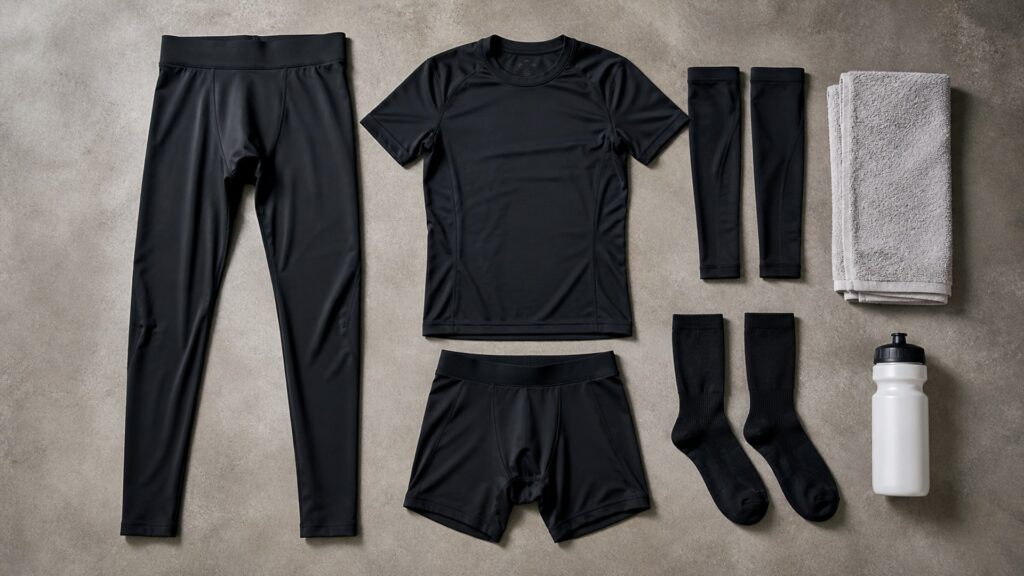
Buying framework
How to think about buying compression apparel for overall use
Judge the category by how well it supports overall value inside the room, route, gym bag, or training window where it will actually be used. The right choice should reduce friction before it adds features.
Start with constraints: Measure the limits around the room, route, gym bag, or training window where it will actually be used before falling for a feature list. Space, fit, weather, noise, and maintenance can eliminate products that otherwise look strong.
Choose repeatability: For overall value, the best compression apparel should make the next session easier to begin. A simpler option can beat a premium model if it reduces hesitation.
Read specs as tradeoffs: Every upgrade changes something: weight, size, feel, upkeep, cost, or compatibility. Compare how those tradeoffs affect overall use, not just how they look on paper.
Plan for progression: Good compression clothing should not become useless after a few weeks. Look for adjustment, durability, and support that can follow your routine as it changes.
Keep the system coherent: Make sure the purchase works with your existing shoes, storage, devices, flooring, bike, equipment, or training habits instead of creating a separate mini-ecosystem.
Who this is for
Pick compression apparel that matches your overall use routine
Different buyers need different priorities, especially when overall value competes with budget, comfort, space, or maintenance.
Routine builders: Choose compression clothing that lower effort around overall use: quick setup, forgiving fit, easy cleaning, and no complicated choices before starting.
Progress trackers: Look for products that make overall value measurable without turning every workout into data homework. Clear feedback is better than a dashboard you ignore.
Space-conscious shoppers: Prioritize packable, foldable, wearable, or neatly stored options if the room, route, gym bag, or training window where it will actually be used is tight. A product that blocks the room will eventually lose.
Comfort-sensitive buyers: Put fit, support, pressure points, ventilation, and smooth movement ahead of advanced features when discomfort would interrupt regular use.
Upgrade planners: Spend more when clearer feedback will be noticed weekly. Delay premium versions when the basic product already solves the overall value problem.
What to pay attention to
Which compression apparel specs actually matter for overall use
The useful specifications are the ones that change comfort, control, durability, and upkeep during overall value.
Specs that affect feel
support level, squeeze, seam placement, waistband feel, range of motion, breathability, chafe control, and heat buildup during overall use.
Specs that affect capability
fabric weight, stretch recovery, compression zones, moisture management, opacity, pocket layout, stitching, and wash durability when overall value becomes routine.
Fit and contact points: For overall use, check where the product touches the body or floor. Pressure, wobble, rubbing, bounce, or slipping will matter more than a minor feature difference.
Adjustment range: Compression apparel should cover your current ability and a realistic next step. Too little range limits progress; too much complexity slows normal workouts.
Durability details: Inspect stitching, hinges, coatings, electronics, mounts, padding, or moving parts according to the category. Strong design shows up in repeated overall value sessions.
Storage and upkeep: Cleaning, charging, drying, folding, hanging, or lubricating should fit the way you live. The easiest product to maintain often becomes the one used most.
Avoid these traps
Common mistakes people make with compression apparel
The risky buys are the ones that ignore how overall use actually fits into the week.
Buying the fantasy version: Do not buy compression apparel for a perfect schedule if your real overall use routine is shorter, quieter, shared, or more space-limited.
Skipping the fit check: Small fit problems become major excuses during overall value. Confirm sizing, reach, support, grip, and movement feel before trusting feature claims.
Ignoring hidden ownership: Compression apparel can bring subscriptions, replacement parts, cleaning, charging, storage, or compatibility limits. Those details decide long-term value.
Mistaking more for better: More modes, pockets, sensors, resistance, padding, or attachments only help when they solve a real overall use problem you already have.
Decision guidance
Which compression apparel are right for overall use
Use the product's effect on overall value to decide whether simple, durable, compact, or premium makes the most sense.
Choose simple for consistency: If the goal is regular overall value, pick the product that starts fast and feels natural. Everyday use rewards clarity more than specification drama.
Choose durable for heavy use: When overall use happens several times a week, sturdier materials, better adjustment, and easier maintenance are worth more than decorative upgrades.
Choose compact for shared spaces: If the product must live in a closet, entryway, spare room, bag, or car, storage behavior should be part of the buying decision.
Choose premium for a real bottleneck: Pay extra only when clearer feedback removes a problem you notice now, such as discomfort, weak support, confusing feedback, or limited progression.
Ownership & compatibility
What you are really buying into with compression apparel
Ownership is the part of the purchase that shows up after the first few overall use sessions.
Wear items and replacements: For compression apparel, long-term value depends on what wears first: fabric, pads, batteries, straps, bearings, mounts, coatings, or moving parts.
Compatibility: Check whether the product works with your current equipment, apps, chargers, clothing, bike, room, or storage. Compatibility problems turn small purchases into awkward systems.
Cleaning and storage rhythm: A product used for overall value needs a place to dry, charge, fold, hang, or stay clean. If that rhythm is unclear, ownership gets messy.
Support after purchase: Warranty clarity, replacement availability, and basic service access matter most after regular use reveals weak points.
FAQ
Compression Apparel Buying Guide: How to Choose the Right One FAQ
Quick answers to common shopper questions about compression apparel, value, fit, upkeep, and overall use.
What is the first thing to check with compression apparel?
How do I know if compression apparel will last?
Should I buy the most versatile option?
What hidden costs should I expect?
When should I upgrade?
Bottom line
The simplest way to choose compression apparel for overall use
Buy the option that makes overall value more repeatable, more comfortable, and easier to maintain.
If the choice feels crowded: Return to the main job: support overall value with less friction. The product that best fits your real session is usually the safer buy.
If two options look close: Choose the one with better fit, easier upkeep, and fewer storage compromises around overall use. Those details show up every week.
If budget is limited: Spend first on comfort, stability, and durability. Add premium tracking, specialized accessories, or extra modes only after the basics work.
Final check: Picture the next five uses: setup, workout, cleanup, storage, and repeat. If compression apparel still feels practical in that sequence, it belongs on the shortlist.
Reading Shortcuts
Jump to the sections that matter most for choosing compression apparel for overall use.
Decision Reminders
A quick checklist before you commit to compression apparel.
- Buy for real use: Judge the product by your actual overall value routine, not a perfect future plan.
- Check fit and storage: Comfort and where the product lives decide whether it gets used.
- Budget beyond purchase: Replacement parts, subscriptions, cleaning, batteries, and accessories affect total cost.
Glossary Snippets
Quick translations for terms that confuse compression apparel buyers.
When to Use a Top 10 Review
Use this format when you want a faster way to narrow the compression apparel field.
- You want a shortlist: A Top 10 can surface compression clothing by use case, value, comfort, and feature depth.
- You are still learning the category: Rankings help reveal which tradeoffs matter before you compare individual products closely.
Already down to 2-3 options? A Comparison is usually faster than reading broad buying advice.
When to Use a Comparison
Ideal once you have a shortlist and need clear, practical tradeoffs.
- You narrowed it to 2-3 options: Direct comparisons make differences in fit, durability, setup, and long-term cost easier to see.
- You are ready to decide: A comparison works best when the main question is which option fits your overall value needs most cleanly.
Still exploring? Start with a Top 10 to identify the right category first.