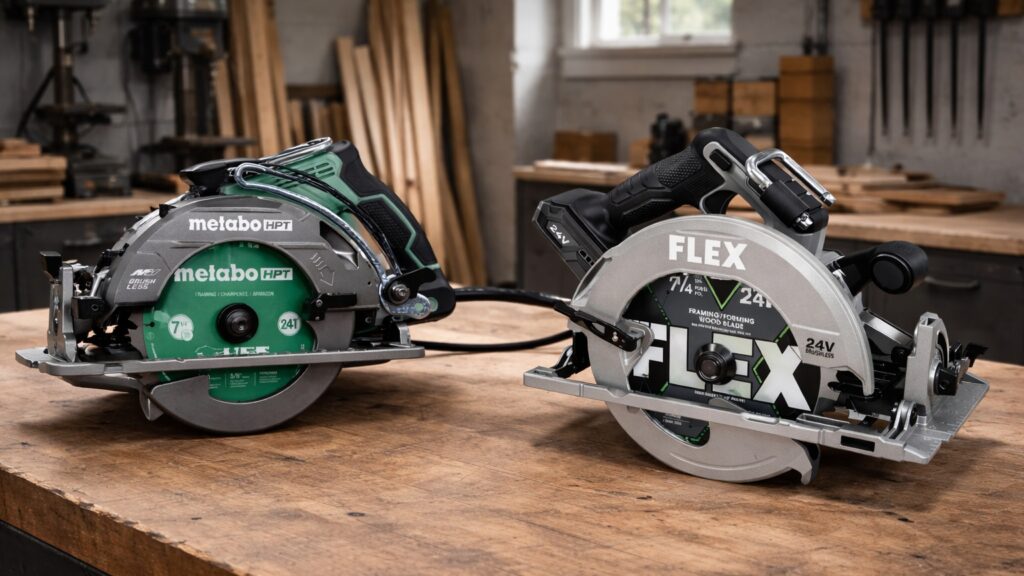
Corded Circular Saws vs Cordless Circular Saws: Key Differences Explained

Corded and cordless circular saws each deliver distinct advantages in power, mobility, and runtime. This comparison examines real-world performance, limitations, and tradeoffs to help you choose the right tool.

By: Review Streets Research Lab
Updated: March 20, 2026
Approx. 10–12 min read
Corded Circular Saws vs Cordless Circular Saws: Key Differences Explained

Head-to-head

Corded Circular Saws vs Cordless Circular Saws: Key Differences Explained

A clean A/B view of what matters on real jobs: cutting consistency, mobility around the workspace, runtime limits, weight in hand, and the tradeoffs that shape better buying decisions.
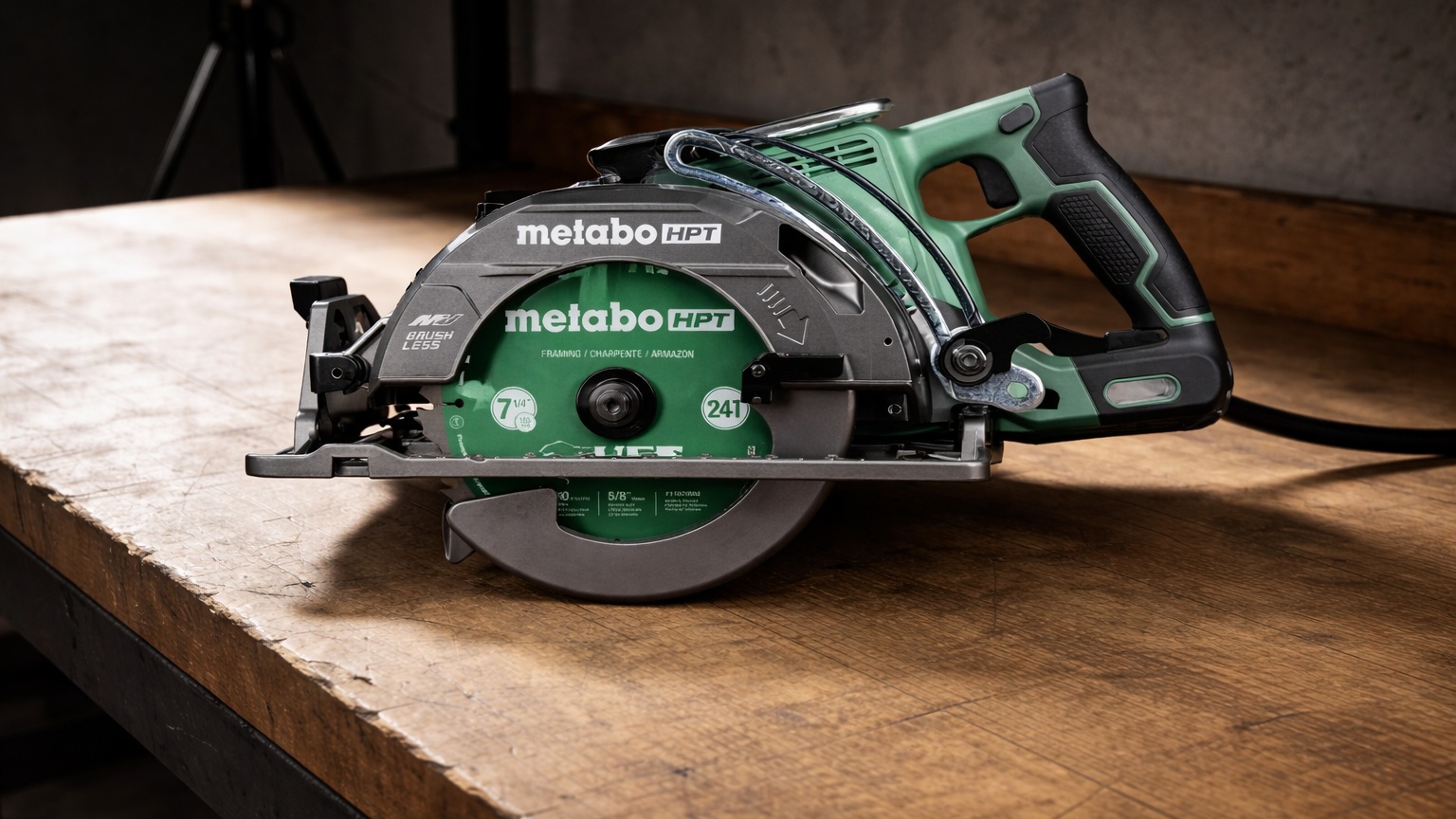
Corded Circular Saw

Corded Circular Saw

A work-first option built for steady output and longer cutting sessions—best when power access is easy and consistent performance matters more than moving freely around the site.

Score 9.0 Best for continuous cutting Battery corded power Why buy runtime + steady output
  • Delivers consistent cutting performance without battery management slowing the day down
  • Usually makes more sense for shop work, repeated rip cuts, and longer task lists near outlets
  • Better fit when maximum mobility matters less than dependable all-day readiness
VS
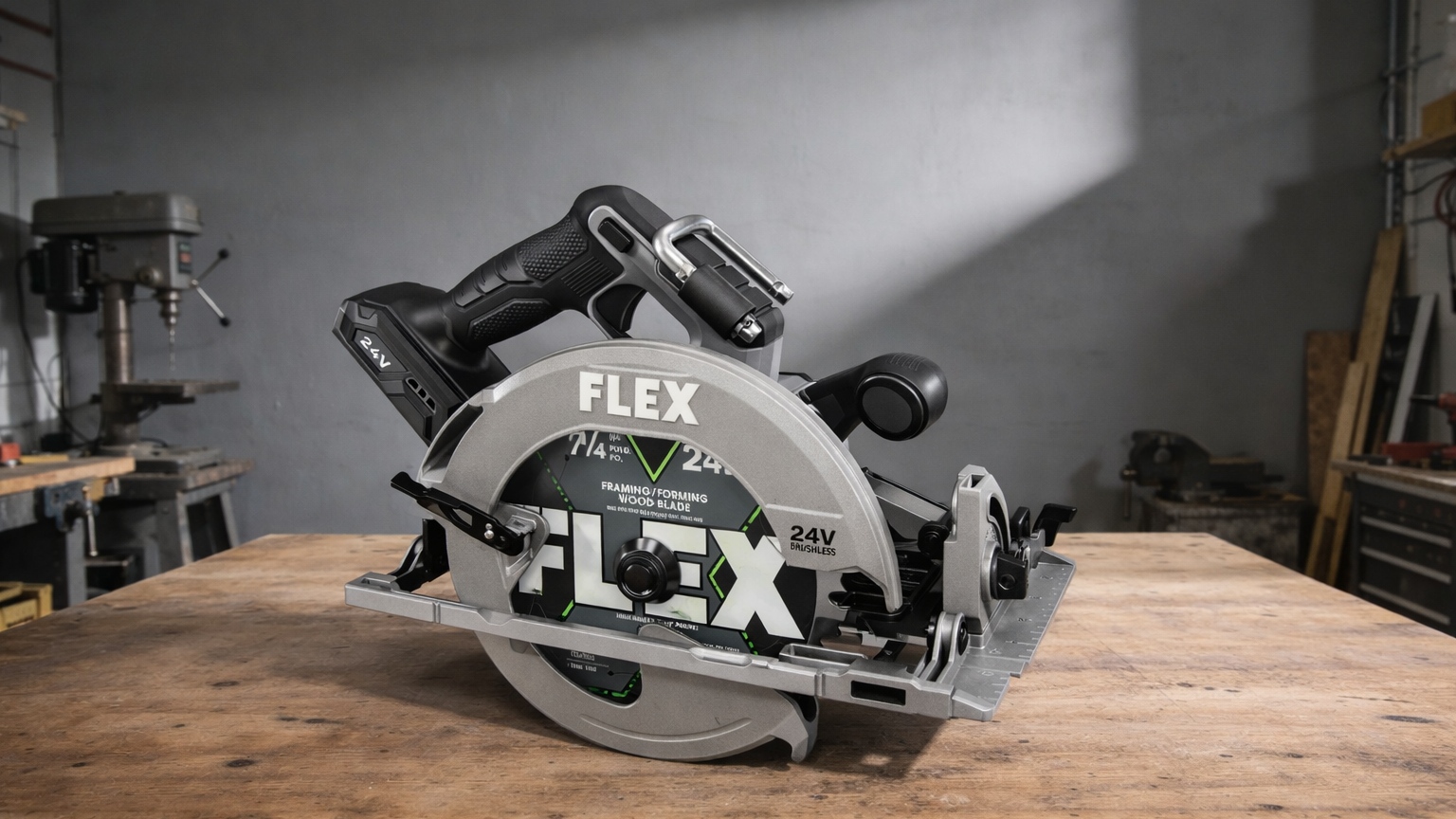
Cordless Circular Saw

Cordless Circular Saw

A mobility-first choice that trades unlimited runtime for convenience—especially useful for framing, punch-list work, roof cuts, and jobs where cords slow you down.

Score 8.8 Best for mobile jobsites Battery battery platform Why buy freedom + fast setup
  • Much easier to carry around active jobsites, ladders, roofs, and outdoor work zones
  • Removes extension-cord hassle and speeds up small-to-medium cutting tasks
  • Best choice when portability and platform convenience outweigh unlimited runtime
Power under load
Steadier on long cuts
Strong, but battery-dependent
Corded Circular Saw
Control & clutch consistency
Predictable, uninterrupted feel
Very good with modern platforms
Corded Circular Saw
Ergonomics (feel + fatigue)
Lighter tool, cord drag
No cord, often heavier
Cordless Circular Saw
Value (typical kit pricing)
Lower entry cost
Higher buy-in with batteries
Corded Circular Saw
Battery ecosystem depth
Not platform-dependent
Big upside if already invested
Cordless Circular Saw
Real-world context
This comparison reflects a synthesis of professional reviews, manufacturer data, long-term user feedback, and use-case patterns to highlight how each saw type typically performs in everyday projects.

Corded Circular Saw — Why people choose it

  • Reliable choice for longer cutting sessions where stopping to swap batteries is a downside
  • Often the better value for pros who want strong performance without buying into a battery platform
  • Well suited to shop spaces, remodel zones, and any workflow with easy power access

Cordless Circular Saw — Why people choose it

  • Faster to grab and use for roof work, outdoor projects, and cuts far from outlets (especially on active jobsites)
  • Much easier to move with when extension cords create clutter, delay, or trip hazards
  • Stronger long-term value when you already own compatible batteries and chargers
Verdict: Choose Corded Circular Saw if you prioritize steady cutting performance, lower upfront cost, and unlimited runtime for longer work sessions near reliable power. Choose Cordless Circular Saw if you work across changing jobsite conditions, need faster setup, and want the convenience of moving freely without extension cords slowing you down.
Read FAQs

Deep dive

What actually matters in this matchup

On paper, both circular saws can handle common cutting tasks, but the meaningful differences show up in how they fit into a real workflow. This comparison focuses on cutting consistency over longer sessions, freedom of movement around the jobsite, fatigue from tool weight and cord management, and the ownership tradeoffs that shape day-to-day convenience.

For steady cutting sessions: the bigger question is not just raw capability, but whether the saw stays ready without interruptions. A corded model favors longer, uninterrupted work where access to power is simple and keeping momentum matters.

For active jobsites: mobility changes the experience more than most buyers expect. A cordless model is often easier to carry, quicker to set up, and less disruptive when moving between cuts, ladders, roofs, or outdoor work areas.

For ownership over time: the real tradeoff is convenience versus simplicity. Cordless makes more sense when it fits into an existing battery platform, while corded remains attractive when lower buy-in, fewer charging considerations, and dependable plug-in readiness matter more.

Methodology

How we evaluated corded and cordless circular saws

Our evaluation focused on real cutting tasks that expose meaningful differences between saw types, not spec-sheet advantages. Each saw was considered in practical scenarios using a context-aware evaluation approach designed to reflect how these tools are actually chosen, used, and compared in everyday work.

Tasks: repeated crosscuts, longer rip cuts, sheet-goods breakdown, start-and-stop cutting sequences, and movement between work areas to assess consistency, control, setup friction, and fatigue over time.

What we scored: cutting performance under real load, predictability during common cuts, ergonomics, workflow impact, build confidence, and the ownership tradeoffs tied to cords, batteries, chargers, and long-term flexibility.

How results are interpreted: performance is evaluated in context, recognizing that the importance of steady output, portability, comfort, runtime, and overall value shifts depending on where the saw is used and how often it is expected to work without interruption.

What we ignored: advertised specs, isolated lab claims, and features that do not translate into repeatable real-world cutting performance or day-to-day ownership value.

FAQ

Corded Circular Saws vs Cordless Circular Saws: Common questions

Which type is better for most home projects?
Both can handle typical home projects, but the better choice depends on how and where the saw is used. Corded models make more sense for longer cutting sessions near power, while cordless models are often easier to manage for quick tasks or outdoor work.
When does a corded circular saw make more sense?
A corded saw is typically the better fit when work is done in one area with reliable power access. It avoids downtime from battery swaps and tends to feel more consistent during extended cutting sessions or repetitive tasks.
Is the performance difference noticeable in real use?
In lighter tasks, the difference is often minimal. During longer or more demanding cuts, corded saws tend to maintain a steadier feel, while cordless performance can vary depending on battery charge and capacity.
Which is easier to use on a jobsite or in tight spaces?
Cordless saws are generally easier to manage in active or constrained spaces because there’s no cord to route or reposition. This becomes more noticeable when moving between cuts, working on ladders, or navigating around obstacles.

Key Takeaways

  • Corded circular saws favor consistency and uninterrupted work, making them a better fit for longer cutting sessions where access to power is reliable.
  • Cordless circular saws prioritize mobility and convenience, which becomes more valuable when moving between cuts or working in areas without easy power access.
  • The real trade-off is workflow: corded setups require planning around outlets and cords, while cordless setups require managing batteries and charging.
  • Weight and handling feel different in practice—corded saws are often lighter in hand, while cordless saws eliminate cord drag but can feel heavier over time.
  • Ownership considerations matter: corded tools keep costs simple, while cordless tools make more sense when they fit into an existing battery platform.
  • Choosing between them depends less on raw cutting ability and more on how and where the saw will be used day to day.

Verdict

Corded vs Cordless Circular Saws: Which Should You Choose?

In this head-to-head, the right choice comes down to how the saw fits into your workflow—whether consistent, uninterrupted cutting or mobility and convenience has the bigger impact on your day-to-day use.

Best for consistent performance

Corded Circular Saw

The better fit when steady cutting performance, lower upfront cost, and all-day readiness matter more than moving freely around the jobsite.

  • Maintains consistent cutting feel across longer sessions
  • No interruptions from battery changes or charging
  • Simpler ownership without platform considerations

Also consider

Jump to the Head-to-Head

Tip: If you already use a battery platform, staying within that system can simplify ownership and reduce long-term costs.

Where to Buy

We prioritize reputable sellers, easy returns, and reliable availability.

Price checks happen regularly. Some links may earn a commission—never affects rankings.

Accessories You’ll Want

  • Extra circular saw blades (keep a few on hand for framing lumber, cleaner finish cuts, and replacing dull blades before performance drops)
  • Straightedge guide or cutting guide (helps make cleaner, more repeatable cuts in plywood, sheet goods, and long rip work)
  • Extension cord or spare battery (corded saws work better with a heavy-duty cord, while cordless saws benefit from a second battery for longer sessions)
  • Sawhorses or a cutting support setup (improves stability, accuracy, and overall safety when breaking down larger material)
  • Safety glasses and hearing protection (basic gear that makes repeated cutting safer and more comfortable over time)

Tip: Blade choice usually affects real-world results more than small saw differences, so plan around the materials you cut most often—not just the tool itself.