
(CRM) Software Buying Guide for Workflow Automation
The buying workflow needs to begin prior to a supplier demonstration when choosing CRM software for process automation. Identify the process automation operators, dependent effort, peak situations, and the person who detects and corrects a CRM software outage. Feature load alone cannot answer those specific daytoday questions.
This process automation guide evaluates accounts, contacts, leads, opportunities, activities, workflows, authorizations, integrations, analytics, mobile operate, records quality, and custody. It links CRM software purchaser profiles to functional process automation evidence points, capability ceilings, topic-specific mistakes, provision options, compatibility, custody, and an exit path safeguarding trusted customer and pipeline logs that service consistent selling, provision, automation, reporting, governance, and growth.
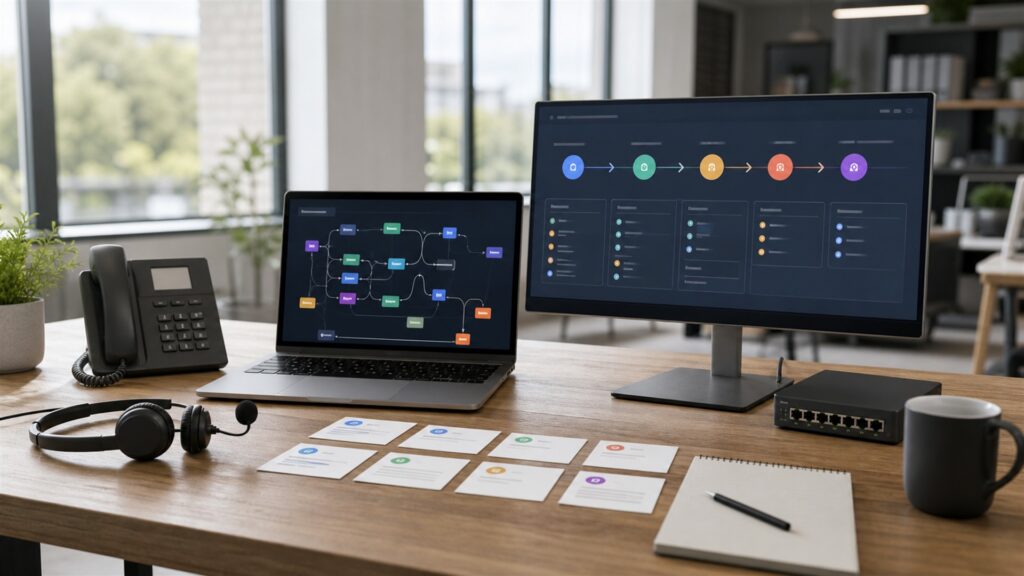
Buying framework
Build a process automation buying framework
The buying workflow needs to begin prior to a supplier demonstration for process automation. Document accounts, contacts, leads, opportunities, activities, workflows, authorizations, integrations, analytics, mobile operate, records quality, and custody and connect each CRM software linkage to process automation restoration, proof, and an accountable owner. The resulting shortlist needs to preserve trusted customer and pipeline logs that service consistent selling, provision, automation, reporting, governance, and growth.
Linkage document: During acceptance, challenge directories, logs, messaging, reporting, APIs, and custody under realistic process automation demand, not a prepared demonstration.
Financial case: The named owner needs to exercise implementation, provision, usage, maintenance, renewal, migration, and exit including an accountable owner for process automation operations.
Daytoday baseline: Operate sampled logs to check current results, delays, breakdowns, labor, exposure, and outlay during typical effort, peak pressure, and a controlled outage.
Acceptance plan: At the busiest realistic point, trace sampled cases, peak pressure, edge cases, outage, restoration, and proof against the incumbent baseline for process automation teams.
Who this is for
Match the platform to process automation effort patterns
Roles encounter CRM software by means of different process automation assignments, constraints, and outage outlays. Segment those process automation operators prior to standardizing a CRM software design, service model, or exception path.
Growing teams: During acceptance, challenge role templates, territories, onboarding, records standards, integrations, and headroom under realistic process automation demand, not a prepared demonstration.
Sales teams: The named owner needs to exercise lead custody, opportunity stages, activities, forecasting, coaching, and handoffs including an accountable owner for process automation operations.
Inventory control teams: Operate sampled logs to check customer demand, products, availability, orders, returns, and ERP boundaries during typical effort, peak pressure, and a controlled outage.
Process automation teams: At the busiest realistic point, trace triggers, approvals, assignments, notifications, variations, and audit trails against the incumbent baseline for process automation teams.
What to pay attention to
Validate the evidence points that prove relevant for process automation
A specification matters when it predicts process automation effort. Exercise CRM software including sampled load, imperfect process automation source material, peak situations, and a restoration scenario that exposes functional service effort.
Signals that affect practical feel
For process automation, CRM software feels functional when status is understandable, safeguards are understandable, routine process automation effort stays low-friction, restoration is accessible, and service explains the immediate controlled response.
Signals that affect capability
A effective process automation setup demands measurable CRM software headroom, precise authorizations, observable integrations, useful audit record, tested fault tolerance, credible provision promises, and disciplined process automation maintenance following rollout.
Reporting: During acceptance, challenge definitions filters snapshots record drill-down exports schedules and row-level security under realistic process automation demand, not a prepared demonstration.
Process safeguards: The named owner needs to exercise triggers situations assignments approvals timers variations retries and audit record including an accountable owner for process automation operations.
User experience: Operate sampled logs to check role views search speed mobile offline accessibility notifications and adoption during typical effort, peak pressure, and a controlled outage.
Linkage: At the busiest realistic point, trace email calendar telephony marketing service billing ERP identity APIs webhooks and ceilings against the incumbent baseline for process automation teams.
Avoid these traps
Avoid predictable process automation buying errors
Weak process automation objectives usually trace to incomplete CRM software scope, untested prerequisites, or unclear custody. Check each trap against a credible process automation process prior to accepting the proposed solution.
Selecting from demos alone: During acceptance, challenge prepared records and scripted flows hide migration usability and exception problems under realistic process automation demand, not a prepared demonstration.
Importing dirty records unchanged: The named owner needs to exercise duplicates stale contacts and ambiguous owners undermine adoption immediately including an accountable owner for process automation operations.
Ignoring API and storage ceilings: Operate sampled logs to check sync load attachments record and automation can create unexpected outlay during typical effort, peak pressure, and a controlled outage.
Skipping mobile testing: At the busiest realistic point, trace field and remote operators may face slow entry poor offline behavior or missing features against the incumbent baseline for process automation teams.
Decision guidance
Select a provision model for process automation
A CRM software label cannot determine process automation fit. Balance control, internal skill, deployment speed, fault tolerance, and migration exposure against the way process automation teams will actually operate and recover.
Sales-focused CRM: During acceptance, challenge pipeline teams may prioritize activity capture forecasting and coaching under realistic process automation demand, not a prepared demonstration.
Industry CRM: The named owner needs to exercise specialized records models and workflows may reduce custom development including an accountable owner for process automation operations.
Lightweight CRM: Operate sampled logs to check small teams may favor fast adoption simple pipelines and modest oversight during typical effort, peak pressure, and a controlled outage.
Phased CRM program: At the busiest realistic point, trace organizations can start including core accounts contacts and pipeline prior to adding automation and adjacent teams against the incumbent baseline for process automation teams.
Ownership & compatibility
Plan custody around process automation
Long-term process automation value depends on someone to sustain CRM software standards, access, proof, restoration, and financial provisions. Assign every process automation duty prior to rollout and preserve a documented handoff.
Role matrix: During acceptance, challenge persona note scope field rights export admin function and check date under realistic process automation demand, not a prepared demonstration.
Automation catalog: The named owner needs to exercise trigger rule response exception notification approval version and validate proof including an accountable owner for process automation operations.
Release workflow: Operate sampled logs to check request design sandbox validate approval migration rollback and communication during typical effort, peak pressure, and a controlled outage.
Records dictionary: At the busiest realistic point, trace object field definition format source owner validation sensitivity and retention against the incumbent baseline for process automation teams.
FAQ
Workflow Automation CRM software FAQ
Functional answers about scope, pilots, outlay, and switching for process automation decisionmakers.
What needs to process automation decisionmakers document prior to comparing CRM software?
How needs to a CRM software trial be run for process automation?
Which outlays are easy to miss in a process automation decision?
How can process automation teams reduce switching exposure later?
Bottom line
Adopt CRM software around verified effort
A durable process automation decision supports trusted customer and pipeline logs that service consistent selling, provision, automation, reporting, governance, and growth. It also keeps process automation oversight, CRM software restoration, continuing outlay, and the eventual exit visible to named owners.
Acceptance plan: During acceptance, challenge sampled cases, peak pressure, edge cases, outage, restoration, and proof under realistic process automation demand, not a prepared demonstration.
Linkage document: The named owner needs to exercise directories, logs, messaging, reporting, APIs, and custody including an accountable owner for process automation operations.
Financial case: Operate sampled logs to check implementation, provision, usage, maintenance, renewal, migration, and exit during typical effort, peak pressure, and a controlled outage.
Daytoday baseline: At the busiest realistic point, trace current results, delays, breakdowns, labor, exposure, and outlay against the incumbent baseline for process automation teams.
Reading Shortcuts
Jump to the workflow automation decisions that most affect record quality, compliance work, and ownership effort.
Decision Reminders
Before selecting software for workflow automation.
- Start with evidence: A workflow automation purchase needs a measured baseline.
- Exercise failure: Recovery behavior reveals hidden operating work.
- Name every owner: Access, support, and change need accountability.
Glossary Snippets
Useful terms for workflow automation accounting decisions.
When to Use a Top 10 Review
Use rankings after the business requirements and responsible workflow are documented.
- You need a market shortlist: A Top 10 can organize CRM software options for workflow automation.
- Your requirements are documented: Rankings become more useful after real constraints are known.
Already comparing finalists? A Comparison can expose direct tradeoffs.
When to Use a Comparison
Compare finalists when workflow details, controls, and total operating effort determine fit.
- Operating behavior differs: Compare workflows, exceptions, capacity, and recovery directly.
- Ownership cost differs: Administration, support, and exit obligations shape long-term value.
Need a broader shortlist first? Start with a Top 10.