
Crutches Buying Guide: How to Choose the Right One
Crutches look straightforward until the wrong pair makes every step feel awkward. The right choice starts with the mobility plan, the user's height, the amount of support needed through the hands and arms, and the floors or stairs they must handle.
This guide explains how underarm, forearm, platform, and folding crutches differ. It also covers adjustment range, handgrips, rubber tips, replacement parts, and comfort checks while avoiding medical claims that should come from a clinician or physical therapist.
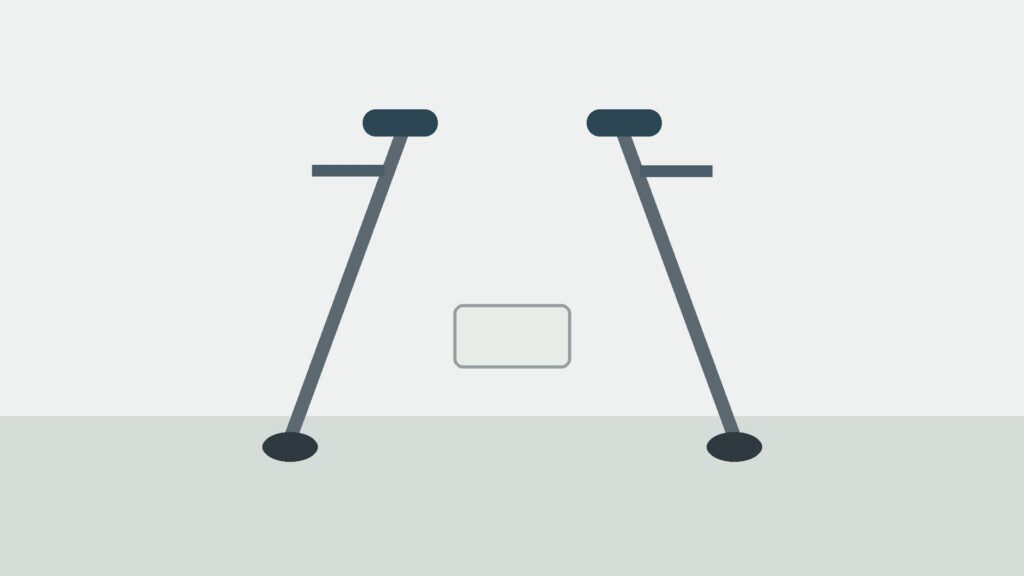
Buying framework
Start with fit, load, and real walking conditions
Crutches are mobility aids, so the decision should begin with body mechanics rather than convenience features. A good pair supports the user's instructed walking pattern without forcing weight into the wrong places.
Choose the correct crutch family: Underarm crutches suit many short-term recovery situations, forearm crutches can work for longer-term mobility, and platform crutches help when the hand or wrist cannot take normal grip pressure.
Fit the load path: The hands should carry support through the grips, with proper underarm clearance on axillary models. If the pads jam into the armpits, the crutches are not set up correctly.
Respect the surface: Rubber tips, frame stiffness, and adjustment locks affect confidence on tile, carpet edges, ramps, wet entries, and stairs. Traction deserves as much attention as handle padding.
Follow clinical limits: If crutches are being used after injury, surgery, or a medical diagnosis, weight-bearing instructions and gait training should come from a qualified professional, not a product listing.
Who this is for
Match the crutch style to the user
Crutch buyers differ by duration, balance, hand tolerance, and transport needs. The best profile is the one that matches how the pair will be used every day.
Short-term recovery user: This buyer often needs straightforward underarm crutches with clear height markings, comfortable grips, and dependable tips. Ease of setup matters because the crutches may be unfamiliar.
Longer-term mobility user: Forearm crutches may be worth considering when daily use will last beyond a brief recovery window. Cuff fit, handle angle, and replacement parts become more important over time.
Hand or wrist-limited user: Platform crutches can shift support away from a standard handgrip, but they are bulkier and more specialized. They should match a real limitation rather than a vague comfort preference.
Travel and storage planner: Folding crutches can help in cars, offices, and trips, but compactness should not override weight rating, lock security, or tip quality. A pair that folds poorly may rattle or feel less stable.
What to pay attention to
Parts that change comfort and control
Crutch specifications matter when they change posture, hand pressure, or floor contact. Focus on the details a user notices after several minutes of walking.
Fit and Load Path
Height range, grip position, cuff shape, and pad placement determine where body weight travels.
Surface Contact and Control
Rubber tips, frame material, and adjustment locks affect how secure the crutches feel on common household and public surfaces.
Height adjustment holes: Look for a range that fits the user without sitting at the extreme end of adjustment. Secure spring buttons or locks should click fully into place.
Handgrip shape: A padded or ergonomic grip can reduce hand fatigue, but it must still let the user control the crutch. Oversized foam can feel soft while reducing feedback.
Underarm pads or cuffs: Pads and cuffs should guide positioning without becoming the main weight-bearing point. Check for rubbing, pinching, or awkward arm angle during use.
Rubber tip design: Wide, fresh tips usually feel more planted than narrow or worn ones. Tips are wear parts, so replacement availability matters for longer use.
Weight rating and frame feel: The listed weight rating must fit the user, and the frame should not feel loose or twisty. Lightweight materials are useful only when stability remains adequate.
Avoid these traps
Common crutch-buying mistakes
Most crutch problems come from bad fit assumptions or ignored wear parts. These mistakes can make a suitable mobility aid feel unsafe or painful.
Putting weight into the armpits: Underarm crutches are named for their pad location, not because the armpits should carry body weight. Handgrip height and clearance must be set correctly.
Buying by user height alone: Overall height is only a starting point. Arm length, grip position, footwear, posture, and the crutch type all affect the final setup.
Ignoring worn tips: Rubber tips flatten, crack, or lose tread. A pair with tired tips can feel slippery even if the frame and grips are still in good shape.
Choosing compactness first: Folding or lightweight crutches are convenient, but weak locks, poor tips, or an inadequate weight rating can make convenience a poor tradeoff.
Decision guidance
Use the walking plan to narrow the choice
After confirming fit range and weight rating, choose the style that supports the intended use with the fewest unnecessary compromises.
If the need is short term: Underarm crutches are often the simplest place to start when the user has appropriate hand strength and professional setup guidance. Prioritize clear adjustment and comfortable grips.
If use may be extended: Forearm crutches can be better for some longer-term users because they are less bulky under the arm. Cuff comfort and handle angle become central decisions.
If gripping is difficult: Platform crutches may help when standard hand loading is not suitable, but they are specialized. Confirm the need with professional guidance before choosing them casually.
If transport is a major constraint: Folding crutches should still feel secure when locked open. Treat compact storage as a secondary benefit after stability, rating, tip quality, and fit.
Ownership & compatibility
Keep the pair safe to use
Crutches need small checks because the parts touching hands, arms, and floors wear with use. Maintenance is simple, but it should not be ignored.
Inspect rubber tips: Replace tips that are cracked, uneven, loose, or slick. The floor contact point is central to control, especially on smooth entries and transitions.
Check locks and buttons: Adjustment buttons should protrude fully and frame sections should not wobble. A partially seated lock can make the crutch feel unstable without obvious warning.
Clean grips and pads: Handgrips and pads collect sweat and grime. Wipe them regularly, let them dry fully, and replace parts that split, compress, or become uncomfortable.
FAQ
Questions buyers ask about crutches
These answers cover fit, comfort, parts, and safe expectations before buying.
Which type of crutches should I buy?
How tall should crutches be?
Should crutches touch my armpits?
Are forearm crutches better than underarm crutches?
What rubber tips are best?
Do lightweight crutches matter?
Can I use crutches on stairs?
When should I replace crutch parts?
Can crutches replace medical advice?
Bottom line
Choose crutches around safe, repeatable movement
The right crutches fit the user's body, support the instructed walking pattern, and stay stable on the surfaces they actually cross. Comfort matters, but safe setup matters first.
Fit comes first: Confirm type, height range, grip position, and weight rating before comparing convenience features.
Tips are not minor: Rubber tips and adjustment locks are central to confidence, especially on smooth floors and transitions.
Use guidance when needed: Injury, surgery, weight-bearing limits, or balance concerns should bring a clinician or therapist into the decision.
Reading Shortcuts
Jump to the parts that clarify fit, control, and daily use.
Decision Reminders
Use these checks before choosing a pair.
- Start with type: Underarm, forearm, and platform crutches serve different support needs.
- Check clearance: Underarm pads should not carry body weight.
- Inspect tips: Rubber tips are wear parts and affect floor grip.
- Confirm rating: Match the pair's capacity to the person using it.
- Test locks: Adjustment buttons should seat fully and feel secure.
- Ask for guidance: Weight-bearing instructions belong with a qualified professional.
Glossary Snippets
Terms that make crutch listings easier to read.
When to Use a Top 10 Review
Use rankings after you know the crutch type and fit range.
- Shortlist types: Compare underarm, forearm, folding, or platform designs.
- Filter fit: Remove pairs that do not match height or weight needs.
- Compare parts: Look at grips, pads, tips, and locks.
- Read comfort notes: Watch for repeated comments about soreness or slipping.
Already down to 2–3 options? A Comparison is usually the faster next step.
When to Use a Comparison
Use a direct comparison when two pairs seem similar.
- Compare adjustment: Check height range and lock security side by side.
- Compare grips: Look for the pair that manages hand pressure better.
- Compare tips: Floor contact matters more than small styling differences.
- Compare transport: Folding designs still need stable open locks.
Still exploring? Start with a Top 10 to build a shortlist first.