
The DEWALT DWE7491RS is a jobsite table saw built for precision, portability, and consistent performance. This review evaluates its cutting accuracy, fence reliability, and durability in real-world use, highlighting practical strengths alongside tradeoffs to clarify where it fits—and where it may fall short—for demanding workshop and site tasks.
DEWALT DWE7491RS Table Saw Review: Performance, Pros, and Cons
By: Review Streets Research Lab
Updated: April 14, 2026
Approx. 8–10 min read
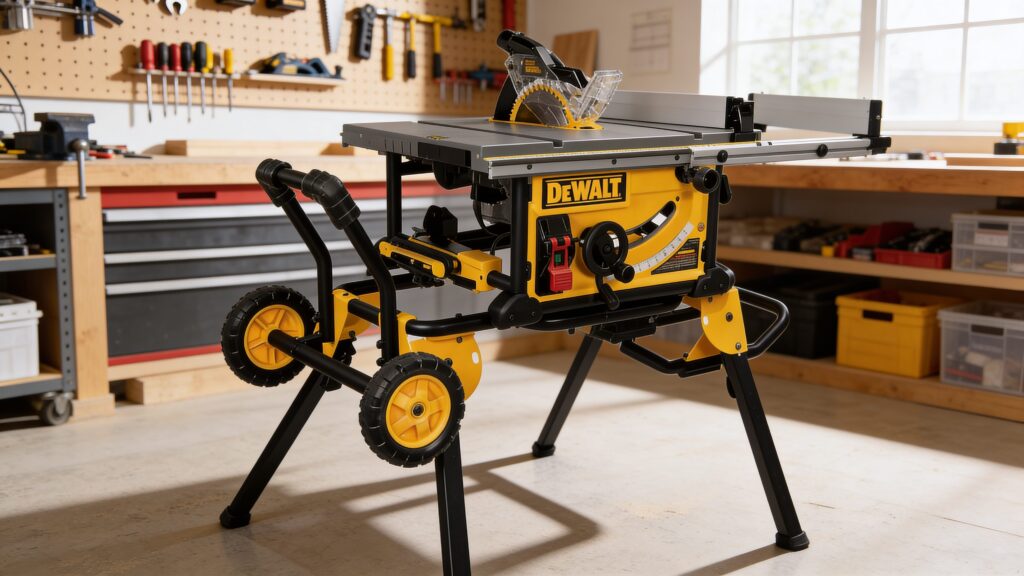
Quick Summary
The DEWALT DWE7491RS feels like a confident, work-focused table saw with dependable accuracy, stable day-to-day operation, and a setup that supports steady workflow on both jobsites and home projects. It suits repeated ripping, trim work, and general woodworking well, though its size and weight make transport and storage less convenient than more compact portable options.
8.9
Score
Best for: Daily jobsite use
Pros & Cons
DEWALT DWE7491RS: what we liked (and what we didn’t)
A quick look at the biggest strengths and tradeoffs based on performance, handling, and everyday usability.
Pros
- Confident Cutting: Feels strong and composed through routine ripping and repeated shop or jobsite tasks.
- Reliable Fence: The fence design supports repeatable setups and helps maintain accuracy with less second-guessing.
- Workflow Friendly: Easy adjustments and a stable overall feel keep projects moving without unnecessary interruption.
- Portable Stand: The rolling stand makes transport and setup more manageable than bench-only alternatives.
- Jobsite Durability: Built with a sturdy, work-focused feel that inspires confidence during regular use.
Cons
- Bulky Footprint: Takes up more room than smaller portable saws, which can matter in tight garages or crowded sites.
- Heavy To Move: The stand helps, but it still feels substantial when loading, unloading, or storing it alone.
- Noise Level: Like many jobsite table saws, it can be loud enough to feel tiring over longer cutting sessions.
- Value Tension: The overall package is strong, but lighter-duty users may not fully benefit from what they are paying for.
Specs
DEWALT DWE7491RS key specifications
These are the core specs and practical details most buyers compare across portable jobsite table saws.
| Spec | DEWALT DWE7491RS |
|---|---|
| Type | Portable jobsite table saw with rolling stand |
| Platform | Corded jobsite platform |
| Voltage | 120V corded |
| Speed | High-speed motor, manufacturer-rated for jobsite cutting |
| Chuck | Not applicable; table saw blade arbor design |
| Torque | Not typically listed for table saws |
| Length | Full-size portable saw footprint; larger than compact benchtop models |
| Weight | Heavy for a portable saw; easier to move with the rolling stand |
| Clutch settings | Not applicable |
| LED light | No integrated work light |
| Included | Table saw, rolling stand, blade, guard system, fence, and miter gauge |
| Best use | Jobsite ripping, trim work, sheet breakdown, and general woodworking |
| Warranty | DEWALT limited warranty (varies by region/product) |
Performance
How the DEWALT DWE7491RS performs
We evaluated cutting consistency, fence confidence, setup flow, and everyday usability across typical ripping, trim, and general woodworking tasks to understand how this table saw performs in normal real-world use.
Cutting Consistency
Delivers steady, predictable cuts in routine jobsite and workshop tasks with a confident overall feel.
Power Under Load
Handles common ripping and repeated cuts with good composure, though very demanding stock still benefits from a measured feed rate.
Fence Confidence
The fence setup supports repeatable alignment and helps reduce hesitation during everyday cutting adjustments.
Setup & Handling
The rolling stand improves portability and setup flow, but the overall package still feels substantial to move around.
Noise & Comfort
Noise is in line with serious jobsite saws and can become tiring over longer sessions, especially in tighter workspaces.
Overall Performance
A strong, work-ready performer that balances accuracy, stability, and everyday practicality better than many lighter portable options.
Testing note: Performance observations are based on real-world cutting, setup, and repeat-use impressions across common woodworking and jobsite tasks rather than controlled lab measurement.
Build Quality
Build quality & durability
The DEWALT DWE7491RS feels built around stability and day-to-day jobsite confidence. The main structure comes across as rigid and work-focused, with a planted overall feel that supports repeatable cuts and reduces the sense of flex or movement during normal use.
Key touchpoints—fence locks, adjustment controls, tabletop surfaces, and the stand interface—feel reassuringly solid. Nothing about the setup feels delicate, and that matters in practice because consistent alignment and secure lockup reduce second-guessing and help the saw feel dependable from cut to cut.
In regular transport, setup, and repeated cutting sessions, the saw gives off the impression of a tool meant to handle dust, loading cycles, and routine site movement without constant babying. It feels more like equipment designed for ongoing use than something that needs careful treatment between tasks.
That sturdier construction comes with a clear tradeoff: it is less convenient to carry and store than smaller benchtop alternatives. The rolling stand helps offset that, but the DWE7491RS still favors ruggedness, stability, and ownership confidence over minimal weight or compactness.
Setup & Maintenance
Setup, daily use, and upkeep
The DEWALT DWE7491RS is easiest to live with when the fence is set carefully, the blade is matched to the work, and the stand is fully stable before cutting begins. Most day-one performance comes down to clean setup habits that improve cut accuracy, reduce hesitation at the table, and help the saw stay consistent through longer sessions.
Best setup for common tasks
- Sheet Goods: Support the material on both sides of the cut and confirm the fence is locked square before feeding.
- Rip Cuts: Set the fence carefully, keep steady forward pressure, and use a consistent feed rate to avoid wandering.
- Trim Work: Use a sharp, clean blade and feed smoothly to improve cut quality and reduce extra cleanup.
- Repeat Cuts: Double-check fence position between adjustments so each pass starts from the same reference.
What to do for smoother starts
- Check Fence First: Confirm the fence is secure before powering on so the workpiece enters the blade without shifting.
- Support The Stock: Keep long or wide boards level as they approach the blade to prevent awkward, uneven entry.
- Feed With Control: Start the cut with calm, even pressure instead of forcing the material through too quickly.
Maintenance (simple but important)
- Clear Dust Often: Remove buildup around the tabletop, fence tracks, and lower housing so adjustments stay smooth.
- Keep The Blade Clean: Clean or replace the blade when cuts start feeling rough or require extra effort.
- Inspect The Stand: Check wheels, locks, and contact points regularly so the saw stays stable during setup and use.
- Watch Alignment: Recheck fence and blade alignment from time to time, especially after transport or repeated site movement.
Tip: For longer boards or heavier panels, keep a balanced stance, use both hands with proper push support, and maintain a steady feed rate. Controlled input improves cut accuracy, reduces binding, and helps the saw stay composed as the material moves through the blade.
Real-World Use
Where the DEWALT DWE7491RS fits best
On paper, the DEWALT DWE7491RS is a portable jobsite table saw. In real projects, it stands out when stable cutting, repeatable fence adjustments, and dependable daily performance matter more than ultra-compact size.
Home renovation & remodeling
Well suited for flooring installs, trim work, and material breakdown during renovation projects. It maintains steady cuts across repeated tasks, helping keep workflows consistent when accuracy and reliability are more important than speed alone.
Serious DIY and workshop builds
For building cabinets, shelving, or shop furniture, the saw offers predictable results and enough stability to handle longer sessions without constant adjustment. It supports a more confident workflow compared to lighter, less rigid alternatives.
Light professional use
A practical option for installers, finish carpenters, and small crews who need consistent jobsite performance. The rolling stand and solid feel make it easier to move between locations while still delivering dependable cutting day after day.
Where it’s less ideal
If space is limited or frequent lifting and storage are part of the routine, its size and weight can feel like a drawback. Smaller benchtop saws are easier to carry and tuck away, even if they give up some stability and cutting confidence.
Value
Is the DEWALT DWE7491RS worth it?
The DEWALT DWE7491RS makes the most sense when it is used regularly for ripping, trim work, renovation tasks, and repeat cuts where stability and dependable setup matter. If cutting needs are occasional and storage space is limited, a less expensive or more compact saw may cover the basics without the extra bulk.
Price-to-performance takeaway
You are paying for cutting confidence, a more substantial jobsite-ready build, and a stand setup that supports easier transport and better day-to-day workflow than many bare benchtop options. The value becomes clearer when the saw is used often enough to benefit from its stability and repeatability rather than treated as an occasional backup tool.
Tip: Compare the full package, not just the saw itself. A model that includes a solid rolling stand can make better long-term sense than a cheaper bench unit once setup convenience, transport, and everyday usability are part of the buying decision.
FAQ
DEWALT DWE7491RS FAQ
Quick answers to the most common questions about the DEWALT DWE7491RS—setup, use cases, and what to expect in real-world cutting tasks.
Is the DEWALT DWE7491RS a portable table saw?
Yes. It’s designed as a jobsite table saw with a rolling stand, making it easier to move between locations while still offering a stable cutting platform once set up.
Can it handle sheet goods and large panels?
It can manage sheet goods with proper support, but large panels are easier to control when you use outfeed support or work with a second surface to keep the material level through the cut.
Is it suitable for fine woodworking?
It can produce clean, accurate cuts with the right setup and blade, but it’s primarily built for jobsite use. Dedicated cabinet saws still offer more refinement for high-end finish work.
Who is this table saw best for?
It fits best for regular DIY projects, remodeling work, and light professional use where consistent cuts, reliable setup, and portability are important.
Is it overkill for occasional use?
For light, infrequent tasks, it may feel larger and more capable than necessary. Smaller benchtop saws can handle basic cuts with easier storage and less setup.
Does it require a lot of setup each time?
Initial setup takes some attention, but once dialed in, daily use is straightforward. The stand and fence system are designed to make repeat setups more consistent.
What are the most common downsides?
The main tradeoffs are size, weight, and noise compared to smaller saws. It’s more substantial to move and store, and like most jobsite saws, it can be loud during extended cutting sessions.
Alternatives
Best alternatives to the DEWALT DWE7491RS
If the DEWALT DWE7491RS feels close but not quite right, the best alternatives usually come down to a different tradeoff—smaller footprint, stronger safety focus, or a different balance between portability and everyday cutting confidence.
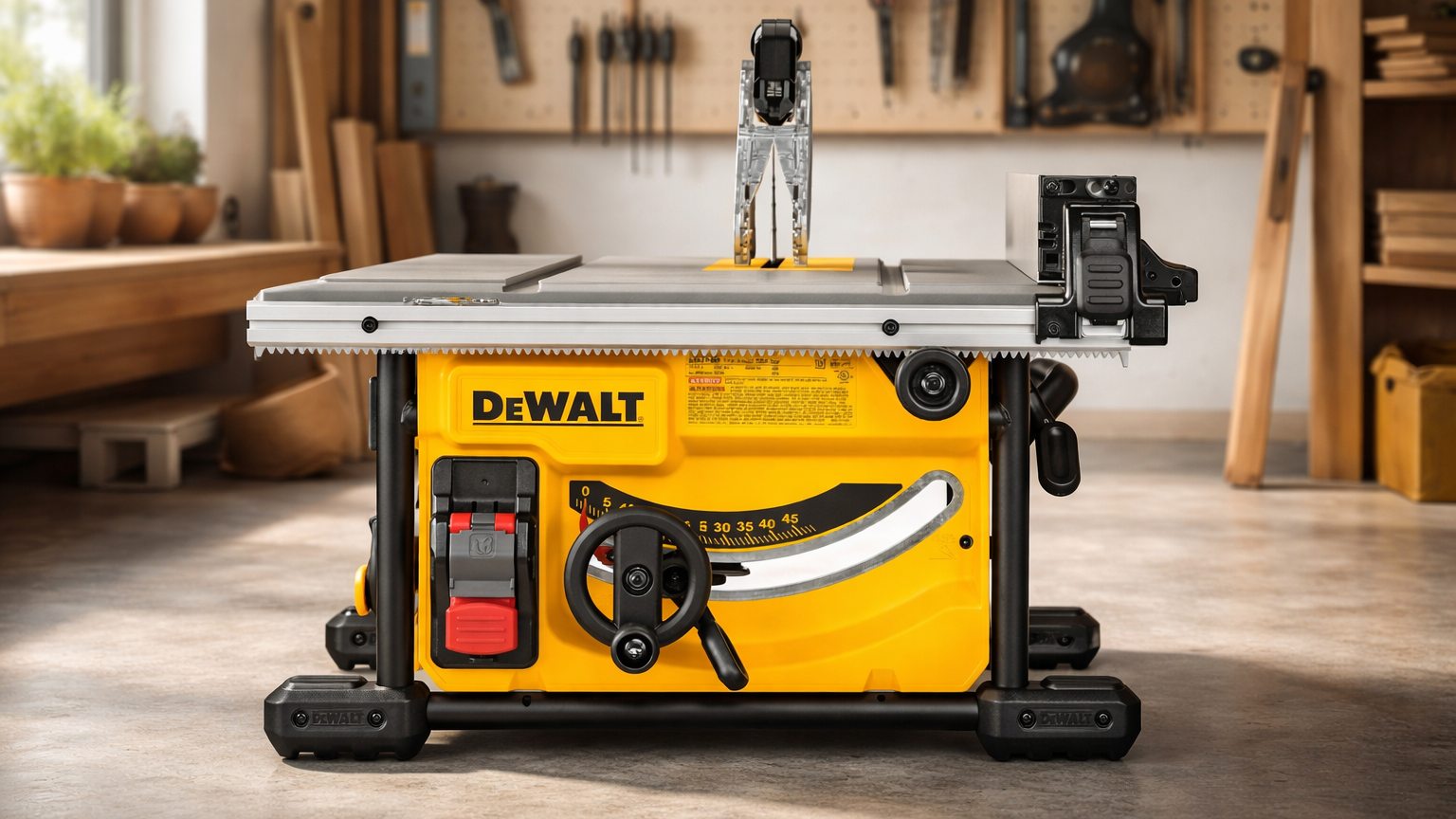
DEWALT DWE7485
More compact
A better fit when storage space and portability matter more than a larger working footprint. It gives up some overall capacity and planted feel, but it is easier to carry, tuck away, and manage in tighter work areas.
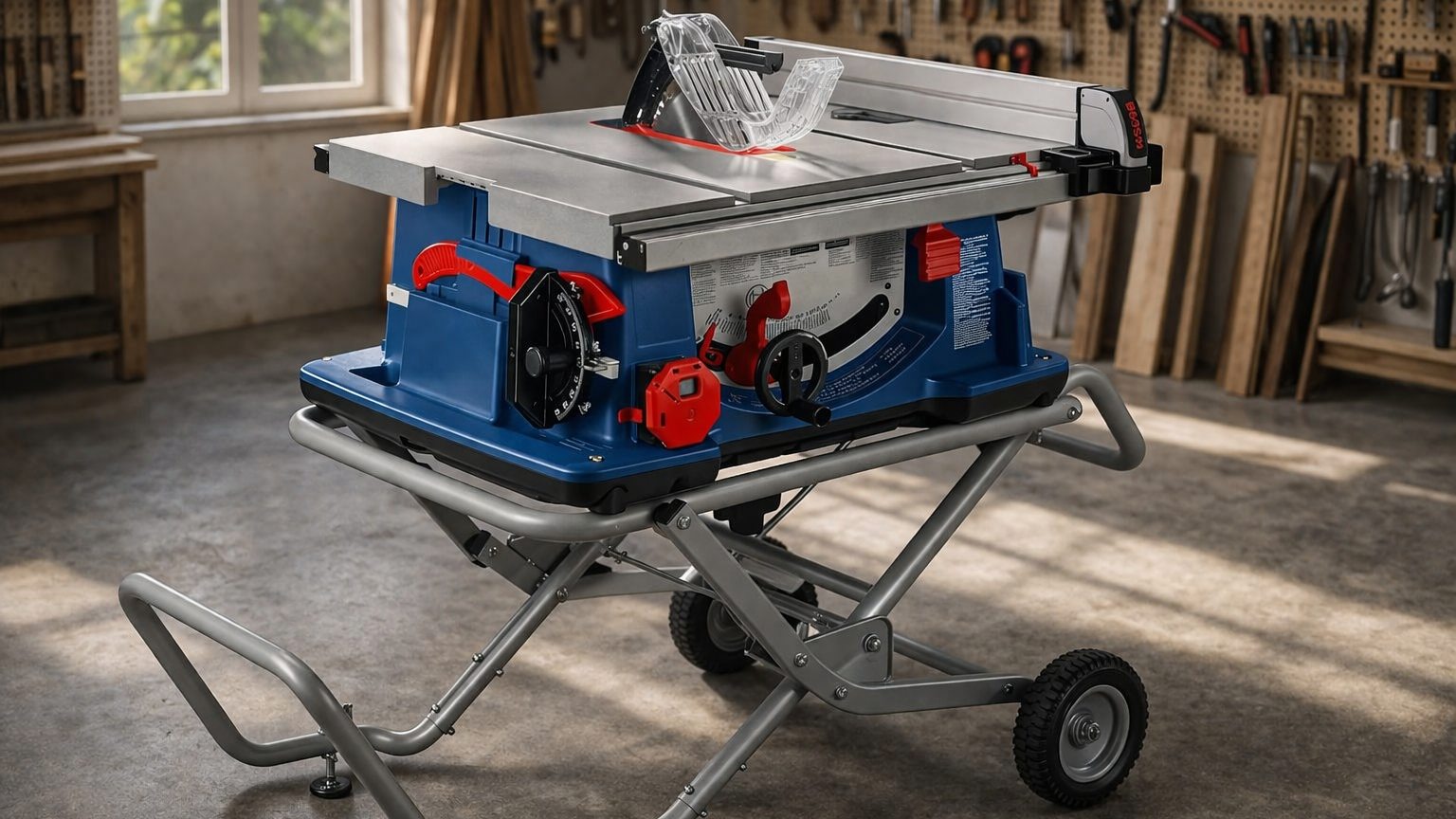
Bosch 4100XC-10
Balanced mobility
A sensible alternative for buyers who want a portable jobsite saw with a slightly different feel in setup and transport. It appeals most to those comparing day-to-day mobility and workflow convenience rather than chasing the same exact cut profile.
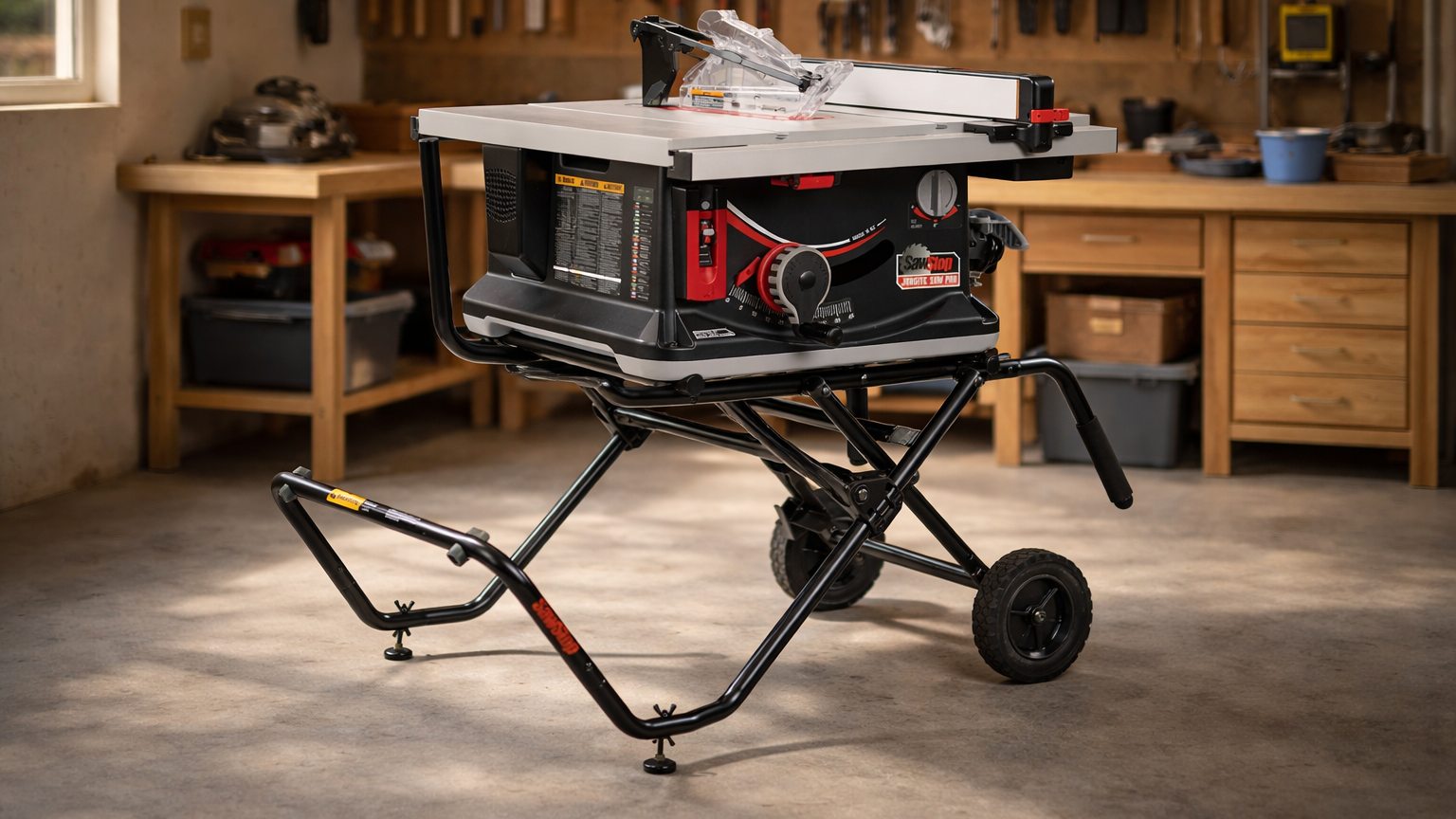
SawStop JSS-120A60
Safety focus
The better comparison if safety technology is a deciding factor and the budget allows for it. It is less about matching the DEWALT directly and more about choosing a different ownership priority with a stronger emphasis on protection over pure value.
Sources
Sources & reference notes
Specifications and product details referenced in this review were verified using publicly available manufacturer information and current product listings. Where included accessories or package contents vary, those differences should be checked against the specific version being considered.
- DEWALT product documentation and published specifications for the DEWALT DWE7491RS table saw.
- Manufacturer support and product information related to setup, included components, and replacement-part compatibility where applicable.
- Retail product listings used to confirm current naming, SKU references, and commonly included accessories or stand configurations.
Where to Buy
DEWALT DWE7491RS
Jobsite Table Saw
Typical price range: $499–$699
Pricing varies by retailer, stand inclusion, and package configuration.
Check Current PriceReview Snapshot
DEWALT DWE7491RS
8.9
Strong jobsite cutting confidence
Best for regular ripping, trim work, and renovation tasks where stability matters more than compact storage.
- Performance: Delivers steady, repeatable cuts across common jobsite and workshop tasks
- Handling: Stable in use, but bulkier to move and store than smaller portable saws
- Value: Makes more sense for frequent use than occasional weekend-only cutting
Top 10 List
See the best table saws right now
Want the full picture? Our Top 10 breaks down the best table saws by performance, value, and real-world use.
View the Top 10Compare Models
Compare this table saw head-to-head
See how the DEWALT DWE7491RS stacks up against other top table saws across cutting confidence, portability, and value.
View ComparisonsAccessories You’ll Want
- Quality combination blade (a good everyday blade improves cut quality across general ripping and crosscut tasks)
- Dedicated rip blade (helps long rip cuts feel smoother and reduces extra strain during repeated cutting)
- Push stick or push block (adds better control and safer hand placement when working near the blade)
- Outfeed support (keeps longer boards and sheet goods level for steadier, more predictable cuts)
- Dust collection hose or adapter (helps reduce debris around the saw and makes cleanup easier after longer sessions)
Tip: Blade choice, dust collection fit, and support accessories shape the day-to-day experience more than most buyers expect, so it helps to choose add-ons that match the kind of cutting done most often.