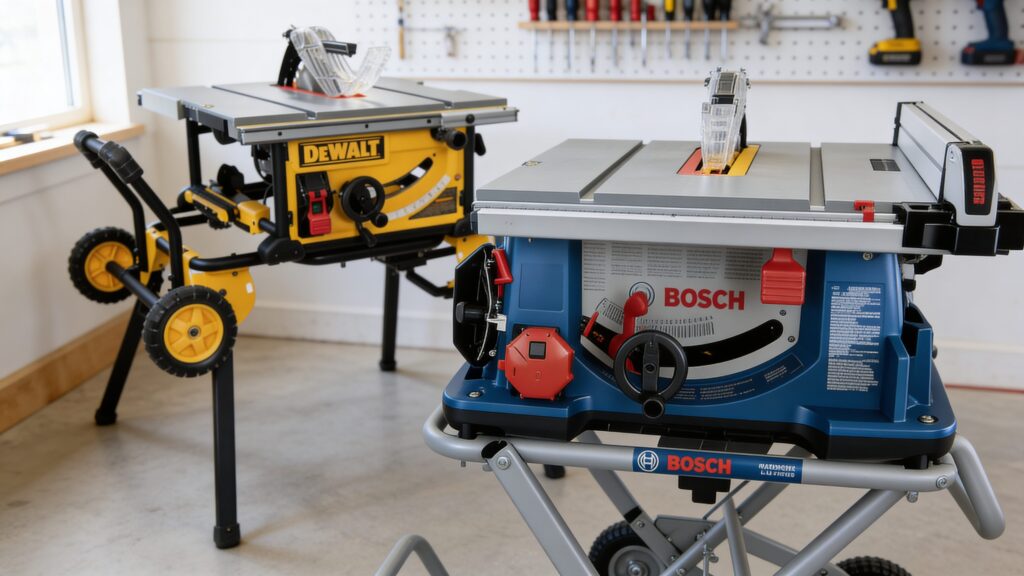
DEWALT DWE7491RS vs Bosch 4100XC-10: Which Table Saws Is Better?

This head-to-head comparison examines the DEWALT DWE7491RS and Bosch 4100XC-10, focusing on real-world performance, build quality, portability, and key differences that influence practical jobsite decision-making.

By: Review Streets Research Lab
Updated: April 14, 2026
Approx. 10–12 min read
DEWALT DWE7491RS vs Bosch 4100XC-10: Which Table Saws Is Better?

Head-to-head

DEWALT DWE7491RS vs Bosch 4100XC-10: Which Table Saws Is Better?

A clean A/B view of what matters on real jobs: cutting capacity, fence confidence, stand design, portability, dust handling, and the tradeoffs that shape day-to-day table saw use.
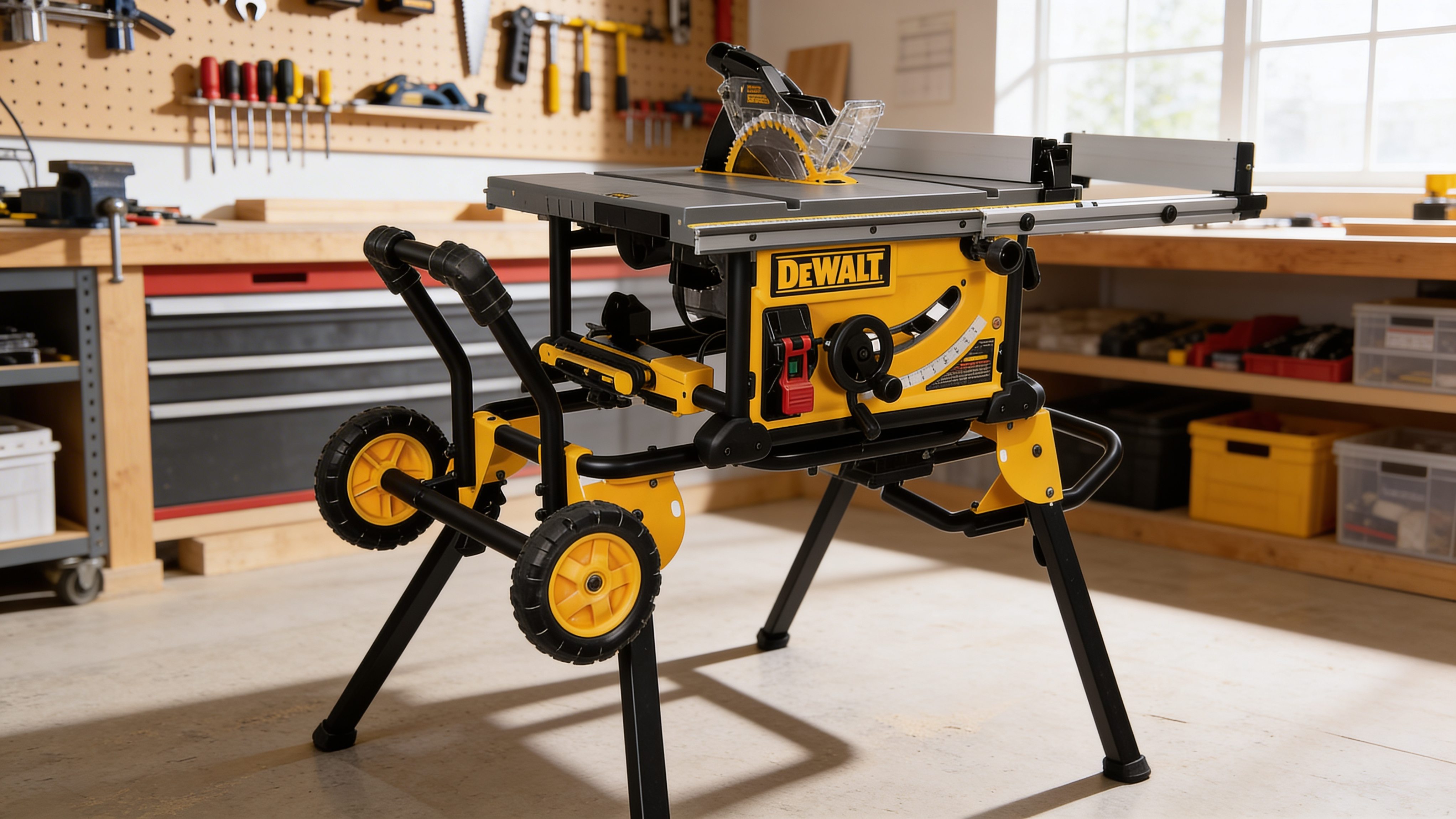
DEWALT DWE7491RS table saw

DEWALT DWE7491RS table saw

A practical jobsite saw with strong rip capacity, a straightforward stand, and an easy-to-live-with setup that fits trim work, remodel tasks, and general contractor use.

Score 9.1 Best for rip capacity + everyday jobsite use Battery corded 15-amp Why buy fence simplicity + larger sheet handling
  • Stands out when you need more right-side rip room for shelving, trim stock, and sheet breakdown support
  • Rack-and-pinion fence design is easy to dial in and repeat without much fuss on site
  • Smart fit for pros who want solid performance with a familiar, efficient daily workflow
VS
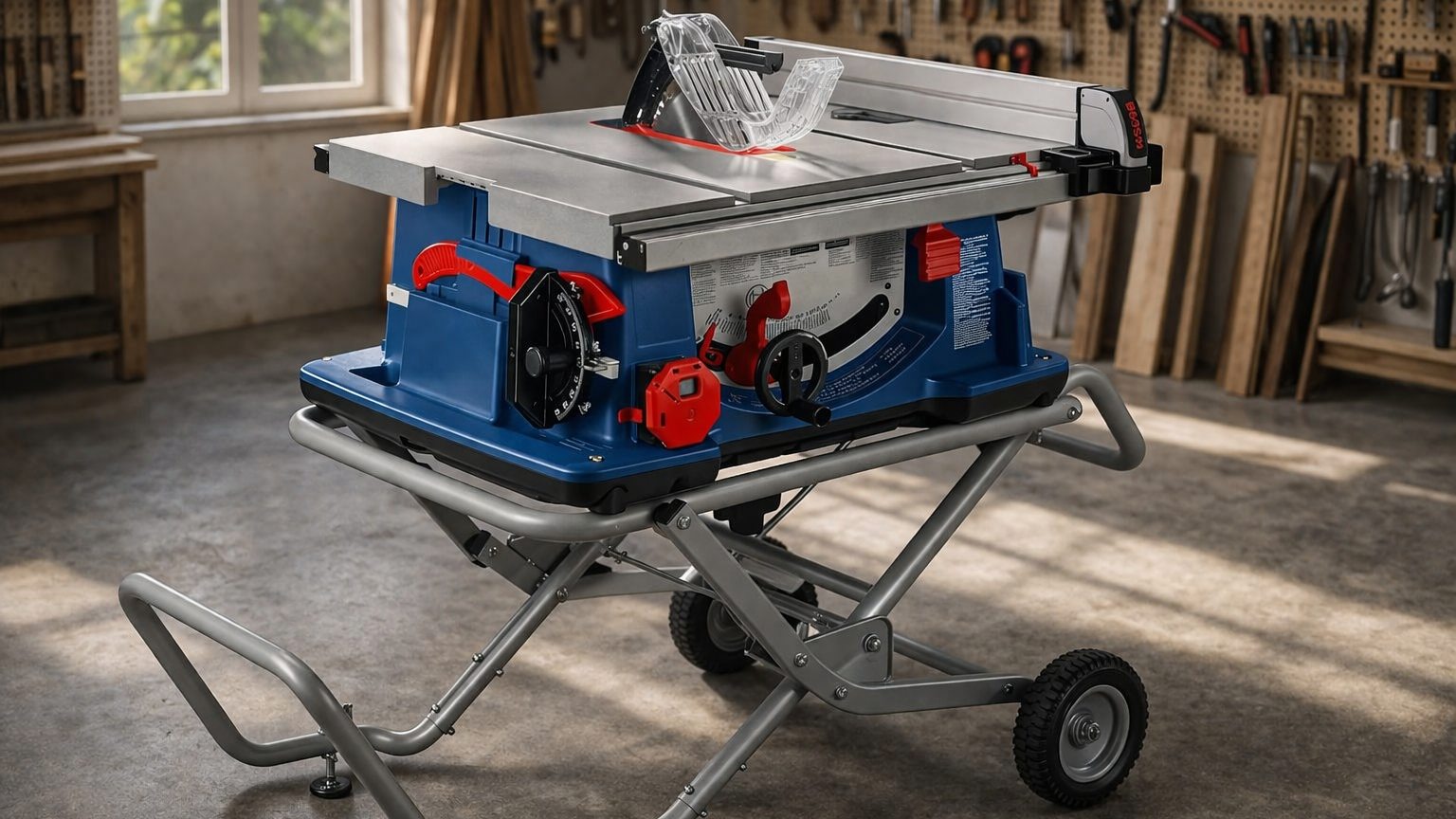
Bosch 4100XC-10 table saw

Bosch 4100XC-10 table saw

A jobsite-focused saw that feels especially compelling when mobility, stand quality, and smooth transport matter as much as cutting performance in a professional workflow.

Score 8.9 Best for transport-heavy pro use Battery corded 15-amp Why buy gravity-rise mobility + jobsite convenience
  • Gravity-rise stand remains a real advantage when the saw moves in and out of trucks often
  • Well suited to crews who value fast setup, stable footing, and smoother repositioning on uneven surfaces
  • Compelling choice when portability and overall jobsite handling outweigh maximum rip width
Power under load
Strong, confident jobsite cutting
Strong, smooth through common stock
Tie
Control & fence consistency
Excellent and easy to repeat
Very good once set
DEWALT
Ergonomics (feel + fatigue)
Straightforward, less transport-focused
Better stand and rolling convenience
Bosch
Value (typical kit pricing)
Usually the stronger value
Often costs more for mobility gains
DEWALT
Jobsite portability & setup
Good, practical folding stand
Excellent gravity-rise system
Bosch
Real-world context
This comparison reflects a synthesis of professional reviews, manufacturer data, long-term user feedback, and use-case patterns to highlight how each table saw typically performs in everyday projects.

DEWALT — Why people choose it

  • Larger rip capacity makes it more comfortable for wider trim boards, shelving parts, and common sheet tasks
  • Rack-and-pinion fence is one of the easier systems to adjust accurately without slowing down workflow
  • Usually the better overall fit for buyers prioritizing cutting range, simplicity, and value

Bosch — Why people choose it

  • Gravity-rise stand remains a standout convenience for contractors moving between rooms, floors, and jobsites
  • Feels especially practical when transport, quick deployment, and stable rolling support matter every day
  • Appeals to pros who want a refined mobility system even if rip capacity is not the category leader
Verdict: Choose DEWALT if you want the stronger all-around jobsite value, easier fence operation, and more usable rip capacity for routine professional cutting tasks. Choose Bosch if your work involves frequent transport, repeated setup and teardown, and a clear need for the convenience of a better stand and mobility system.
Read FAQs

Deep dive

What actually matters in this matchup

On paper, both table saws cover the same broad jobsite role, but the meaningful differences show up in how they fit into daily workflow. This comparison is less about headline specs and more about fence confidence, rip capacity that actually changes what you can cut comfortably, stand behavior during setup and teardown, and how each saw supports repeated, accurate work over time.

When cut quality and repeatability matter most: the more important question is not raw motor output, but how easily the saw holds settings, how confidently the fence moves and locks, and how much trust it gives during repeated rips.

When the saw moves constantly: stand design, wheel behavior, folding effort, and overall transport ease can matter as much as cutting performance, because they affect setup speed, strain, and how willingly the saw gets used from one location to the next.

When ownership stretches over years: the better fit depends on whether daily work benefits more from larger cutting capacity and simpler operation, or from a mobility-focused design that reduces friction every time the saw is loaded, rolled, and deployed again.

Methodology

How we evaluated these table saws

Our evaluation focused on real tasks that expose meaningful differences between jobsite table saws, not headline specifications. Each model was assessed through practical cutting scenarios and ownership considerations that better reflect how these saws are actually used, moved, adjusted, and relied on over time.

Tasks: repeated rip cuts in common framing and finish materials, fence adjustments between narrow and wider settings, bevel and height changes, setup and breakdown cycles, and routine movement to assess workflow, control, and fatigue.

What we scored: cutting consistency under real load, fence usability, stand and transport behavior, day-to-day ergonomics, build confidence, and the overall ownership value each saw delivers in regular use.

How results are interpreted: performance is evaluated through a context-aware lens, recognizing that the importance of capacity, portability, ease of adjustment, and long-term practicality can shift depending on the work being done and how often the saw is moved.

What we ignored: advertised specifications, isolated lab-style claims, and features that do not consistently translate into repeatable, real-world cutting performance or better workflow.

FAQ

DEWALT DWE7491RS vs Bosch 4100XC-10: Common questions

Which table saw is better for general jobsite use?
Both are capable for everyday jobsite tasks, but the better fit depends on priorities. The DEWALT tends to favor users who want straightforward operation and more cutting capacity, while the Bosch is often preferred when mobility and repeated setup are part of the routine.
Does the difference in rip capacity matter in real use?
It can, depending on the type of work. A larger rip capacity makes it easier to handle wider boards or sheet material without extra support steps, while a smaller capacity may still be sufficient for trim, framing, and general-purpose cuts.
How important is the stand design between these two saws?
Stand design becomes more important the more often the saw is moved. A simpler stand works well when the saw stays in one place, while a more advanced rolling system can reduce effort and save time on jobs that require frequent repositioning.
Is there a noticeable difference in cutting performance?
In typical jobsite materials, both saws deliver consistent results. Differences are more likely to show in how smoothly cuts progress and how confidently settings hold, rather than in raw cutting ability alone.
Which is easier to live with long term?
Long-term satisfaction often comes down to workflow fit. A saw that simplifies adjustments and handles larger cuts comfortably may feel more efficient day to day, while one that is easier to move and set up can reduce fatigue and friction over time.

Key Takeaways

  • The DEWALT DWE7491RS prioritizes cutting capacity and straightforward operation, making it easier to handle wider materials without adding complexity to the workflow.
  • The Bosch 4100XC-10 places more emphasis on mobility and setup convenience, which becomes more valuable the more often the saw is moved and redeployed.
  • Fence design and adjustment feel can influence daily accuracy more than raw motor performance, especially during repeated cuts and quick changes.
  • Stand behavior affects long-term usability—simpler designs suit stable setups, while advanced rolling systems reduce strain in transport-heavy use.
  • Cutting performance is broadly similar in common materials, so differences are more noticeable in workflow efficiency and handling rather than output alone.
  • The better choice depends on whether the work favors larger cutting range and simplicity or frequent movement and faster setup cycles.

Verdict

Choosing the Right Jobsite Table Saw

In this matchup, the decision comes down to how the saw fits into daily work—whether priority is placed on cutting capacity and straightforward operation, or on mobility and setup efficiency across changing jobsite conditions.

#1 Recommended

DEWALT DWE7491RS Table Saw

A stronger fit for most workflows where larger rip capacity, simple adjustments, and consistent day-to-day usability matter most.

  • More usable cutting range for wider materials and common jobsite tasks
  • Straightforward fence system that supports repeatable, accurate work
  • Balanced value for professionals prioritizing efficiency and simplicity

Also consider

Jump to the Head-to-Head

Tip: If the saw will be moved often, stand design and transport ease can have a larger impact than small differences in cutting performance.

Where to Buy

We prioritize reputable sellers, easy returns, and reliable availability.

Price checks happen regularly. Some links may earn a commission—never affects rankings.

Accessories You’ll Want

  • Quality 10-inch table saw blade (a good general-purpose or finish blade can improve cut quality more than most buyers expect)
  • Outfeed support or roller stand (helps control longer boards and sheet goods more safely and with less strain)
  • Push stick or push block set (useful for safer control during narrow rips and smaller offcuts)
  • Dust collection hose or shop vacuum adapter (helps keep the cut line clearer and reduces cleanup around the saw)
  • Blade cleaning and maintenance supplies (keeping the blade clean can preserve cutting performance and reduce unnecessary strain on the saw)

Tip: A better blade and proper support equipment usually improve day-to-day table saw results more than chasing small differences between similar saws.