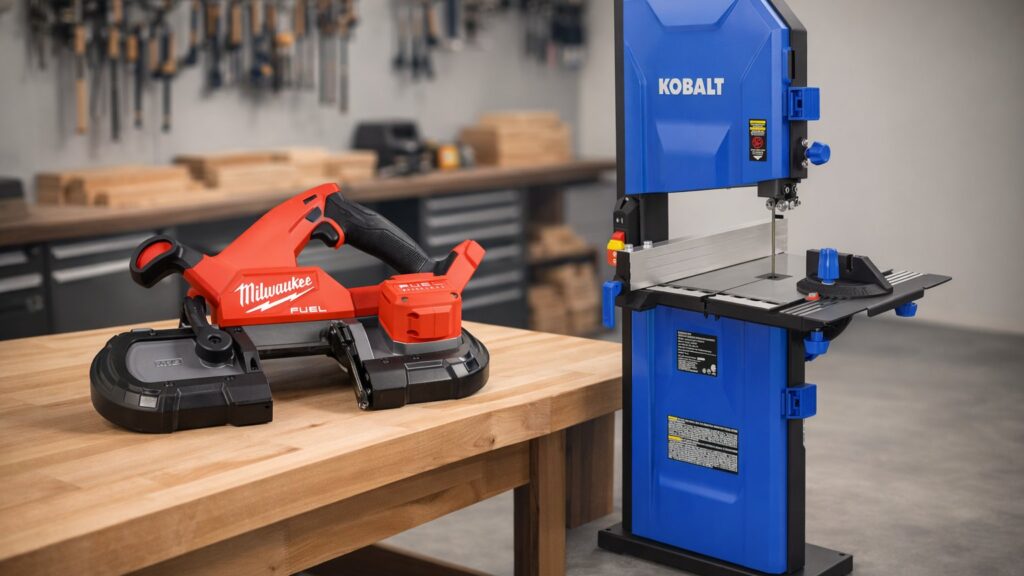
Direct Drive Band Saw vs Belt Drive Band Saw: Key Differences Explained

Direct drive and belt drive band saws differ fundamentally in how they transfer power, manage vibration, and respond under load. This comparison examines those differences in real-world cutting contexts.

By: Review Streets Research Lab
Updated: April 1, 2026
Approx. 10–12 min read
Direct Drive Band Saw vs Belt Drive Band Saw: Key Differences Explained

Head-to-head

Direct Drive Band Saw vs Belt Drive Band Saw: Key Differences Explained

A clean A/B view of what matters in real shops: power transfer, vibration behavior, maintenance demands, cutting feel, and the tradeoffs that shape everyday professional use.
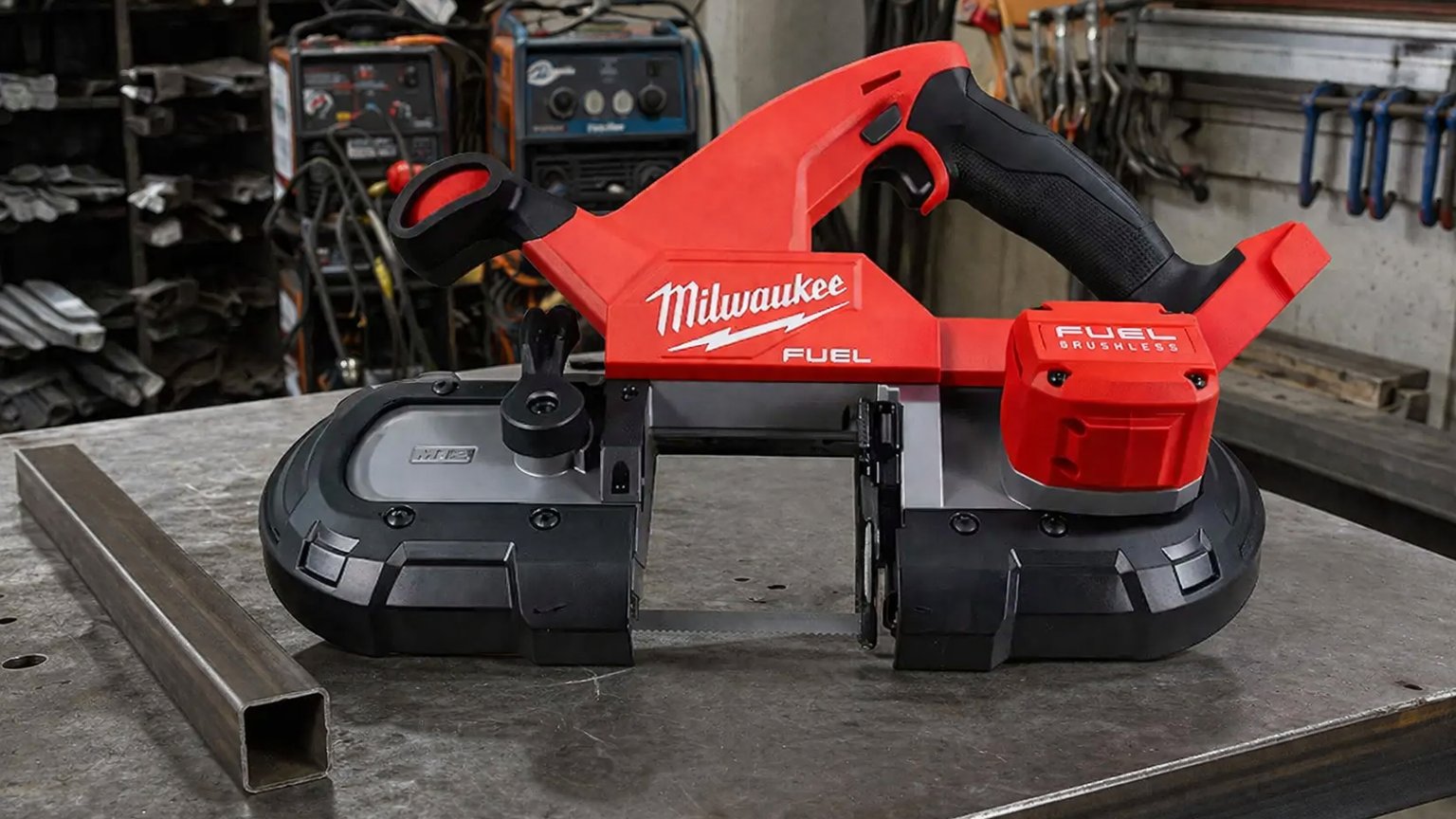
Direct Drive Band Saw

Direct Drive Band Saw

A simpler drive layout that transfers power more directly from motor to blade path, often appealing where compact packaging, reduced adjustment points, and faster setup matter more than fine-tuning.

Score 8.2 Best for compact metal-cutting duty Battery corded or dedicated platform Why buy simpler drive path
  • Typically feels more direct at startup with fewer components between motor output and blade movement
  • Often easier to package in portable or space-conscious saw designs
  • Best fit when straightforward operation matters more than pulley-based speed flexibility
VS
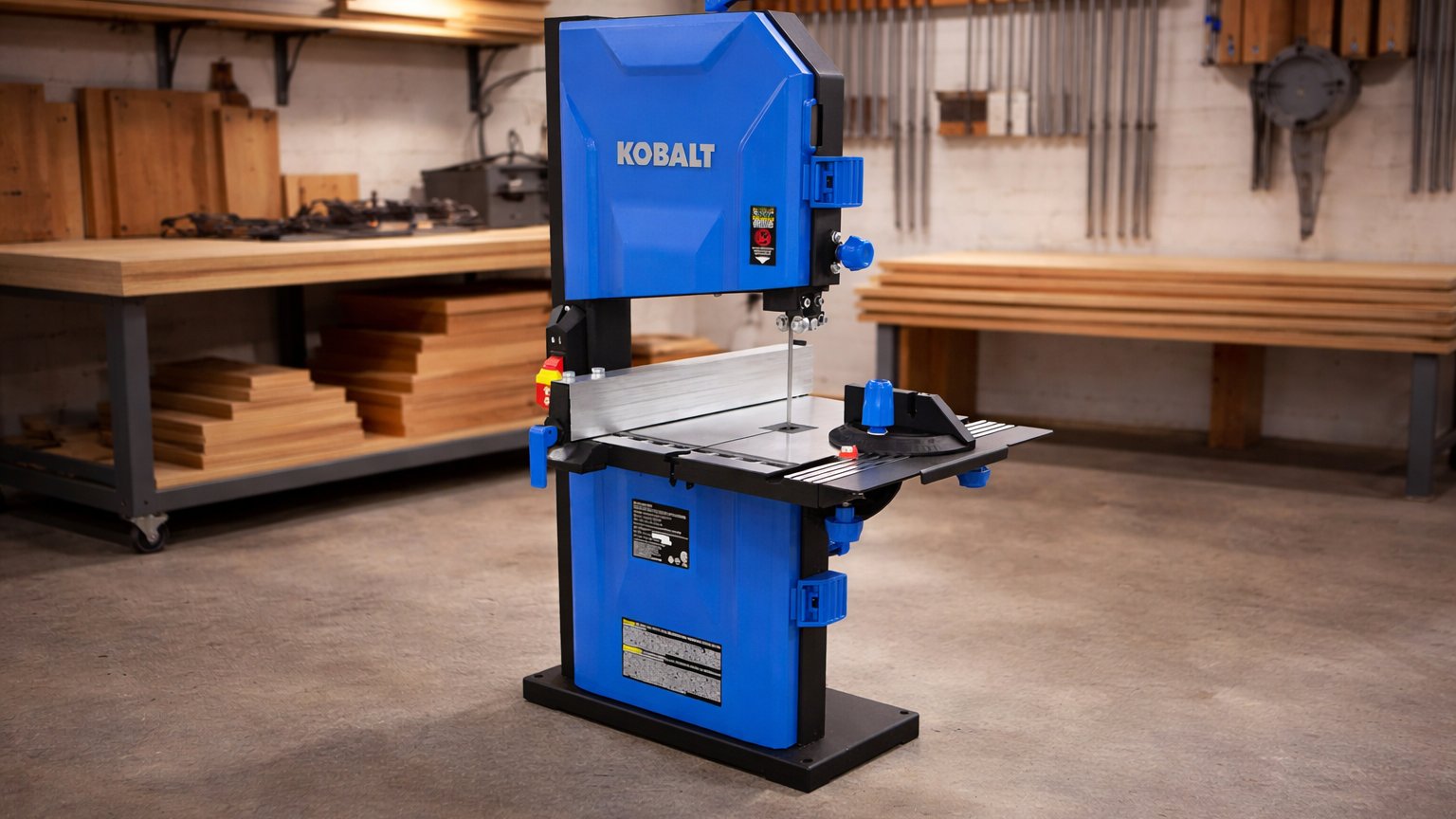
Belt Drive Band Saw

Belt Drive Band Saw

The more traditional shop-oriented layout, usually favored for smoother running characteristics, broader woodworking relevance, and the ability to tune speed and feel around the work.

Score 8.8 Best for shop-based pro work Battery corded shop power Why buy smoother, tunable operation
  • Usually better at isolating vibration and keeping the saw feeling more composed through longer cuts
  • Common in woodworking machines where smoothness and adjustability matter day after day
  • Stronger long-term choice for shops that prioritize versatility and serviceability
Power under load
Direct, immediate transfer
Strong, more buffered feel
Tie
Control & cut smoothness
Can feel harsher
Usually smoother
Belt Drive Band Saw
Ergonomics (feel + fatigue)
Compact, simpler package
Calmer over longer sessions
Belt Drive Band Saw
Value (typical ownership tradeoff)
Less tuning, fewer parts
Broader use range
Belt Drive Band Saw
Maintenance & adjustability
Simpler layout, less tuning
More tunable, more service points
Tie
Real-world context
This comparison reflects a synthesis of professional reviews, manufacturer data, long-term user feedback, and use-case patterns to highlight how each band saw drive system typically performs in everyday projects.

Direct Drive Band Saw — Why people choose it

  • More straightforward drive layout with fewer components involved in power transfer
  • Often makes the most sense in compact, portable, or metal-cutting applications
  • Appealing when quick deployment and reduced adjustment needs matter more than shop-style tuning

Belt Drive Band Saw — Why people choose it

  • Smoother running character that better suits longer cutting sessions (especially in shop settings)
  • Common choice when pros want a more composed feel and broader material versatility
  • Usually easier to match to woodworking workflows where control and setup flexibility matter
Verdict: Choose Belt Drive Band Saw if your priority is smoother everyday operation, better long-session composure, and a more versatile fit for professional shop work. Choose Direct Drive Band Saw if you value a simpler drive path, compact packaging, and a more straightforward setup for portable or task-specific cutting roles.
Read FAQs

Deep dive

What actually matters in this matchup

On paper, both drive systems can look like simple mechanical variations, but the meaningful differences show up in how the saw feels during real work. This comparison focuses on how power reaches the blade, how much vibration gets transmitted into the cut, how adjustable the system feels over time, and what each design means for setup, maintenance, and everyday workflow.

For smoother cutting feel: belt drive usually stands out because the belt can absorb some harshness before it reaches the blade path, which often translates into a calmer, more composed feel during longer sessions.

For simpler mechanical layout: direct drive reduces the number of moving parts involved in transferring power, which can make the saw feel more immediate and straightforward, especially in compact or task-specific designs.

For long-term ownership: the real decision is less about headline performance and more about whether smoother shop-oriented operation or simpler, more direct power delivery better matches the way the saw will actually be used.

Methodology

How we evaluated these band saw drive systems

Our evaluation focused on real tasks that expose meaningful differences between band saw drive systems, not spec-sheet advantages. Each setup was assessed through practical cutting scenarios and ownership considerations to reflect how these machines are actually used, maintained, and compared in the real world.

Tasks: repeated straight cuts, controlled starts in common materials, longer cutting sessions, and routine setup checks to assess power delivery, vibration behavior, smoothness, and workflow impact.

What we scored: performance under load, consistency through the cut, usability over time, build confidence, and the practical ownership tradeoffs tied to maintenance, adjustability, and long-term flexibility.

How results are interpreted: performance is evaluated relative to real-world use cases, recognizing that the importance of smoothness, directness, adjustability, and service demands can shift depending on the type of work and how often the saw is used.

What we ignored: advertised claims, isolated lab-style numbers, and features that do not translate into repeatable real-world cutting performance or meaningful day-to-day ownership benefits.

FAQ

Direct Drive Band Saw vs Belt Drive Band Saw: Common questions

Which band saw drive system is better for general woodworking?
Belt drive band saws are more commonly used in woodworking because they tend to run smoother and allow for better control over longer cuts. They also typically offer more flexibility in adjusting cutting speed and feel, which matters in a wider range of materials.
When does a direct drive band saw make more sense?
Direct drive designs are often a better fit when simplicity and compact size matter, such as in portable setups or task-specific cutting. They can feel more immediate in operation and require fewer adjustments, which can be useful in faster-paced or space-limited environments.
Is the difference in smoothness noticeable during real cuts?
In many cases, yes. Belt-driven systems tend to reduce some vibration before it reaches the blade, which can make cuts feel more controlled, especially during longer sessions or when consistency matters.
Which system requires more maintenance over time?
Belt drive systems introduce additional components like belts and pulleys that may require periodic inspection or adjustment. Direct drive systems are simpler mechanically, but overall maintenance needs still depend on how frequently the saw is used and the conditions it operates in.

Key Takeaways

  • Belt drive systems tend to deliver a smoother, more controlled cutting experience, which becomes more noticeable during longer sessions or precision-focused work.
  • Direct drive setups prioritize simplicity and immediacy, making them easier to deploy and maintain when adjustability and fine tuning are less critical.
  • The difference is less about raw cutting ability and more about how the saw feels under load and how predictable it remains through the cut.
  • Belt drive designs generally fit better in dedicated shop environments where consistency and versatility matter over time.
  • Direct drive designs are often better aligned with compact, portable, or task-specific use where space and setup speed take priority.
  • Long-term satisfaction typically comes from matching the drive system to workflow—either smoother, tunable operation or simpler, more direct power delivery.

Verdict

Choosing the Right Band Saw Drive System

In this matchup, the decision comes down to how the saw behaves during real work—whether smoother, more controlled operation or a simpler, more direct drive path better aligns with how the tool will be used day to day.

#1 Recommended for most shop use

Belt Drive Band Saw

The more versatile choice for consistent cutting, longer sessions, and environments where smoothness and control matter over time.

  • More composed feel through longer or repetitive cuts
  • Better suited to varied materials and precision-focused work
  • Greater flexibility in tuning performance to match the task

Also consider

Jump to the Head-to-Head

Tip: If your work prioritizes smooth, repeatable cuts, belt drive is typically the better fit; if space, portability, or simplicity matter more, direct drive can be the more practical option.

Where to Buy

We prioritize reputable sellers, easy returns, and reliable availability.

Price checks happen regularly. Some links may earn a commission—never affects rankings.

Accessories You’ll Want

  • Replacement band saw blades (keep different tooth counts and blade widths on hand so the saw can stay matched to the material and cut style)
  • Blade cleaning stick (helps remove pitch and buildup that can shorten blade life and reduce cutting consistency)
  • Mobile base or stand (useful for moving heavier shop saws safely and reclaiming floor space when the saw is not in use)
  • Dust collection hose and fittings (improves cleanup, visibility around the cut line, and overall shop comfort during longer sessions)
  • Push stick or push block (adds control and safety when guiding smaller workpieces near the blade)

Tip: Blade choice often matters more than the saw itself—buy the drive system that fits your workflow, then keep the right blades and maintenance basics on hand.