Direct Drive Table Saws vs Belt Drive Table Saws: Key Differences Explained

Direct drive and belt drive table saws differ in power delivery, noise, and durability. This comparison examines real-world performance, maintenance demands, and use cases to clarify which design better fits specific woodworking needs.

By: Review Streets Research Lab
Updated: April 14, 2026
Approx. 10–12 min read
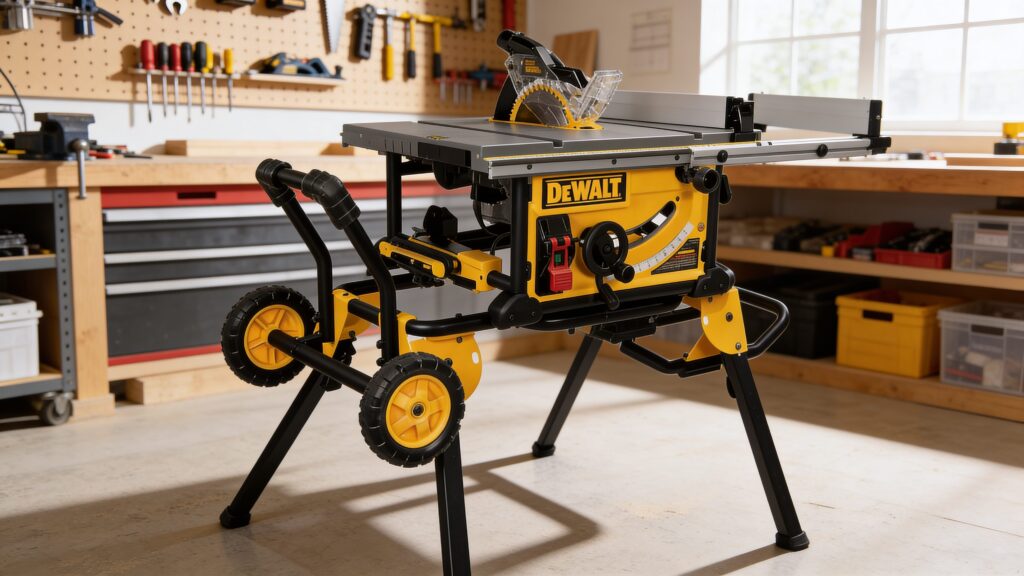
DeWalt DWE7491RS jobsite table saw for woodworking projects

Head-to-head

Direct Drive Table Saws vs Belt Drive Table Saws: Key Differences Explained

A clean A/B view of what matters in real shops: power delivery, noise, maintenance, cabinet size, and the tradeoffs that shape which drive system makes more sense for different woodworking priorities.
Direct Drive Table Saws

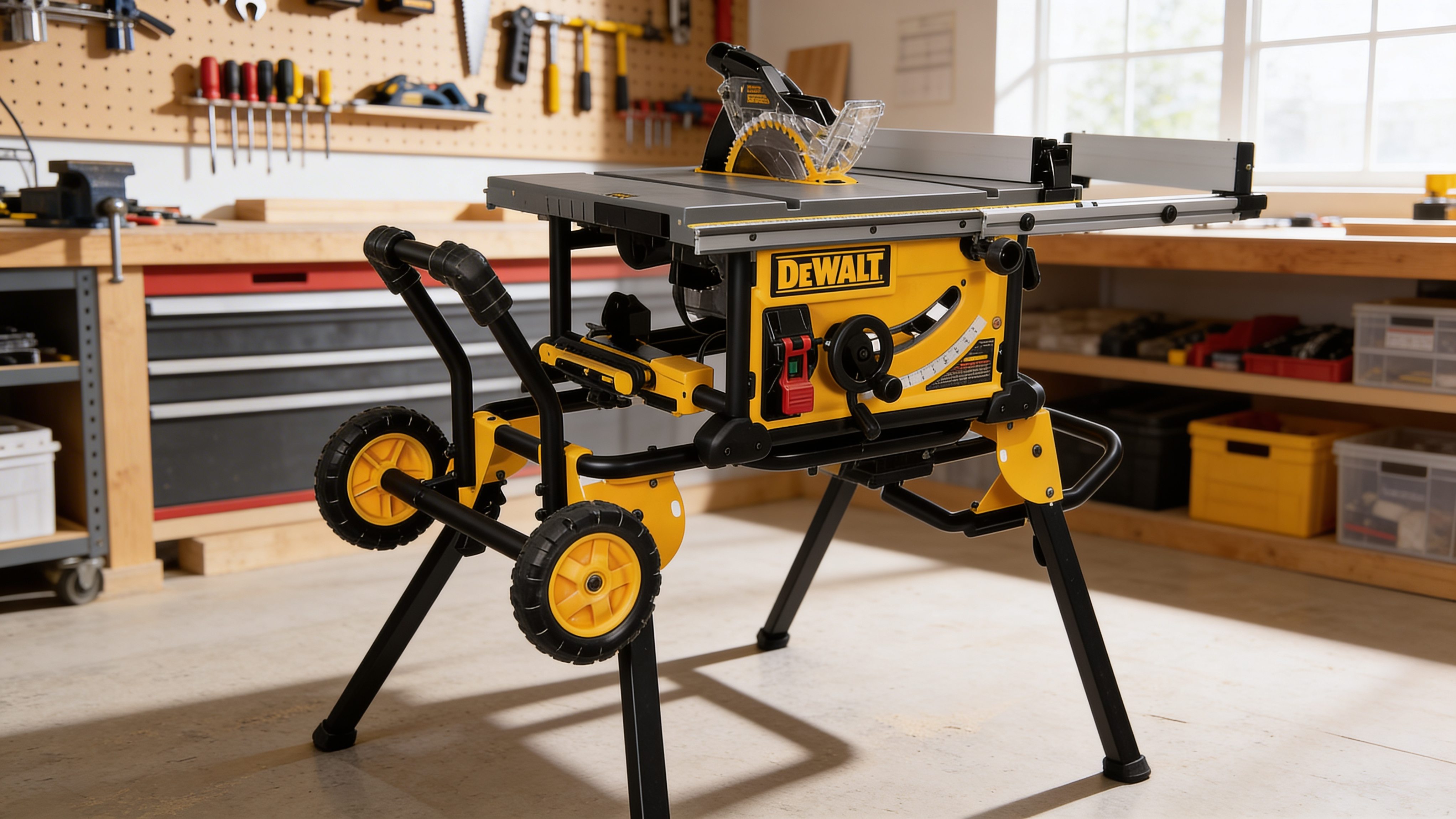
Direct Drive Table Saws

A compact, jobsite-friendly design that puts the motor directly on the blade arbor—well suited to portability, simpler maintenance, and shops where space matters as much as cutting capability.

Score 8.8 Best for portable and small-shop use Drive direct Why buy compact size + lower upkeep
  • Usually easier to move, store, and fit into tighter workspaces
  • Simpler drive layout means fewer parts to adjust or replace over time
  • Common on jobsite saws where convenience and footprint matter most
VS
Belt Drive Table Saws

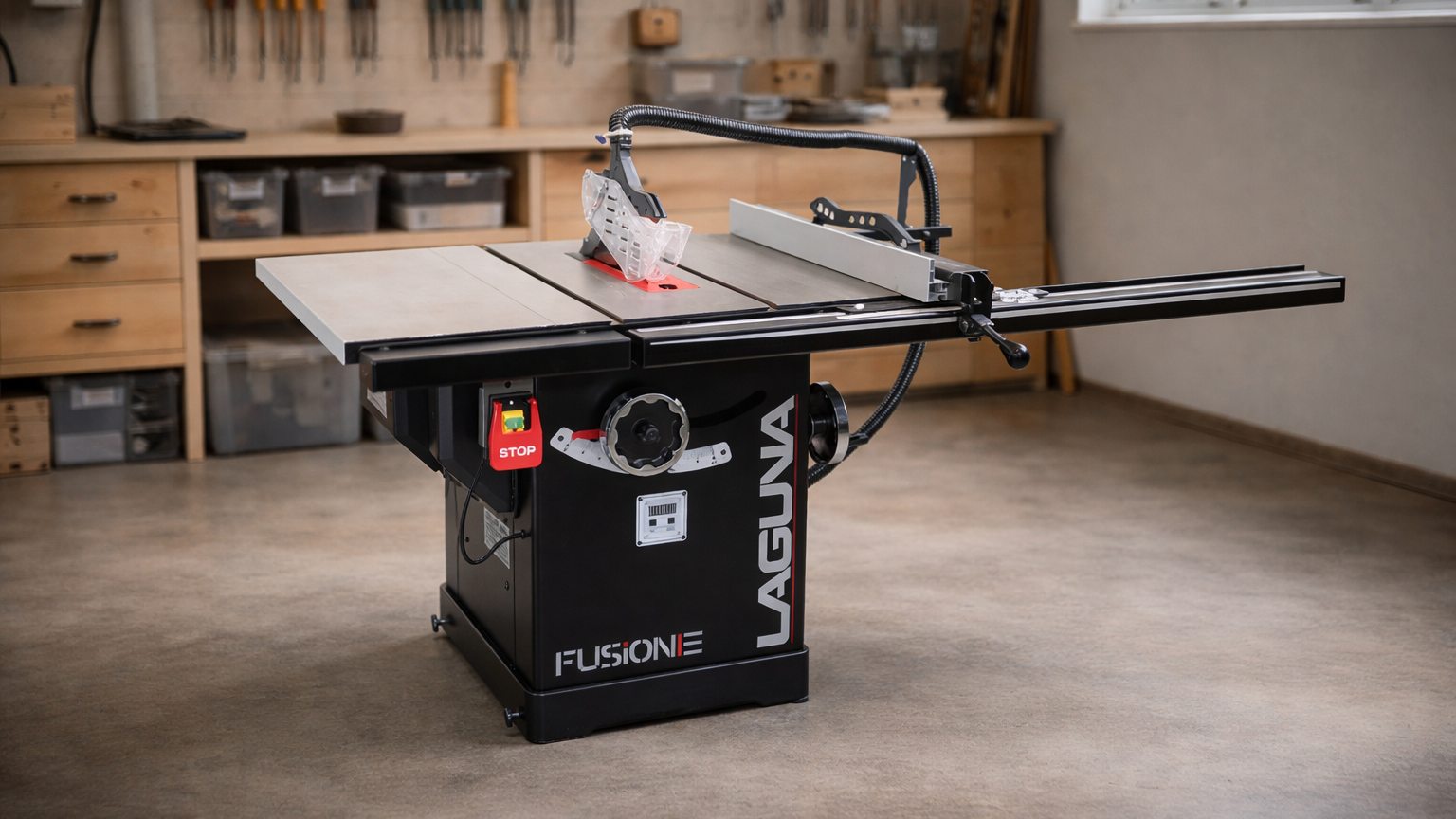
Belt Drive Table Saws

A heavier, shop-oriented setup that separates the motor from the arbor—typically favored where smoother cutting feel, stronger long-session performance, and more refined cabinet-saw behavior are priorities.

Score 9.2 Best for dedicated workshop duty Drive belt Why buy smoother cuts + more headroom
  • Commonly paired with heavier saw bodies that feel steadier on demanding cuts
  • Often better suited to thicker hardwoods and longer ripping sessions
  • Stronger fit for serious woodworking where refinement matters more than mobility
Power under load
Good for routine cuts
More headroom
Belt Drive
Control & clutch consistency
Straight, responsive feel
Smoother power transfer
Belt Drive
Ergonomics (feel + fatigue)
Lighter, easier to move
More stable, less portable
Direct Drive
Value (typical kit pricing)
Usually lower entry cost
Higher upfront spend
Direct Drive
Battery ecosystem depth
Better for mobile setups
Better for fixed-shop performance
Belt Drive
Real-world context
This comparison reflects a synthesis of professional reviews, manufacturer data, long-term user feedback, and use-case patterns to highlight how each table saw drive style typically fits real woodworking environments.

Direct Drive Table Saws — Why people choose it

  • Smaller footprint and easier transport for garages, basements, and jobsite work
  • Less drivetrain complexity can mean easier ownership for casual or mixed-use buyers
  • Usually the more practical route when budget and storage matter most

Belt Drive Table Saws — Why people choose it

  • Better suited to sustained ripping and heavier hardwood work (especially in dedicated shops)
  • Heavier cabinet-style builds tend to feel calmer and more planted during cuts
  • Stronger fit for woodworkers prioritizing refinement, longevity, and higher-end performance
Verdict: Choose Belt Drive Table Saws if your work is shop-based and you want a steadier, more refined platform for frequent ripping, thicker stock, and longer-term woodworking ambitions. Choose Direct Drive Table Saws if you need portability, a smaller footprint, easier maintenance, and a more accessible path into table saw ownership without giving up everyday cutting capability.
Read FAQs

Deep dive

What actually matters in this matchup

On paper, both drive systems can produce accurate, useful cuts, but the real differences show up in how the saw feels over time. This comparison focuses on how power is delivered through the cut, how much vibration and noise shape the experience, how the saw fits the available space, and what ownership looks like once maintenance, mobility, and long-term workshop goals enter the picture.

For smaller spaces: footprint, portability, and simpler ownership often matter more than maximum refinement, which is why direct drive designs tend to make more sense when the saw needs to be moved, stored, or shared with other workspace demands.

For frequent shop use: smoother power transfer, a steadier feel through denser stock, and the confidence that comes from a heavier, more settled platform become more important, which is where belt drive saws usually justify their size and added complexity.

For long-term ownership: the real choice is often between convenience and refinement—direct drive favors accessibility and lower upkeep, while belt drive favors a more workshop-centered experience that better supports sustained use and higher expectations over time.

Methodology

How we evaluated these table saw drive systems

Our evaluation focused on real woodworking scenarios that highlight how direct drive and belt drive table saws behave in practice, not just how they differ on paper. Each design was assessed through a context-aware approach to reflect how these saws are actually used in shops, garages, and jobsite environments.

Tasks: ripping sheet goods and hardwoods, crosscutting common stock, repeated cuts over longer sessions, and setup adjustments to evaluate stability, smoothness, vibration, and workflow impact.

What we scored: power delivery through the cut, consistency under load, overall saw stability, ease of setup and adjustment, and how each drive system affects long-term ownership and usability.

How results are interpreted: performance is evaluated in context, recognizing that priorities like portability, smoothness, durability, and space efficiency carry different weight depending on the type of work and environment.

What we ignored: isolated motor specs, peak horsepower claims, and features that don’t consistently translate into measurable, real-world improvements during everyday cutting tasks.

FAQ

Direct Drive Table Saws vs Belt Drive Table Saws: Common questions

Which type of table saw is better for most home workshops?
For many home workshops, direct drive table saws are the more practical choice. They are typically smaller, easier to move, and require less ongoing adjustment, which fits well in limited or shared spaces.
When does a belt drive table saw make more sense?
Belt drive saws make more sense in dedicated workshop settings where the saw stays in place and is used frequently. The added size and complexity are usually justified by a smoother cutting feel and better long-session performance.
Is there a noticeable difference in cutting performance?
In lighter materials and occasional use, the difference is often minimal. Under heavier loads or longer sessions, belt drive systems tend to feel more stable and consistent, especially with thicker hardwoods.
Which type requires more maintenance?
Belt drive saws generally require more periodic attention, such as checking belt tension and alignment. Direct drive systems have fewer moving parts, which can simplify long-term ownership, especially for less frequent users.
Which is better if space and mobility are priorities?
Direct drive table saws are typically better suited for tighter spaces and setups that require mobility. Their more compact design and lighter overall build make them easier to reposition or store when not in use.

Key Takeaways

  • Direct drive table saws prioritize portability and simplicity, making them a more practical fit for shared spaces or setups that require frequent movement.
  • Belt drive table saws emphasize smoothness and stability, which becomes more noticeable during longer sessions or when working with denser materials.
  • The difference is less about raw cutting ability and more about how each saw feels over time, especially in terms of vibration, noise, and consistency.
  • Ownership experience diverges: direct drive favors lower maintenance and easier setup, while belt drive introduces more components but supports a more refined workflow.
  • Space and workflow constraints often matter as much as performance, with larger belt drive setups requiring a more permanent shop layout.
  • The right choice depends on how the saw will be used day to day—mobility and convenience versus stability and long-term shop performance.

Verdict

Choosing the Right Table Saw Drive System

In this comparison, the decision comes down to how the saw fits into your workflow—whether you prioritize portability and simplicity or a more stable, refined cutting experience over time.

#1 Winner

Belt Drive Table Saws

Better suited to dedicated shop environments where smoother operation, stability, and long-session consistency matter most.

  • More stable feel during longer or heavier cutting sessions
  • Smoother power delivery that supports consistent results
  • Stronger fit for permanent workshop setups and ongoing use

Runner-up

Jump to the Head-to-Head

Tip: If your workspace or workflow requires frequent movement or limited space, that can outweigh the benefits of a larger, more stationary setup.

Where to Buy

We prioritize reputable sellers, easy returns, and reliable availability.

Price checks happen regularly. Some links may earn a commission—never affects rankings.

Accessories You’ll Want

  • Quality combination blade set (a dependable everyday blade plus task-specific options for cleaner rip cuts or smoother crosscuts)
  • Push stick or push block set (helps with control and safer feeding, especially on narrower cuts)
  • Zero-clearance insert (useful for reducing tear-out and improving cut support on finer work)
  • Outfeed support (makes longer boards and sheet goods easier to manage with more control)
  • Dust collection hose or shop vacuum adapter (improves cleanup and makes the saw more pleasant to use over longer sessions)

Tip: Match accessories to how the saw will actually be used—portable setups benefit most from mobility and dust-control add-ons, while shop-based saws usually gain more from cut-quality and support upgrades.