
Eye Treatments Buying Guide for Oily Skin
Oily facial skin does not mean the eye area needs an oil-control treatment. The useful buying question is whether an eye product adds the desired hydration or cosmetic active without leaving a heavy film, migrating, or destabilizing sunscreen and makeup.
Light gels and lotions may feel easier, but texture labels reveal little about the complete formula. Evaluate finish, dispensing, ingredient overlap, and placement instead of seeking an eye cream that claims to shrink facial oil production.
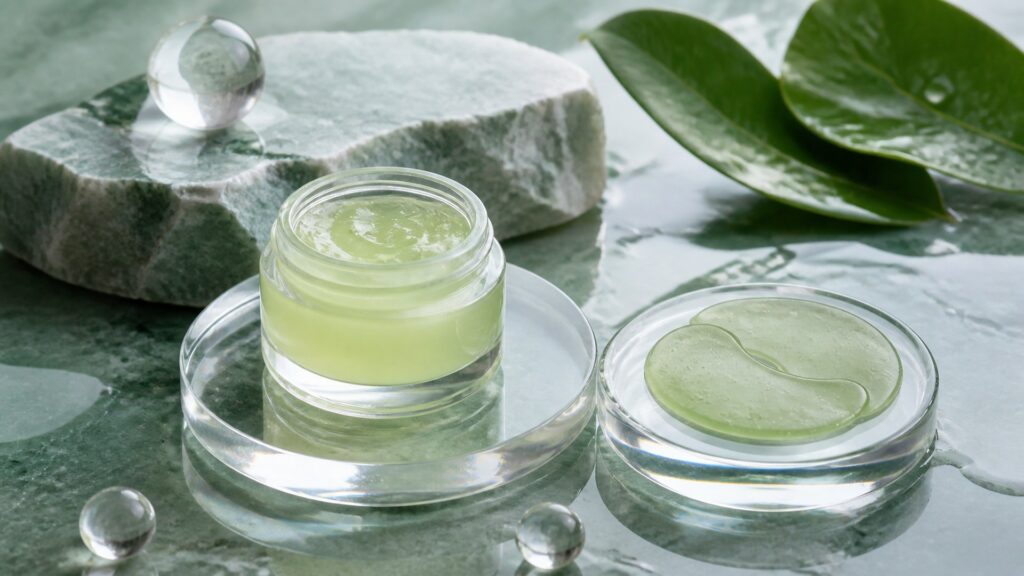
Buying framework
Define the oily skin routine before comparing products
Use the setting, frequency, and skin priorities to narrow eye treatments logically.
Start with the use case: Separate shine on the surrounding face from the specific eye-area concern the product is meant to address.
Rank the practical tradeoffs: Choose a finish that layers with the user’s sunscreen, concealer, and powder without requiring extra mattifying steps.
Check instructions early: Review rich occlusives and fragrant ingredients for individual compatibility rather than categorically rejecting all oils.
Use profiles
Match eye treatments to the person and pace
Three shopper profiles expose different priorities for oily skin.
Routine-focused buyer: A makeup user may prefer a fast-set gel that leaves concealer anchored instead of floating on emollient residue.
Performance-focused buyer: A combination-skin buyer might need targeted moisture around the eyes despite oilier cheeks and forehead.
Occasional or flexible user: An acne-prone user should keep products within their labeled eye-area placement and avoid assuming noncomedogenic language guarantees universal compatibility.
Specifications
Read the specifications through a oily skin lens
Translate technical language into visible routine benefits.
Handling lens
Test the expected dose under the complete morning routine and inspect separation several hours later.
Ownership lens
Compare cost per controlled pump; a lightweight formula can still be wasteful when its dispenser releases too much.
Formula Texture: Gel, lotion, and fluid textures generally spread thinly, but the final film depends on the entire ingredient system.
Packaging Hygiene: Dry-down speed affects whether sunscreen or concealer shifts during application.
Ingredient Tolerability: Pump dosing helps prevent the oversized amount that creates unnecessary shine.
Layering Compatibility: Silicone and emollient balance influences slip, smoothing, and potential migration.
Day-Versus-Night Use: Packaging hygiene matters when a lightweight formula is used daily and kept for months.
Common mistakes
Avoid shortcuts that undermine oily skin
A good purchase can still disappoint when selection or use is based on the wrong assumption.
Buying from one metric: Do not use harsh facial oil-control products directly around the eyes unless their directions explicitly permit it.
Skipping compatibility checks: Avoid skipping all hydration because the T-zone is oily.
Ignoring post-use care: Do not label every emollient as pore-clogging without considering concentration, placement, and individual response.
Decision guidance
Choose the simplest option that covers the real need
Use these decision rules to finish a shortlist for oily skin.
Choose the basic format when: Choose a quick-set fluid when cosmetic layering and low residue are the principal requirements.
Choose the flexible format when: Use a richer product selectively when the eye area feels dry despite oil elsewhere on the face.
Pause before upgrading when: Skip the separate step if it adds shine without delivering a distinct benefit beyond the facial moisturizer.
Ownership & compatibility
Plan for clean, repeatable ownership
The best value remains convenient after the first few uses.
Consumables and replacements: Keep the dispenser clean so a thin formula does not dry around and alter pump volume.
Cleaning and storage: Store away from excessive heat that can change separation or texture.
Routine compatibility: Reassess the whole morning stack when pilling occurs instead of blaming the eye product automatically.
FAQ
Eye Treatments Buying Guide for Oily Skin FAQ
Practical answers about choosing and owning eye treatments for oily skin.
What matters most when choosing eye treatments for oily skin?
Is the most expensive option better for oily skin?
How should I compare two similar eye treatments options?
Bottom line
Buy for repeatable oily skin results
A focused shortlist is easier to own and use well.
Prioritize fit: Treat oily skin and eye-area needs as related but distinct questions.
Verify the limits: Judge the final film beneath the complete morning stack.
Count ownership costs: Use controlled dosing before rejecting an otherwise compatible formula.
Reading Shortcuts
Jump to the key eye treatments decisions.
Decision Reminders
Keep these checks beside your shortlist.
- Check formula texture: Keep products out of the eye and stop use if significant irritation develops.
- Check packaging hygiene: Introduce one new formula at a time and patch test when appropriate.
- Check ingredient tolerability: Treat sunscreen as a separate daytime requirement unless the product is labeled with adequate SPF.
Glossary Snippets
Plain-language eye treatments terms.
When to Use a Top 10 Review
Use a ranked list to identify a manageable set of strong candidates.
- You are still exploring: A ranked list can reveal the main formats and price tiers.
- You want a shortlist: Start broad, then confirm fit with this buying guide.
Have finalists? Use a Comparison.
When to Use a Comparison
Use a direct comparison when only a few candidates remain.
- Features are close: Side-by-side details clarify meaningful differences.
- Prices overlap: Compare ownership value, not only purchase price.
Still exploring? See the Top 10.