
Facial Moisturizers Buying Guide for Oily Skin
Oily skin can still be dehydrated and uncomfortable. A facial moisturizer should add water and flexible barrier support without leaving a finish that discourages sunscreen, encourages over-cleansing, or destabilizes makeup.
Gel is not automatically better and oil is not automatically worse. Complete formula, dose, climate, treatment dryness, and individual response determine whether a product feels balanced.
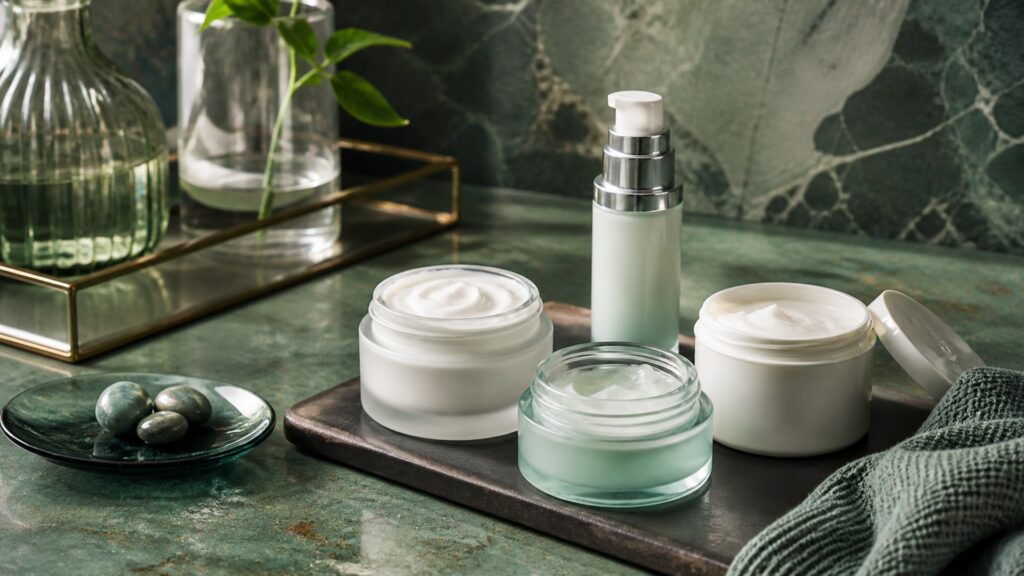
Buying framework
Define the oily skin routine before comparing products
Use the setting, frequency, and skin priorities to narrow facial moisturizers logically.
Start with the use case: Separate surface shine from tightness, flaking, and acne-treatment dryness.
Rank the practical tradeoffs: Test moisturizer after the actual cleanser and active products used each day.
Check instructions early: Define acceptable shine after sunscreen, because the moisturizer is not the only layer contributing finish.
Use profiles
Match facial moisturizers to the person and pace
Three shopper profiles expose different priorities for oily skin.
Routine-focused buyer: An acne-treatment user may need more barrier support than skin oiliness alone suggests.
Performance-focused buyer: A makeup wearer benefits from a quick-set film that does not cause base products to slide.
Occasional or flexible user: A humid-climate user can favor lighter texture while keeping enough comfort for air-conditioned environments.
Specifications
Read the specifications through a oily skin lens
Translate technical language into visible routine benefits.
Handling lens
Judge moisturizer and sunscreen together several hours later.
Ownership lens
Compare cost per measured dose rather than paying for an oil-free claim alone.
Humectant And Emollient Balance: Light gels often use humectants and film formers but can range from tacky to powdery.
Texture And Finish: Lotions balance water, emollients, and lighter occlusion in many different ways.
Fragrance Profile: Silicones can add slip and smoothing without acting like a heavy oil layer.
Packaging Hygiene: Pump control prevents excess product from becoming unnecessary shine.
Day-Versus-Night Compatibility: Fragrance and botanicals deserve review when acne treatments already create sensitivity.
Common mistakes
Avoid shortcuts that undermine oily skin
A good purchase can still disappoint when selection or use is based on the wrong assumption.
Buying from one metric: Do not skip hydration solely because the forehead becomes shiny.
Skipping compatibility checks: Avoid using harsh cleanser to compensate for an oversized moisturizer dose.
Ignoring post-use care: Never assume every breakout following a new routine comes from one emollient without controlled testing.
Decision guidance
Choose the simplest option that covers the real need
Use these decision rules to finish a shortlist for oily skin.
Choose the basic format when: Choose a gel when fast absorption and minimal residue remain comfortable.
Choose the flexible format when: Use a light lotion when treatment dryness needs more emollient support.
Pause before upgrading when: Skip a separate moisturizer only when another directed product genuinely supplies the required support.
Ownership & compatibility
Plan for clean, repeatable ownership
The best value remains convenient after the first few uses.
Consumables and replacements: Keep dispenser dose stable and clean residue from the pump.
Cleaning and storage: Reassess texture as acne treatment, season, or humidity changes.
Routine compatibility: Introduce replacements one at a time so congestion or irritation can be interpreted.
FAQ
Facial Moisturizers Buying Guide for Oily Skin FAQ
Practical answers about choosing and owning facial moisturizers for oily skin.
What matters most when choosing facial moisturizers for oily skin?
Is the most expensive option better for oily skin?
How should I compare two similar facial moisturizers options?
Bottom line
Buy for repeatable oily skin results
A focused shortlist is easier to own and use well.
Prioritize fit: Treat oiliness and hydration as different variables.
Verify the limits: Test the moisturizer beneath the sunscreen that completes the finish.
Count ownership costs: Use measured application before blaming formula weight.
Reading Shortcuts
Jump to the key facial moisturizers decisions.
Decision Reminders
Keep these checks beside your shortlist.
- Check humectant and emollient balance: Patch test unfamiliar formulas and stop if persistent irritation develops.
- Check texture and finish: Apply to clean skin and adjust the amount when weather or routine steps change.
- Check fragrance profile: Use a separate broad-spectrum sunscreen unless the moisturizer is labeled with adequate SPF.
Glossary Snippets
Plain-language facial moisturizers terms.
When to Use a Top 10 Review
Use a ranked list to identify a manageable set of strong candidates.
- You are still exploring: A ranked list can reveal the main formats and price tiers.
- You want a shortlist: Start broad, then confirm fit with this buying guide.
Have finalists? Use a Comparison.
When to Use a Comparison
Use a direct comparison when only a few candidates remain.
- Features are close: Side-by-side details clarify meaningful differences.
- Prices overlap: Compare ownership value, not only purchase price.
Still exploring? See the Top 10.