This comparison examines the Festool TS 55 REQ-F and Makita SP6000J1 track saws, focusing on cut quality, precision, power, and handling to clarify real-world differences and tradeoffs.

Reviews You Can Trust
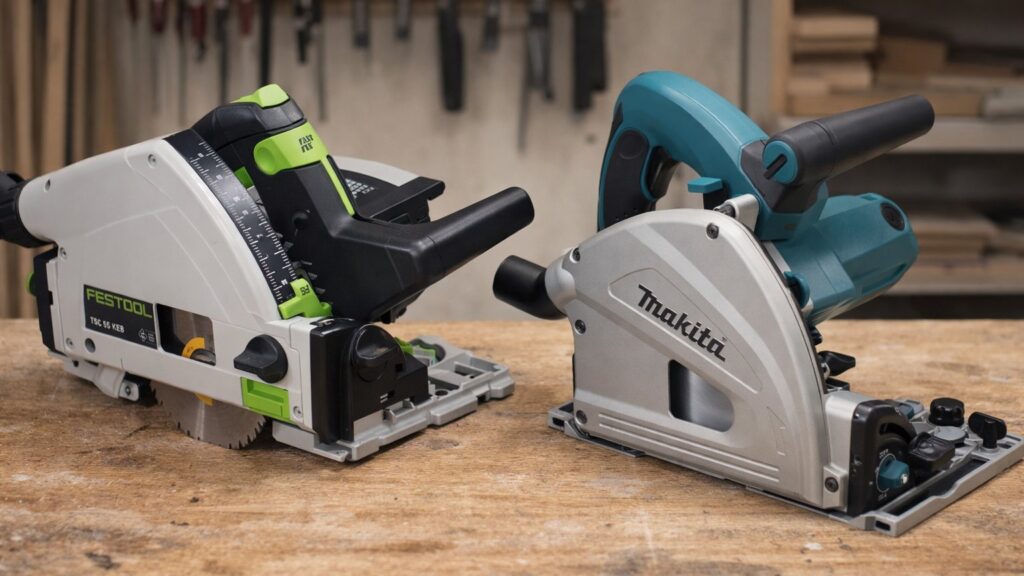
Head-to-head
Festool TS 55 REQ-F vs Makita SP6000J1: Which Track Saws Is Better?
A clean A/B view of what matters in pro sheet goods and finish work: cut precision, plunge feel, dust control, rail confidence, ergonomics over long sessions, and the tradeoffs that shape day-to-day workflow.
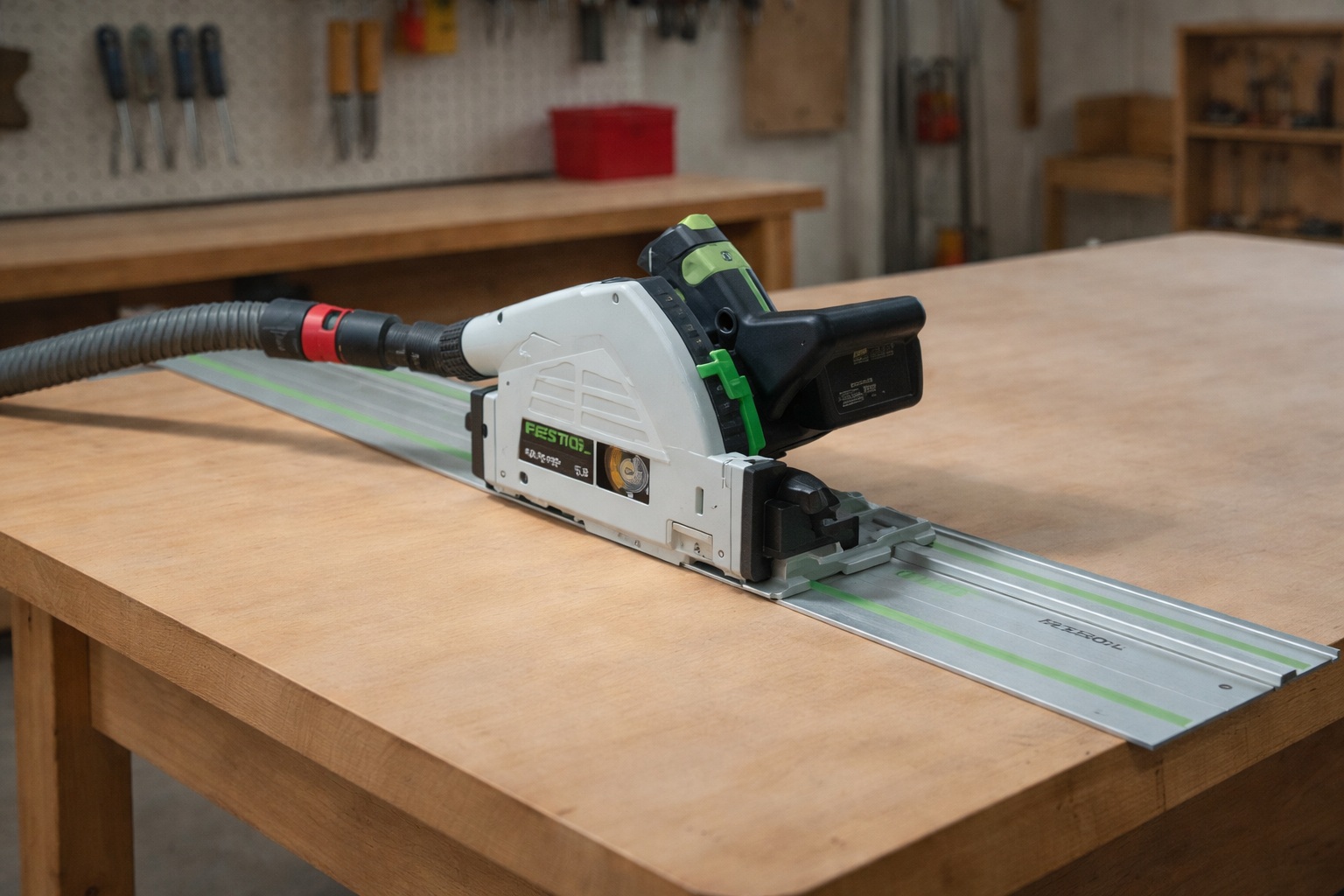
Festool TS 55 REQ-F track saw
A precision-first plunge saw that feels refined on the rail and especially well suited to finish carpentry, cabinet parts, and clean breakdown work where control matters as much as speed.
- Feels more polished on careful plunge cuts, splinter-sensitive work, and repeatable finish passes
- Dust collection and overall refinement stand out in enclosed shops and interior install work
- Strong choice when cleaner workflow and rail confidence matter more than saving upfront
VS
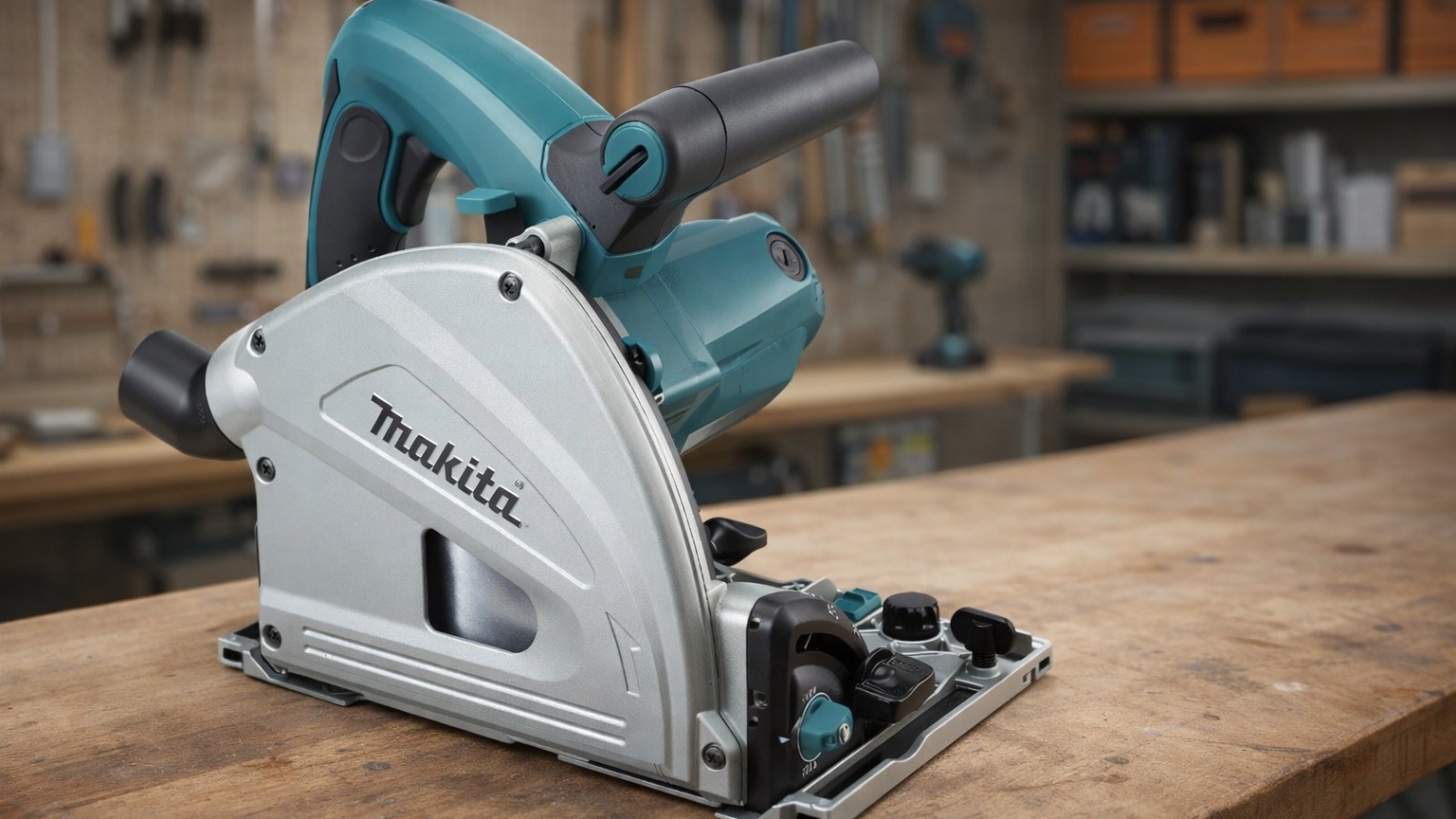
Makita SP6000J1 track saw
A proven, jobsite-friendly track saw with strong everyday usability, smooth plunge action, and a lower-friction entry point for pros who want capable rail-guided cutting without paying top-tier prices.
- Delivers dependable rail-guided cuts for sheet goods, trim panels, and routine install work
- Usually makes more sense for pros balancing performance, price, and broad day-to-day utility
- Easy to recommend when you want a capable track saw without paying for the most premium finish
Power under load
Smooth, controlled cutting
Strong and jobsite-ready
Makita
Control & clutch consistency
Excellent
Very good
Festool
Ergonomics (feel + fatigue)
Refined, confidence-inspiring
Comfortable, straightforward
Festool
Value (typical kit pricing)
Premium-priced
Usually the better buy
Makita
Battery ecosystem depth
Less relevant for this corded setup
Less relevant for this corded setup
Tie
Real-world context
This comparison reflects a synthesis of professional reviews, manufacturer data, long-term user feedback, and use-case patterns to highlight how each track saw typically performs in everyday projects.
Festool — Why people choose it
- More refined rail feel for finish-oriented work where cut control and consistency matter
- Excellent dust management for shops, remodel spaces, and cleaner indoor cutting
- Premium fit, finish, and overall polish that appeal to daily users doing precision work
Makita — Why people choose it
- Strong real-world performance with a more approachable buy-in (especially for cost-conscious pros)
- Smooth plunge action and dependable rail-guided cutting for common sheet breakdown tasks
- Easy to justify when you want solid capability without stepping into the highest price tier
Verdict: Choose Festool if your work leans toward finish carpentry, cabinet installs, and cleaner shop workflows where precision feel, dust collection, and refinement justify the higher buy-in. Choose Makita if you want a dependable pro track saw for sheet goods and general install work, with strong everyday usability and better overall value for a broader range of buyers.