Fine finish track saws and framing-capable models serve different cutting priorities. This comparison examines precision, power, depth, and control to clarify real-world tradeoffs and guide tool selection for specific workflows.

Reviews You Can Trust
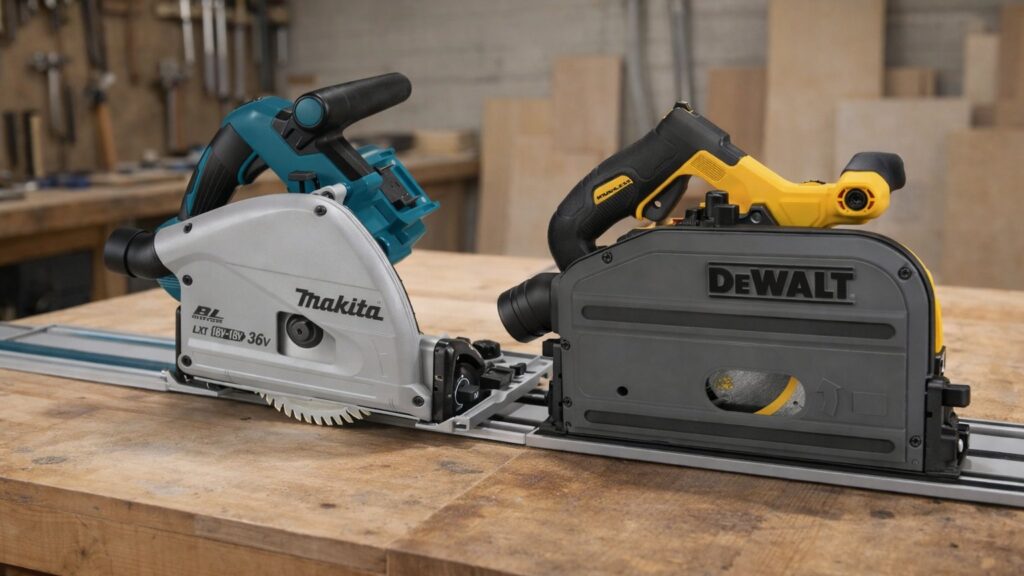
Head-to-head
Fine Finish Track Saws vs Framing-Capable Track Saws: Key Differences Explained
A clean A/B view of what matters in real use: cut quality, depth and material range, control through long cuts, jobsite practicality, and the tradeoffs between finish precision and heavier-duty cutting capacity.
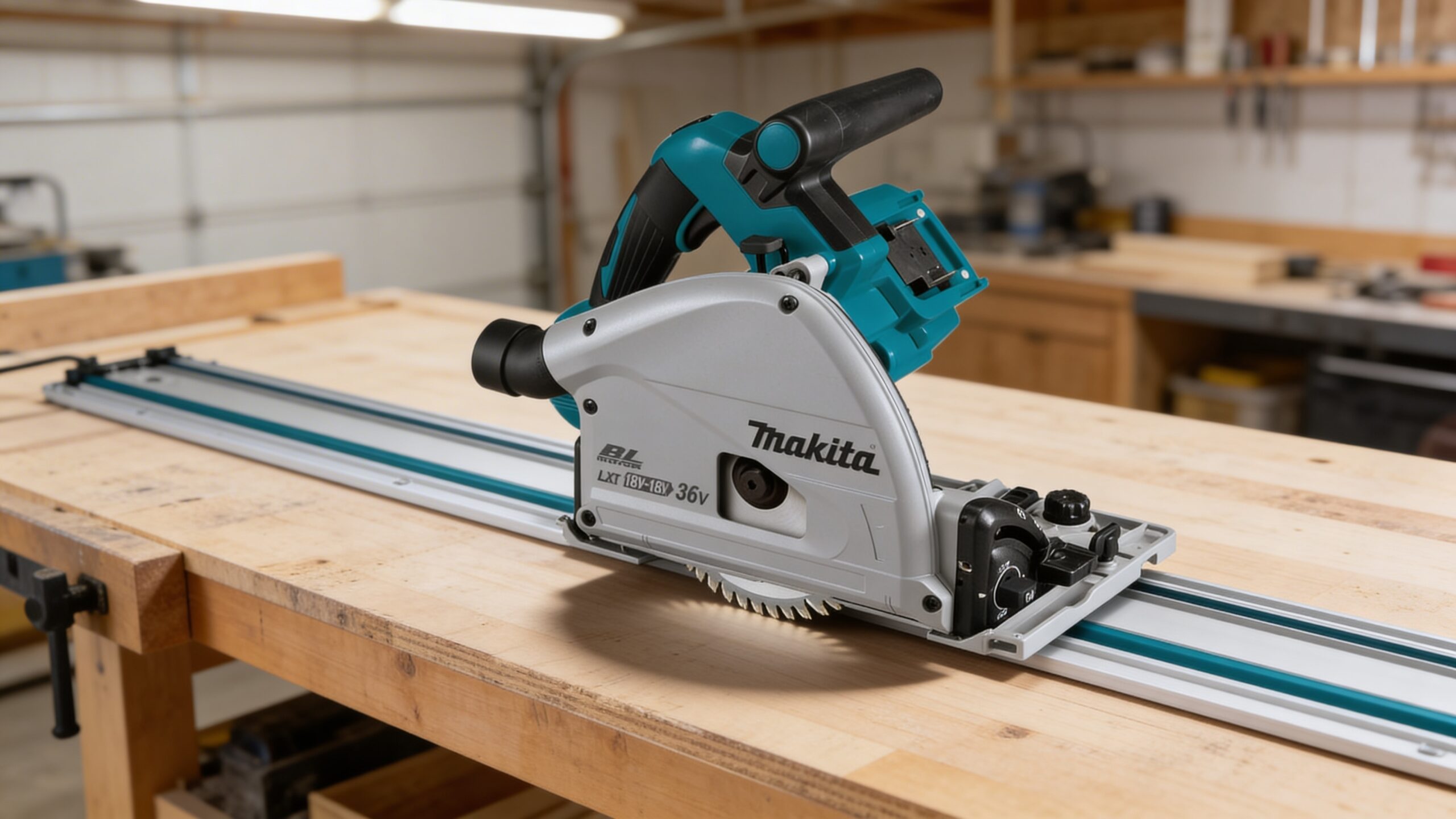
Fine Finish Track Saws
Built for clean edges, refined control, and predictable plunge behavior. Best suited to cabinet parts, sheet goods, trim-adjacent work, and jobs where surface quality matters as much as getting through the cut.
- Typically easier to keep splinter-free and tidy on visible sheet goods and panels
- More confidence-inspiring for repeatable, straight, finish-sensitive cuts
- Usually the better fit when precision and edge quality matter more than raw capacity
VS
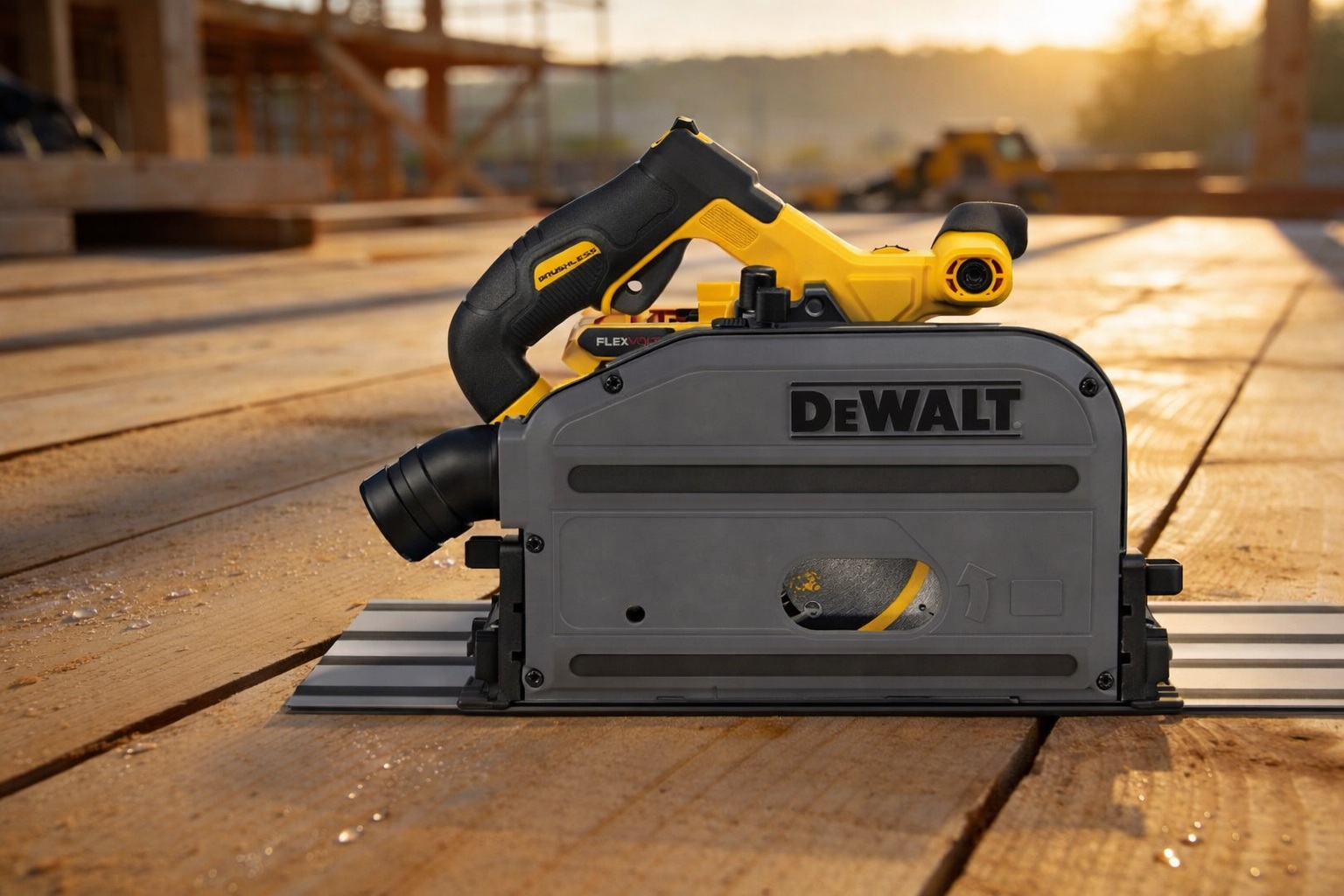
Framing-Capable Track Saws
Tuned more toward depth, power reserve, and broader jobsite material range. Best for thicker stock, tougher site cuts, and users who need one track saw to stretch beyond finish-focused panel work.
- More useful when your work includes thicker lumber, subfloor, or heavier sheet materials
- Often the stronger choice when capacity and versatility matter more than edge finesse
- Good fit for pros who want a track-guided saw that can cover broader site demands
Cut quality on visible material
Cleaner, more refined
Good, but less finish-focused
Fine Finish
Depth & thicker-stock capability
More limited
Better headroom
Framing-Capable
Control & precision feel
More exacting
Steady, less refined
Fine Finish
Versatility across rougher jobs
Narrower use case
Broader jobsite range
Framing-Capable
Best fit for pro workflows
Cabinetry, panels, install work
Remodeling, site work, thicker cuts
Depends on work type
Real-world context
This comparison reflects common use-case patterns, manufacturer positioning, professional reviews, and long-term user feedback to show where each type of track saw typically fits best in everyday work.
Fine Finish Track Saws — Why people choose them
- Better aligned with clean-edge work where surface finish and cut neatness matter most
- Usually easier to trust for cabinet parts, veneered panels, and visible install materials
- Stronger fit for pros who prioritize control, accuracy, and polished results over maximum depth
Framing-Capable Track Saws — Why people choose them
- More appealing when thicker material and broader cutting range matter day to day
- Better suited to users who want one track-guided saw to cover rougher tasks too (not just finish panels)
- Practical choice for pros balancing jobsite versatility with the alignment benefits of a rail system
Verdict: Choose Fine Finish Track Saws if your work revolves around cabinetry, sheet goods, install-quality cuts, and clean visible edges where precision is the priority. Choose Framing-Capable Track Saws if you need more depth, broader material range, and a track-guided saw that makes more sense for remodeling, site work, and thicker-stock cutting where versatility matters more than the last bit of finish refinement.