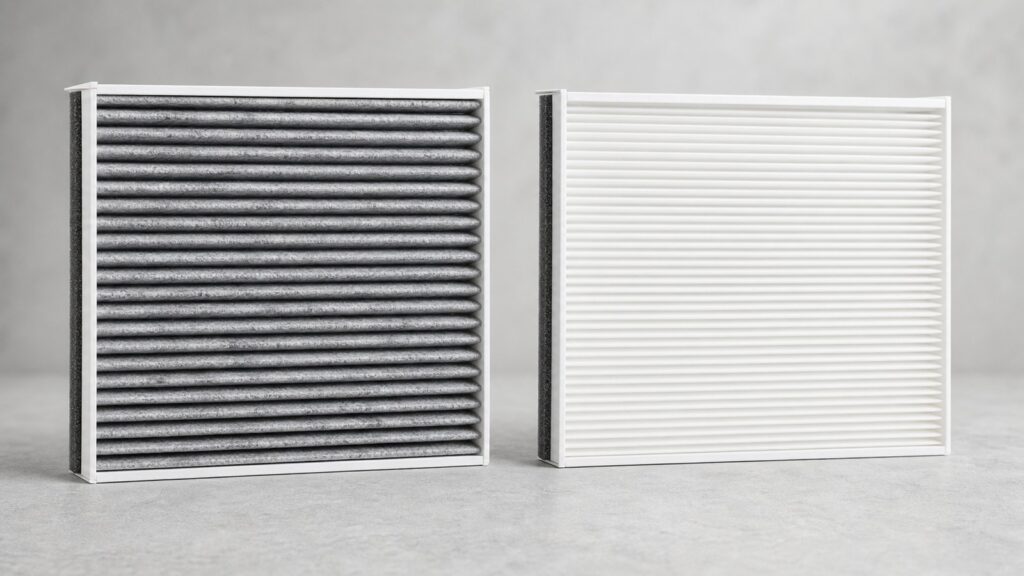
Cabin filters are small parts with an outsized effect on airflow, odor, and interior dust. We weighted catalog clarity, media claims, airflow direction, service interval, housing fit, return support, and how each filter matches the buyer's cabin-air priority and comfort.
Fitment discipline: Cabin air filters are vehicle-specific service parts, so the catalog match matters before brand preference. Confirm year, make, model, trim, housing location, filter dimensions, airflow direction, and media type. If the listing does not match, skip it before checkout today.
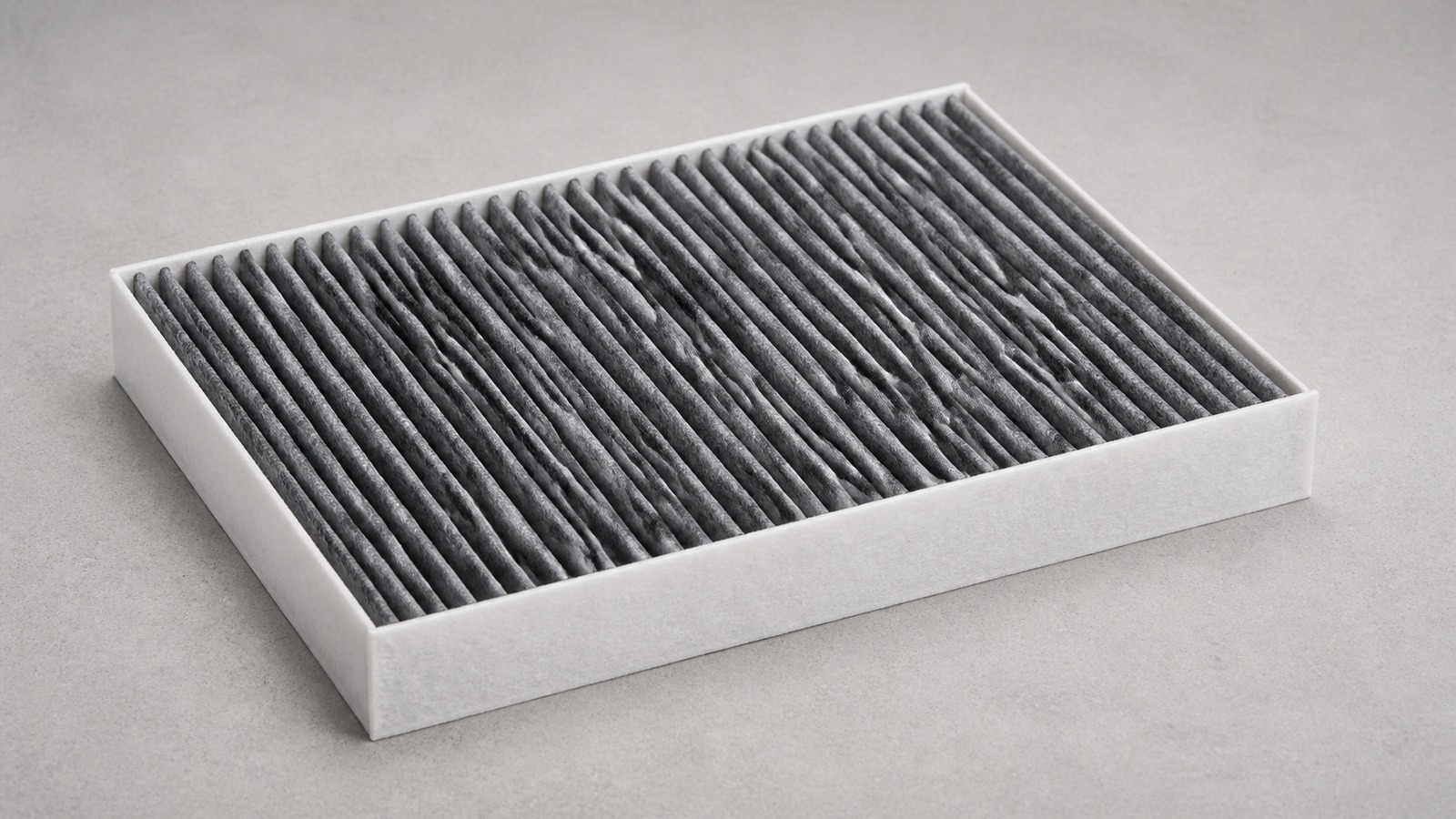
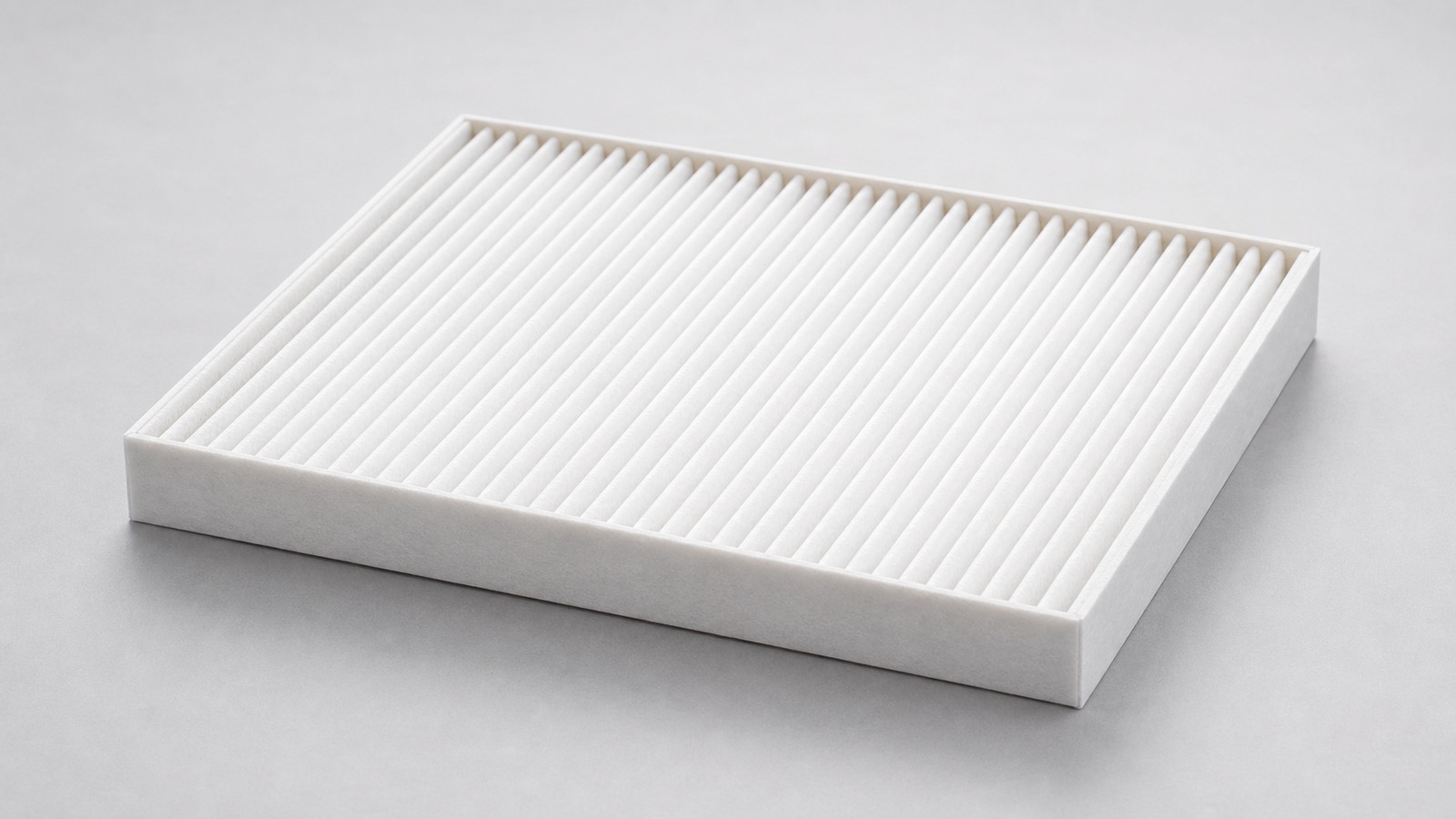
Product focus: FRAM Fresh Breeze CF10134 emphasizes baking-soda freshness and odor control, while Bosch HEPA 6055C leans toward premium particulate filtration. That difference matters because cabin-air shoppers usually care about either stale odors, fine dust, allergy comfort, or a simple disposable service interval.
Install risk: Small details can decide whether a quick cabin-filter service stays simple. A tight housing, reversed airflow arrow, crushed pleat, or debris-filled tray can reduce airflow and make a good filter feel disappointing even when the catalog match is correct during service.
Airflow and filtration: The best cabin filter balances airflow with the problem the driver wants solved. Odor-control media helps stale smells, HEPA-style media targets fine particles, and washable designs need careful cleaning. More filtration is useful only when airflow stays acceptable in daily use.
Ownership path: Returns, stock depth, and service habits matter because cabin filters are inexpensive but easy to order wrong. A listing with clearer photos, fitment notes, and exchange terms can be the better buy when dimensions or airflow direction are uncertain before checkout.
Final choice: Winner: Bosch HEPA 6055C earns the general edge for the buyer described here, but not as a universal substitute. Choose the filter that matches the vehicle first, then use media type, service life, odor control, and seller confidence as tie-breakers.