
Fuel Filters Buying Guide: How to Choose the Right One
In automotive replacement part selection, fuel filters are easy to oversimplify because the box may not reveal how vehicle year, trim, engine option, mounting style, material, included hardware, and service notes affect the repair.
This guide helps shoppers weigh installation confidence, material quality, included hardware, and service support before choosing fuel filters.
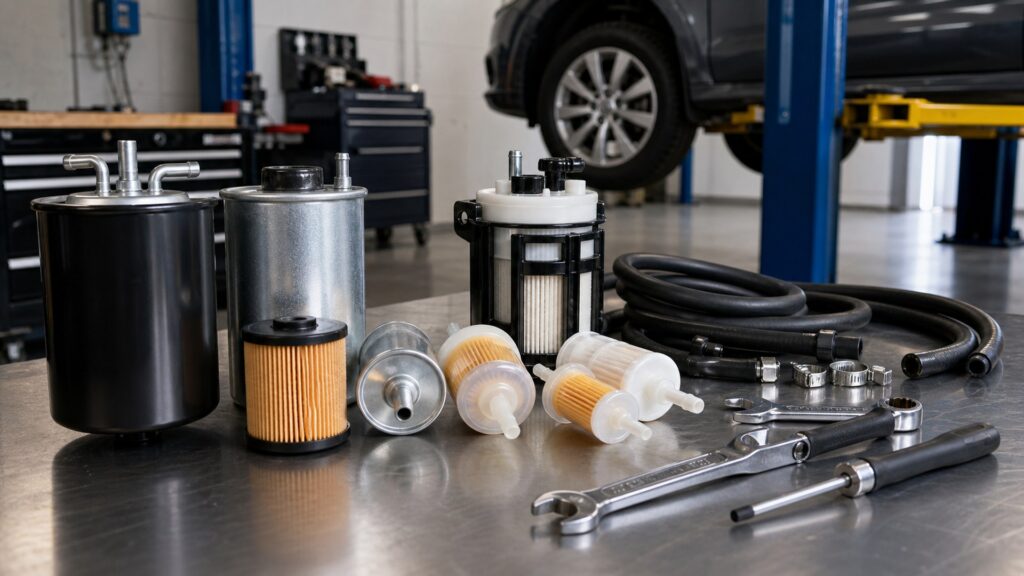
Buying framework
How to think about buying fuel filters for core buying criteria
Start with the confirmed vehicle application, then compare the fuel filter details that change fit, installation, and service confidence.
Start with the confirmed need: For fuel filters, the useful buying path begins with the symptom, inspection result, or service interval tied to automotive replacement part selection.
Match the exact vehicle: Confirm vehicle year, trim, engine option, mounting style, material, included hardware, and service notes before comparing price, because fit is the first performance requirement for any fuel filter.
Look beyond the main part: A successful fuel filter repair may depend on oe-style, fitment note, clips, seals, fasteners, or clean mounting surfaces.
Compare installed value: Judge fuel filters by what they include, how they install, and how well they support the vehicle's use.
Choose for normal duty first: Most buyers should match fuel filters to daily use before paying for special materials or claims.
Who this is for
Match fuel filters to the vehicle, repair goal, and buyer situation
Use these profiles for core buying criteria decisions.
Everyday commuter: Choose fuel filters that restore normal behavior with exact fit and sensible service support.
Cost-conscious repairer: Buy a fuel filter that includes the pieces needed to avoid repeat labor, not just the lowest sticker price.
Harsh-climate driver: Give more weight to OE-style dimensions, coatings, seals, or complete hardware when weather attacks fuel filters.
DIY buyer: Favor clear contents and installation cues so the fuel filter can be checked before the vehicle is disabled.
Estimate reviewer: Ask how the quoted fuel filters differ by grade, warranty, and related parts.
What to pay attention to
Which fuel filter specs actually matter
Prioritize specs that change core buying criteria outcomes.
Practical-feel specifications
In core buying criteria, installation confidence, noise control, service access shape the driver's first signs that the fuel filter choice worked.
Capability specifications
For fuel filters, material quality, OE-style dimensions, heat or load rating matter when climate, workload, or old related parts add stress.
Exact fit: vehicle year, trim, engine option, mounting style, material, included hardware, and service notes define whether fuel filters belong on the vehicle at all.
Practical behavior: Specs tied to installation confidence, noise control, and service access influence the day-to-day result.
Capability: Compare material quality, OE-style dimensions, and heat or load rating against the vehicle's climate and workload.
Box contents: Included oe-style, fitment note, clips, seals, or brackets can change the real value of a fuel filter.
Support: Return and warranty process matter for fuel filters because fitment and installation issues are expensive to revisit.
Avoid these traps
Common mistakes people make when buying fuel filters
Core buying criteria fails when fit or context is skipped.
Ordering from a thin listing: Vague listings for fuel filters create risk when they omit fit notes, photos, contents, or warranty process.
Reusing weak small parts: Old support hardware can make a new fuel filter noisy, leaky, restrictive, loose, or uneven.
Skipping inspection: Do not buy fuel filters until the old part and surrounding system support the diagnosis.
Overvaluing premium labels: A premium fuel filter still needs exact fit and related service work to perform correctly.
Forgetting total cost: Shipping, core handling, tools, fluids, labor, and downtime all belong in the fuel filters decision.
Decision guidance
Which type of fuel filter purchase is right for you
Use the repair evidence before choosing a part tier.
Choose OE-style for the default: OE-style fuel filters are the safest baseline for predictable fit and normal behavior.
Choose complete when pieces are worn: A complete fuel filter package can be the better value when related hardware is old.
Choose protected materials for harsh use: Coatings or stronger materials matter when climate, heat, dust, or load challenges fuel filters.
Choose budget only with confidence: A budget fuel filter is reasonable when fit is exact, labor is easy, and support is acceptable.
Pause when the diagnosis is unclear: If the symptom could come from another part of automotive replacement part selection, inspect before ordering fuel filters.
Ownership & compatibility
What you are really buying into with fuel filters
Keep records, related parts, and support in view.
Record the part trail: Save the part number, seller, and mileage for the installed fuel filters.
Monitor the first use period: Watch the new fuel filter for noise, leaks, vibration, airflow, or uneven wear soon after installation.
Keep related receipts: Receipts for oe-style, fitment note, fluids, or hardware support future warranty questions.
Follow service steps: Correct cleaning, torque, direction, bleeding, bedding, or adjustment protects fuel filters.
Plan future replacement: Use the installed fuel filter record to simplify the next service cycle.
FAQ
Fuel filters buying guide FAQ
Focused answers for core buying criteria decisions.
What should I verify first when buying fuel filters?
Which fuel filter details affect daily results?
How much should warranty matter?
When are complete fuel filters worth buying?
What is the biggest buying mistake?
Bottom line
The simplest way to choose fuel filters
Choose by fit, evidence, and repair risk.
Start with the real problem: Choose fuel filters after the symptom, inspection result, or service interval points to the fuel filter.
Fit beats claims: Confirm vehicle year, trim, engine option, mounting style, material, included hardware, and service notes before weighing material quality, OE-style dimensions, price, or warranty.
Small parts matter: Plan for oe-style, fitment note, clips, seals, or fasteners when they affect the repair.
Driver results count: Judge the choice by installation confidence, noise control, and how confidently the vehicle can be verified afterward.
Final buying check: The best fuel filter is exact enough to install cleanly and complete enough to avoid repeat work.
Reading Shortcuts
Jump to the sections that matter most for choosing fuel filters.
Decision Reminders
A quick checklist before you commit to fuel filters.
- Confirm the old part: Use the removed part, OE number, or service data to verify the catalog listing.
- Check included hardware: Missing clips, springs, seals, brackets, or fasteners can change the real cost.
- Inspect nearby wear: Do not expect a new fuel filter to solve problems caused by related components.
- Read warranty details: Know the claim process, exclusions, and whether labor is covered.
- Plan the install: Cleaning, torque, direction, bleeding, bedding, or adjustment steps matter after purchase.
Glossary Snippets
Quick translations for terms that confuse replacement-part buyers.
When to Use a Top 10 Review
Use this format when you want a faster way to narrow the field.
- You are early in the process: A Top 10 can separate common fuel filters by fitment confidence, completeness, and value.
- You want a shortlist: Ranked picks help organize budget, OE-style, complete-kit, and harsh-use options.
- You need category context: It is useful when you still need to understand the major choices before comparing two parts.
Already down to 2-3 options? A Comparison is usually faster than broad buying advice.
When to Use a Comparison
Ideal once you have a shortlist and need clear, practical tradeoffs.
- You narrowed it to 2-3 options: A comparison makes differences in fit notes, included hardware, warranty, and total repair cost easier to see.
- You are checking the quote: Side-by-side tradeoffs help determine whether a recommended part grade is justified.
- You are ready to decide: Use a comparison when the vehicle fit is known and the final choice is about value and risk.
Still exploring? Start with a Top 10 to identify the right fuel filter category first.