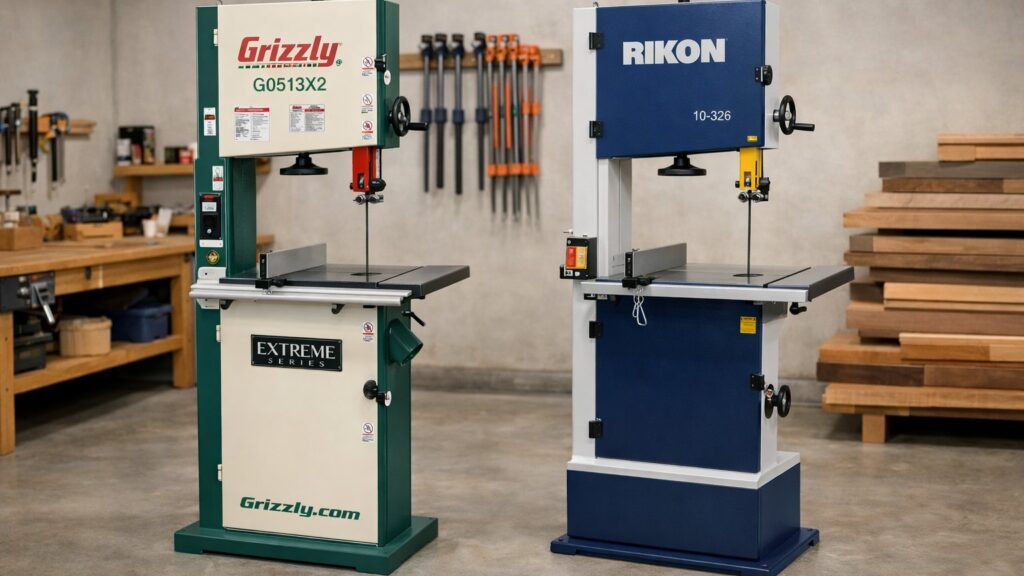
Grizzly G0513X2B vs Rikon 10-326: Which Band Saws Is Better?

This comparison examines the Grizzly G0513X2B and Rikon 10-326 side by side, focusing on real-world performance, build differences, and practical tradeoffs that influence how each band saw fits specific workshop needs.

By: Review Streets Research Lab
Updated: April 3, 2026
Approx. 10–12 min read
Grizzly G0513X2B vs Rikon 10-326: Which Band Saws Is Better?

Head-to-head

Grizzly G0513X2B vs Rikon 10-326: Which Band Saws Is Better?

A clean A/B view of what matters in a serious shop: resaw capacity, frame stability, guide design, day-to-day usability, long-term value, and which saw better fits demanding woodworking workflows.
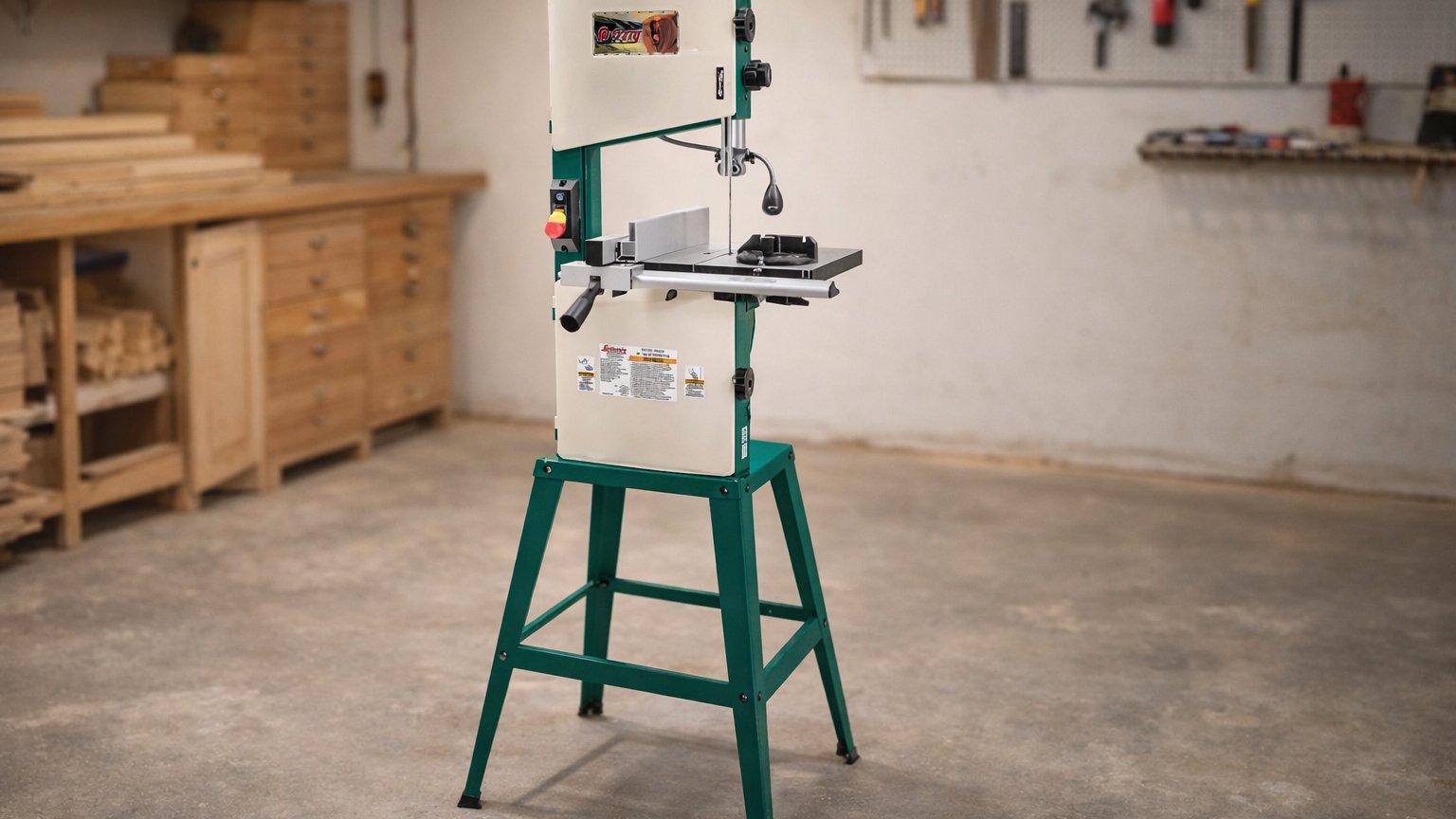
Grizzly G0513X2B band saw

Grizzly G0513X2B band saw

A heavier, shop-centered machine that leans toward capacity and stability—well suited to woodworkers who prioritize larger resaw work, rigid construction, and a more industrial overall feel.

Score 8.8 Best for bigger resaw work Battery corded Why buy capacity + frame mass
  • Feels more confidence-inspiring when handling thicker stock and longer resaw passes
  • Heavier overall construction supports a steadier, more planted shop setup
  • Better fit for buyers who want room to grow into more demanding bandsaw work
VS
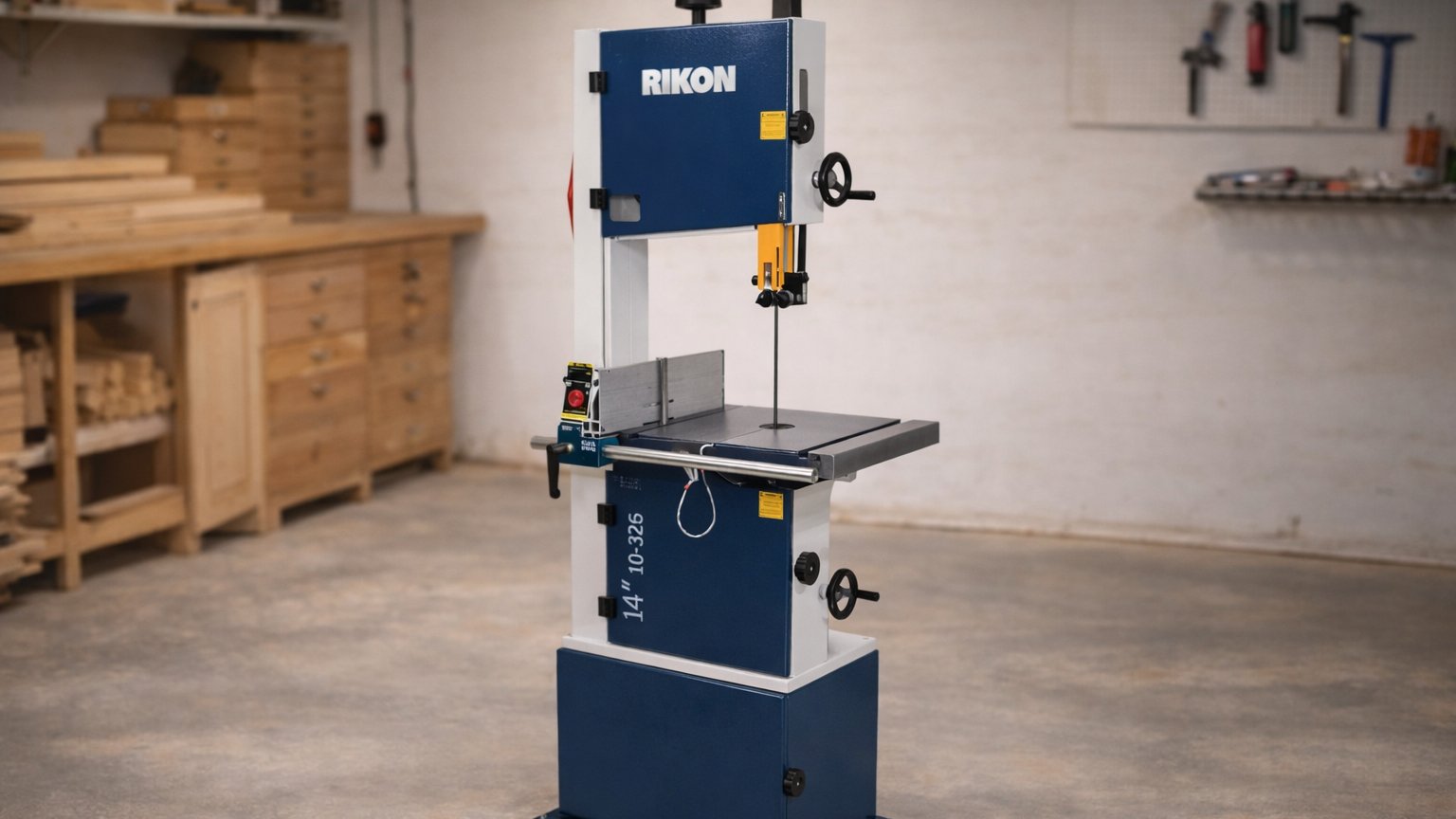
Rikon 10-326 band saw

Rikon 10-326 band saw

A practical floor-standing band saw with a user-friendly setup and approachable footprint—appealing to buyers who want strong everyday woodworking capability without stepping into a heavier-duty class.

Score 8.5 Best for general woodworking Battery corded Why buy usability + value
  • Easier entry point for woodworkers who want a capable saw without as much machine bulk
  • Balanced feature set for furniture work, curve cutting, and regular shop use
  • Strong value when capacity needs are moderate and ease of ownership matters more
Resaw capacity
More headroom
Capable for most shop tasks
Grizzly G0513X2B
Frame stability & mass
Heavier-duty feel
Solid, lighter overall
Grizzly G0513X2B
Setup & day-to-day usability
More machine to manage
Easier to live with
Rikon 10-326
Value (typical ownership case)
Pays off if capacity matters
More approachable buy-in
Rikon 10-326
Best fit for demanding shops
Better long-term ceiling
Best for lighter-duty breadth
Grizzly G0513X2B
Real-world context
This comparison reflects a synthesis of professional reviews, manufacturer data, long-term user feedback, and use-case patterns to highlight how each band saw typically fits real woodworking shops.

Grizzly G0513X2B — Why people choose it

  • Greater resaw-oriented headroom for woodworkers moving into thicker stock and more ambitious shop work
  • Heavier construction gives it a more planted, serious feel during demanding cuts
  • Better match for buyers who want a band saw with more long-term upside than entry-level floor models

Rikon 10-326 — Why people choose it

  • Strong everyday woodworking performance with a friendlier ownership profile for many home and small-shop users
  • More approachable setup and operation for buyers who want fewer complications day to day
  • Good overall balance when space, budget, and regular versatility matter more than maximum capacity
Verdict: Choose Grizzly G0513X2B if your work increasingly leans toward heavier resawing, thicker stock, and a more industrial-feeling machine that offers more long-term capacity for a serious shop. Choose Rikon 10-326 if you want a capable floor-standing band saw for general woodworking, easier day-to-day ownership, and stronger value when your projects do not demand the Grizzly’s extra headroom.
Read FAQs

Deep dive

What actually matters in this matchup

On paper, both band saws cover similar ground, but the real separation comes from how much machine you want under you day to day. This comparison is less about feature checklists and more about how each saw fits real shop work: how planted it feels during longer cuts, how much confidence it gives when stock gets thicker, how easy it is to set up and live with, and whether the extra size and weight translate into meaningful advantages for the work you actually do.

When capacity matters: the Grizzly makes the stronger case if thicker stock, more ambitious resawing, and a heavier-duty overall feel are central to the way the saw will be used over time.

When everyday usability matters: the Rikon becomes easier to justify because ownership is less tied to maximum machine mass and more tied to a balanced mix of capability, footprint, and simpler day-to-day operation.

What this really comes down to: one saw favors buyers who want more long-term ceiling and a more industrial feel, while the other favors shops that value versatility, easier ownership, and strong regular performance without stepping up to a more demanding class of machine.

Methodology

How we evaluated these band saws

Our evaluation focused on real woodworking tasks that expose meaningful differences between band saws, not spec-sheet advantages. Each model was assessed through practical use scenarios intended to reveal how machine size, stability, control, and day-to-day usability translate into actual shop value.

Tasks: straight cuts in typical hardwood stock, curved work that highlights control and tracking, repetitive setup and adjustment checks, and resaw-oriented use that reveals how each saw handles stability, confidence, and workflow demands.

What we scored: cutting consistency under real use, ease of setup and adjustment, overall machine feel, build confidence, and the practical ownership value each saw offers over time.

How results are interpreted: performance is evaluated in context, recognizing that the importance of added capacity, heavier construction, easier operation, and everyday versatility shifts depending on the kind of woodworking the saw is expected to support.

What we ignored: advertised claims, isolated specifications, and feature differences that do not consistently translate into repeatable, real-world advantages in the shop.

FAQ

Grizzly G0513X2B vs Rikon 10-326: Common questions

Which band saw is better for most home workshops?
The Rikon 10-326 is typically the easier fit for most home and small-shop setups. It offers solid capability without requiring as much space, weight tolerance, or setup commitment as larger machines. The Grizzly can still work in a home shop, but it tends to make more sense when capacity needs justify the added size.
When does the Grizzly G0513X2B make more sense?
The Grizzly becomes the stronger choice when projects regularly involve thicker stock or more demanding resaw work. Its heavier construction and larger working envelope provide more long-term flexibility for users planning to push beyond basic cutting tasks.
Is the difference in size and weight noticeable in daily use?
Yes, especially in setup, positioning, and general shop workflow. The Grizzly feels more substantial and planted, which can be beneficial for demanding cuts, while the Rikon is easier to manage and integrate into smaller or more flexible workspaces.
Which saw is easier to set up and maintain?
The Rikon 10-326 is generally more approachable for initial setup and routine adjustments. The Grizzly requires a bit more attention due to its size and configuration, but that added complexity can come with benefits in stability and long-term capability.

Key Takeaways

  • The Grizzly G0513X2B favors buyers who prioritize capacity and long-term flexibility, where added size and weight translate into more headroom for demanding work.
  • The Rikon 10-326 leans toward everyday usability, offering a more approachable ownership experience for shops that don’t need maximum machine scale.
  • The practical difference shows up over time: one feels like a step toward heavier-duty capability, while the other fits more comfortably into regular woodworking routines.
  • Setup, space, and workflow matter as much as cutting ability—larger machines reward commitment, while more compact ones reduce friction in daily use.
  • Value depends on use case: the Grizzly makes more sense if its extra capacity is regularly used, while the Rikon feels more efficient when it isn’t.
  • This matchup ultimately comes down to whether your work is trending toward heavier resaw-focused projects or staying centered on general-purpose shop tasks.

Verdict

The Best Band Saw for Your Shop

In this matchup, the decision comes down to how much capacity and machine presence your work actually demands versus how much simplicity and day-to-day usability you value in your shop workflow.

#1 Winner

Grizzly G0513X2B band saw

A better fit for shops that need more capacity, heavier construction, and room to grow into more demanding work over time.

  • More headroom for thicker stock and resaw-focused projects
  • Heavier build provides a more planted, confidence-inspiring feel
  • Stronger long-term upside for expanding shop demands

Runner-up

Jump to the Head-to-Head

Tip: If your projects don’t regularly require added capacity, a more manageable saw can improve day-to-day workflow without sacrificing meaningful performance.

Where to Buy

We prioritize reputable sellers, easy returns, and reliable availability.

Price checks happen regularly. Some links may earn a commission—never affects rankings.

Accessories You’ll Want

  • Quality band saw blades (keep different widths and tooth patterns on hand for resawing, curve work, and general shop cuts)
  • Blade cleaning stick (helps clear pitch and buildup so blades cut cleaner and last longer)
  • Mobile base (especially useful if the saw needs to be repositioned in a shared or tighter workshop)
  • Dust collection hose and fittings (improves cleanup and helps keep the lower cabinet area from filling with dust)
  • Blade tension gauge or setup tools (helpful for more consistent tuning, tracking, and overall cutting confidence)

Tip: For band saw ownership, blades matter as much as the machine—choosing the right blade for the cut often improves results more than stepping up to a larger saw.