
Gym Accessories Buying Guide for Weightlifters
Weightlifting accessories should support repeatable bar setup, secure plate loading, deliberate body contact, and an orderly platform. They should never obscure the lifter's responsibility for technique, load choice, equipment rules, and a controlled finish.
Map the session from an empty bar through warm-up changes, working attempts, reracking or platform release, and cleanup. Measure bar sleeves, collars, plates, blocks, racks, belt position, wrist and hand contact, and chalk boundaries. Check whether the gym or competition permits each personal item, then rehearse unfamiliar equipment before an important attempt. Inspect closures, webbing, leather, elastic, rubber, plates, and hardware frequently because repeated loading and dynamic bar movement can expose a small mismatch quickly.
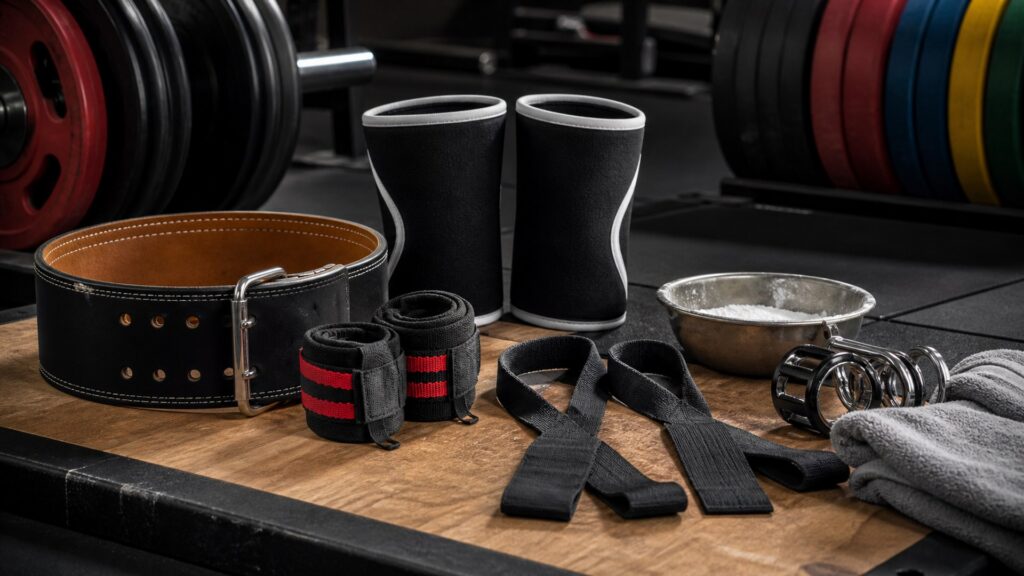
Buying framework
Build accessories around the complete barbell session
The weightlifter's accessory system should preserve loading accuracy, bar freedom, body fit, platform order, and an unobstructed release from warm-up through final cleanup.
Map the loading sequence: List the empty-bar work, warm-up jumps, change-plate needs, working attempts, and unloading order. Identify when collars move, which plates remain nearby, and who controls the platform between sets.
Separate bar, body, and room interfaces: Record sleeve and collar dimensions, plate fit, belt position, wrist or hand contact, rack and block geometry, platform surface, chalk area, and the paths used by coaches and loaders.
Define each support's job: State whether a belt, strap, wrap, tape, block, wedge, or pad changes grip, contact, setup height, comfort, or organization. Do not let the accessory silently change technique or permitted equipment.
Protect the release zone: Trace the bar, plates, collars, strap tails, feet, blocks, rack, and nearby people during a missed lift or planned platform release. Nothing stored or worn should enter that path.
Check venue and event rules: Confirm gym policies and the current rules for the specific competition, organizer, division, and equipment check. A personal accessory can be useful in training yet unavailable or restricted on event day.
Who this is for
Match accessories to the weightlifting environment
Dynamic lifts, powerlifting-style barbell work, general strength sessions, home platforms, and competition travel place different demands on collars, supports, loading, and floor contact.
Olympic-lift trainee: Prioritize collars suited to the exact sleeves, change-plate access, platform clearance, chalk control, and personal supports that release cleanly. Blocks, straps, or technique aids must match the coach's intended drill.
Powerlifting-style trainee: Check rack dimensions, bench and spotter access, belt fit, wrist wraps, collars, plate loading, and command practice as relevant. Verify the current federation or event rules rather than assuming all personal equipment transfers.
General barbell lifter: Choose a minimal set around the performed squat, press, pull, and carry variations. Favor clear sizing, secure storage, easy inspection, and compatibility across the gym's bars before specialized additions.
Home-platform weightlifter: Plan flooring, plate and bar storage, chalk cleanup, noise, wall and ceiling clearance, ventilation, and household routes. Blocks and stands require verified loads, stable contact, and space for retrieval.
Competition or travel lifter: Rehearse with the permitted belt, wraps, straps where allowed, shoes, tape, and small personal tools. Pack backups for replaceable essentials while checking organizer, venue, security, and carrier requirements close to departure.
What to pay attention to
Read weightlifting specifications through bar and platform behavior
Useful details explain how an accessory fits the sleeve or body, behaves during dynamic loading, preserves release space, meets venue rules, and survives chalk, sweat, and repetition.
Bar sleeve and collar mechanism: Measure sleeve diameter, surface, usable length, and specialty geometry. Verify the collar's intended fit, closure, inspection, and removal, then test engagement unloaded before progressive plate movement.
Plate and change-plate handling: Check opening fit, diameter, thickness, increments, identification, storage, and loading sequence. Plates should be easy to distinguish and retrieve without crossing the bar path or destabilizing a tree or stack.
Belt, wrap, and strap contact: Measure at the actual lifting position and compare width, length, contour, closure, overlap, seam and edge placement, tail management, and deliberate release. Recheck fit under the relevant start and receiving positions.
Chalk and hand-care system: Confirm facility rules, container stability, application control, brush compatibility, cleanup, and storage. Keep loose chalk away from electronics, bearings, shared walkways, and surfaces whose care instructions prohibit it.
Blocks, wedges, and platform contact: Verify stated load, dimensions, surface grip, stack or connection method, edge condition, and permitted use. Test bar placement, foot clearance, approach, retrieval, and movement after repeated impacts or vibration.
Rule and equipment-check compatibility: Read current requirements for dimensions, materials, logos, fastening, inspection, and when an accessory may be worn or used. Keep training choices flexible when event equipment or enforcement can differ.
Cleaning, wear, and replacement: Plan care for leather, textiles, elastic, rubber, metal, plates, brushes, and floor pieces. Confirm replacement closures, straps, hardware, or individual plates and set clear retirement conditions.
Avoid these traps
Avoid accessories that disrupt the platform
Weightlifting purchases fail when familiar labels replace exact sleeve and body fit, training-only tools become competition assumptions, or loose gear enters loading and release paths.
Assuming all bars and collars match: Sleeve dimensions, surface, bearings, and specialty geometry vary. Verify manufacturer compatibility and test collar engagement on the exact bar instead of trusting that a closure feels tight while unloaded.
Changing support immediately before competition: A new belt position, wrap tension, shoe, tape, or permitted equipment rule can alter setup and attention. Rehearse the complete approved kit across normal training before relying on it for attempts.
Leaving change plates in the release zone: Small plates, brushes, bottles, phones, blocks, and spare collars can migrate toward the platform. Assign visible storage outside bar travel and restore it after every loading change.
Treating chalk as unlimited grip insurance: Chalk can help manage hand moisture, but excess residue affects cleanup, equipment, air, and shared surfaces. Follow facility rules and address bar condition, hand care, technique, and load separately.
Ignoring early material damage: Loose stitching, stretched elastic, cracked leather, bent hardware, damaged plates, split blocks, and shifting platform edges deserve attention. Dynamic use can amplify a defect that looked minor during storage.
Decision guidance
Rehearse the accessory system across a lifting session
The comparison should include equipment check, warm-up loading, working attempts, a controlled miss or release plan, unloading, cleaning, inspection, and event-day restrictions.
Inventory the performed lifts: List bars, plates, racks, blocks, platforms, supports, and personal items used for each lift variation. Mark which pieces are required, optional, coach-directed, facility-provided, or restricted by an event.
Measure and inspect interfaces: Check sleeve and plate dimensions, collar fit, and where the belt sits on the torso. Inspect wrap, strap, hand, and wrist contact, block surfaces, floor seams, rack clearance, storage loads, labels, permitted uses, and retirement guidance.
Run the loading ladder: Move from empty bar through normal warm-up increments while attaching and removing collars and retrieving change plates. Observe loading speed, identification, pinch points, storage stability, and whether the platform remains clear.
Test lifting and deliberate release: Use the accessory under coached or normal program conditions, beginning conservatively. Confirm bar freedom, body contact, strap release, footwork, rack and spotter access, and an unobstructed missed-lift plan.
Complete the platform reset: Unload in a controlled order, brush and clean approved surfaces, contain chalk, inspect supports and hardware, return plates and collars, and verify that damaged pieces cannot quietly reenter the next session.
Ownership & compatibility
Keep loading tools and personal supports competition-ready
Weightlifting accessories receive repeated force, chalk, sweat, transport, and hurried adjustment. Consistent storage and inspection protect both training continuity and event-day familiarity.
Inspect collars and loading pieces: Check closure engagement, contact surfaces, fasteners, deformation, cracks, and labels. Confirm plates, change plates, trees, stacks, and carts remain stable and individually retrievable before loading begins.
Care for personal supports: Clean belts, wraps, straps, tape containers, and shoes according to their materials. Release tension, dry sweat-exposed pieces, protect closures from chalk buildup, and store them without permanent folds or compression.
Maintain chalk boundaries: Use the approved container and application area, clean bars with permitted tools, and remove floor residue before it spreads. Keep chalk away from electrical equipment, ventilation intakes, bearings, and prohibited surfaces.
Audit blocks and platform edges: Inspect top surfaces, joints, handles, fasteners, feet, and load-bearing structure. Stop using blocks, wedges, mats, or platform sections that shift, separate, crack, or no longer sit level.
Review rules before important events: Recheck current organizer requirements, equipment approval, weigh-in or inspection procedures, venue provisions, and travel restrictions. Replace worn permitted items early enough to train with the new fit.
FAQ
Weightlifting accessory questions
These answers cover first purchases, collars, belts, straps, wraps, chalk, change plates, personal competition equipment, and the inspection signals that should end use.
Which accessories does a weightlifter need first?
How do I choose weightlifting collars?
How should a weightlifting belt fit?
Are lifting straps appropriate for weightlifting?
How should wrist wraps be selected?
What should I check before buying chalk?
Are change plates worth buying?
Can I use the same accessories in competition?
When should weightlifting accessories be replaced?
Bottom line
Keep the platform clear and every connection deliberate
The right weightlifting accessories fit the exact bar and lifter, preserve loading order and release space, comply with the setting, and remain easy to inspect after repeated attempts.
Map the session: Follow accessories from empty-bar setup through loading, attempts, release, unloading, and cleanup.
Verify the interfaces: Measure sleeves, collars, plates, belt position, strap paths, blocks, racks, and platform contact.
Rehearse the rules: Train with the permitted kit and confirm current facility, organizer, and travel requirements.
Reset visibly: Contain chalk, inspect wear, store loads securely, and remove damaged pieces from circulation.
Reading Shortcuts
Jump to the barbell-session framework, weightlifter profiles, sleeve and support specifications, or common competition and loading questions.
Decision Reminders
Keep bar sleeves, collar security, loading order, belt and strap fit, chalk control, platform contact, equipment rules, inspection, and release space visible.
- Loading: Plan warm-up increments, collar changes, plate retrieval, unloading, and secure storage.
- Contact: Test belt position, wrap tension, strap path, hand care, and deliberate release.
- Platform: Clear bar travel, footwork, spotters, blocks, chalk, bottles, phones, and change plates.
- Rules: Confirm current facility and event requirements before important training or travel.
Glossary Snippets
Terms for understanding weightlifting bar, plate, support, and event-equipment interfaces.
When a Top 10 Helps
Use weightlifting rankings after defining the lifts, bar sleeves, loading increments, personal-support fit, platform, chalk rules, release space, competition requirements, and care.
- Bar filter: Reject collars, plates, blocks, or brushes not verified for the exact bar and platform.
- Lifter filter: Rank belts, wraps, and straps only after testing body position, release, rules, and care.
A ranking cannot establish competition legality, coach approval, bar compatibility, or safe platform placement for a specific lifting environment.
When a Comparison Helps
Compare finalists through the same empty-bar setup, loading ladder, working lift, deliberate release, unloading order, chalk cleanup, inspection, and storage routine.
- Attempt: Compare fit, engagement, loading speed, bar freedom, footwork clearance, and release behavior.
- Reset: Inspect chalk, material wear, cleaning, plate storage, transport, rule status, and replacement parts.
Prefer familiar, verifiable accessories over last-minute complexity before heavy attempts or competition.