
Hair Serums Buying Guide for Color-Treated Hair Needs
Color treatment changes the buying question: the serum must improve slip and surface smoothness without accelerating wash fade, distorting tone, or forcing harsher cleansing. Start with porosity and the main color stress—heat, UV exposure, frequent washing, or rough ends—then compare the formula film, explicit protection claims, dose, finish, and compatibility with toning or bond-care steps.
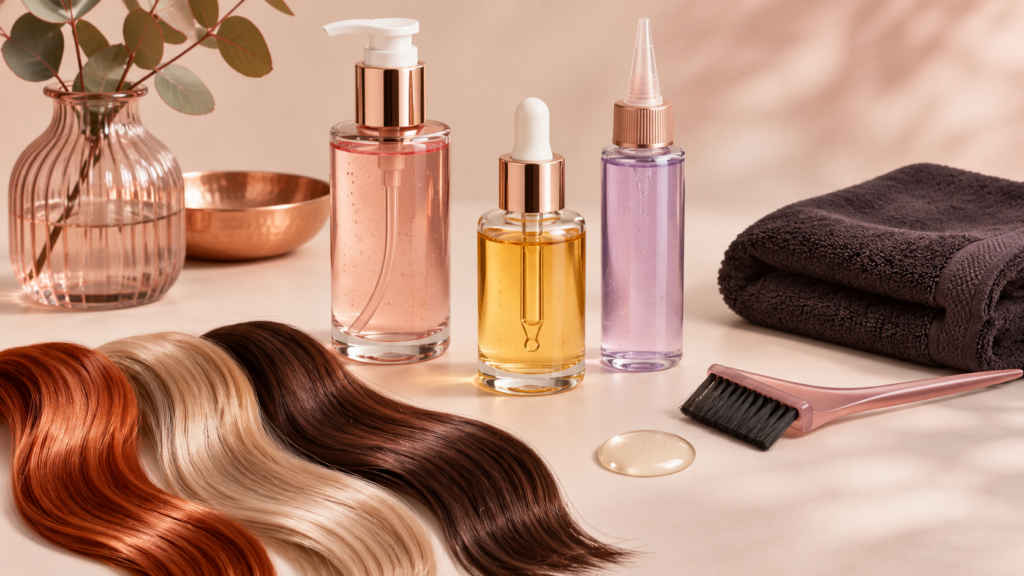
Buying framework
Protect Color by Managing the Biggest Stress
A serum cannot lock in dye permanently. It can reduce friction, add a surface film, and sometimes provide labeled heat or UV support, so choose it around the exposure most likely to dull your result.
Identify how the color was created: Bleached highlights, permanent color, vivid direct dye, and gloss treatments leave different porosity and tone concerns. The more porous the lengths, the easier it is to overdose a coating while trying to smooth them.
Choose one primary protection job: Decide whether the serum must reduce combing friction, support heat styling, limit dry-end roughness, or add a UV-oriented finishing layer. A protection claim should be explicit, not inferred from shine.
Map the wash-day routine: Color-safe shampoo, conditioner, masks, bond-care steps, and toning products may already leave films. The serum should fill a gap rather than duplicate every conditioning layer.
Set the tone boundary: Very light, cool, silver, and pastel shades can show yellow or amber residue more readily. Inspect the serum itself and patch-test the dried appearance on a hidden section when tone neutrality matters.
Define success after drying: Look for easier detangling, smoother ends, controlled flyaways, and retained movement. Wet slip or immediate gloss is not enough if the next wash needs more cleanser.
Who this is for
Match the Serum to the Color Pattern
Useful buyer groups are defined by processing intensity, tone sensitivity, and styling exposure—not simply by the shade name.
Bleached or highlighted lengths: Prioritize controlled slip and a flexible film on the lightened zones. Apply below the regrowth line so healthy roots are not flattened while porous ends receive coverage.
Vivid or fashion color: Frequent washing is often the larger fade pressure. Favor a small effective dose that does not create a cycle of buildup and aggressive cleansing, and keep the serum away from freshly colored fabric until dry.
Cool blonde, silver, or pastel tone: Choose a clear or nearly clear formula when visible tint is a concern. A serum does not replace purple or blue toning products, and tinted oils can alter the look of very pale hair.
Heat-styled colored hair: Require an explicit heat-protection claim and follow its directions. Compare whether the directed dose spreads through all exposed sections without competing with a separate heat spray.
Sun- and pool-exposed color: Look for clearly stated UV or environmental-protection positioning, while treating hats, shade, and pre-swim routines as separate controls. Do not assume any glossy serum creates meaningful UV protection.
What to pay attention to
Read the Film, Claims, and Color Compatibility
The best clues are the carrier system, film behavior, dispenser, and labeled use—not a single featured botanical.
Color-stress lens
Which exposure—processing, washing, heat, UV, or friction—is most likely to change tone, gloss, or breakage risk?
Film-and-routine lens
How much coating is already present, where should the serum sit in the sequence, and what cleansing burden follows?
Silicone and ester films: These can reduce friction and improve gloss, but blends vary in weight, spread, volatility, and wash-out. Porous ends may welcome a richer film while unprocessed roots may collapse under it.
Water-based leave-in serums: Lighter fluids can distribute well through damp hair and coexist with other stylers. Humectants and conditioning agents still affect tack, humidity response, and how the formula feels on highly porous lengths.
Oil-rich formulas: Oils can add slip and richness, yet amber or strongly colored blends deserve caution on very pale tones. Judge the finished formula and dose instead of assuming a named oil is automatically color-safe.
Explicit heat and UV language: Protection is a claim that needs clear labeling and directions. Shine, silicones, antioxidants, or a vague shield graphic do not establish the temperatures or exposures a product addresses.
pH and acid-bond language: Acidic or bond-focused marketing may fit a color-care routine, but a leave-on serum is not interchangeable with a rinse-out treatment. Compare the actual use step and avoid stacking products solely because their repair language matches.
Dispenser and color visibility: A pump or dropper makes a tiny repeatable dose easier; clear packaging lets you inspect tint and texture. Both matter when pale hair or buildup makes small errors more visible.
Avoid these traps
Avoid Color-Care Serum Traps
Poor matches usually come from treating “color safe” as a complete specification or adding protection layers without checking their combined film.
Expecting a serum to stop all fading: Pigment loss is influenced by the color system, washing, water, heat, UV exposure, and hair condition. A serum may support surface care but cannot make color permanent.
Inferring protection from gloss: A shiny finish does not prove heat or UV performance. Make the relevant labeled claim and directions non-negotiable when that exposure drives the purchase.
Using the same dose on roots and ends: Color history is rarely uniform. Start on the most processed lengths and use the residue on less porous sections, rather than coating every zone equally.
Ignoring the serum’s own tint: Golden oils or colored extracts can warm a very light or cool result. Trial the formula beneath an upper layer, let it dry, and compare that section in neutral daylight.
Stacking serum over every repair product: Conditioner, masks, bond products, creams, oils, and serum can create redundant films. Add one layer at a time so stiffness, dullness, or limpness has a traceable cause.
Scrubbing harder to remove buildup: Extra cleansing can undermine a color-care plan. Reduce the serum dose or frequency first, then simplify overlapping leave-ins before escalating wash strength.
Decision guidance
Choose by Porosity, Exposure, and Tone
Use the dominant color-care constraint to narrow the format before comparing ingredient stories.
If bleached ends feel rough: Choose a controllable smoothing serum and concentrate a small dose on the lightened lengths. Favor slip and flexibility over the heaviest possible shine.
If wash fade is the main concern: Select the minimum coating that delivers detangling or frizz control without demanding extra shampoo. Evaluate the next wash, not only the first-day finish.
If pale tone is easy to shift: Prefer a clear, low-tint formula and test it on a concealed section. Keep toning corrections in their dedicated product step.
If hot tools are routine: Require explicit heat-protection directions, then confirm the dose reaches every styled section and does not conflict with another protector.
If outdoor or pool exposure dominates: Look for clearly labeled environmental support, but build the decision around the entire exposure routine. A serum supplements—not replaces—shade, headwear, and appropriate pre- and post-swim care.
Ownership & compatibility
Run a Color-Safe Serum Trial
A controlled two- or three-wash test shows whether the formula preserves finish without creating a fade-versus-cleansing tradeoff.
Photograph tone in consistent light: Use the same location and daylight conditions after styling. This is more useful than judging color under changing warm bathroom bulbs.
Fix the starting dose and zone: Count pumps or drops and record whether hair was damp or dry. Apply first to the most processed lengths so the next adjustment is interpretable.
Keep toning and mask days stable: Do not introduce a new serum, mask, toner, and cleanser at once. Stable surrounding steps make changes in softness, tint, and residue easier to attribute.
Check fabric and tool transfer: Let the serum dry before contact with light collars, towels, or pillowcases, especially soon after vivid color. Clean brushes and hot-tool plates according to their instructions if residue accumulates.
Judge the next wash: Note lather effort, water color, root collapse, end roughness, and whether more cleanser was needed. A serum that forces harsher washing may be the wrong color-care tradeoff.
FAQ
Color-Treated Hair Serum Questions
These answers separate realistic surface care from exaggerated color-protection promises.
Can hair serum prevent color from fading?
Is every hair serum safe for color-treated hair?
Can an amber hair oil or serum stain blonde hair?
Should serum go before or after a heat protectant?
Does serum replace a bond-repair treatment?
How much serum should I use on highlighted hair?
Can serum replace purple shampoo or toner?
What are signs of serum buildup on colored hair?
Should I use serum immediately after coloring?
Readiness check
Choose the Serum That Protects the Routine
For color-treated hair, the best serum solves one surface problem without creating a new fading, tone, or cleansing problem.
Start with color history: Bleach, vivid dye, gloss, and permanent color create different porosity and tone constraints.
Name the dominant exposure: Friction, heat, UV, swimming, and frequent washing call for different safeguards.
Require explicit claims: Do not infer heat or UV protection from shine, silicones, or antioxidant language.
Dose the processed zones first: Lengths and ends often need more film than healthier roots.
Count the next-wash cost: A successful serum improves slip and finish without demanding unnecessarily aggressive cleansing.
Color-Care Serum Shortcuts
Jump to the variable that changes the recommendation.
Six Color-Care Checks
Use these before the first full application.
- History: Bleach, permanent dye, vivid color, or gloss?
- Stress: Heat, UV, washing, pool, or friction?
- Tone: Could the formula tint pale hair?
- Claim: Is heat or UV protection explicit?
- Dose: Which processed zones need coverage?
- Wash: Will buildup demand more cleanser?
Useful Color-Care Terms
Plain language for serum and color decisions.
When a Top 10 List Helps
Use rankings after defining the color stress.
- Color history is known: Separate bleached, vivid, and pale-tone priorities.
- Protection is specific: Filter for explicit heat or UV claims when needed.
- Tint is acceptable: Check formula color on light or cool shades.
- Routine is mapped: Compare layering and next-wash burden.
Already have a shortlist? A Comparison can help resolve the remaining tradeoffs.
When a Comparison Helps
Compare finalists on the same color-care variables.
- Films differ: Compare weight, spread, gloss, and wash-out.
- Claims differ: Verify protection language and directions.
- Tints differ: Compare clear, amber, and pigmented formulas.
- Doses differ: Compare dispensers and processed-zone coverage.
Still discovering options? Start with a Top 10 to build a relevant shortlist.