
Hair Wax Buying Guide for Color-Treated Hair Needs
Color treatment changes what a styling product must protect visually and practically. A wax that creates crisp separation on untreated hair can make a lightened section look chalky, deepen a vivid shade unevenly, or require more cleansing than the color routine can comfortably support. Choose by the finish your color needs, how easily the formula spreads with low friction, and what it takes to remove the real styling dose.
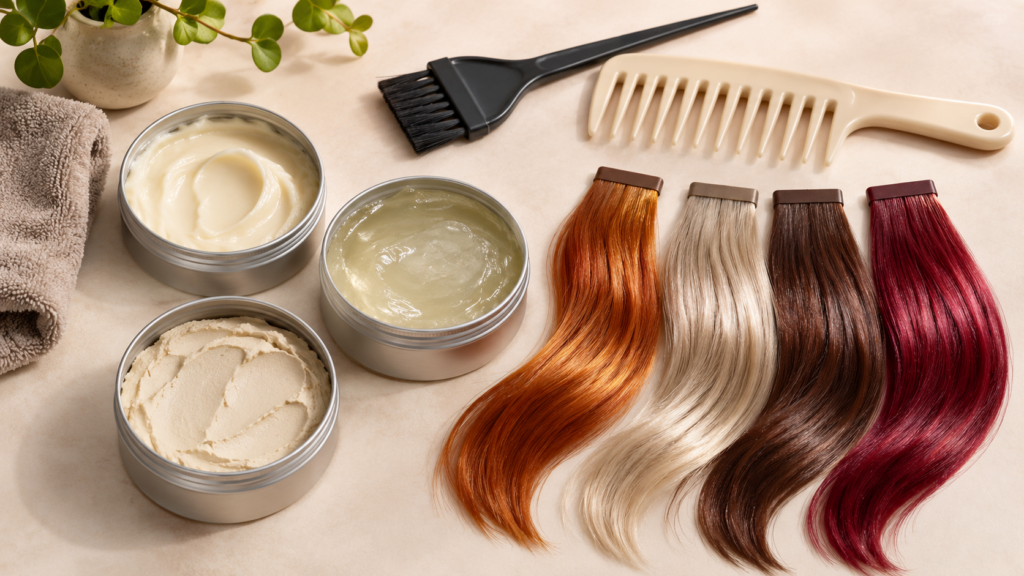
Buying framework
Protect the Look, Not a Color Myth
Color-treated hair is not one texture. Start with the visible finish, the condition of the processed areas, the styling job, and the cleansing budget instead of assuming every dyed strand needs the same wax.
Read the color visually: Blonde, gray, pastel, vivid, and dark shades reveal residue differently. A pale matte wax may disappear on light hair yet look dusty on saturated or dark color; a glossy wax can enrich depth but may exaggerate oiliness.
Map processed and unprocessed zones: Highlights, balayage, roots, ends, and previously colored lengths may have different porosity and surface feel. Apply by zone when one dose would land unevenly across the whole head.
Define the styling job: Piece definition, edge control, flyaway smoothing, texture, and a polished finish require different coverage. Select the smallest job wax must perform so unnecessary coating does not become the routine.
Budget friction and heat: Processed areas may feel rougher or catch more easily. A wax should warm and spread without repeated pulling, and it should not become a reason to add unplanned hot-tool passes.
Plan removal before hold: The strongest hold is a poor trade if the required cleansing conflicts with the color-care routine. Compare performance at the intended dose, then confirm how completely and comfortably it releases.
Who this is for
Match the Wax to the Color Routine
The relevant buyer types are defined by color behavior, processed zones, finish goals, and wash frequency—not by shade alone.
Lightened or highlighted lengths: Favor smooth spread and low visible granules. Test the driest highlighted section first because concentrated wax can catch there or turn a bright finish dull.
Dark or vivid color: Look closely for pale cast, flakes, and uneven matte deposits. A translucent or natural-finish wax may keep saturated color looking intentional while still defining selected pieces.
Gloss-focused brunette or red shades: Choose controlled shine rather than the wettest formula by default. A little reflectivity can support depth; excess product can flatten movement and make roots look oily.
Root color with older processed ends: Treat the zones separately. Use less product on porous ends and place stronger control only where the style needs it, instead of dragging one heavy dose from root to tip.
Infrequent washers or vivid-color routines: Prioritize low buildup and predictable removal. A wax that needs repeated refreshes or aggressive cleansing can create more routine friction than its hold is worth.
What to pay attention to
Translate Formula Traits Into Color Effects
Ignore vague color-safe shorthand until you know what the wax actually does on the hair. Compare spread, finish, residue, transfer, set, and release.
Color-clarity lens
Does the wax preserve brightness, depth, and dimensional contrast without pale cast, dull patches, or uncontrolled shine?
Routine-cost lens
How much warming, sectioning, refresh product, tool cleanup, and cleansing does usable hold require?
Base color and transparency: White or opaque pastes can become visible when under-warmed or overapplied. Clearer balms reduce that risk, although their shine and weight still need testing.
Melt and spreadability: A formula that softens quickly can cover a target area with fewer passes. Hard wax may give concentrated control but demands careful warming to avoid tugging or patchy deposits.
Finish under real light: Matte, natural, satin, and glossy finishes change how dimensional color reads. Check daylight and indoor light after the product settles, not only the shine seen on fingertips.
Tack, drag, and reworkability: Tack helps separated pieces stay grouped, but excessive drag can disturb fragile-feeling sections. Reworkable wax can reduce the need for repeated application after hats, sleep, or touch.
Transfer and contact behavior: Some formulas move onto hands, collars, hats, or pillowcases before setting. Test a small styled section and inspect contact surfaces rather than assuming transfer based on shine alone.
Buildup and washout: Judge how the real dose responds to the cleanser and wash schedule already used. Residue that survives one wash may alter finish or invite a larger next-day dose.
Avoid these traps
Avoid Color-Routine Mismatches
Most errors come from treating color-safe as a complete performance guarantee or solving every finish problem with more product.
Buying on a color-safe label alone: The useful questions are still finish, residue visibility, spread, buildup, and removal. Follow the label, but verify that the formula suits the actual shade, processed zones, and routine.
Using matte to correct every oily look: A dry wax can reduce shine yet leave pale or dull deposits on dark, vivid, or porous sections. Fix dose and root placement before choosing the driest finish available.
Dragging firm wax through lightened ends: Hard product applied before thorough warming can catch and collect unevenly. Warm a trace amount and press it onto selected pieces; choose a softer formula if careful technique still tugs.
Layering over yesterday’s residue: Fresh wax may attach to old deposits rather than the hair, creating uneven shine or flakes. Assess what remains before refreshing and cleanse when buildup—not low hold—is the real problem.
Adding heat to make the wax behave: Do not turn a difficult formula into an extra hot-tool step. Use only heat practices supported by the styling tool and product directions, and choose easier spread when the routine is already heat-heavy.
Assuming colored hair is uniformly porous: New growth, mid-length color, highlights, and old ends can respond differently. Test by zone rather than increasing the whole-head dose to overcome one resistant area.
Decision guidance
Choose by the First Color or Routine Failure
The earliest visible mismatch tells you whether to change transparency, finish, spread, placement, or removal demands.
If dark or vivid hair looks dusty: Use less, warm it more completely, and test a more translucent or natural-finish wax. Do not add shine over pale residue without first removing the deposit.
If blonde or highlighted pieces look flat: Reduce dry matte coverage and apply only where separation is needed. A lighter satin finish may preserve dimension better than an all-over opaque film.
If processed ends snag: Stop increasing pressure. Choose a softer, lower-drag wax or limit wax to surface flyaways and individual pieces that can be coated without pulling.
If color looks greasy before hold appears: Move product away from roots, reduce the dose, and compare a less glossy formula. Stronger hold will not correct a finish that overwhelms the shade.
If removal disrupts the wash plan: Select lower buildup, use less product, or choose another styling category. A wax is mismatched when maintaining it requires cleansing the routine was designed to avoid.
Ownership & compatibility
Keep Color and Wax Variables Separate
Controlled application and cleanup make it easier to tell whether the wax, old buildup, lighting, or the underlying color is changing the result.
Patch-test the finish: Use the smallest practical amount on a less visible processed section. Check color clarity, residue, drag, and transfer after the wax settles.
Track dose by zone: Record where wax goes and how much each area receives. New growth, highlights, and older ends may need different amounts or no wax at all.
Keep tools free of old pigment and wax: Residue on combs, brushes, and clips can redeposit onto clean hair. Clean each tool according to its material and let it dry before the next comparison.
Protect contact surfaces during trials: Until transfer is understood, use a washable towel and inspect collars, hats, and pillowcases. This reveals whether the formula remains mobile at the intended dose.
Review after a full wash cycle: Judge not only day-one hold but also refresh needs, buildup, cleanser effort, tangling, and the way the color finish looks after removal.
FAQ
Color-Treated Hair Wax Questions
These answers address formula choice, visible finish, application, and cleansing without treating every color service as the same condition.
Can I use hair wax on color-treated hair?
What does color-safe mean on a styling wax?
Is matte wax good for dyed hair?
Will hair wax make blonde highlights look dull?
What wax finish suits dark or vivid color?
Should I apply wax to wet or dry color-treated hair?
How can I reduce tugging on processed ends?
Does hair wax transfer color onto clothing?
How should I wash wax from color-treated hair?
Readiness check
Choose for Color Clarity and Routine Fit
The right wax defines the style without making the color look dusty, flat, oily, or harder to maintain.
Name the finish goal: Decide whether the color needs matte separation, natural texture, or controlled shine.
Map processed zones: Separate roots, highlights, mid-lengths, and ends before deciding coverage.
Test spread and residue: Warm a trace amount and inspect drag, opacity, and patchiness.
Check contact and wear: Observe transfer, reworkability, refresh needs, and buildup.
Confirm removal: Make sure the real styling dose fits the established wash routine.
Color-Routine Shortcuts
Jump to the factor most likely to change the result.
Six Color-Wax Checks
Use these before covering another section.
- Shade: Predict which residue will show.
- Zones: Separate roots, color, and older ends.
- Spread: Warm and apply with low friction.
- Finish: Protect depth, brightness, and dimension.
- Transfer: Inspect hands and contact surfaces.
- Washout: Fit removal to the color routine.
Useful Color-Routine Terms
Plain language for comparing wax on treated hair.
When a Top 10 List Helps
Use rankings after defining the color and routine constraints.
- Finish is defined: Filter matte, natural, satin, or glossy options.
- Residue risk is defined: Prioritize transparency for dark or vivid shades.
- Processed zones are mapped: Favor spread that avoids pulling on rough areas.
- Wash routine is fixed: Compare buildup and removal demands.
Already have a shortlist? A Comparison can help resolve the remaining tradeoffs.
When a Comparison Helps
Test finalists with one dose on the same treated section.
- Transparency differs: Inspect pale cast after full spreading.
- Friction differs: Count passes and note catching or drag.
- Finish differs: Compare color depth, dimension, and root shine.
- Release differs: Track transfer, refreshes, and washout.
Still discovering options? Start with a Top 10 to build a relevant shortlist.